
Pepper Comparison Tool, Which of 2 Peppers Is Hotter
Two peppers, one heat axis, the arithmetic shown.
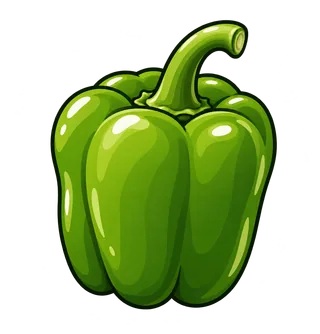
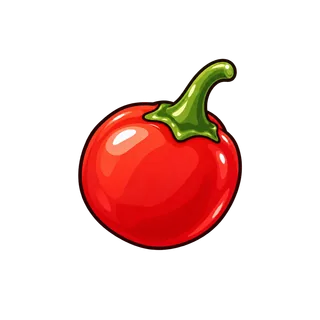
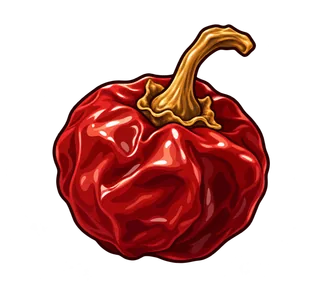
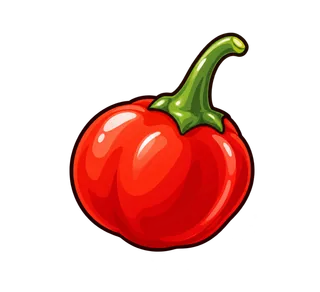
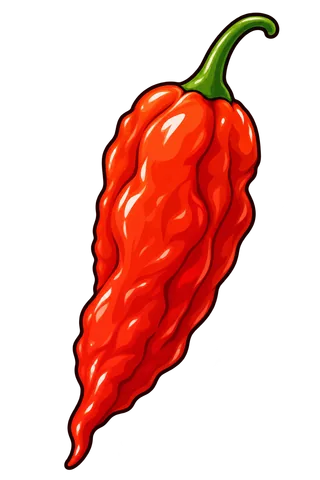
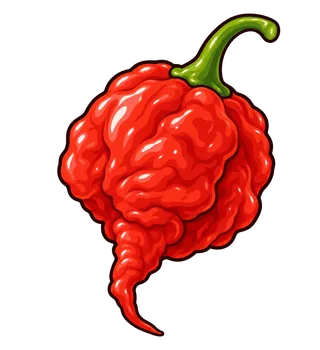
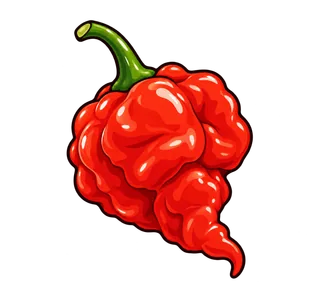
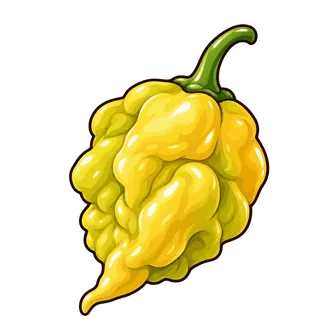
Habanero runs about 45× hotter
From the midpoints of published ranges. Ratios compare heat per gram, not per pod.Sources for this line1. University of Florida IFAS Extension2. HortScience 42(2):222-2243. Guinness World Records4. New Mexico State University, Agricultural Experiment Station6. UF/IFAS Gardening Solutions9. Embrapa, Agência de Informação Tecnológica (Ribeiro, Amaro, Carvalho, Reifschneider)10. New Mexico State University, Chile Pepper Institute (seed shop)11. Ministerio de Agricultura, Pesca y Alimentación (Spain)12. New Mexico State University13. PEPPADEW International (Pty) Ltd, maker's page14. PRODERNA (J.H. Lüttge GmbH), ingredient supplier, spec for its own product15. Botanical Interests (seed company's product page for its own seed)16. Iowa State University Extension17. Molecules 18(11):13471-13486 (MDPI)18. Pepper Joe's (seed seller's product page for its own seed)19. Tozer Seeds (seed company, product page)20. Official Journal of the European Union, C/2026/110121. Revista Mexicana de Ingeniería Química 9(2):197-207 (CIAD)22. UF/IFAS Extension St. Johns County (Hort-3)23. Reimer Seeds (seed seller's product page for its own seed)24. PhytoKeys 200:1-423 (Pensoft)25. New Mexico State University News Center
All pepper pairs
-
 Compare
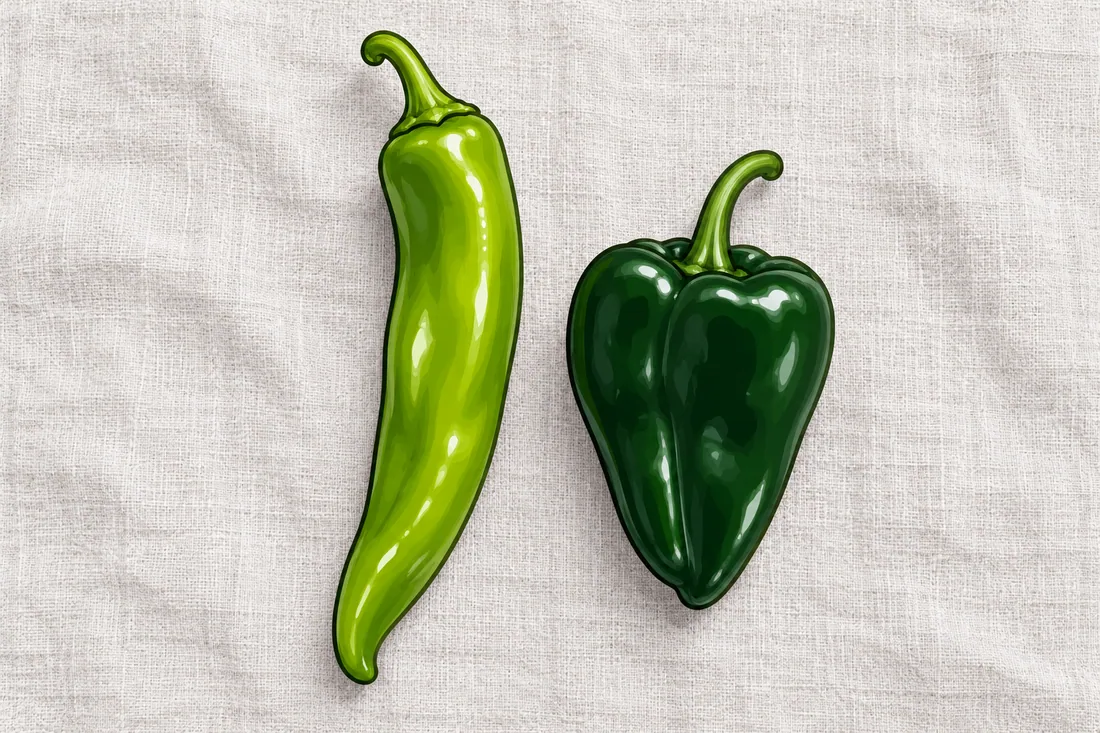
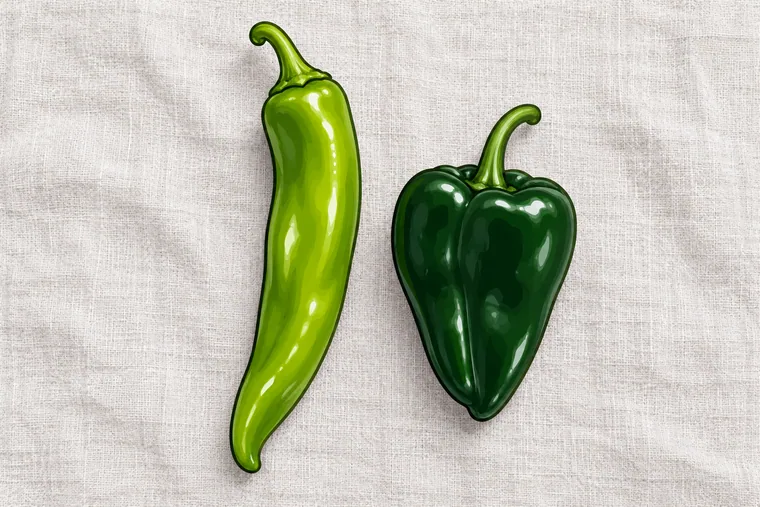
Poblano vs Anaheim Pepper, Up to 2× the Heat
Two mild green chiles that cooks mix up all the time.6 min read -
 Compare
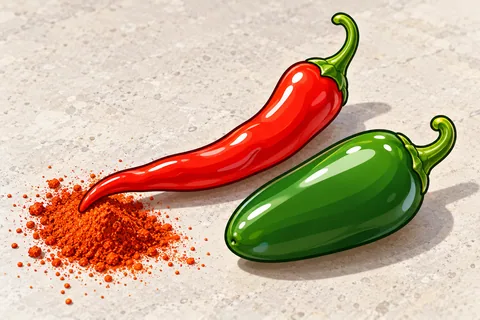
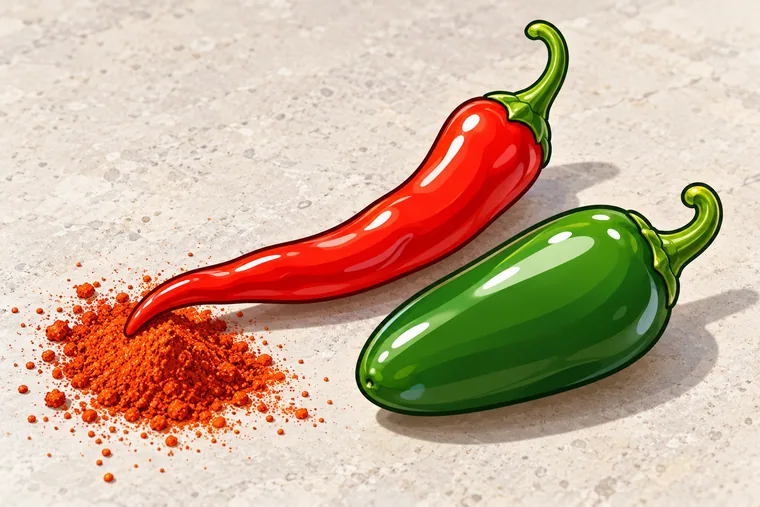
Cayenne vs Jalapeño, 7.5× the Heat and Swaps
One usually ends up in a jar of powder, the other in a fresh salsa.6 min read -
 Compare
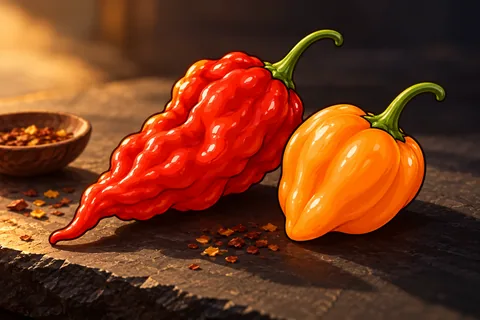
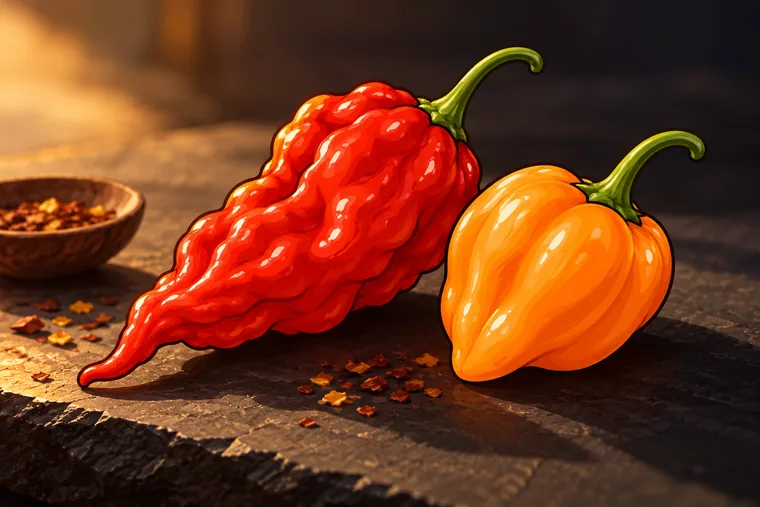
Ghost Pepper vs Habanero, Why the Ghost Is 2.8× Hotter
Same species, very different numbers.6 min read -
 Compare
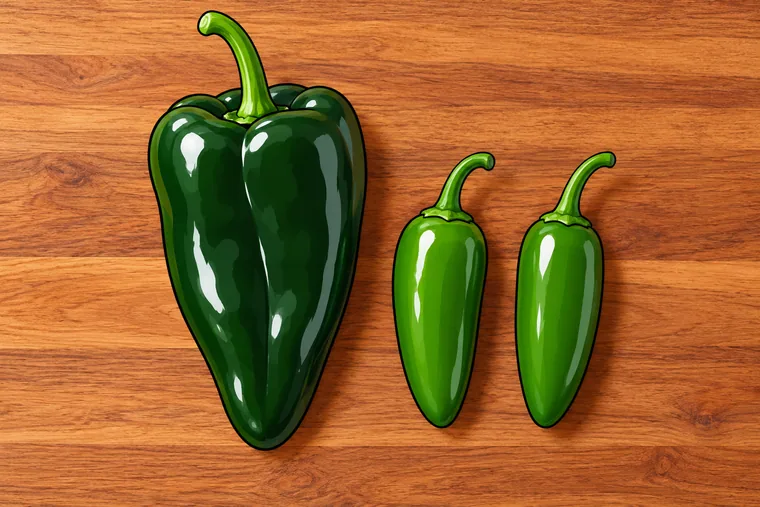
Poblano vs Jalapeño, 3.3× the Heat and When to Use Each
The big mild one and the small hot one.5 min read -
 Compare
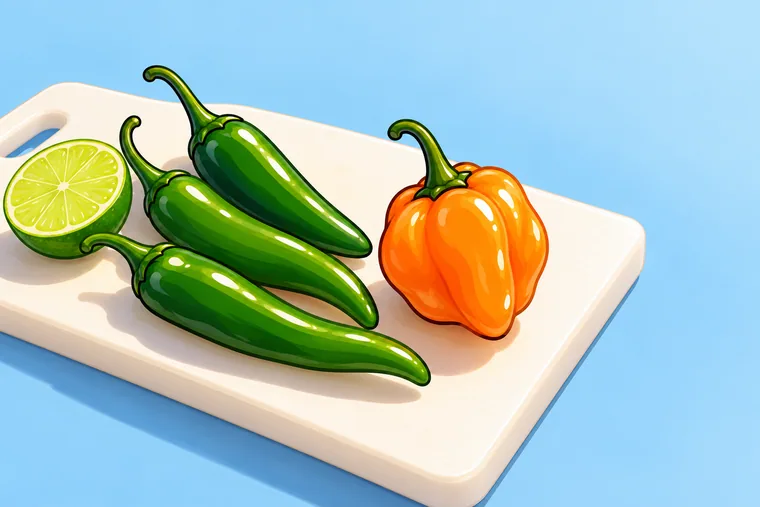
Serrano vs Habanero, the Habanero Is About 13× Hotter
A salsa chile against a hot sauce chile.6 min read -
 Compare
Habanero vs Thai Chili, Why the Habanero Is 3× Hotter
A tiny hot chili against a fruity extra-hot one.5 min read -
 Compare
Aji Limo vs Aji Amarillo, Two Species at 50,000 SHU
Two Peruvian ajíes, one heat band, two different plants.6 min read -
 Compare
Aji Panca vs Aji Amarillo, About 40× Apart in Heat
One yellow and hot, one burgundy and mild, often in the same pot.6 min read -
 Compare
Anaheim Pepper vs Jalapeño, the 5× Heat Gap
Two Capsicum annuum pod types whose heat ranges overlap.5 min read -
 Compare
Ancho Pepper vs Guajillo, Heat That Flips With the Summer
The two dried chiles most red sauces start with, and the weather that decides their heat.6 min read -
 Compare
Ancho vs Poblano, One Pepper Picked Green or Dried Red
Fresh green, ripe red, then dried: one plant, three stages, two names.6 min read -
 Compare
Ancho Chili Powder vs Chili Powder, One Chile or a Blend
Two red powders on the same shelf: a single chile and a seasoning mix.6 min read -
 Compare
Bird's Eye vs Thai Chili, Usually 1 Pepper at 50,000+ SHU
Mostly one pepper, with a wild cousin that shares the name.5 min read -
 Compare
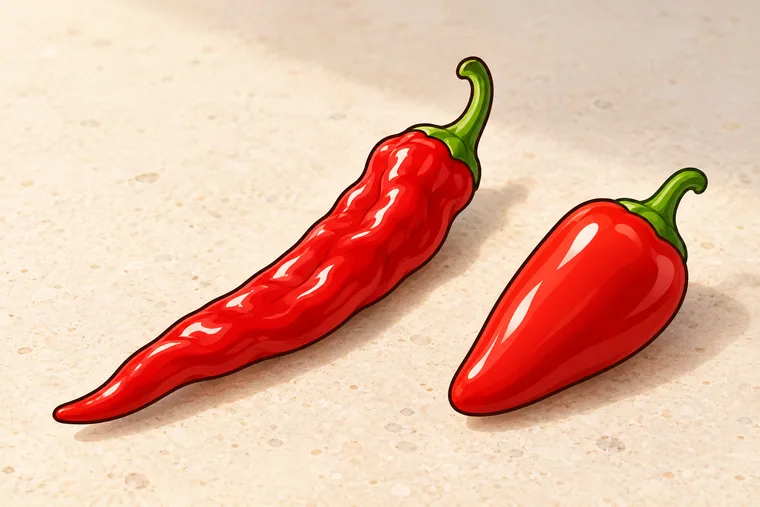
Calabrian Chili vs Fresno, Up to 4× Hotter by EU Rules
A protected Italian name that covers a whole region's chiles, against one Californian cultivar.6 min read -
 Compare
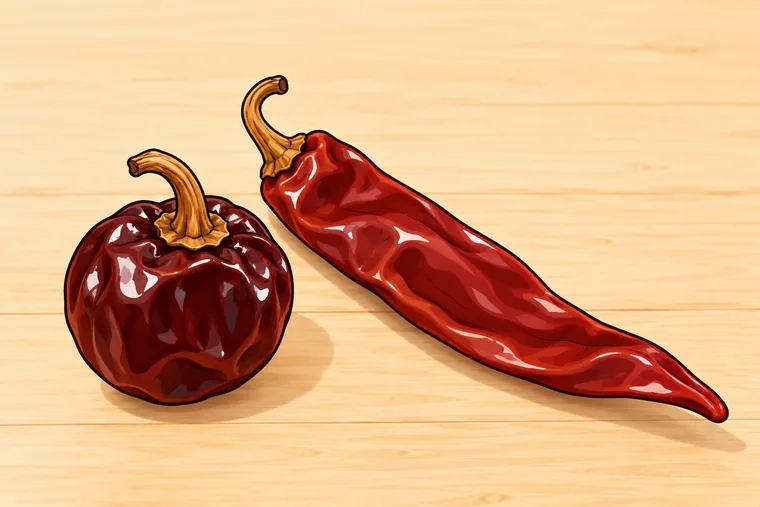
Chile Cascabel vs Guajillo, a Rattle at Half the Heat
A small round rattle chile and a long smooth red one, both dried, both from Mexican kitchens.5 min read -
 Compare
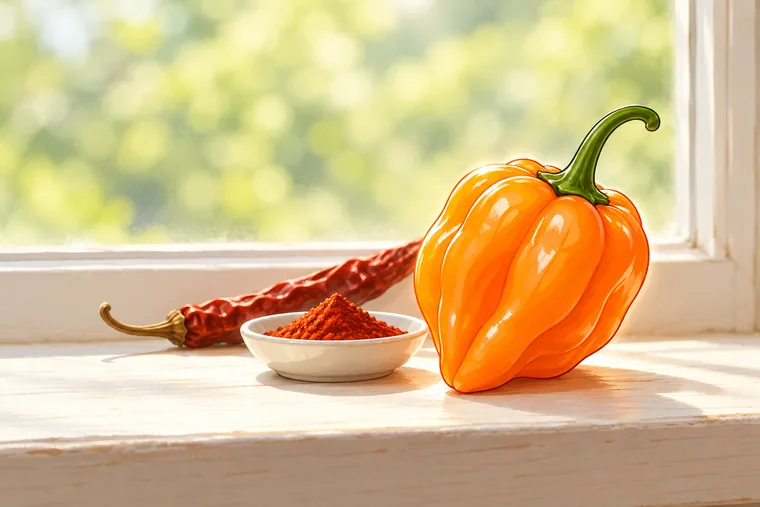
Habanero vs Cayenne Pepper, About 6× Hotter
Two different species, and a gap between their ranges.5 min read -
 Compare
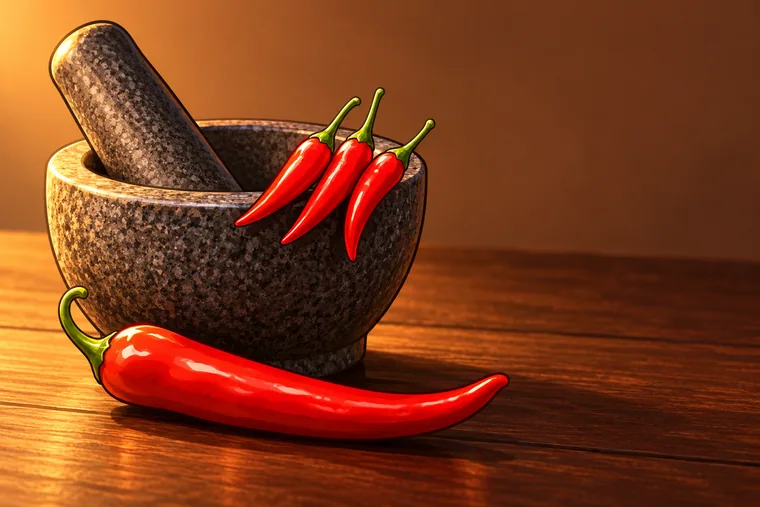
Cayenne vs Thai Chili, Why the Smaller Pod Is 2× Hotter
Same species on most lists, double the heat, a sixth of the length.5 min read -
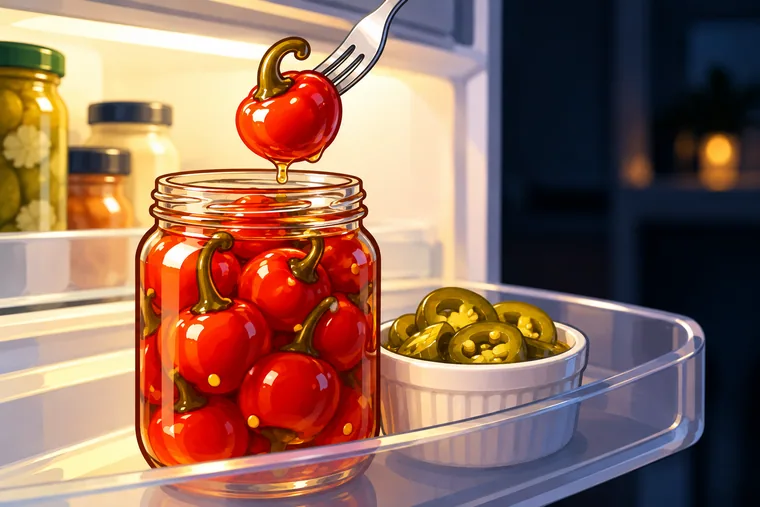 Compare
Cherry Peppers vs Jalapeño, 12× Apart or Neck and Neck
The round jar pepper against the one on every nacho plate.5 min read -
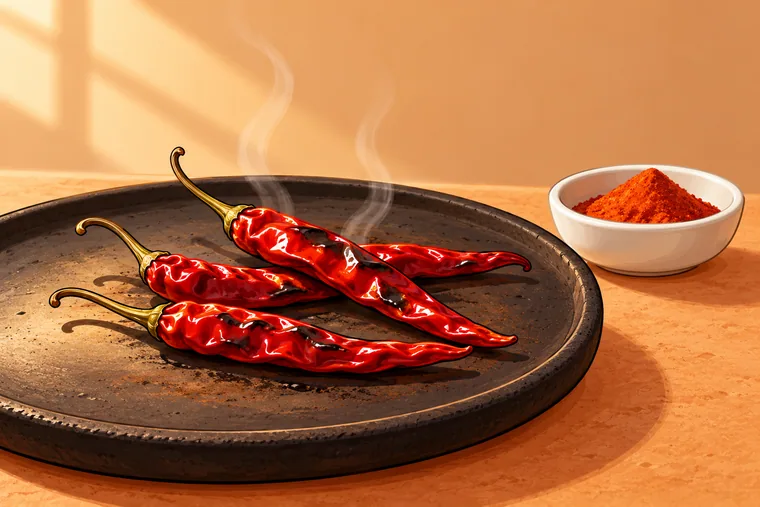 Compare
Árbol vs Cayenne Pepper, Cayenne Is About 1.7× Hotter
Two skinny red Capsicum annuum chiles, one sold whole, one mostly ground.5 min read -
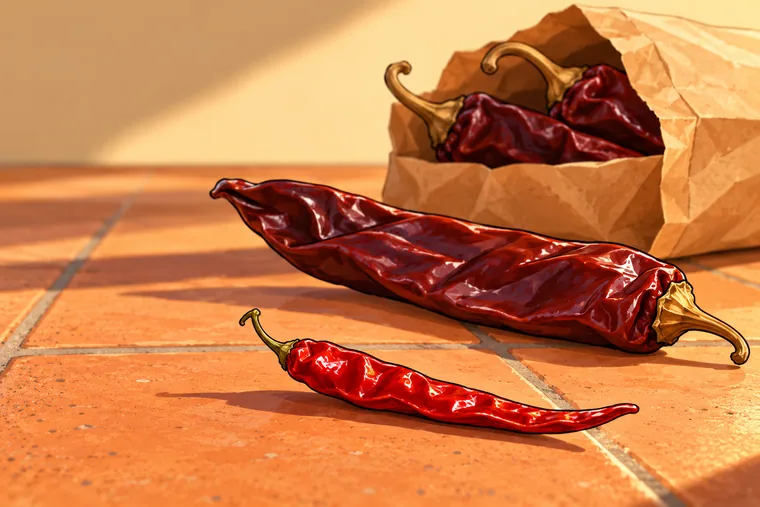 Compare
Arbol vs Guajillo Chiles, 14× Apart in One Field Trial
Two red dried chiles from the same bag aisle, one for heat and one for body.6 min read -
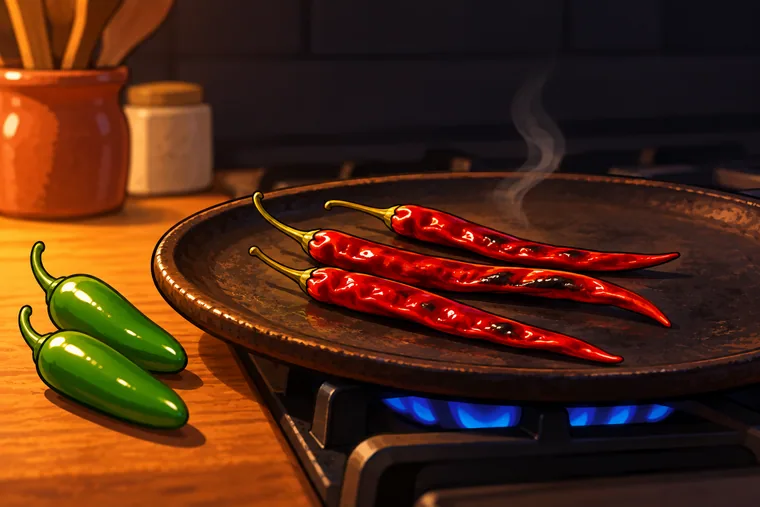 Compare
Chile de Árbol vs Serrano, Árbol Leads by About 1.6×
A slim dried red against a fresh green, close in heat and far apart in the pan.7 min read -
 Compare
Dark Chili Powder vs Chili Powder, Same 5 Ingredients
Two jars of the same blend, roasted and weighted differently.5 min read -
Compare
Fresno Pepper vs Habanero, 4 to 6 Times Hotter in One Lab
A cone-shaped Californian chile against a lantern-shaped Caribbean one.6 min read -
 Compare
Guajillo vs Chipotle, Same Chart Band, 22× Apart in the Lab
One dried in the sun, one dried in smoke.6 min read -
 Compare
Habanero vs Jalapeño, About 45× the Heat by Midpoint
The pepper you know against the one that scares people.7 min read -
 Compare
Hatch Chile vs Poblano, 10 NMSU Lines From 0 to 9,000 SHU
New Mexico's long green against Mexico's short, dark stuffing chile.7 min read -
 Compare
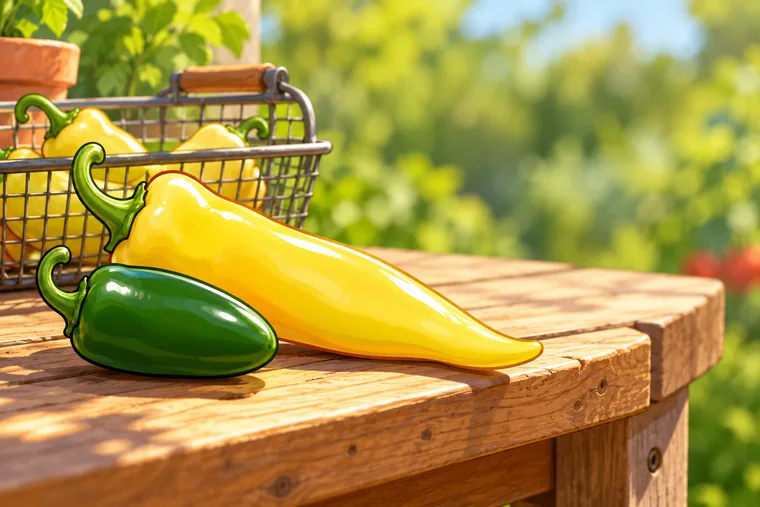
Hungarian Wax Pepper vs Jalapeño, 1.5× Hotter by Midpoint
A long yellow pickling pepper and the green chile everyone knows, closer in heat than they look.6 min read -
 Compare
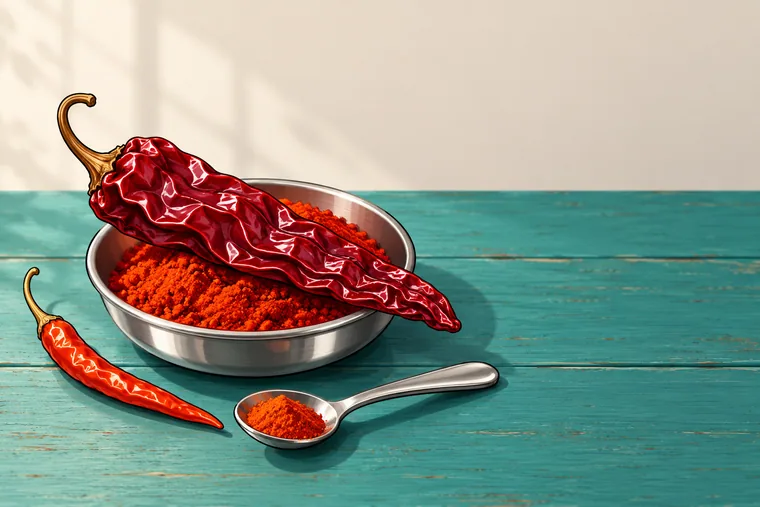
Cayenne Pepper vs Kashmiri Chilli, Heat and Color Data
A deep red chilli from the north of India against the red pepper in every spice rack.6 min read -
 Compare
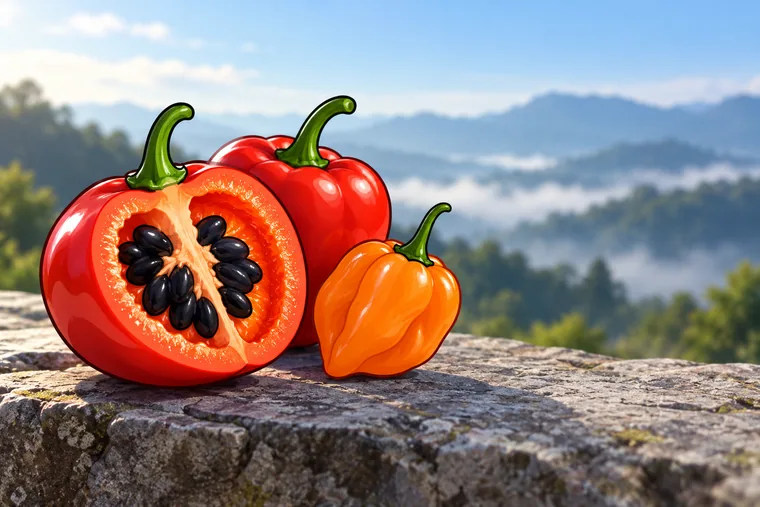
Chile Manzano vs Habanero, Close in Heat at 175,000 SHU
An apple-shaped mountain chile and a lantern-shaped lowland one, about as hot as each other.6 min read -
Compare
Padrón Peppers vs Shishito, 1,417 SHU and a 1-in-10 Gamble
Two small green pan peppers, two different reasons the odd one burns.6 min read -
 Compare
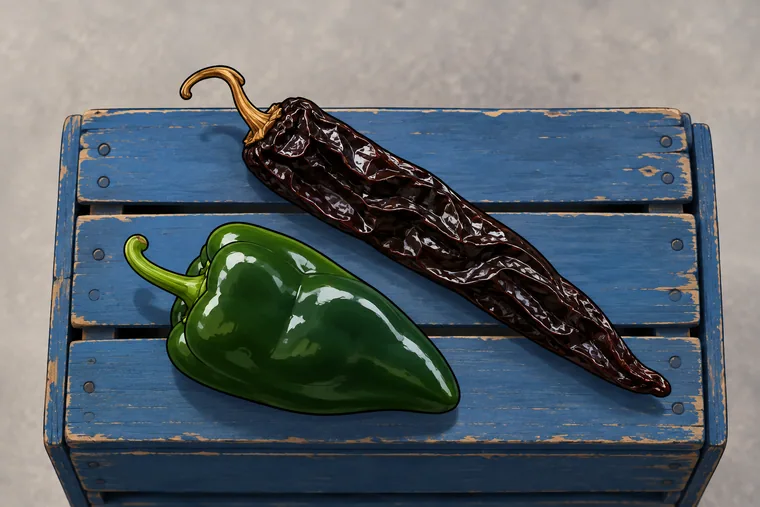
Pasilla vs Poblano, 2 Different Chiles and 1 Mixed-Up Label
One long black dried chile, one broad green fresh one, and a label that blurs them.6 min read -
 Compare
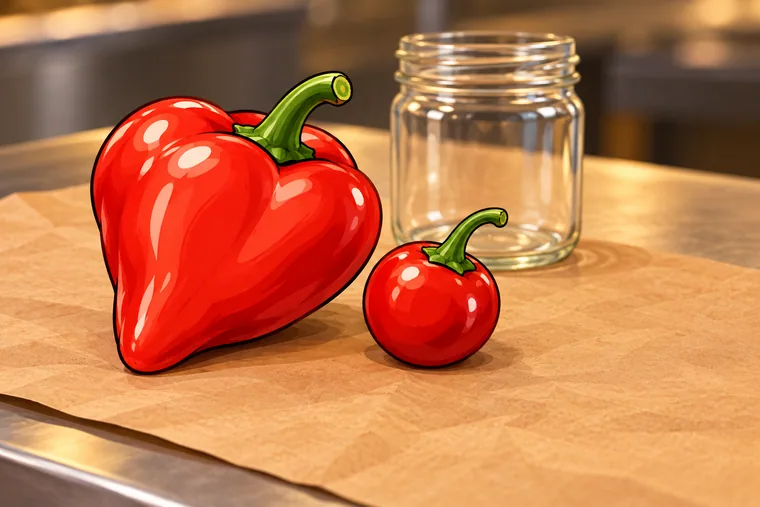
Pimento vs Cherry Pepper, 0 SHU Against Up to 500 or More
Two red peppers people mix up, one always sweet and one that can surprise you.6 min read -
 Compare
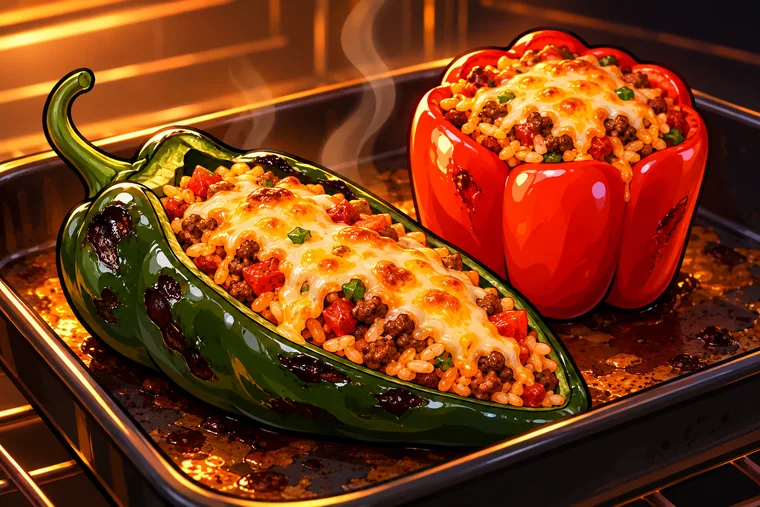
Poblano vs Bell Pepper, 2,000 SHU Against Zero
One stuffing pepper with a little heat, one with none at all.6 min read -
 Compare
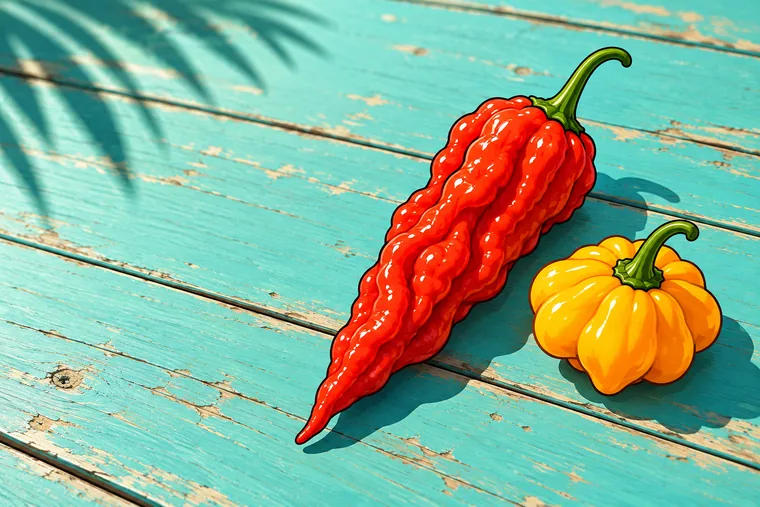
Scotch Bonnet vs Ghost Pepper, the Ghost Runs 2.9× Hotter
Two Capsicum chinense peppers, a Caribbean staple and an Indian record holder.6 min read -
 Compare
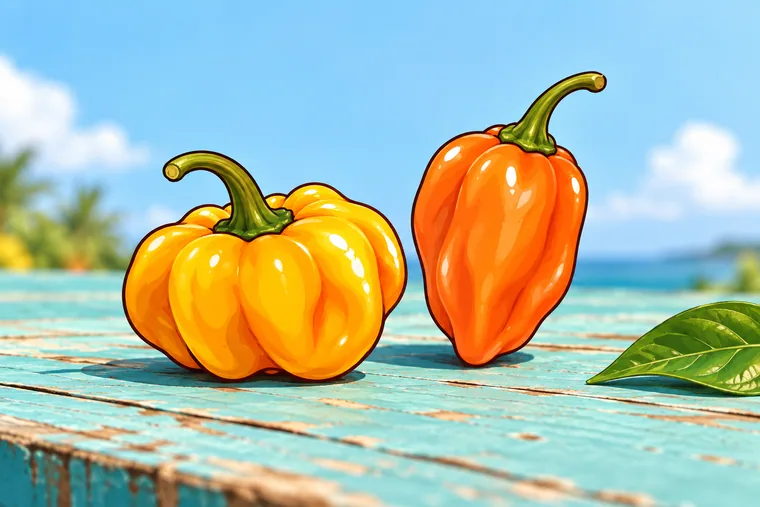
Scotch Bonnet vs Habanero, Same Range, 1.4× Lab Gap
Two Capsicum chinense pods, one heat band, two different kitchens.5 min read -
 Compare
Serrano vs Cayenne Pepper, Cayenne Runs About 2× Hotter
One you chop fresh, one you shake from a jar.6 min read -
 Compare
Tabasco Pepper vs Cayenne, 2 Species, Same 50,000 SHU Top
Two red peppers with the same ceiling and different family trees.5 min read -
 Compare
Thai Chili vs Jalapeño, Why the Small Pod Is 15× Hotter
A one-inch pod with fifteen times the heat.5 min read -
 Compare
Thai Chili vs Serrano, About 4× the Heat at Half the Size
A tiny Southeast Asian chili and a slim Mexican green one that cooks swap all the time.6 min read
Nothing matches this filter yet.
Pairs people compare most
Ordered by how often people search each pair; the bar is how many times hotter the hotter pepper runs, by midpoint, on a log scale.
| # | Pair | Hotter by midpoint |
|---|---|---|
| 1 | 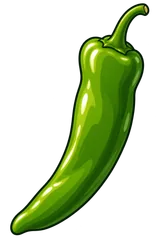 Anaheimvs 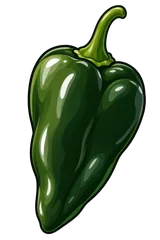 Poblano | 2× |
| 2 | 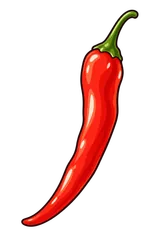 Cayennevs 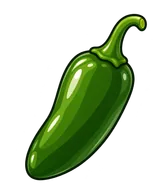 Jalapeño | 7.5× |
| 3 |  Ghost peppervs  Habanero | 4.5× |
| 4 | PoblanovsJalapeño | 3.3× |
| 5 |  SerranovsHabanero | 13× |
| 6 |  Thai chilivsHabanero | 3× |
| 7 | AnaheimvsJalapeño | 1.7× |
| 8 | Bird's eye chilivsThai chili | 1× |
| 9 | Cascabelvs Guajillo | 6.9× |
| 10 | CayennevsHabanero | 6× |
| 11 | CayennevsThai chili | 2× |
| 12 |  CherryvsJalapeño | 5,000× |
| 13 | HabanerovsJalapeño | 45× |
| 14 | Hatch chilevsPoblano | 3.1× |
| 15 | PasillavsPoblano | 1× |
| 16 | Poblanovs Bell pepper | 1,500× |
| 17 |  Scotch bonnetvsGhost pepper | 4.5× |
| 18 | Scotch bonnetvsHabanero | 1× |
| 19 | SerranovsCayenne | 2.1× |
| 20 | Tabasco peppervsCayenne | 1.1× |
| 21 | Thai chilivsJalapeño | 15× |
| 22 | Thai chilivsSerrano | 4.3× |
Midpoints of the published ranges in the index. Sources on each entry page.
Compare by heat level
Each pair sits under the heat band of its hotter pepper.
Medium
Hot
Extra-hot
How the comparison works
- 1Read both rangesHabanero 100,000–350,000 SHU, Jalapeño 2,000–8,000 SHU, each from its published source.
- 2Find each midpointHalfway between low and high: 225,000 and 5,000. A single published average is used as it is.
- 3Divide225,000 ÷ 5,000 = about 45, the hotter midpoint over the milder one.
- 4Read it per gramRatios compare heat per gram, not per pod.
On this page
How does the pepper comparison work?
You pick two peppers and the tool reads both from the pepper index, where every heat range carries its source. Then it does the same few steps every time, so you can check any answer by hand.
- 1
Read both published figures
Each index entry holds a range (low and high SHU) or, for some peppers, a single lab figure. A habanero, for example, rates 100,000–350,000 SHU on UF/IFAS Extension.1
- 2
Find each midpoint
Add the low and high figures and halve them. The habanero's midpoint is 225,000 SHU; the jalapeño's (2,000–8,000) is 5,000.1
- 3
Divide the bigger midpoint by the smaller
225,000 ÷ 5,000 = 45, so the habanero is about 45 times hotter. We round to two significant figures and say 'about'.1
- 4
Work out the spread
Divide the hot pepper's low end by the mild pepper's high end, then high by low: 100,000 ÷ 8,000 = 12.5 and 350,000 ÷ 2,000 = 175.1
- 5
The big number is the midpoint ratio; the spread under it tells you how far your actual pods can stray from it.
Why do we compare midpoints?
Because a range is all most sources publish, and the middle of it is the fairest single stand-in you can use. If you compare top to top, you flatter the hotter pepper, and if you compare a hot pod of one with a mild pod of the other, you answer a question nobody asked.
Here is one pair worked every way, so you can see what each choice does to your answer.
| Method | Arithmetic | Habanero is |
|---|---|---|
| Midpoint to midpoint (what we show) | 225,000 ÷ 5,000 | about 45 times hotter |
| Top to top | 350,000 ÷ 8,000 | about 44 times hotter |
| Mild habanero, hot jalapeño | 100,000 ÷ 8,000 | 12.5 times hotter |
| Hot habanero, mild jalapeño | 350,000 ÷ 2,000 | 175 times hotter |
Top to top lands close to the midpoint here, but you won't see that for every pair. The last two rows are the honest edges, which is why the tool prints them under the big number for you.
What about peppers with a single number?
Some peppers come to you with one figure, not a range. The ghost pepper's best-documented number is a lab mean of 1,001,304 SHU from a 2005 field trial in Las Cruces, New Mexico2, and Pepper X holds its Guinness record at an average of 2,693,000 SHU3.
For those we use the single figure where a midpoint would go and draw it as a mark, not a bar. Against the habanero's midpoint, the ghost pepper comes out about 4.5 times hotter (1,001,304 ÷ 225,000).
What can't a Scoville comparison tell you?
- How hot one pod is. Genes, weather, growing conditions and fruit age all change a chile's heat, so listed levels are averages that vary by year and place.4
- Heat per pod. The ratio is heat per gram; a 1-inch Thai chili and a 4-inch poblano carry very different amounts of pepper.1
- Whether two figures are the same kind of number. A range, a one-trial lab mean and a rounded figure can all describe one pepper: the habanero shows up as 100,000–350,000 SHU (a range), 357,729 (an orange habanero in one trial) and about 250,000 (a rounded figure).Sources for this line1. University of Florida IFAS Extension2. HortScience 42(2):222-2245. New Mexico State University, Chile Pepper Institute
- Flavor. SHU measures capsaicinoids, the compounds that make a pepper taste hot, and nothing else; the compare rows carry flavor notes separately.6
The third point catches people out the most. When two sites disagree on a ratio, check whether one used a range and the other a single lab result. The ghost pepper against the habanero shows the clearest case: the same field trial that gave the ghost 1,001,304 SHU put the then-record Red Savina at 248,556, below an orange habanero at 357,7292.
Why do two sources give different ratios?
Because each extension service publishes its own figures, and small changes at the mild end move the ratio a lot. We use UF/IFAS ranges by default. Here is what you get when you re-run four written pairs on Texas AgriLife's figures instead:
| Pair | UF/IFAS midpoints | Texas AgriLife figures | Ratio moves |
|---|---|---|---|
| Thai chili vs jalapeño | 75,000 ÷ 5,000 | 75,000 ÷ 4,000 (jalapeño average 3,500–4,500) | 15 to about 19 times |
| Serrano vs habanero | 225,000 ÷ 17,500 | 250,000 ÷ 16,000 | 13 to about 15.6 times |
| Cayenne vs jalapeño | 37,500 ÷ 5,000 | 35,000 ÷ 4,000 | 7.5 to almost 9 times |
| Poblano vs jalapeño | 5,000 ÷ 1,500 | 4,000 ÷ 1,500 | 3.3 to about 2.7 times |
Notice which pepper moves the answer: the jalapeño, whose Texas average sits below the UF/IFAS one. Every pair that has a mild pepper on one side swings more than a pair of two hot ones. So when you see 15 times on one site and 19 on another, both can be right, and the Thai chili against the jalapeño works through both.
Pick one source for both peppers; mixing sources is how two sites end up with different answers for the same pair.
Pairs people compare most
Twelve pairs have their own pages so far, written from the same index data with flavor, uses, growing and swap notes added. Here is the answer each one gives you, worked the same way as the tool.
| Pair | Hotter one | By midpoint | Full spread |
|---|---|---|---|
| Serrano vs habanero | Habanero | about 13 times | 4 to 35 times |
| Cayenne vs jalapeño | Cayenne | about 7.5 times | about 3 to 25 times |
| Ghost pepper vs habanero | Ghost pepper | about 4.5 times (2.8 in one same-field trial) | about 3 to 10 times |
| Poblano vs jalapeño | Jalapeño | about 3.3 times | even to 8 times |
| Thai chili vs habanero | Habanero | 3 times | even to 7 times |
| Anaheim vs poblano | Anaheim, usually | about 2 times | poblano 2 times hotter to Anaheim 5 times hotter |
| Thai chili vs jalapeño | Thai chili | about 15 times | about 6 to 50 times |
| Cayenne vs habanero | Habanero | about 6 times | 2 to 14 times |
| Anaheim vs jalapeño | Jalapeño, usually | about 5 times (typical pods) | Anaheim 2.5 times hotter to jalapeño 8 times hotter |
| Cayenne vs Thai chili | Thai chili | 2 times | even to 4 times |
| Tabasco pepper vs cayenne | Tabasco, by a hair | about 1.1 times | cayenne 1.7 times hotter to tabasco 2 times hotter |
| Bird's eye vs Thai chili | The same pepper | 1 time | one range, 50,000–100,000 SHU |
Only the ghost pepper row uses a single lab figure in place of a midpoint, which is why its spread is narrower than its range would suggest. Any other pair works in the tool above.
What should you compare besides heat?
Heat decides how much you use; four other things decide whether your swap works at all. Each written pair page works through the ones that matter for its two peppers:
Size and wall. A poblano is about 4 by 2 inches with thick walls and a jalapeño 2 to 3 inches1, so only one of them makes a stuffed main course. The poblano against the jalapeño covers roasting and stuffing.
Form. Cayenne usually reaches you dried, as powder or flakes1, so a swap with a fresh pod changes water and texture as well as heat; the cayenne against the Thai chili works one out in grams.
Species and plant. Tabasco and cayenne share a heat ceiling of 50,000 SHU but grow on different species, with tabasco pods pointing up1. The tabasco pepper against the cayenne shows the two plants.
Where the heat sits. About 89 % of a pepper's capsaicin sits in the pale placenta that holds the seeds8, so when you trim it out, you shift any pepper down its range before you even reach for a milder one.
The ratio on this page is where you start. The pair page is where you find out whether your dish still works after the swap.
Quick answers

Which pepper is hotter, a habanero or a jalapeño?
The habanero, by a lot. UF/IFAS rates it at 100,000 to 350,000 SHU against 2,000 to 8,000 for the jalapeño, so the habanero is about 45 times hotter by midpoint.1
How do you work out how many times hotter one pepper is?
Take the middle of each published range and divide the bigger by the smaller. A cayenne (25,000 to 50,000 SHU, midpoint 37,500) against a jalapeño (midpoint 5,000) comes out 7.5 times hotter. For the full spread, divide the low end of the hotter pepper by the high end of the milder one, and the other way round.1
Will the hotter pepper always make my dish hotter?
Per gram, yes on average, but single pods vary. NMSU breeders say genes, weather, growing conditions and fruit age all change a chile's heat, so a single pod can land anywhere in its range, or outside it. Taste a sliver first.4
Why does one pepper have a single number instead of a range?
Some peppers are published as a lab average from one trial or a record test, not a range. The ghost pepper's best-documented figure is a 1,001,304 SHU mean from a 2005 New Mexico field trial. We show that number as a single mark and use it in place of a midpoint.2
Sources
· 25
- 1University of Florida IFAS Extension HS-859/TR010: Pepper Production in Miami-Dade County, Florida
- 2HortScience 42(2):222-224 'Bhut Jolokia', the world's hottest known chile pepper, is a putative naturally occurring interspecific hybrid (Bosland and Baral)
- 3Guinness World Records Pepper X dethrones Carolina Reaper as world's hottest chilli pepper
- 4New Mexico State University, Agricultural Experiment Station Research Report 792: The Chile Cultivars of New Mexico State University Released from 1913 to 2016 (Coon, Bosland)
- 5New Mexico State University, Chile Pepper Institute Heat
- 6UF/IFAS Gardening Solutions Peppers by Scoville Units
- 7Texas AgriLife Extension Service (Joe Masabni) Jalapeño & Other Hot Peppers
- 8Heliyon (Cell Press) A comprehensive review of capsaicin: Biosynthesis, industrial productions, processing to applications, and clinical uses
- 9Embrapa, Agência de Informação Tecnológica (Ribeiro, Amaro, Carvalho, Reifschneider) BRS Moema
- 10New Mexico State University, Chile Pepper Institute (seed shop) Red Cherry Sweet Pepper
- 11Ministerio de Agricultura, Pesca y Alimentación (Spain) Pliego de condiciones de la Denominación de Origen "Pimentón de Murcia"
- 12New Mexico State University Circular 706: The Chile Cultivars of New Mexico State University, 1913–2022 (Coon, Walker, Lozada, Guzman, Bosland)
- 13PEPPADEW International (Pty) Ltd, maker's page FAQs
- 14PRODERNA (J.H. Lüttge GmbH), ingredient supplier, spec for its own product Panca (whole and powder)
- 15Botanical Interests (seed company's product page for its own seed) Pasilla Bajio Chile Pepper Seeds
- 16Iowa State University Extension PM 1888(S): Guía de Horticultura, El huerto doméstico, Chiles (Everhart, Haynes, Jauron)
- 17Molecules 18(11):13471-13486 (MDPI) Characterization of Different Capsicum Varieties by Evaluation of Their Capsaicinoids Content by High Performance Liquid Chromatography, Determination of Pungency and Effect of High Temperature (González-Zamora et al.)
- 18Pepper Joe's (seed seller's product page for its own seed) Aji Charapita Pepper Seeds
- 19Tozer Seeds (seed company, product page) Count Dracula
- 20Official Journal of the European Union, C/2026/1101 Publication of an application for registration of a geographical indication: Peperoncino di Calabria, single document (EU No PGI-IT-03421)
- 21Revista Mexicana de Ingeniería Química 9(2):197-207 (CIAD) Capsaicinoides y color en chiltepín (Capsicum annuum var. aviculare). Efecto del proceso sobre salsas y encurtidos (Montoya-Ballesteros et al.)
- 22UF/IFAS Extension St. Johns County (Hort-3) Gardening with Datil Peppers (Terra Freeman)
- 23Reimer Seeds (seed seller's product page for its own seed) Komodo Dragon Pepper Seeds
- 24PhytoKeys 200:1-423 (Pensoft) Monograph of wild and cultivated chili peppers (Capsicum L., Solanaceae)
- 25New Mexico State University News Center NMSU's Chile Pepper Institute names the Trinidad Moruga Scorpion hottest pepper on earth (Justin Bannister)

Your pocket pepper index.
Built from the same index as this site.
- Every entry offline
- Compare any two peppers
- Keep a list of peppers you have tried