
Pepper Plant Problems, Pests and Diseases by 11 Symptoms
Start from the symptom, not the bug.
Short answer
Most pepper problems come from weather and watering, not disease; look at where the damage sits before you treat anything.
- Downward-rolled leaves on every plant, with no yellowing, are usually harmless leaf roll
- Virus-infected plants cannot be cured; pull them so the virus does not spread
What is wrong with my pepper plant?
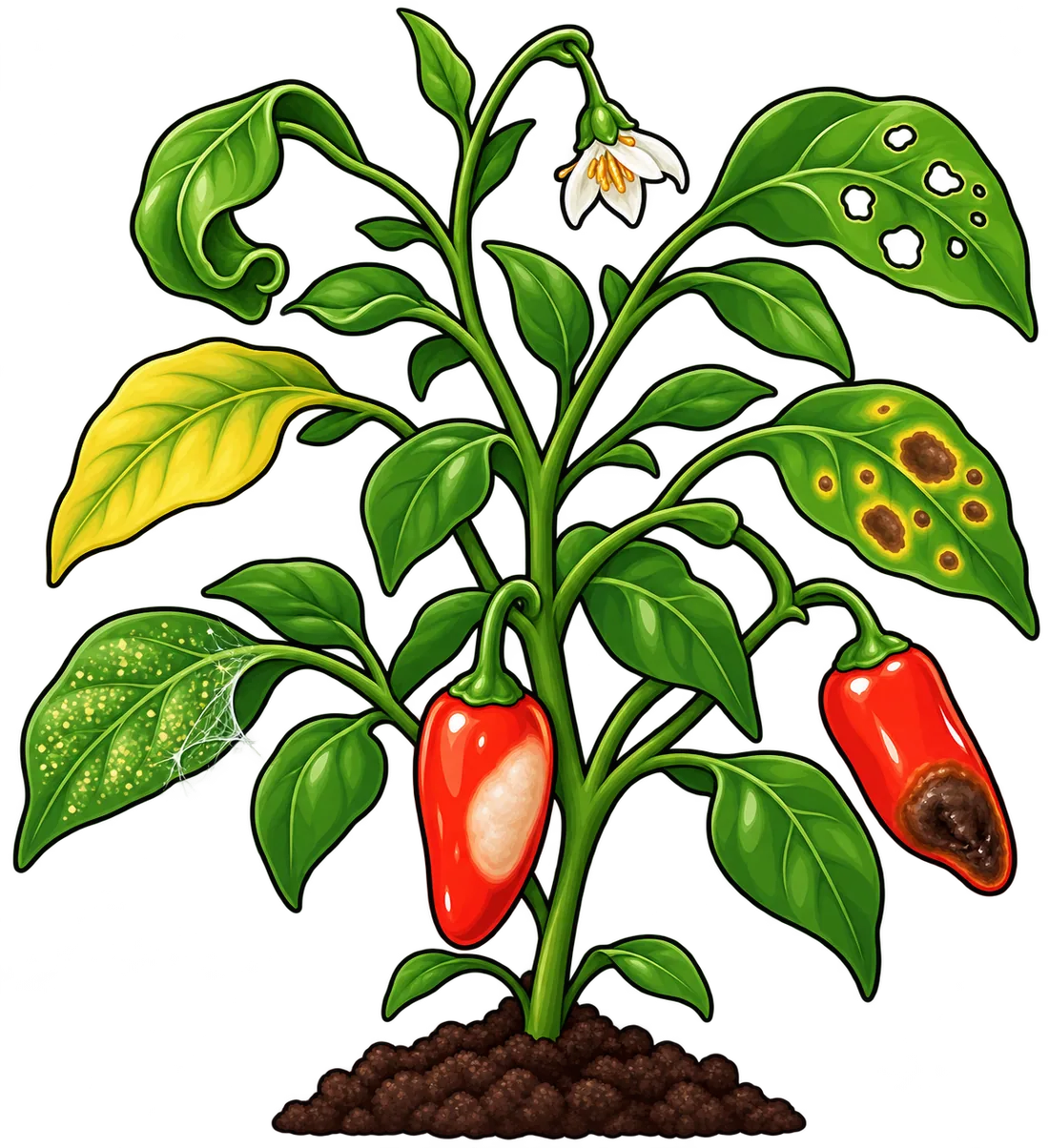
Find the problem on the plant or in the list. Its number leads to the likely cause and the first fix extension services give.
- 1
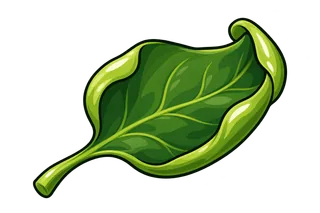 Curling leavesLeaves
- 2
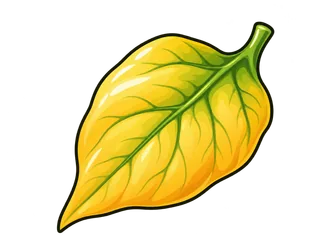 Yellow leavesLeaves
- 3
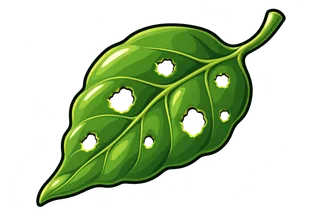 Holes in leavesLeaves
- 4
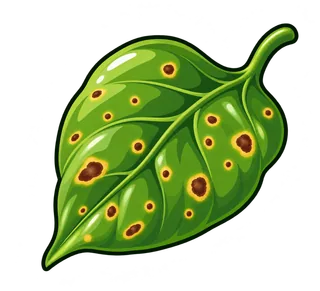 Spots on leavesLeaves
- 5
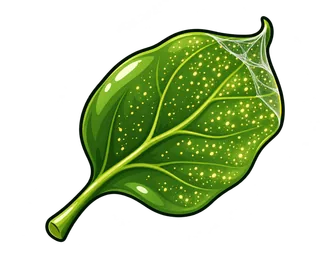 Speckles and webbingLeaves
- 6
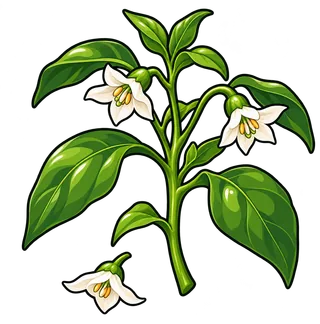 Flowers droppingFlowers and fruit
- 7
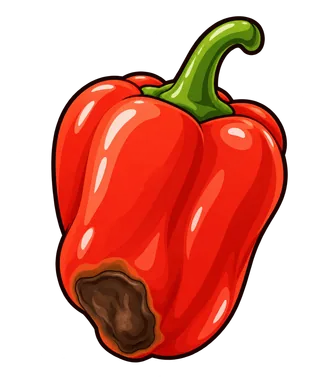 Black bottom on fruitFlowers and fruit
- 8
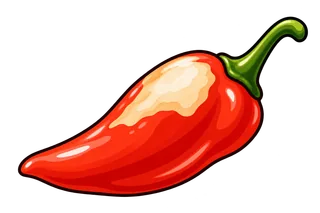 Pale patch on fruitFlowers and fruit
- 9
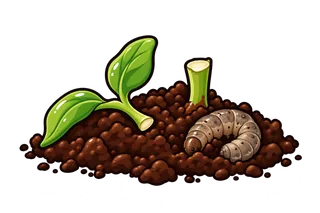 Seedling cut offStems
- 10
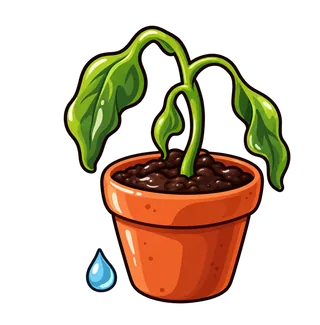 Wilting plantWhole plant
- 11
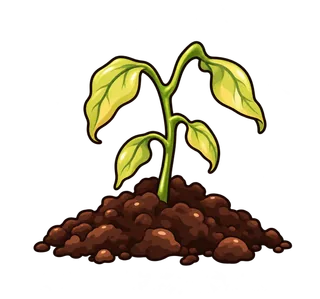 Stunted plantWhole plant
Diagnosis
Common problems and first fixes
Start with the first fix; the guide covers what to do if it does not work.
| You see | Likely cause | First fix | Guide |
|---|---|---|---|
| 1Curling leavesLeaves rolled down, curled, cupped or twisted | Physiological leaf roll, aphids, broad mites, viruses, or drift of a weed killer such as 2,4-D | Look at every plant: leaf roll on all of them needs no action. Knock aphids off with a strong jet of water.Sources for this line1. PlantVillage, Penn State University2. Utah State University Extension3. UF/IFAS Extension (EDIS), Featured Creatures7. UC Statewide IPM Program, University of California11. UC Statewide IPM Program, University of California | Read guide |
| 2Yellow leavesLeaves turning yellow | Short of nitrogen, high soil pH, spider mites, aphids or Fusarium wilt | If the oldest leaves yellow first, feed a little nitrogen.114 | Read guide |
| 3Holes in leavesSmall holes in seedling leaves, or leaves and pods chewed | Flea beetles on seedlings; tomato hornworms on bigger plants | Cover seedlings with a floating row cover; hand-pick hornworms.Sources for this line1. PlantVillage, Penn State University2. Utah State University Extension6. University of Minnesota Extension | Read guide |
| 4Spots on leavesWater-soaked spots that dry and turn brown | Bacterial spot, favored by warm, wet weather | Water the soil, not the leaves: wet leaves catch disease more easily.16 | Guide not written yet |
| 5Speckles and webbingFine yellow speckles on the leaves, thin webbing underneath | Spider mites | Hose the undersides with a strong jet of water to hold numbers down.1 | Read guide |
| 6Flowers droppingFlowers fall off before any fruit sets | Dry soil or hot nights; no fruit sets in cold nights or very hot days | Keep the soil evenly moist and wait: fruit sets again as the weather eases.Sources for this line2. Utah State University Extension6. University of Minnesota Extension15. University of Maryland Extension | Read guide |
| 7Black bottom on fruitA dry, dark, leathery patch at the blossom end | Blossom-end rot from uneven watering | Water deeply and evenly; better watering and feeding reduce it.2 | Guide not written yet |
| 8Pale patch on fruitFlat tan or white patches on the sunny side | Sunscald where leaves do not cover the fruit | Leave the leaves that shade the pods; do not strip them off.6 | Guide not written yet |
| 9Seedling cut offA seedling cut off at the soil, its top lying beside it | Cutworms | Put a collar from a bottomless paper cup around each stem at planting.616 | Guide not written yet |
| 10Wilting plantThe plant wilts and yellows, sometimes while the soil is still wet | Overwatering, Phytophthora root rot after a warm, wet spell, or a wilt disease | Feel the soil first. If it is wet, hold the water until the top dries.Sources for this line2. Utah State University Extension6. University of Minnesota Extension13. Utah State University Extension, Utah Pests IPM17. UC Statewide IPM Program, University of California | Read guide |
| 11Stunted plantYellow leaves and a plant that stops growing | Curly top virus or a wilt disease | There is no cure. Pull the plant so the problem does not spread.2 | Guide not written yet |
-
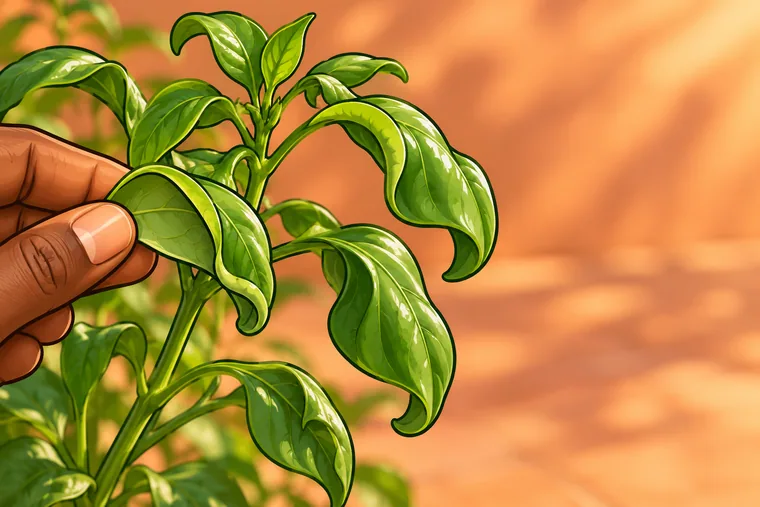 Leaves
Pepper Plant Leaves Curling? 6 Causes and the Fix
Which way the leaf curls, and what sits under it, tells you the cause.8 min read -
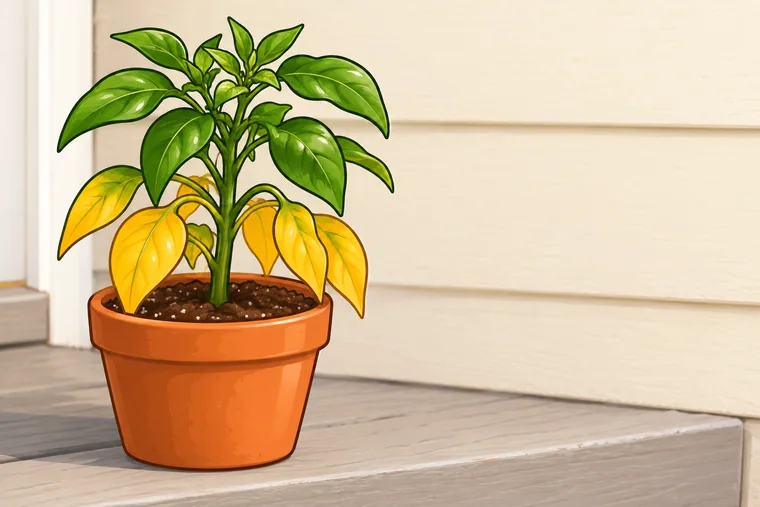 Leaves
Pepper Plant Leaves Turning Yellow? 8 Causes and Fixes
Where the yellow starts tells you more than the yellow itself.9 min read -
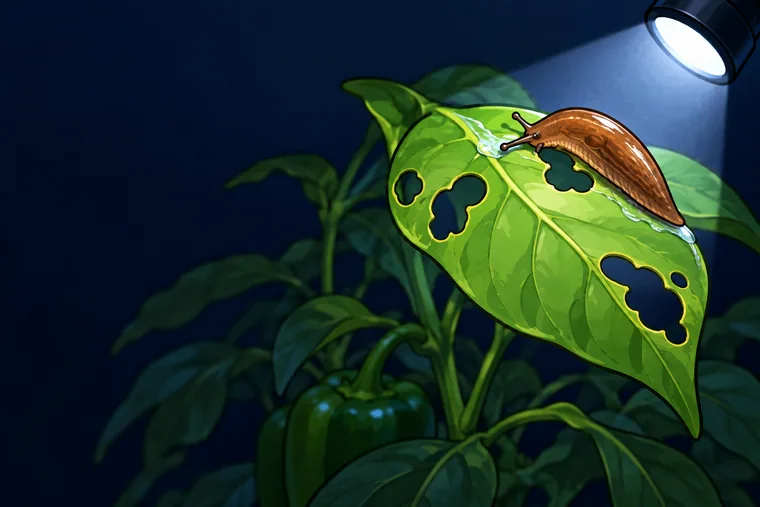 Pests and diseases
Holes in Pepper Plant Leaves, 6 Pests by Hole Pattern
The shape of the hole and the hour you find it name the pest.8 min read -
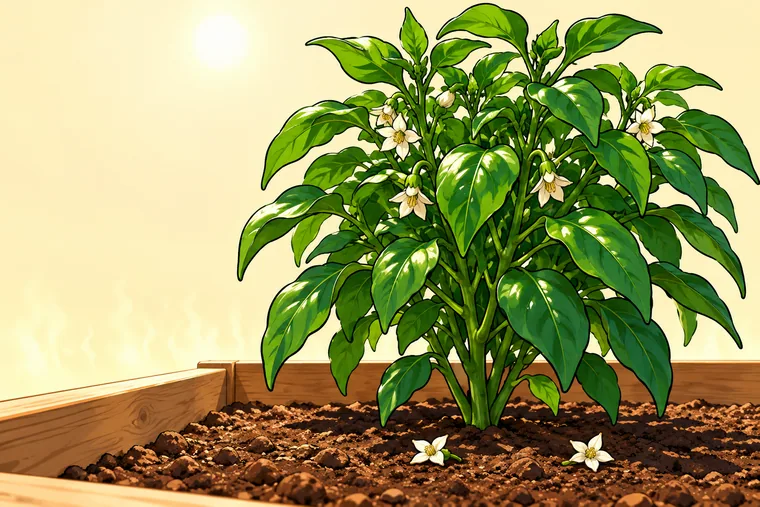 Flowers and fruit
Pepper Plant Not Producing Fruit? 9 Causes and Fixes
Most fruitless plants are waiting out the weather. A few are being fed the wrong thing.9 min read -
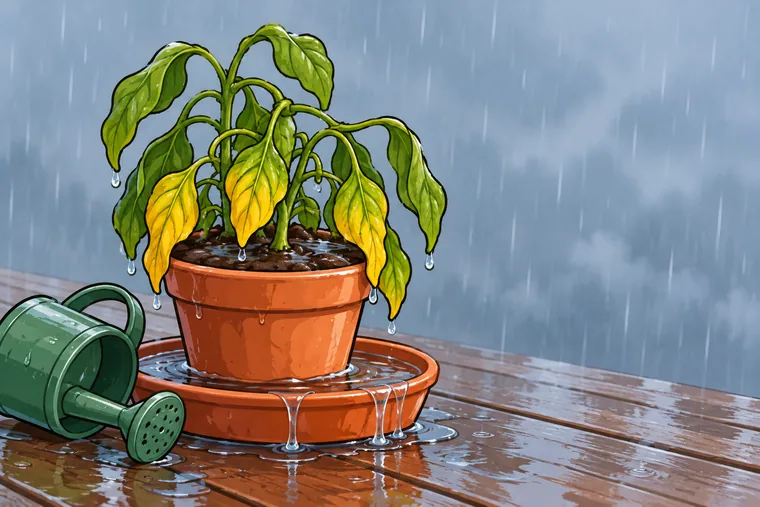 Whole plant
Overwatering Pepper Plants, Signs and a 5-Step Fix
A drooping pepper in wet soil needs less water, not more.8 min read -
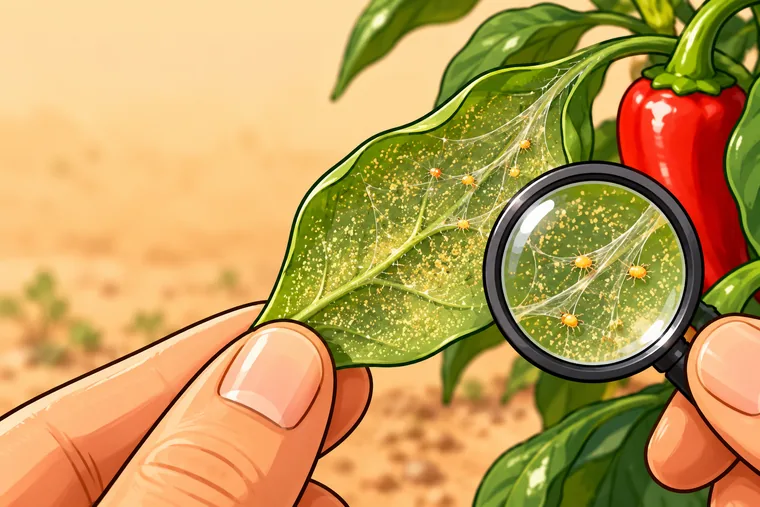 Pests and diseases
Spider Mites on Pepper Plants, Found and Fixed in 6 Steps
Pale speckles on top, fine silk underneath, and a dry, dusty week behind it.7 min read -
 Pests and diseases
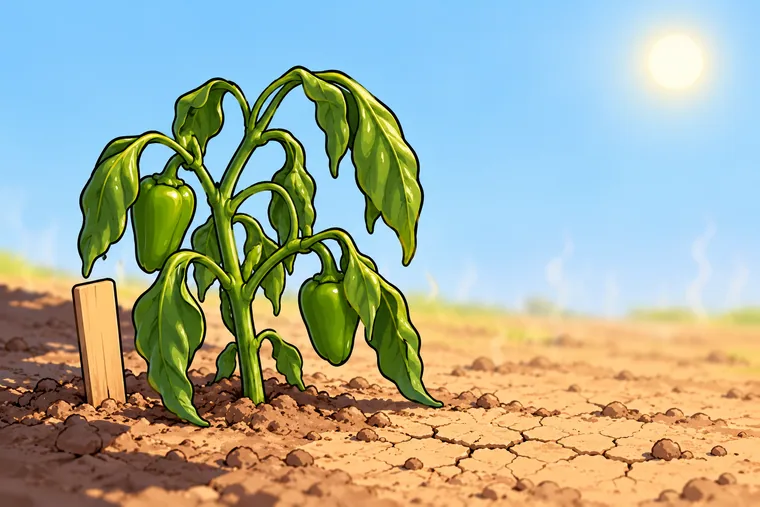
Pepper Plant Wilting, 8 Causes Sorted by the Soil Test
Dry soil, wet soil or a brown streak in the stem: three checks sort almost every droop.7 min read
Nothing matches this filter yet.
Pest control basics
Gentlest fix first
Start at step 1 and move up only if the pests come back.
- 1
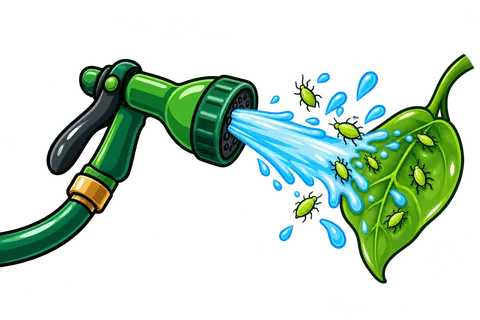 Water jetA strong jet of water knocks off aphids and holds spider mites down.1
- 2
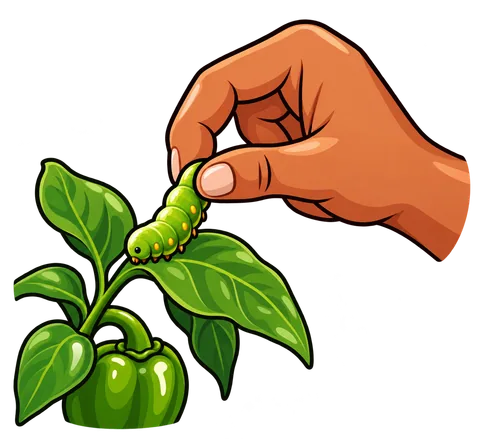 HandsHand-pick hornworms, prune out a small patch of aphids.12
- 3
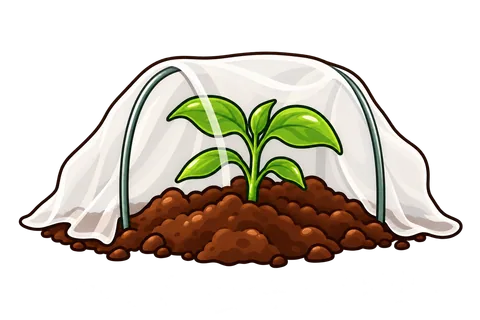 CoversRow covers keep flea beetles off seedlings; reflective mulch slows thrips.1
- 4
 Soap or oilInsecticidal soap or an oil such as neem, for aphids and mites that come back.Sources for this line1. PlantVillage, Penn State University2. Utah State University Extension3. UF/IFAS Extension (EDIS), Featured Creatures
- 5
 Targeted productBt for a heavy caterpillar attack, pyrethrin for pepper weevil.12
On this page
- 1Which bugs attack pepper plants, and what controls them?
- 2Is it a pest, a disease or the weather?
- 3Which pepper diseases can you name by the damage?
- 4How many years should peppers skip a bed?
- 5Which habits at the plant carry disease from one pepper to the next?
- 6What do resistant and tolerant mean on a seed packet?
- 7How do you keep pests off peppers?
- 8Before you spray anything
- 9Can a sick pepper plant recover?
Which bugs attack pepper plants, and what controls them?
Aphids, mites, flea beetles, caterpillars, pepper weevils and thrips are the pests extension guides name for peppers. For most of them your first fix costs nothing: a jet of water, your fingers or a row cover, with a spray only if that fails.
| Pest | What it does | First step | If that fails |
|---|---|---|---|
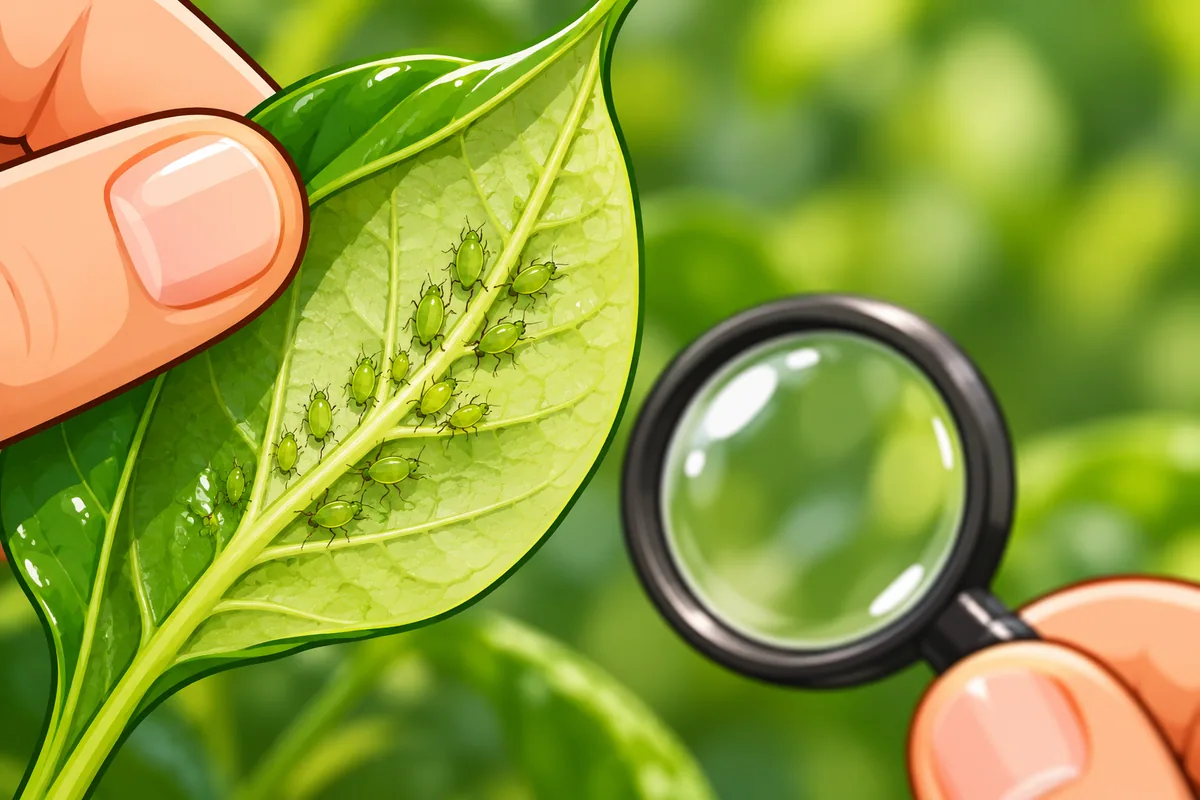
| Aphids12 | Cluster under leaves, leave honeydew, spread viruses | Prune out a light patch or knock them off with a strong jet of water | Insecticidal soap or an oil such as neem |
| Spider mites1 | Yellow stippling and webbing | A strong jet of water to hold numbers down | Insecticidal soap |
| Broad mites3 | New leaves turn down and coppery | A 10X lens to confirm | Insecticidal oils or soaps; predatory mites |
| Flea beetles12 | Small holes chewed in seedling leaves | Floating row covers early in the season | Neem oil or diatomaceous earth; insecticide dust at seeding or transplanting |
| Hornworms and fruitworms2 | Strip leaves and damage fruit | Hand-pick them | Bt for heavy infestations |
| Pepper weevil1 | Grubs feed inside buds and young fruit, which may drop | Pick up fallen fruit, remove nearby nightshades, clear the crop after harvest | Pyrethrin sprays |
| Thrips1 | Silvery, speckled leaves; damaged flowers; spread tomato spotted wilt virus | Reflective mulch early; keep peppers away from onions, garlic and cereals | An insecticide if needed |
No single pesticide is best for peppers; the right one depends on the pest you have. Penn State notes that many home-garden products give poor control of beet armyworm, so name the pest before you buy1. Neem oil sits on Penn State's list for aphids and flea beetles, after the gentler steps1, and Penn State asks you to check the product label for usage before you spray.
Size helps you name what you see on your plant. Penn State describes flea beetles as small dark beetles 1.5 to 3 mm long that jump when disturbed, and pepper weevil grubs as cream-white with brown heads, up to 1/4 inch long1.
Pepper Geek gives an overview of the common pepper plant pests and how to treat them, a good companion to the table above, though the first-step column stays the extension advice.
Is it a pest, a disease or the weather?
Often it is your weather. UC IPM says many vegetable symptoms that look like disease come from growing conditions: heat, cold, uneven water and the wrong soil pH or fertilizer5. Peppers drop flowers in hot spells and roll their leaves for no harmful reason at all67.
A symptom on every plant at once points to the weather; a symptom on one plant that spreads to its neighbors points to a pest or disease. UC IPM describes physiological leaf roll as showing on all plants, with no yellowing of new leaves and no stunting7, which is the clearest example of the first kind.
Something looks wrongNote where the damage sits
- Is it on every plant at once?Same signs, same day
- yesProbably the weather or the waterCheck last week's heat, cold and watering
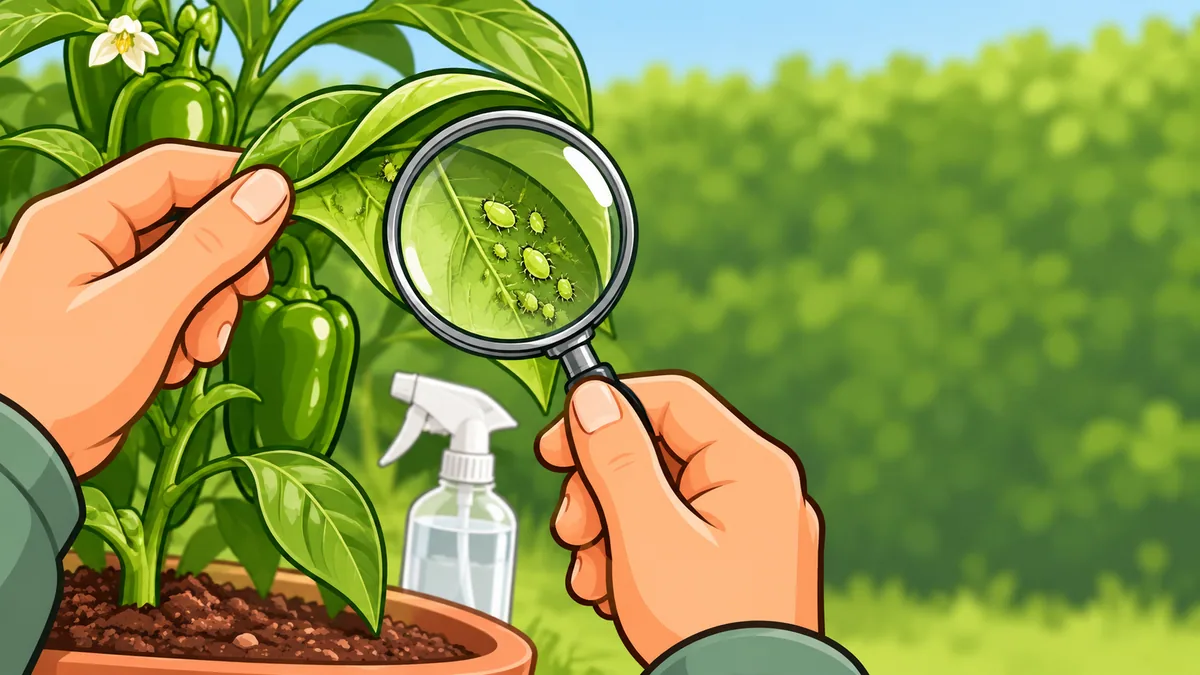
- noLook under the leavesAphids cluster there; use a 10X lens for mites
- foundYou find the pestStart the gentlest fix on the ladder
- nothingNo pest, and it spreadsPossible disease or virus; send a sample or photos
- found
- yes
Sources for this line2. Utah State University Extension3. UF/IFAS Extension (EDIS), Featured Creatures5. UC Statewide IPM Program, University of California6. University of Minnesota Extension7. UC Statewide IPM Program, University of California
Which pepper diseases can you name by the damage?
University of Wisconsin–Extension names four groups of disease that hit peppers, and each leaves a different mark on the plant8. Match the damage on yours, then read across to what helps.
| Disease | What you see | What favors it | What helps |
|---|---|---|---|
| Bacterial spot | Water-soaked brown spots with a yellow halo on leaves, stems and fruit; leaves may yellow overall as it spreads | Warm weather and splashing water; working among wet plants | Stay out of wet plants; rotate out of nightshades for at least 2 years; use treated seed |
| Anthracnose | Small, round, slightly sunken spots with rings on fruit; fruit gets it green but shows spots as it ripens | Warm weather with free water; fruit that touches soil | Mulch or stake fruit off the soil, water by drip, rotate for 2–3 years |
| Verticillium wilt | Older leaves yellow, often on one side; a cut stem shows dark brown inside | Soil-borne and long-lived; high soil moisture and heat | Rotate for 3–4 years; send a sample to your county extension office |
| Viruses (tobacco mosaic, cucumber mosaic, spotted wilt) | Mottled, twisted or strap-like leaves; stunted, bushy plants; uneven ripening and fewer, smaller fruit | Thrips carry spotted wilt, tobacco on hands carries tobacco mosaic, and weeds can host the viruses | No cure; pull the plant, clear weeds, start from clean seed |
The spots on leaves guide goes deeper on the bacterial kind, and the next sections cover the habits that stop all four.
How many years should peppers skip a bed?
Three or four years, in the same family. UMN tells you to plant peppers where you have not grown tomatoes, potatoes, peppers, eggplants or tomatillos for the past three or four years6. These crops share the nightshade family8, and bacterial spot and anthracnose hit both tomatoes and peppers.
A small garden with one sunny corner makes this hard. Pots help: UW–Madison notes that a pasteurized potting mix lowers the risk of soil-borne disease9, and the containers hub shows how to set one up.
Which habits at the plant carry disease from one pepper to the next?
Your hands, your timing and the plants you bring home. Each of these is a choice you make, and each has an extension source behind it.
- Stay out of the bed while the leaves are wet. UW–Extension says working in the field with wet plants speeds the spread of bacterial diseases.8
- If you use tobacco, wash your hands with soap and water before you touch pepper plants, and do not smoke while you work. Tobacco mosaic virus travels on hands.810
- Look over any purchased transplant for leaf spots and stem cankers before you buy it. Bacterial diseases travel on transplants.610
- Pull a plant with a virus, and keep broadleaf weeds out of the bed.611
What do resistant and tolerant mean on a seed packet?
A resistant variety does not get the disease, and a tolerant one does but suffers less. UMN defines the difference this way: a tolerant plant becomes diseased, but the disease spreads more slowly and the infection stays milder6. Seed catalogs print codes next to each variety to show which diseases it resists or tolerates, and some garden centers put the same codes on their signs.
Look for the code that matches the disease you already had. UMN suggests picking a resistant or tolerant variety for any disease you have identified in your garden before. Resistance has limits for peppers: UW–Extension reports a few bacterial-spot-resistant cultivars that did not perform well in Wisconsin, and very few peppers resist Verticillium8.
How do you keep pests off peppers?
Most prevention happens before anything shows up. These are the habits the extension guides tie to fewer pests and diseases on your peppers.
- Check transplants for aphids before you plant them.1
- Cover young plants with a row cover early in the season, against flea beetles and the beet leafhopper that spreads curly top.112
- Water with drip lines on raised beds, and skip overhead watering late in the day.212
- Keep broadleaf weeds down and use a reflective mulch to delay virus spread by aphids.111
- Rotate where peppers grow from year to year; rotation and soil solarization reduce wilt diseases.2
- Clear crop debris and fallen fruit after harvest; Penn State does it against bacterial spot and pepper weevil.1
Before you spray anything
Check these first, at your own plant. Treating the wrong cause costs you a week, and some sprays make your problem worse.
- Look under the leaves. Aphids feed on the undersides and leave them shiny or sticky.2
- Use a 10X hand lens for anything you cannot see. Broad mites are about 0.2 mm long.3
- Check the weather of the past week: heat, cold snaps and dry spells cause many of the same signs.5
- Think twice before a broad insecticide for mites. Some kill the mites' natural enemies and let the mites build up.1
- Not sure? UMN suggests a sample to a plant disease clinic or photos to a Master Gardener.6
Can a sick pepper plant recover?
Most can, if the cause was weather, water or a pest you caught early. Leaf roll does no harm and needs no action7, and Utah State says better watering and feeding reduce blossom-end rot2. For a plant that wilts in wet soil, your first step is to hold the water until the top of the soil dries13.
Prevention beats any spray here. Even watering, light feeding and a weekly look under your leaves stop most of the problems in the diagnosis table before they start, and the care calendar lays those jobs out by stage.
Your two most common leaf complaints have their own guides: curling leaves and yellow leaves each go through every cause, from weather to pests.
Quick answers
Quick answers
What is eating holes in my pepper leaves?
On seedlings, small round holes point to flea beetles; a floating row cover early in the season keeps them off. On bigger plants, tomato hornworms strip leaves and chew into the pods, and you can pick them off by hand.26
What does an overwatered pepper plant look like?
It wilts, its leaves yellow and drop, and the edges can look scorched, all while the soil is still wet. That wet soil is what tells it apart from a thirsty plant.13
Does neem oil work on pepper pests?
Penn State lists neem oil for aphids and flea beetles, after the gentler steps: a jet of water for aphids and row covers for flea beetles. Name the pest first, because no single spray fits every one.1
Should I pull a pepper plant with a virus?
Yes. A virus-infected pepper cannot be cured, stays unproductive and can pass the virus to healthy plants nearby.6
More in Grow
The newest from Grow
-
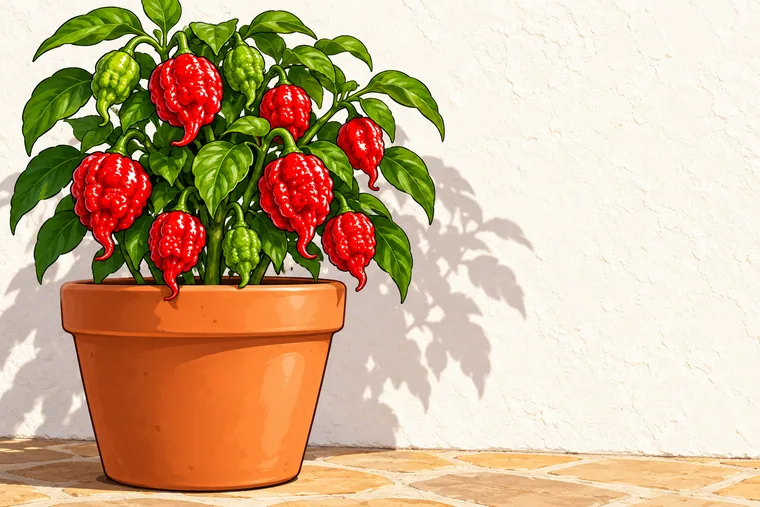
How to Grow Carolina Reapers, Seed to Ripe Pod
A C. chinense on the longest clock in the garden.Oct 18, 2026 · Guide -
Best Fertilizer for Peppers and the 4- and 8-Week Feeds
A soil test, a starter feed and two light side-dressings.Oct 18, 2026 · Guide -
Pepper Plant Leaves Curling? 6 Causes and the Fix
Which way the leaf curls, and what sits under it, tells you the cause.Oct 18, 2026 · Guide -
Pepper Plant Spacing, 18 Inches Apart in Rows and Beds
18 inches is the middle; your bed, your summer and your variety move it.Oct 18, 2026 · Guide -
When to Plant Peppers, 2–3 Weeks After Your Last Frost
Three checks, one date to count from.Oct 18, 2026 · Guide -
Pepper Plant Leaves Turning Yellow? 8 Causes and Fixes
Where the yellow starts tells you more than the yellow itself.Oct 18, 2026 · Guide
Sources
· 17
- 1PlantVillage, Penn State University Chilli Pepper
- 2Utah State University Extension How to Grow Peppers in Your Garden
- 3UF/IFAS Extension (EDIS), Featured Creatures EENY-183/IN340: Broad Mite, Polyphagotarsonemus latus (Thomas R. Fasulo)
- 4Pepper Geek Common Pepper Plant Pests (And How To Treat Them)
- 5UC Statewide IPM Program, University of California Common Environmental Disorders of Vegetables
- 6University of Minnesota Extension Growing peppers (Marissa Schuh, Cindy Tong)
- 7UC Statewide IPM Program, University of California Physiological Leaf Roll in Vegetables
- 8University of Wisconsin-Extension, Cooperative Extension A3687: Growing Tomatoes, Peppers, and Eggplants in Wisconsin (K. A. Delahaut, A. C. Newenhouse)
- 9University of Wisconsin–Madison Extension Growing Vegetables in Containers (Patti Nagai, Vijai Pandian), XHT1278
- 10University of Illinois Extension Peppers (Home Vegetable Gardening)
- 11UC Statewide IPM Program, University of California Mosaic Viruses of Peppers and Eggplants
- 12New Mexico State University Cooperative Extension Service Guide H-240: Growing Chile Peppers in New Mexico Gardens
- 13Utah State University Extension, Utah Pests IPM Overwatering (Ornamental Pest Guide, abiotic disorders)
- 14University of Maryland Extension Nutrient Deficiency of Vegetable Plants
- 15University of Maryland Extension Growing Peppers in a Home Garden
- 16UF/IFAS Extension (EDIS) SP 103/VH021: Florida Vegetable Gardening Guide (Park-Brown, Saracino, Williams, Treadwell)
- 17UC Statewide IPM Program, University of California Phytophthora Root and Crown Rot on Peppers and Eggplant
Coming soon
Your pocket pepper index.
Built from the same index as this site.
- Every entry offline
- Compare any two peppers
- Keep a list of peppers you have tried