
How to Grow Peppers From Seed to Harvest
One calendar, counted from your last spring frost.
All growing guides
-
 Care
Pepper Plant Care by Stage, 1–2 Inches of Water a Week
What the plant needs changes as it grows, so the jobs do too.6 min read -
 By pepper
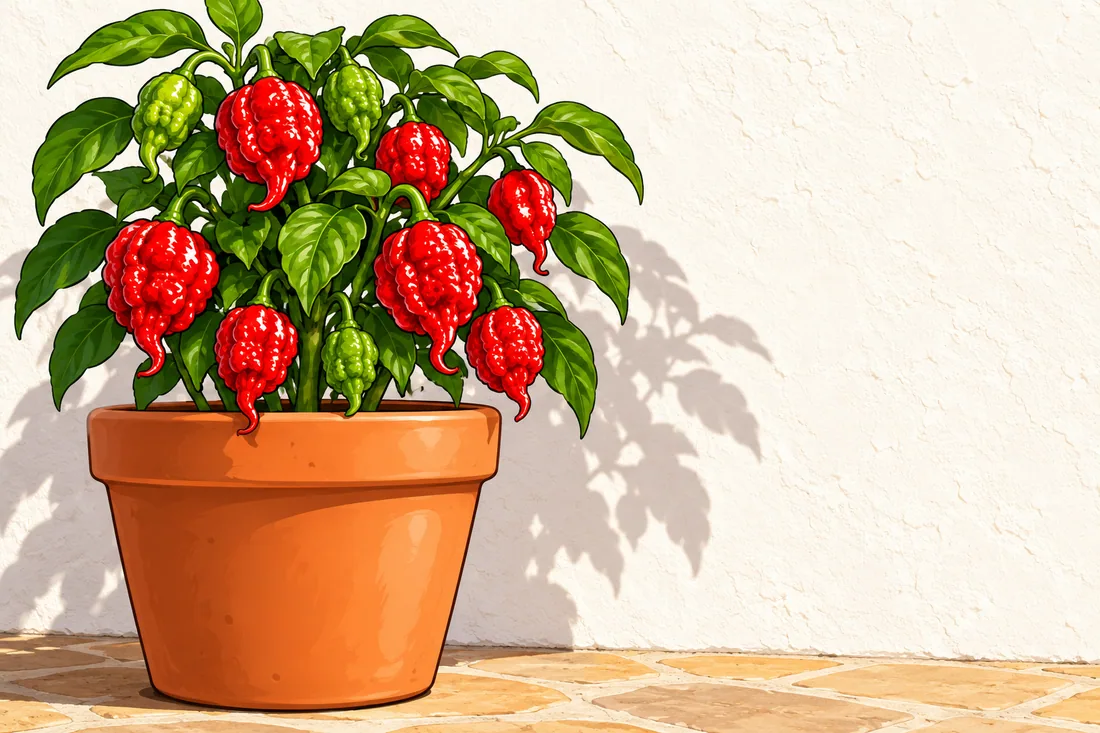
How to Grow Carolina Reapers, Seed to Ripe Pod
A C. chinense on the longest clock in the garden.9 min read -
 Climate
Pepper Growing Zones and the 50°F Nights That Matter More
Winter cold sets your zone; spring frost and summer heat set your season.6 min read -
 Containers
Growing Peppers in Pots of 5 Gallons or More
A 5-gallon pot, a bag of mix and a sunny spot.7 min read -
 Care
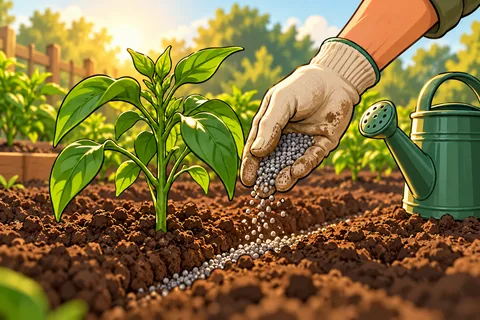
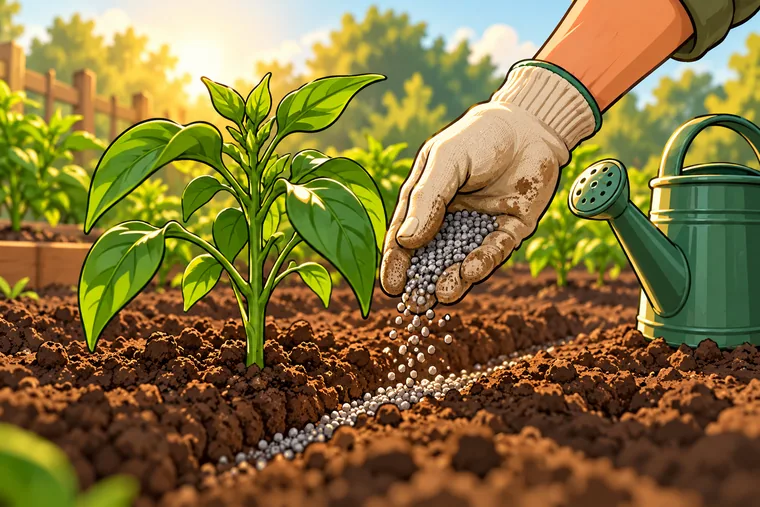
Best Fertilizer for Peppers and the 4- and 8-Week Feeds
A soil test, a starter feed and two light side-dressings.9 min read -
 By pepper
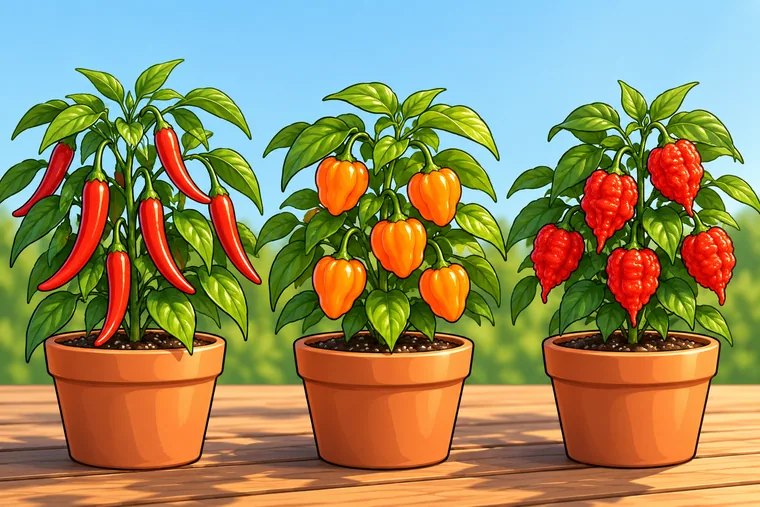
Hot Pepper Plants, 70–120 Days to Harvest by Variety
Same care, different clocks: species sets how long you wait.6 min read -
 Pests and diseases
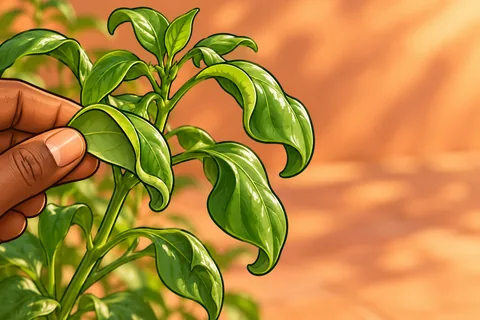
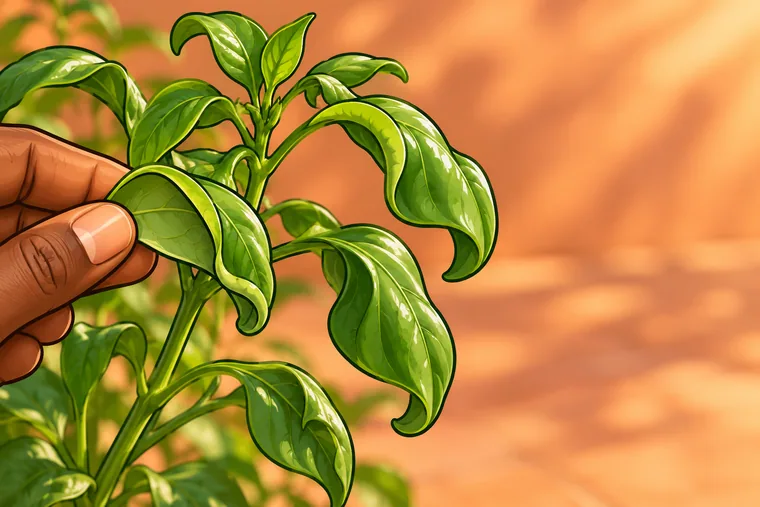
Pepper Plant Leaves Curling? 6 Causes and the Fix
Which way the leaf curls, and what sits under it, tells you the cause.8 min read -
 Pests and diseases
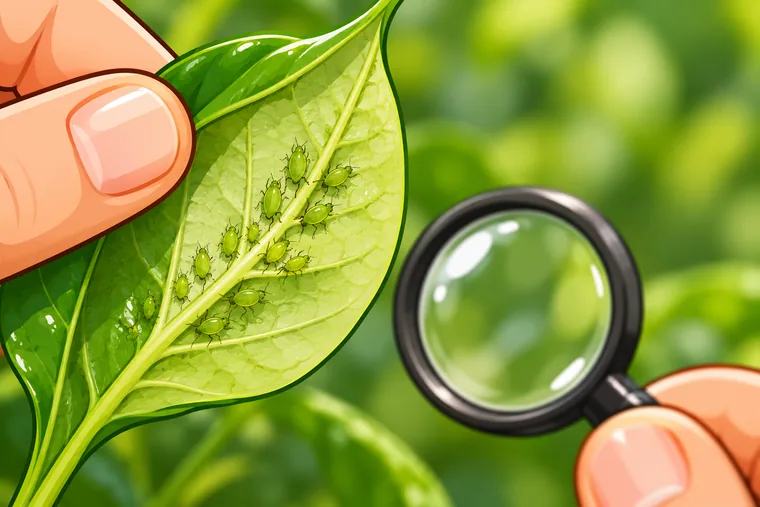
Pepper Plant Problems, Pests and Diseases by 11 Symptoms
Start from the symptom, not the bug.4 min read -
 Care
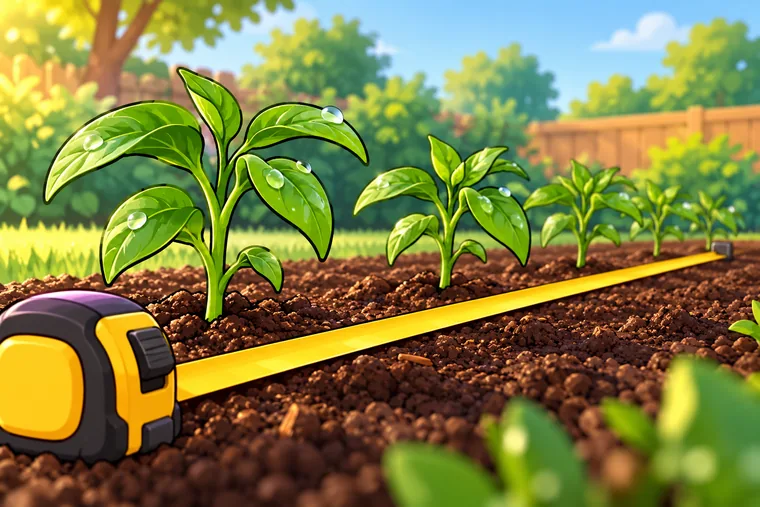
Pepper Plant Spacing, 18 Inches Apart in Rows and Beds
18 inches is the middle; your bed, your summer and your variety move it.8 min read -
 Climate
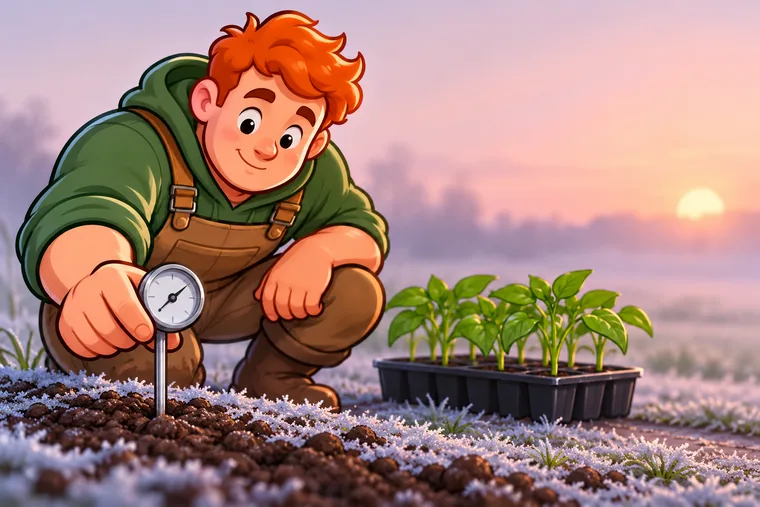
When to Plant Peppers, 2–3 Weeks After Your Last Frost
Three checks, one date to count from.8 min read -
 Pests and diseases
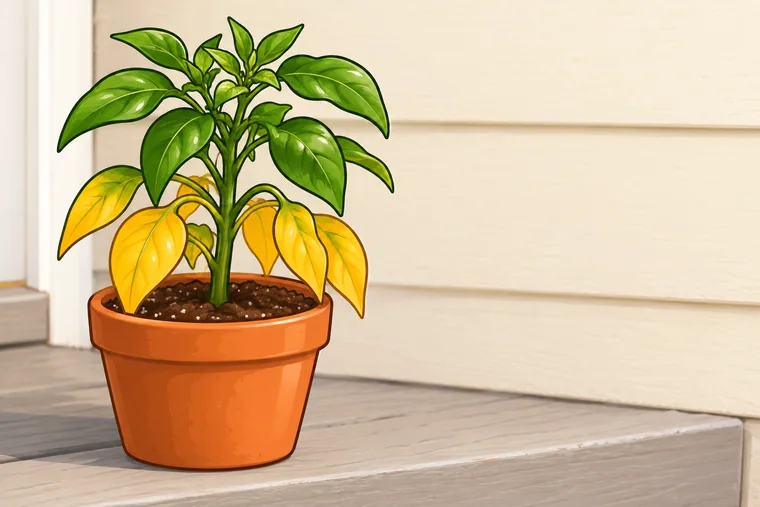
Pepper Plant Leaves Turning Yellow? 8 Causes and Fixes
Where the yellow starts tells you more than the yellow itself.9 min read -
 Containers
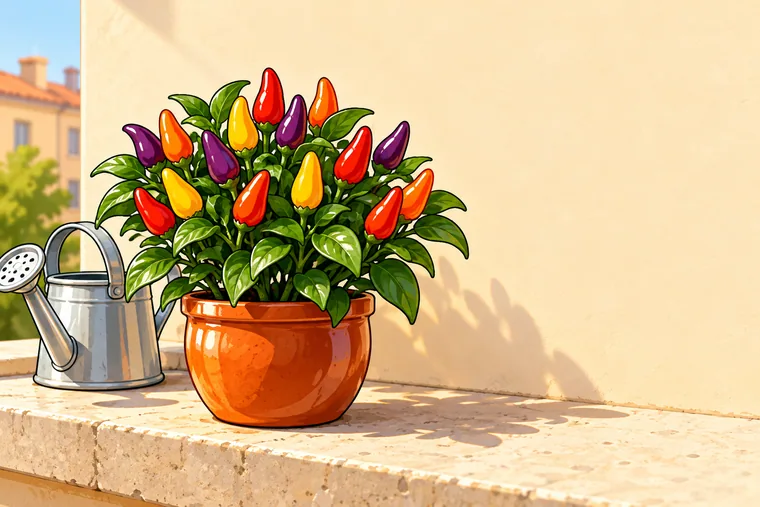
Best Peppers to Grow in Containers, 11 Compact Picks
Small plant, upright habit, slim pods: the three things that make a pepper easy in a pot.8 min read -
 Containers
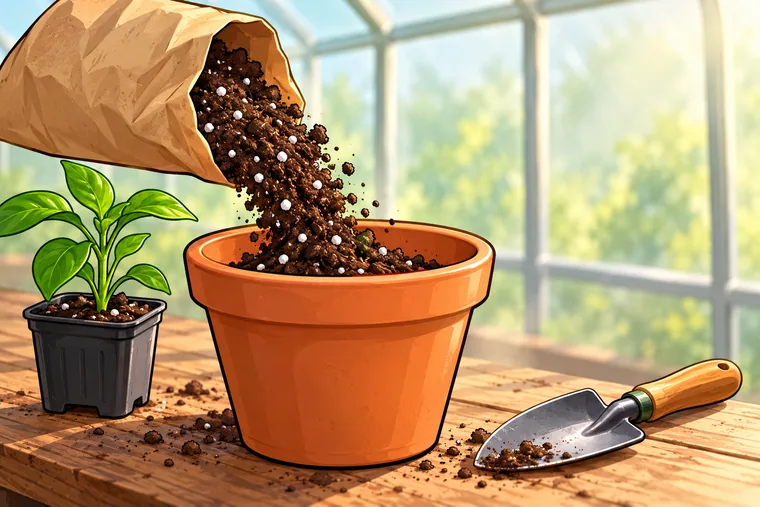
Best Soil for Pepper Plants, pH 6.0–7.0 and a Mix by Spot
Light mix in a pot, raised and amended in heavy ground, tested before you lime.9 min read -
 Containers
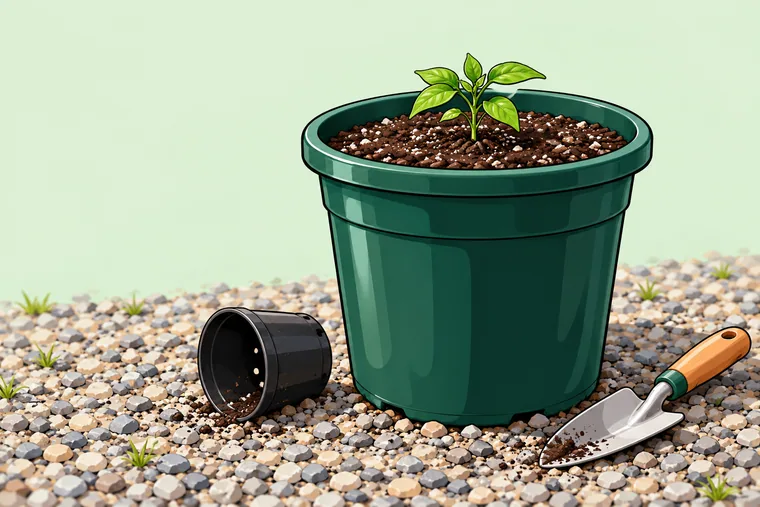
Container Size for Pepper Plants, 3 to 10 Gallons by Type
Match the pot to the grown plant, not to the seedling you bring home.9 min read -
 Harvest
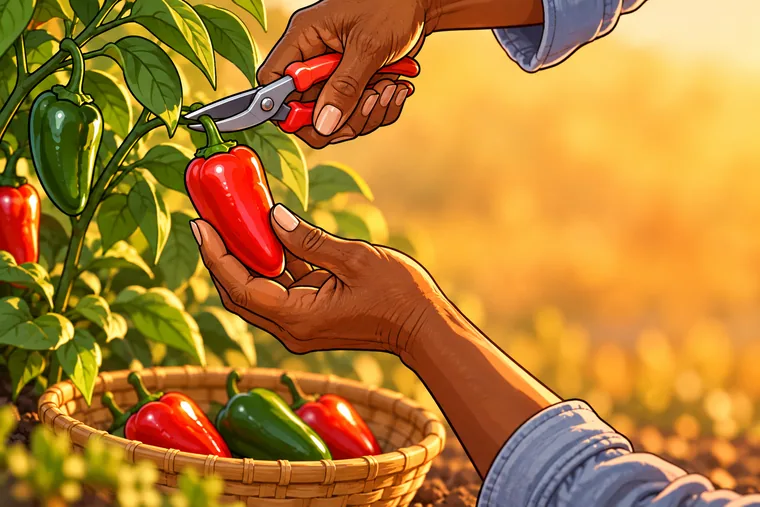
When to Pick Peppers, 35–45 Days From Flower to Color
Full size and firm is ready. Color is your choice, and it costs you weeks.7 min read -
 Pests and diseases
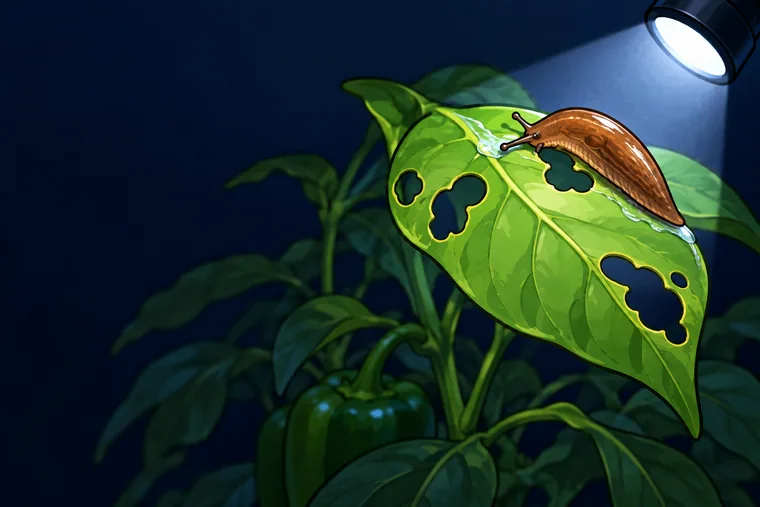
Holes in Pepper Plant Leaves, 6 Pests by Hole Pattern
The shape of the hole and the hour you find it name the pest.8 min read -
 Care
Pepper Growing Mistakes, 17 Fixes From Seed to Harvest
Most of them happen in spring, weeks before the first pepper shows.9 min read -
 Pests and diseases
Pepper Plant Not Producing Fruit? 9 Causes and Fixes
Most fruitless plants are waiting out the weather. A few are being fed the wrong thing.9 min read -
 Pests and diseases
Overwatering Pepper Plants, Signs and a 5-Step Fix
A drooping pepper in wet soil needs less water, not more.8 min read -
 Seed starting
Growing Peppers From Seed, 8–10 Weeks Before Your Frost
Count back from your last frost, keep the mix warm, and the rest follows a calendar.6 min read -
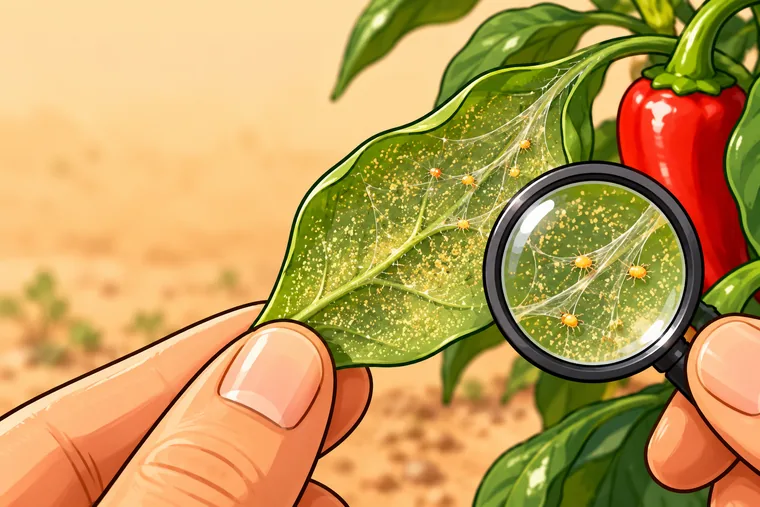 Pests and diseases
Spider Mites on Pepper Plants, Found and Fixed in 6 Steps
Pale speckles on top, fine silk underneath, and a dry, dusty week behind it.7 min read -
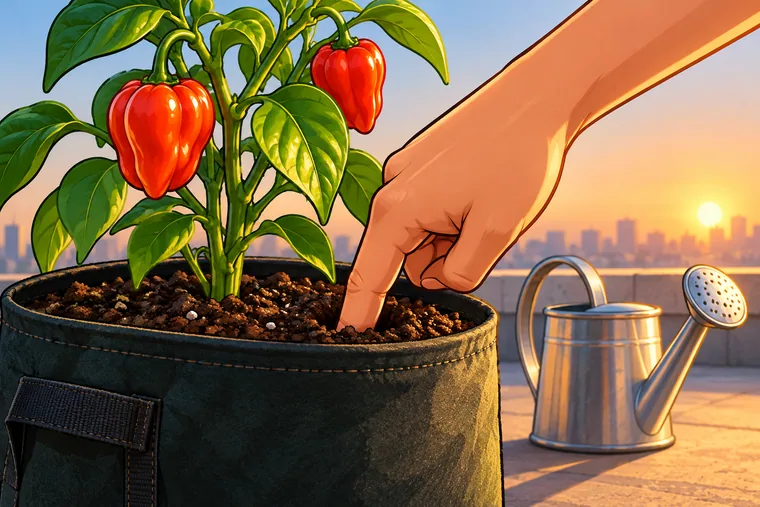 Care
How Often to Water Pepper Plants, 1–2 Inches a Week
Deep and not often in a bed, every day in a summer pot, and always by the feel of the soil.8 min read -
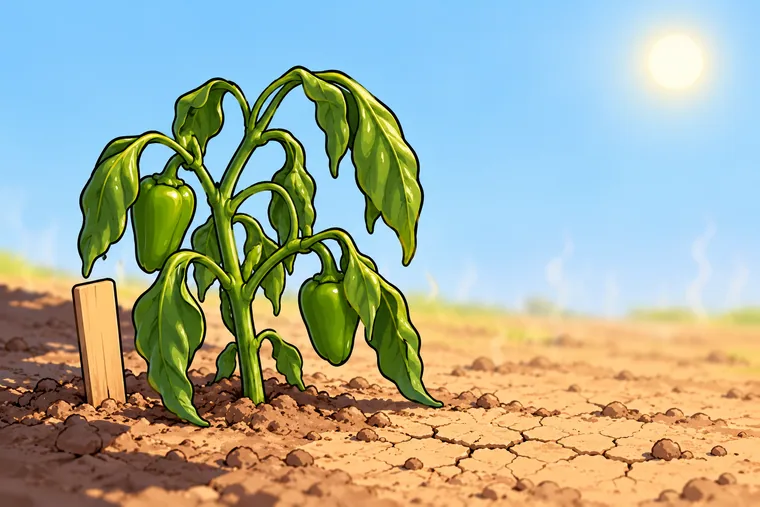 Pests and diseases
Pepper Plant Wilting, 8 Causes Sorted by the Soil Test
Dry soil, wet soil or a brown streak in the stem: three checks sort almost every droop.7 min read
Nothing matches this filter yet.
 Anaheim80 days green, 120+ red
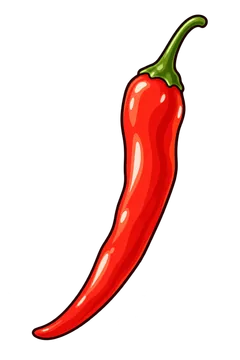 Cayenne70–85 days
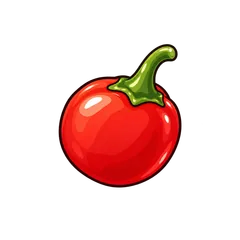 Cherry85 days
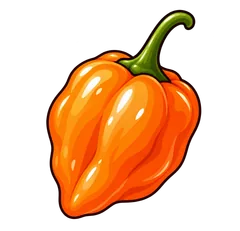 Habanero90–120 days
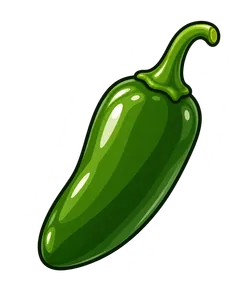 Jalapeño75–85 days
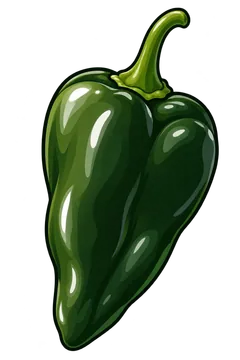 Poblano75–80 days
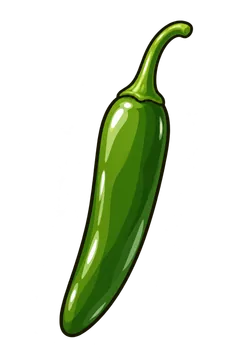 Serrano70–85 days
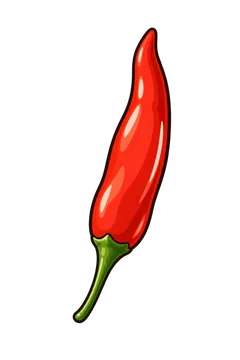 Thai chili70–85 days
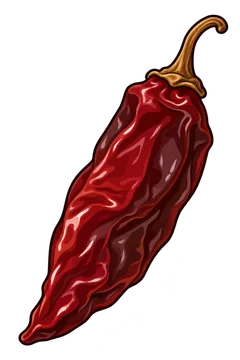 Aji panca149–189 days
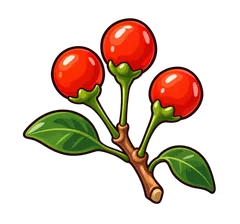 Chiltepin6–10 months
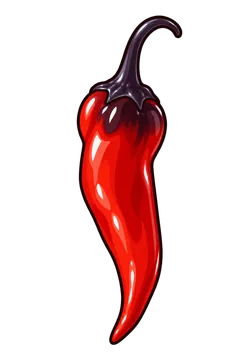 Count dracula95 days
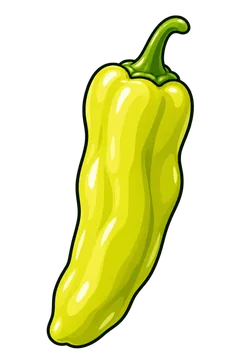 Cubanelle70–85 days
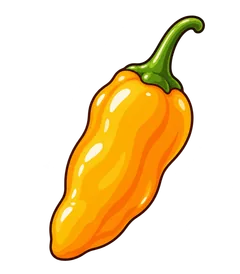 Datil≈150 days
 Guindilla≈ 70 days
 Gypsy55–65 days
 Scotch bonnetAbout 84 days
 Siling labuyo90+ days
Days to harvest as each entry's source publishes them. Sources on each entry page.
-
Pests and diseases
Holes in Pepper Plant Leaves, 6 Pests by Hole Pattern
The shape of the hole and the hour you find it name the pest.8 min read -
Pests and diseases
Spider Mites on Pepper Plants, Found and Fixed in 6 Steps
Pale speckles on top, fine silk underneath, and a dry, dusty week behind it.7 min read -
Pests and diseases
Pepper Plant Wilting, 8 Causes Sorted by the Soil Test
Dry soil, wet soil or a brown streak in the stem: three checks sort almost every droop.7 min read
-
Care
Best Fertilizer for Peppers and the 4- and 8-Week Feeds
A soil test, a starter feed and two light side-dressings.9 min read -
Care
Pepper Plant Spacing, 18 Inches Apart in Rows and Beds
18 inches is the middle; your bed, your summer and your variety move it.8 min read -
Care
Pepper Growing Mistakes, 17 Fixes From Seed to Harvest
Most of them happen in spring, weeks before the first pepper shows.9 min read -
Care
How Often to Water Pepper Plants, 1–2 Inches a Week
Deep and not often in a bed, every day in a summer pot, and always by the feel of the soil.8 min read
All Grow topics
- CareWhat the plant needs changes as it grows, so the jobs do too.4 pages
- ClimateWinter cold sets your zone; spring frost and summer heat set your season.1 page
- ContainersA 5-gallon pot, a bag of mix and a sunny spot.3 pages
- By pepperSame care, different clocks: species sets how long you wait.1 page
- Pests and diseasesStart from the symptom, not the bug.7 pages
- HarvestFull size and firm is ready. Color is your choice, and it costs you weeks.
- Seed startingCount back from your last frost, keep the mix warm, and the rest follows a calendar.
On this page
- 1How long do peppers take to grow?
- 2Should you start from seed or buy transplants?
- 3What does a pepper plant need?
- 4How do you prepare the bed?
- 5When and how do you plant peppers out?
- 6How do you feed and water peppers through summer?
- 7Can you grow peppers in pots?
- 8Why do pepper plants stop setting fruit?
- 9When and how do you harvest?
- 10Which peppers should you grow first?
- 11What does each stage of the season ask you to do?
- 12Which pepper problem are you looking at?
- 13How many plants and how much bed does your household need?
How long do peppers take to grow?
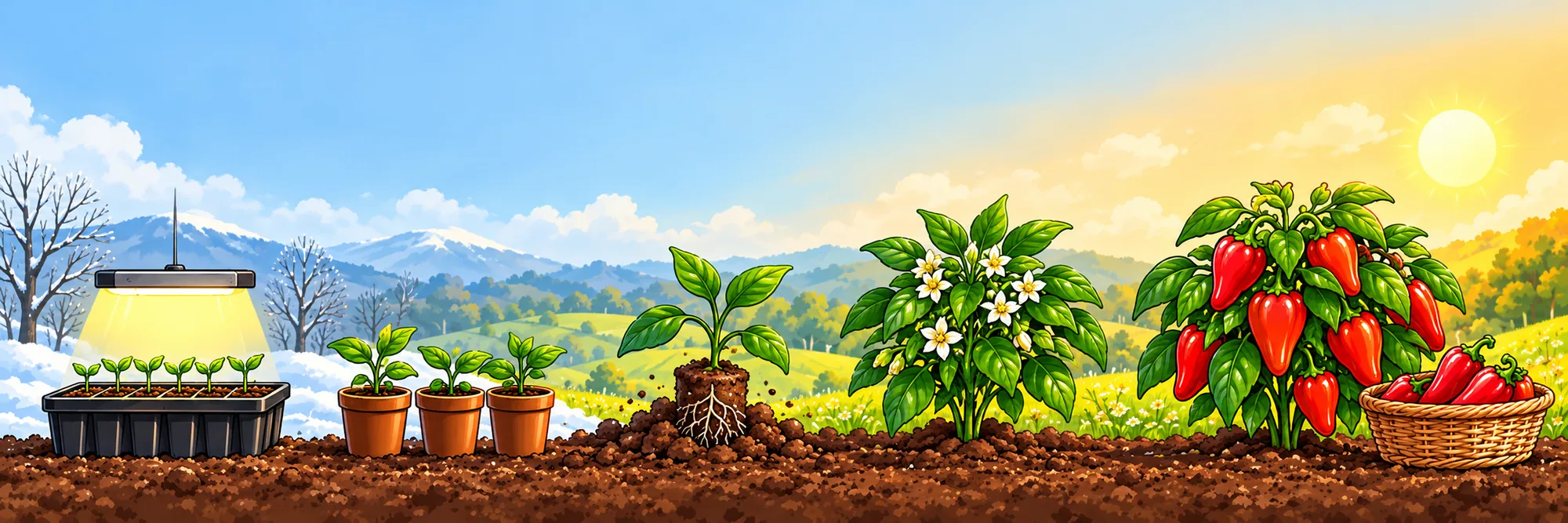
From seed to the first ripe pod, plan on about 20 to 25 weeks for most peppers and 23 to 30 weeks for habanero types. Your seedlings spend 8 to 10 weeks indoors, wait 2 to 3 weeks past the last frost2, then most varieties ripen 70 to 85 days after you plant them out1.
With a last frost on April 20, a jalapeño you sow in mid-February goes out in early May and gives its first pods from mid-July, while a habanero sown the same week can run into early September. Habanero types need three to five more weeks of warm weather than the rest, so they set your sowing date. Once a flower opens, the pod takes another 35 to 45 days to reach full color4.
- Sow indoors8 to 10 weeks before your last frost
- Harden off7 to 10 days outside in the shade first
- Plant outSoil at 60°F or more, nights above 50°F
- Water and feed1 to 2 inches a week; nitrogen at 4 and 8 weeks
- Pick70 to 85 days after planting out for most types
- Last pick before frostThen count back to next year's sowing date
- Back to Sow indoors
Sources for this line1. University of Maryland Extension2. PlantVillage, Penn State University3. University of Minnesota Extension4. Utah State University Extension
Should you start from seed or buy transplants?
Buy plants if you want the easy start; sow seed if you want a particular pepper. Utah State says transplants mature about 4 weeks before seeded peppers and suits them to cooler areas, and it notes that garden centers often carry a limited selection, so for a specific variety you grow your own transplants from seed4.
Seed starting takes a heat mat, a light and about ten weeks of attention. The seed-starting hub counts the weeks back from your frost date and shows how warm the mix has to be. If you buy plants, Utah State looks for 6 to 9 mature leaves and a well-developed root system, and pulls off any flowers or fruit before planting, because transplants carrying them establish slowly and yield poorly4.
What does a pepper plant need?
Full sun, warm soil, steady water and room for its roots. Peppers grow best between 65 and 86°F2, stall in cold soil and drop flowers in long hot spells, so most of your work is timing the plant into its comfortable months.
Sources agree on the broad shape and differ a little on the numbers, so the table shows each one's figure.
The soil numbers differ by 5°F. Planting at 60°F is your floor; at 65°F the plants start growing right away instead of waiting1. Your zone number matters less than you might think, since it measures winter cold; the climate hub shows the temperatures that do decide your season.
How do you prepare the bed?
Test your soil first, then add only what the test asks for. Utah State works any fertilizer the soil test calls for into the top 6 inches, and caps compost at 1 inch of well-rotted material per 100 square feet4. Peppers do not tolerate waterlogged soil, so Penn State plants them in well-drained ground or a raised bed2.
Pick the sunniest bed you have, even if it is not your favorite spot. UC IPM keeps vegetables away from the shade of trees, fences and walls, away from lawn sprinklers and away from ground that had disease problems before5.
When and how do you plant peppers out?
Once the soil reads at least 60°F and nights stay above 50°F, about 2 to 3 weeks after your last frost23. The guide to when to plant peppers turns your frost date into the exact week.
- 1
Plant in the early evening
New Mexico State transplants in the early evening to cut transplant shock, and waters right after.6
- 2
Space them out
About 18 inches apart in the row, with rows 18 to 24 inches apart.4
- 3
Strip any flowers
Transplants carrying flowers or fruit establish slowly and yield poorly, so pick them off.4
- 4
Put the cage in now
Pepper stems turn brittle as the plant grows, so set cages or short trellises at planting.1
Spacing changes with your bed and your summer, and the pepper plant spacing guide sorts the published gaps from 12 to 24 inches1.
How do you feed and water peppers through summer?
Water deep and on a schedule, feed small and on time. Utah State gives 1 to 2 inches of water a week and side-dresses each plant with 1/4 tablespoon of 21-0-0 at 4 and 8 weeks after transplanting4. The care calendar lays every job out by growth stage, and the fertilizer guide covers which bag to buy.
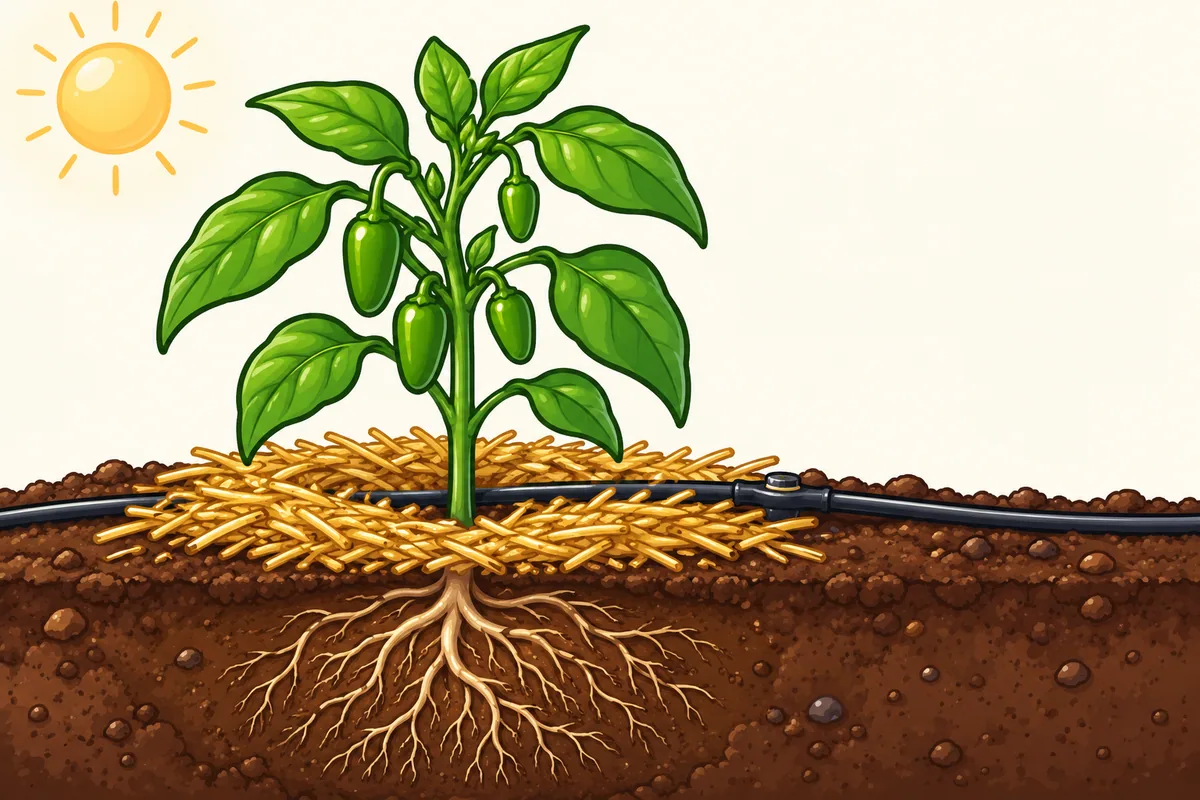
Uneven watering is the costly mistake. Utah State says too much or too little causes flower drop and blossom-end rot4, so a drip line or a soaker hose, which Maryland rates excellent for peppers, is worth setting up1.
Can you grow peppers in pots?
Yes, in a pot of at least 5 gallons with a drainage hole. UMD Extension sets 5 gallons as the minimum1, and UW–Madison Extension adds a depth of 12 to 18 inches and daily watering once plants are big and fruiting7. The hub on growing peppers in pots works out how much mix to buy and which compact varieties to pick.
Why do pepper plants stop setting fruit?
Heat, dry soil and too much nitrogen are the three causes extension services name most. Check your plant against each one before you change anything.
- Hot nights. Evenings above 75°F slow or stop pod production, UMD says; a spray of water cools plants in hot, dry spells.1
- Dry or uneven soil. Dry spells cause blossom drop, small fruit and blossom-end rot.1
- Too much nitrogen. Plants turn bushy and leafy and bear late.3
- Heat above 100°F. UC IPM says it cuts pollination, fruit set and yield.5
Most stalls clear up when the weather turns. The pepper plant problems hub sorts the rest by what you see on the leaves, flowers and fruit.
When and how do you harvest?
Pick a pepper once it is full size and firm, green or fully colored. Utah State wants pods firm, plump and smooth-skinned, and Maryland cuts them off with snips instead of pulling, so the brittle branches do not break14. The harvest hub gives each pepper's days and ripe color, and whether waiting for red makes it hotter.
Keep picking once your first pods are ready. A plant left unharvested slows its flower and fruit production8, and fresh pods keep 1 to 2 weeks at 50 to 55°F4.
Which peppers should you grow first?
Start with what your season can ripen. Most sweet and hot types finish 70 to 85 days after planting out, while habanero types need 90 to 1201, so in your short summer a jalapeño or a cayenne is the safe first plant. The hot pepper plants hub compares the varieties by species, season and height.
A pepper is a tender perennial grown as an annual, UMD Extension says, so a favorite plant can carry on only if you bring it inside before the first frost1.
What does each stage of the season ask you to do?
Four stages, each with a short list. Find the one your plants are in, do the items, and skip the rest until later.
Before the plants go out
Planting day to first flowers
Bloom to harvest
The weeks before your first frost
- Start pinching new blossoms about 60 days before your first frost, so the plant spends its sugars on pods that can still ripen.9
- Before a killing frost, pull the whole plant and hang it upside down somewhere warm so the last pods ripen.1
- Gather mature green and slightly colored pods and keep them at 55°F.4
The fruit-set guide has the full count back from your frost date.
Which pepper problem are you looking at?
Match what you see to the guide that owns it. Each one starts with the cause that comes up most often and shows how to rule out the rest.
| What you see | Start with | Guide |
|---|---|---|
| Pale yellow leaves, lowest ones first | Nitrogen, soil pH or a pest under the leaf | Yellow leaves |
| A limp plant in wet soil | Roots short of air | Overwatering |
| A limp plant, soil moist, worse in the afternoon | Heat, then wilt diseases | Wilting |
| Fine pale dots on top, silk under the leaf | Spider mites | Spider mites |
| Leaves rolling or twisting | Heat, pests or virus | Curling leaves |
| Ragged holes in leaves | Chewing insects | Holes in leaves |
| Flowers but no pods | Weather, then feeding | No fruit |
| Unsure how much to water | Your setting and soil | Watering |
| Several small problems at once | The habits behind them | Growing mistakes |
If you cannot place your plant in the table, the pests and diseases hub sorts problems by the part of the plant they hit.
How many plants and how much bed does your household need?
Start from Utah State's rule of 3 to 4 plants per person for fresh eating, plus 5 to 10 more if you plan to pickle, can, dry or freeze4. Then give each plant 18 inches in the row and 18 to 24 inches between rows, which is 2.25 to 3 square feet each4.
| Household | Plants for fresh use | Bed space | Add for preserving |
|---|---|---|---|
| 1 person | 3–4 | 7–12 sq ft | 11–30 sq ft for 5–10 more plants |
| 2 people | 6–8 | 14–24 sq ft | 11–30 sq ft for 5–10 more plants |
| 4 people | 12–16 | 27–48 sq ft | 11–30 sq ft for 5–10 more plants |
A 4-by-8 bed is 32 square feet, so it fits a 2 person household that eats peppers fresh, or one person who also preserves a batch. For pots, count one plant per pot and give each pot 5 gallons or more1.
Quick answers
Can I sow pepper seeds straight into the garden?
You can where the season is long. Utah State Extension gives seeding 4 to 6 seeds half an inch deep about 2 weeks before the last frost, then thinning to one plant, but notes that transplants mature about 4 weeks sooner and suits cooler areas better.4
How often should I water pepper plants?
Aim for 1 to 2 inches a week, given deeply and not often, Utah State Extension says. UMN Extension adds a thorough soak at least once a week when rain falls short of an inch, and more often in sandy soil. Uneven watering can cause flower drop and blossom-end rot.34
Should I pick off the first pepper flowers?
On seedlings still indoors, yes: UMN Extension says to pinch off flower buds until just before you set the plants out. Utah State adds that transplants carrying flowers or fruit establish slowly and yield poorly, so remove them at planting.34
Do I have to wait for peppers to turn red?
No. UMN Extension says many varieties taste good green as well as ripe, jalapeños included. Utah State puts the wait from flower to full color at 35 to 45 days, depending on temperature and variety.34
Are hot peppers harder to grow than sweet ones?
No harder, only slower in the case of habanero types. UMD Extension gives most sweet and hot peppers 70 to 85 days from transplant and habanero types 90 to 120, and says planting sweet types next to hot ones will not make the sweet peppers hot.1
How many pepper plants do I need?
Utah State Extension suggests 3 or 4 plants per person for fresh eating, plus 5 to 10 more if you want to preserve some. UMD Extension expects 2 to 8 pounds of peppers from a 10-foot row.14
Do pepper plants come back every year?
Not outdoors where it freezes. UMD Extension calls the pepper a very tender warm-season perennial grown as an annual, and frost injures its top growth, so a plant only lives on if you bring it in before the first frost.1
Sources
· 9
- 1University of Maryland Extension Growing Peppers in a Home Garden
- 2PlantVillage, Penn State University Chilli Pepper
- 3University of Minnesota Extension Growing peppers (Marissa Schuh, Cindy Tong)
- 4Utah State University Extension How to Grow Peppers in Your Garden
- 5UC Statewide IPM Program, University of California Cultural Tips for Growing Peppers
- 6New Mexico State University Cooperative Extension Service Guide H-240: Growing Chile Peppers in New Mexico Gardens
- 7University of Wisconsin–Madison Extension Growing Vegetables in Containers (Patti Nagai, Vijai Pandian), XHT1278
- 8University of Maryland Extension Poor Blossom and Fruit Set in Vegetables
- 9Ask Extension (Extension.org), answer by D. Lauer, Benton County Master Gardener, Oregon State University Extension When should I pinch off new pepper blossoms before frost?
Your pocket pepper index.
Built from the same index as this site.
- Every entry offline
- Compare any two peppers
- Keep a list of peppers you have tried