
Hot Pepper Plants, 70–120 Days to Harvest by Variety
Same care, different clocks: species sets how long you wait.
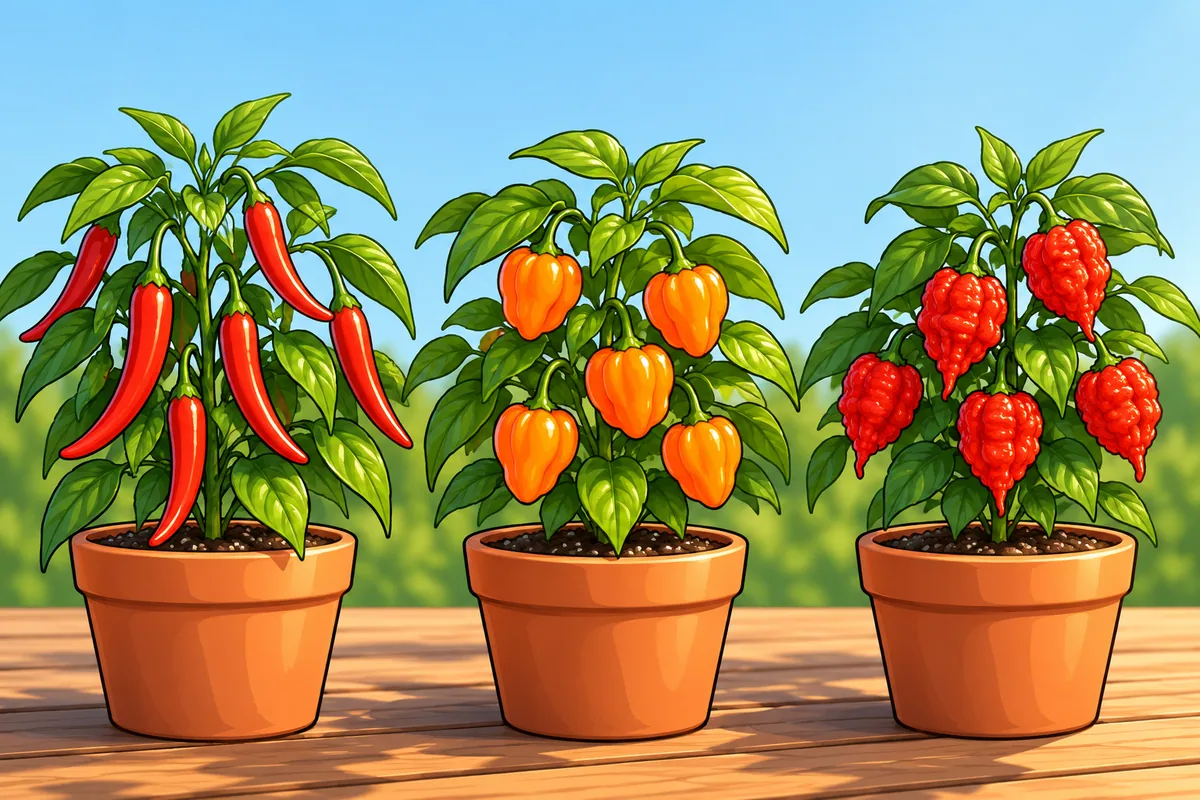
Grow hot peppers like any pepper; the C. chinense types (habanero, Scotch bonnet, ghost, Reaper) need the longest warm season.
- Most sweet and hot types: 70–85 days from transplant; habanero types: 90–120
- Wear gloves to pick: even sweet peppers can carry enough capsaicin to irritate skin
Season and size by variety
Days as each source counts them: from transplant or from germination, never mixed. Height bars run to 6 feet.
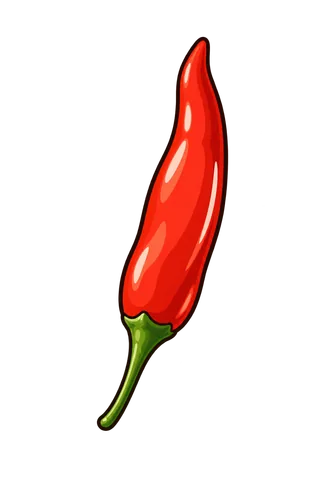 Thai chiliC. annuum
- Season
- Not published by name
- Height
- Up to 6 feet
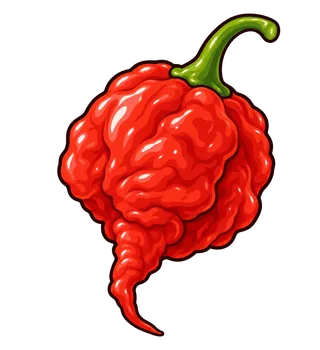 Carolina ReaperC. chinense
- Season
- Plan on 90–120 days from transplant (group figure)
- Height
- 36–48 inches, per one seed seller
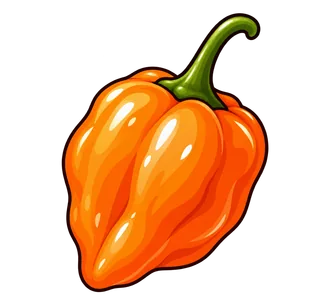
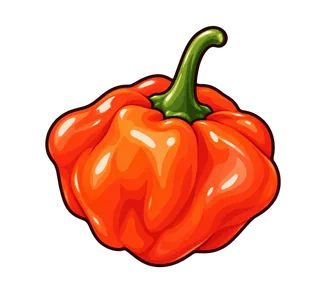
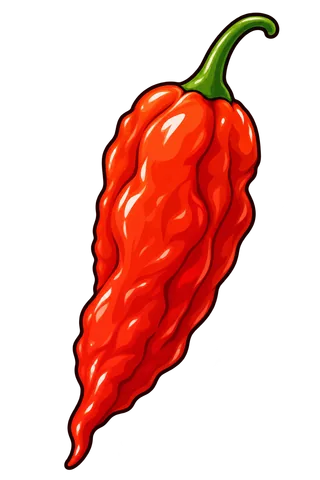
Nothing matches this filter yet.
The species sets the clock
Published season lengths in days. Habanero-type peppers need about a month more than most others.
Hot peppers extension services suggest
Each state picks varieties that do well in its own climate.
Florida2
- Early Jalapeño
- Jalapeño M
- Cherry Bomb
- Hungarian Hot Wax
- Big Chile II
- Mariachi
- NuMex
- Ancho
- Thai
- Anaheim Chile
- Long Cayenne
- Habanero
- Caribbean Red Habanero
Utah8
- Anaheim
- Ancho
- Early Jalapeño
- Hungarian Yellow Wax
- Habanero
- Long Thin Cayenne
- NuMex Big Jim
- Serrano Hot
- Slim Jim
California17
- Anaheim
- cayenne
- jalapeño
- serrano
Wisconsin, for containers6
- Cayennetta
- Mariachi
- Red Chili
On this page
- 1How long do hot pepper plants take?
- 2Why do some hot peppers take so long?
- 3Which hot pepper should you grow first?
- 4How much room does a hot pepper plant need?
- 5Which hot peppers grow well where you live?
- 6Do soil and weather change how hot peppers grow?
- 7Which hot pepper species copes best with your summer?
- 8Do hot pepper plants need different care?
- 9Are hot pepper plants perennials, and what does that change?
- 10Where does a hot pod keep its heat?
- 11What goes wrong with hot pepper plants?
How long do hot pepper plants take?
From transplant to the first ripe pod, most hot peppers take 70 to 85 days and habanero types 90 to 1201. The pod tiles at the top of the page give each variety's species, the season figure its source publishes and its height where the source gives one. Where no figure exists for that pepper by name, the tile says which group figure applies.
Seasons counted from germination run longer than the same plant counted from transplant, so compare like with like. UF/IFAS shows the gap for peppers in general: 90–100 days from seed, 65–75 from transplant2. Sweet bells sit at the slow end of their group too: UMD gives them 2 to 3 extra weeks to ripen fully1.
Here is what that means on your calendar. If you plant out on June 1, a jalapeño on the 70–85 day clock gives its first pods between August 10 and August 25, while a Carolina Reaper on the 90–120 day clock lands between August 30 and September 291. In a garden where frost comes in late September, that second window is a gamble.
Why do some hot peppers take so long?
The species sets the clock. Habanero, Scotch bonnet and the Reaper all belong to Capsicum chinense34, and UMD puts habanero types at 90 to 120 days from transplant against 70 to 85 for most other peppers1.
- Capsicum annuumJalapeño, serrano, poblano, cayenne, Thai: 70–85 days from transplant
- Start on the usual date8 to 10 weeks before your last frost
- Capsicum frutescensTabasco: about 80 days after germination
- Start on the usual date8 to 10 weeks before your last frost
- Capsicum chinenseHabanero, Scotch bonnet, Reaper: 90–120 days from transplant
- Start these firstUp to 12 weeks before, and give them your warmest spot
Sources for this line1. University of Maryland Extension3. University of Florida IFAS Extension4. PhytoKeys 200:1-423 (Pensoft, peer-reviewed)
If your summer is short, the chinense peppers are the ones to start first and give the warmest spot. Maryland gives slow types a 12-week indoor start instead of the usual 8 to 101. UMN Extension adds that smaller-fruited peppers cope better with both cool and hot weather than big bells5, which works in favor of most hot types.
Which hot pepper should you grow first?
Pick by your season, your space and how hot you want to go. The table matches each of those to a pepper with a published reason behind it.
| If you have | Grow | Why |
|---|---|---|
| A short summer1 | Jalapeño or cayenne | Annuum types ripen 70–85 days from transplant, weeks ahead of habaneros |
| A hot, humid summer3 | Habanero, cayenne or serrano | UF/IFAS says each does well in hot weather in south Florida |
| Only a balcony6 | Cayennetta, Mariachi or Red Chili | The three hot peppers on UW–Madison's container list |
| Plenty of room3 | Serrano or Thai chili | Serrano reaches 5 feet and Thai up to 6 feet |
| Alkaline soil3 | Serrano | It grows well at pH 7.0–8.5 |
| A long season and patience1 | Habanero, Scotch bonnet or a superhot | Chinense types need 90–120 days from transplant |
For a first year, a cayenne or a jalapeño is the safe bet: they ripen on the short clock and UF/IFAS says cayenne handles hot, humid weather too3. Move up to a habanero once you know your season can carry a 90-day plant.
How much room does a hot pepper plant need?
More than the seedling suggests, because some hot types grow as tall as you. UF/IFAS gives cayenne 2 to 4 feet, Tabasco about 60 inches, serrano up to 5 feet and Thai chili up to 6 feet3; the height bars on the pod tiles draw those figures to scale.
Spacing follows the usual pepper rules. Penn State sets plants 12 to 18 inches apart in rows 24 to 30 inches wide7, and Maryland gives 12 to 24 inches in the row1. Use the wide end for a serrano or a Thai plant, and put a cage in at planting: Maryland says pepper stems turn brittle and need cages or short trellises once the plants get bushy1.
Which hot peppers grow well where you live?
Pick from your own state's list where one exists; extension services choose varieties that do well in their climate. Jalapeño and cayenne types show up on all three state garden lists in the state band on this page.
You may have to grow your own transplants to get them. Utah State notes that garden centers often carry a limited selection, so for a particular variety you buy the seed and start it yourself8. The seed-starting hub counts the weeks back from your frost date.
Do soil and weather change how hot peppers grow?
Yes. UF/IFAS gives several hot types their own preferences, and each one changes what you do in your bed.
- Serrano grows well in soils of pH 7.0 to 8.5 and at temperatures above 75°F3.
- Habanero prefers slightly acidic soil, about pH 63.
- Jalapeño can show severe iron deficiency on high-pH soil, which UF/IFAS corrects with a foliar iron spray3.
- Tabasco grows fastest at 80 to 85°F3.
The weather also changes the heat in your pods. New Mexico State says water stress, too much or too little, and temperatures that run too cool or too hot all affect pungency9, and a 2019 study found capsaicin rose from green to ripe in some cultivars and fell in others10. Harvest time makes a difference too, which the harvest hub works through pepper by pepper.
Which hot pepper species copes best with your summer?
Hot, dry summers suit most of the hot peppers you can grow, and cool, wet ones are the hard case. UW–Extension says pungent peppers typically need hot, dry conditions to develop their full flavor and may not give a suitable harvest in a cool, wet summer11. UMN adds that fruit maturing under cool or cloudy skies will not taste as good5.
The species gives you a clue about where each pepper feels at home.
| Species | Hot peppers from the tiles | What the sources say |
|---|---|---|
| Capsicum annuum4 | Jalapeño, serrano, cayenne, Thai chili | The most widely cultivated pepper worldwide, adapted to elevations from sea level to 2,600 m |
| Capsicum frutescens3 | Tabasco | Grows fastest at 80–85°F |
| Capsicum chinense13 | Habanero, Scotch bonnet, Carolina Reaper, ghost pepper (mostly) | Habanero thrives in hot weather and needs 90–120 days from transplant |
| Capsicum pubescens412 | Rocoto | Grows in the Andes, usually at 1,200–3,500 m; a Japanese study lists it among peppers suited to cool areas |
If your summers stay cool, the rocoto is the species to look at. It comes from the Andes, and a 2010 Japanese paper pairs it with a Capsicum annuum line as peppers suited to cool areas12. The rest of the peppers in the tiles do best in the warm, dry summers UW–Extension describes.
Do hot pepper plants need different care?
Mostly no. Spacing, water and feeding follow the same rules as any pepper, which the pepper plant care hub covers stage by stage. The differences come at the start, with a longer indoor season for chinense types, and at harvest.
One worry you can drop: UMD Extension says planting sweet types next to hot ones will not make the sweet peppers hot1. The cross shows up only in seed you save. If you plan to save seed, Maryland screens plants from insects or keeps varieties 500 feet apart1.
Are hot pepper plants perennials, and what does that change?
By nature yes, but frost ends your plant in most gardens. UMD calls the pepper a very tender warm-season perennial that Maryland gardeners grow as an annual, and says frost injures the top growth1. Illinois Extension describes chili peppers as perennial subshrubs native to South America that gardeners in colder climates grow as annuals13, and UW–Extension adds that they suffer cold injury more easily than tomatoes11.
Where frost never comes, your plant can keep going. The Capsicum monograph reports flowering and fruiting all year for Capsicum annuum var. annuum, the common cultivated pepper4, and UF/IFAS lists Thai chili as a perennial3. In a frost zone, plan each of your plants as a one-season crop, and on a frost night carry your potted plants inside. The climate hub walks through that night step by step.
Where does a hot pod keep its heat?
In the seeds and the pale membrane they hang on. UMN says capsaicin sits in the seeds and the whitish membrane inside the fruit, and that cutting them out before you cook or eat the pod raw lowers its heat5. UW–Extension says the same and names the tissue the placenta11. Illinois Extension places the compounds in the light-colored veins, on the walls and around the seeds, and adds that capsaicin acts on pain receptors in your mouth, not on your taste buds13.
That is why gloves matter most when you clean pods: UMD says to wear rubber gloves whenever you process chiles or clean their seeds1. The Scoville scale page explains how the heat of a pod gets measured.
What goes wrong with hot pepper plants?
Most problems with hot types come from their long season or from the heat in the pods themselves.
| What you see | Likely cause | What to change |
|---|---|---|
| Superhot seeds never come up14 | Mix colder than about 59°F; chinense lines in one study did not sprout at all | Keep the mix near 75–81°F |
| Plants full of green pods at the first frost1 | A 90–120 day pepper planted too late | Start chinense types up to 12 weeks before your last frost |
| A weak jalapeño in high-pH soil3 | Iron deficiency, which UF/IFAS calls severe on jalapeño | A foliar iron spray, as UF/IFAS uses |
| Flowers drop in midsummer18 | Days above 90°F or nights above 75°F | Shade in the afternoon and wait for cooler nights |
| Burning hands after picking5 | Capsaicin on your skin | Gloves, and wash before touching your eyes |
The other job is starting early enough. The Carolina Reaper grow guide lays out a 12-week indoor start and a long-season plan that suits your other chinense peppers as well, from ghost pepper to Scotch bonnet.
Quick answers
Will hot peppers make my sweet peppers hot?
No. Maryland Extension says planting sweet types next to hot ones will not make the sweet peppers hot.1
How tall do hot pepper plants grow?
It depends on the pepper. UF/IFAS gives cayenne 2 to 4 feet, Tabasco about 60 inches, serrano up to 5 feet and Thai chili up to 6 feet.3
More in Grow
The newest from Grow
-
How to Grow Carolina Reapers, Seed to Ripe Pod
A C. chinense on the longest clock in the garden.Oct 18, 2026 · Guide -
Best Fertilizer for Peppers and the 4- and 8-Week Feeds
A soil test, a starter feed and two light side-dressings.Oct 18, 2026 · Guide -
Pepper Plant Leaves Curling? 6 Causes and the Fix
Which way the leaf curls, and what sits under it, tells you the cause.Oct 18, 2026 · Guide -
Pepper Plant Spacing, 18 Inches Apart in Rows and Beds
18 inches is the middle; your bed, your summer and your variety move it.Oct 18, 2026 · Guide -
When to Plant Peppers, 2–3 Weeks After Your Last Frost
Three checks, one date to count from.Oct 18, 2026 · Guide -
Pepper Plant Leaves Turning Yellow? 8 Causes and Fixes
Where the yellow starts tells you more than the yellow itself.Oct 18, 2026 · Guide
Sources
· 17
- 1University of Maryland Extension Growing Peppers in a Home Garden
- 2UF/IFAS Extension (EDIS) SP 103/VH021: Florida Vegetable Gardening Guide (Park-Brown, Saracino, Williams, Treadwell)
- 3University of Florida IFAS Extension HS-859/TR010: Pepper Production in Miami-Dade County, Florida (Wang, Zhang, Li, Seal, Klassen, Olczyk)
- 4PhytoKeys 200:1-423 (Pensoft, peer-reviewed) Monograph of wild and cultivated chili peppers (Capsicum L., Solanaceae)
- 5University of Minnesota Extension Growing peppers (Marissa Schuh, Cindy Tong)
- 6University of Wisconsin–Madison Extension Vegetable Varieties for Containers, XHT1273
- 7PlantVillage, Penn State University Chilli Pepper
- 8Utah State University Extension How to Grow Peppers in Your Garden
- 9New Mexico State University Cooperative Extension Service Guide H-240: Growing Chile Peppers in New Mexico Gardens
- 10Antioxidants 8(9): 364 (MDPI, peer-reviewed) Capsaicinoids, Polyphenols and Antioxidant Activities of Capsicum annuum: Comparative Study of the Effect of Ripening Stage and Cooking Methods (Hamed, Kalita, Bartolo, Jayanty)
- 11University of Wisconsin-Extension, Cooperative Extension A3687: Growing Tomatoes, Peppers, and Eggplants in Wisconsin (K. A. Delahaut, A. C. Newenhouse)
- 12Horticultural Research (Japan) 9(2): 243–248 (Japanese Society for Horticultural Science, peer-reviewed) Functional components of 'Rocoto' (Capsicum pubescens) and 'Botankoshou' (C. annuum), which are suitable for growing in cool areas (Matsushima et al.)
- 13University of Illinois Extension Peppers (Home Vegetable Gardening)
- 14Iğdır Üniversitesi Fen Bilimleri Enstitüsü Dergisi 11 (special issue): 3336–3346 The effect of temperature on seed germination in Capsicum chinense genotypes (Gökpınar, Balkaya, Şahin)
- 15West Coast Seeds (seed seller, its own product page) Carolina Reaper Pepper Seeds (PP695)
- 16Reimer Seeds (seed seller, its own product page) Carolina Reaper Red Pepper Seeds
- 17UC Statewide IPM Program, University of California Peppers (Home and Landscape)
Your pocket pepper index.
Built from the same index as this site.
- Every entry offline
- Compare any two peppers
- Keep a list of peppers you have tried