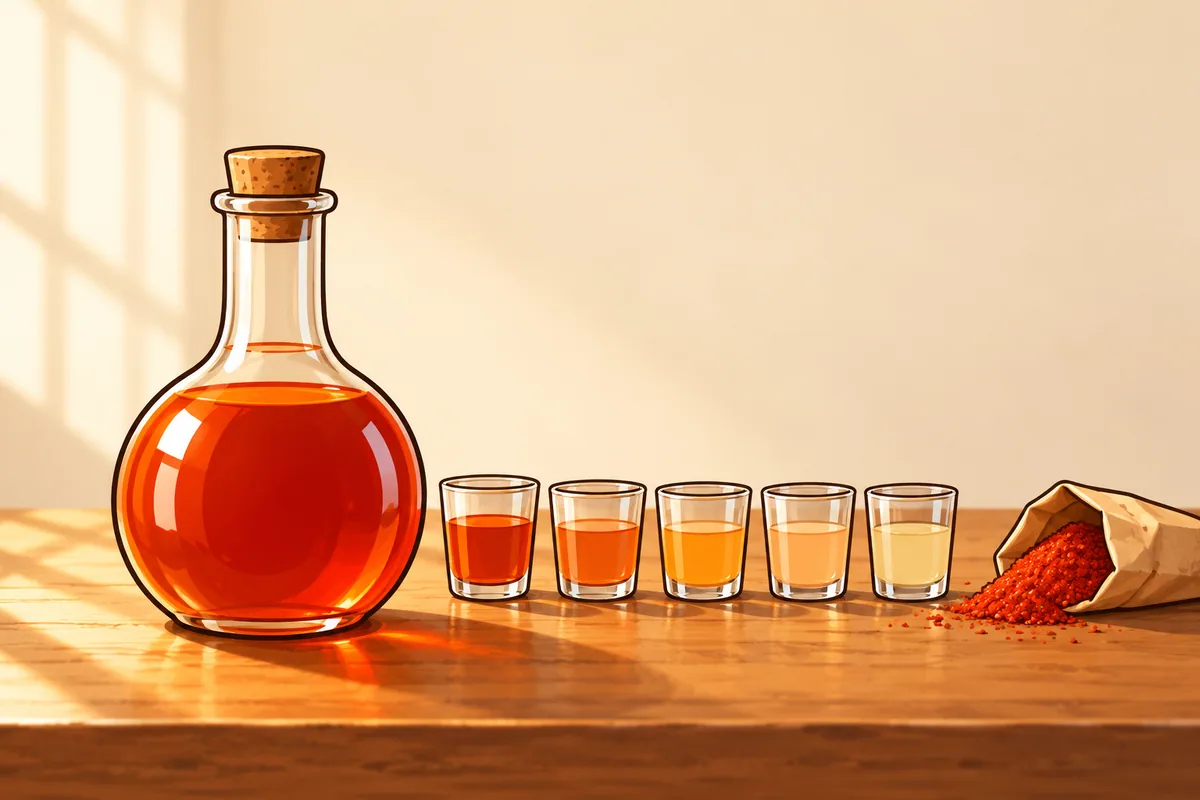
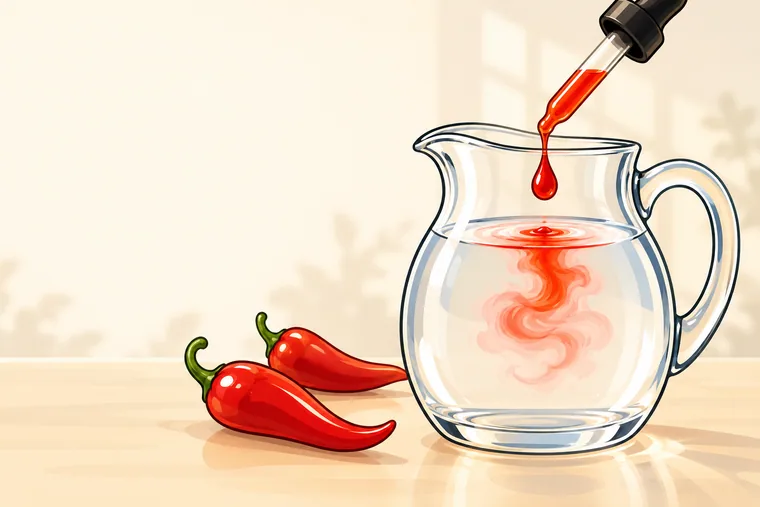
A Scoville number tells you how far you could dilute your pepper before you stop feeling it. A pepper rated 100,000 SHU takes 1 part extract to 100,000 parts sweetened water before the heat disappears3. Double the number and you need twice the water to reach the same faint burn.
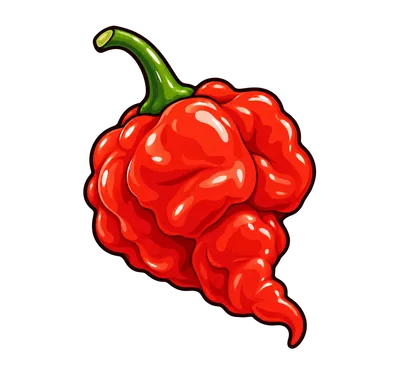
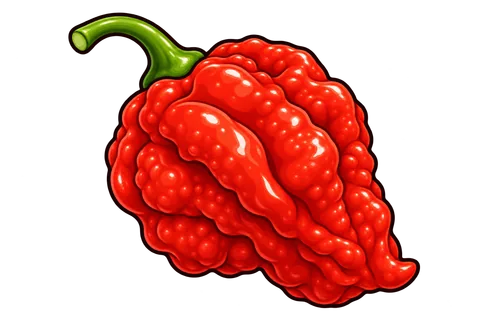
2,693,000SHU average, Pepper X, the record holder5
16,000,000SHU, pure capsaicin, the top of the scale2
The heat you feel comes from capsaicinoids, the compounds that make a pepper taste hot, and the SHU figure tracks how much of them your pepper holds6. A Scoville rating counts dilution, so a 2,000 SHU pepper carries twice the heat compounds per gram of a 1,000 SHU one.
You can reach that number two ways today. The old way asks people like you to taste a diluted extract. The lab way measures the compounds with a machine and converts the result, and both roads end in the same unit you see on our chart.
Two roads to one Scoville number
Ground pepperScoville started from ground capsicum; labs dry and grind the pods first
taste route
Alcohol extractOne grain soaked overnight in 100 cc of alcohol, then filtered
Sweetened waterThe extract goes in at set proportions
until the burn is just there
TastersIn the later standard test, a group of five testers
the dilution is the rating
SHUThe same unit on the same chart
HPLCA machine measures the capsaicinoids in parts per million
The numbers run from zero into the millions, so our chart uses a log axis. Each step to the right is ten times hotter, which is how a poblano and Pepper X, the current record holder, fit on one screen.
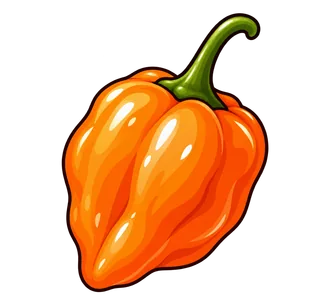
Here is what that looks like with two peppers you might hold. A jalapeño averages about 5,000 SHU and a habanero runs 100,000 to 350,0004. On a straight axis your jalapeño would be a sliver beside the habanero; on ours it sits less than two ticks to the left, and you can still read both bars.
Who invented the Scoville scale, and why?
Wilbur L. Scoville, a pharmacist at the Parke, Davis & Co. laboratory in Detroit, described the test in a two-page note in 19127. He had a buying problem: pharmacists bought capsicum as a drug, and the name of a variety told them little about its strength.
His note says capsicums vary in pungency even more than ginger does, and that the same variety changes with how it grows7. So a buyer could order a famous variety and still get a weak lot. Scoville wanted a test that let you compare one batch with another directly, drug to drug.
Japan chillies
Mombasa chillies
1 in 20,000 to 1 in 30,0007Scoville's result1 in 50,000 to 1 in 100,0007
Very rich and full7FlavorThe poorest of the three brands he tested7
Higher price, the superior condiment7In tradeThe most pungent of the three7
Those were real trade lots you could order in 1912, along with Zanzibar chillies in the middle7. His very first results put the best-flavored chilli at the mild end, an early sign that SHU says nothing about taste.
He checked color and fat too. The oleoresins he tested held anywhere from 5 % to over 50 % fat, in green, orange and deep red, and he found no link between color or fat and heat7. So when you see a deep red powder, his samples say the color alone tells you nothing about the heat.
Why trust a tongue? Scoville quoted the chemist E. K. Nelson: one drop of a capsaicin solution at 1 in 1,000,000 still makes itself known on the tongue7. In 1912 your tongue beat any analytical balance on a lab bench.
How did Scoville's test become a lab test?
Scoville used tongues. The labs we cite today use a machine that measures the capsaicinoids directly and converts the result into the same units, so you can read a number from 1912 and one from 2023 on one scale.
1912
Wilbur Scoville, at the Parke, Davis & Co. lab in Detroit, publishes a dilution test for capsicum pungency and calls the tongue more sensitive than the analytical balance.7
1912
His first results: Japan chillies test 1 in 20,000 to 30,000, Zanzibar 1 in 40,000 to 45,000, Mombasa 1 in 50,000 to 100,000.7
2005
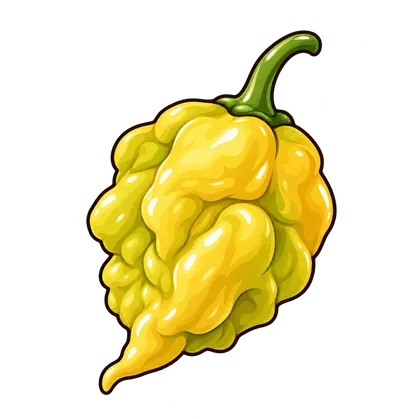
A New Mexico field trial rates the ghost pepper at 1,001,304 SHU by HPLC, converting parts per million to SHU by multiplying by 16.1
2007
The same NMSU researchers call HPLC the most accurate and efficient way to measure chile heat.1
2012
NMSU reports the first chile fruit confirmed above two million SHU, from two Trinidad Moruga Scorpion plants.8
2014
A study in Molecules measures capsaicin by ultra-fast liquid chromatography and converts with a factor of 15, rating pure capsaicin at 16 million SHU.2
2023
Guinness confirms Pepper X at an average of 2,693,000 SHU from tests at Winthrop University; its record rules accept SHU and ASTA pungency units.59
What did Scoville actually do?
You can follow his method in two sentences. He soaked one grain of ground capsicum overnight in 100 cc of alcohol, filtered it, then added the extract to sweetened water in set proportions until a distinct but weak heat showed on the tongue7.
Scoville's 1912 test: one grain of ground capsicum soaked in 100 cc of alcohol, then added to sweetened water until the heat was just perceptible.7
Scoville himself told his colleagues that the taste test was the only one he had found satisfactory7. Tasting has a cost, though. In the later standard version a group of five testers judged each diluted sample, and the sample had to go through serial dilution until the heat vanished2.
Labs moved to HPLC, which NMSU's Chile Pepper Institute defines as machine analysis of pungency10. The machine never tires and never builds a tolerance, which is the practical reason you see lab figures on every modern chart, ours included.
Today I Found Out made this 2023 explainer on how heat is measured, so you can watch the tasting test and the machine method described above told as one story before you read a chart.
12:09
How Do They Actually Measure the Heat of Hot Peppers?
Find your pepper's bar, read where it starts and where it stops, and compare midpoints rather than top ends. Each labelled tick on our chart is ten times the one before, so distance on the chart means multiplication, not addition.
1
Tell a bar from a dot
A bar runs from the lowest to the highest published figure for a pepper. A dot marks one figure, such as a lab mean or a record average, and we label which kind you are looking at.
2
Count the ticks
One tick to the right means ten times the heat per gram. A pepper two ticks past yours carries about a hundred times as much.
3
Compare midpoints
Cayenne runs 25,000 to 50,000 SHU and Thai chili 50,000 to 100,000. Their midpoints, 37,500 and 75,000, tell you the Thai chili brings about twice the heat.4
4
Filter to what you can buy or grow
Use the species and band filters to see only the Capsicum chinense peppers, or only the mild band, instead of scrolling past the super-hots.
One trap catches a lot of us: the top of a range. A habanero's 350,000 SHU ceiling4 describes the hottest pods tested, and the pod in your hand may sit far below it. We sort the chart by midpoint for that reason.
Sauces need a different chart, because a bottle's heat depends on how much pepper went into it and what else did. Your bottle belongs on the hot sauce Scoville chart, which lists sauces on their own scale.
What are the five heat bands?
We sort every index pepper into one of five bands by the midpoint of its range, or by its single figure when that is all there is. The bands are ours, drawn to help you read the chart, and our build places each pepper from its own sourced data.
A range can straddle two bands. The Anaheim runs from 1,000 to 5,000 SHU but its midpoint, 3,000, puts it in medium; the cayenne starts in medium and its 37,500 midpoint lands in hot4.
Science papers draw the lines elsewhere. The Heliyon review, for one, calls 3,000 to 25,000 SHU moderately pungent and anything above 80,000 very highly pungent3, so expect other charts to group your peppers differently. The full list for any band lives in the pepper index, and the top band has its own page of super-hot peppers.
Why do Scoville charts disagree?
Two reasons cover most of what you will run into. First, heat changes with the plant: NMSU breeders list genes, weather, growing conditions and fruit age, and call published levels averages that vary by year and place14.
Second, charts mix kinds of numbers: a range across many pods, a lab mean from one trial, a rounded figure. The Scoville heat units guide shows how to read each one, and how Scoville is measured walks through the lab method.
How far apart can two labs land on one pepper?
Further than you might think, and it is worth knowing before you trust a single figure. In the 2005 New Mexico trial, the NMSU lab measured its ground ghost pepper fruit at 1,001,304 SHU, and two commercial labs that tested samples of the same ground fruit reported 927,199 and 879,9531.
So you can see a gap of about 12 % with no change in the pepper at all. Plants add more spread on top: in NMSU's 2012 super-hot trial, two Trinidad Moruga Scorpion plants passed two million SHU, and the authors saw a large range of heat across field plots, which they read as a strong effect of the environment8.
When two charts give your pepper figures within about a tenth of each other, treat them as the same answer.
What does the Scoville scale not measure?
Only capsaicinoid heat goes into an SHU figure. Several things you care about in your kitchen sit outside it:
Flavor. Scoville's own best-flavored chilli was his mildest7.
Where the heat sits. About 89 % of a chile's capsaicin sits in the placenta, the pale tissue that holds the seeds, and only 5 to 6 % in the wall3; why peppers are spicy explains what that does in your mouth.
Other hot spices. Capsaicinoids occur only in chile pepper pods1, so black pepper's heat comes from something the scale does not count.
Dishes and products. A bowl of chili or a can of spray carries whatever its recipe put in.
For a finished food, the Scoville ratings of spicy foods collect what makers publish, and the figure on a can of pepper spray rates the spray itself, never a pepper you could cook with.
Which Scoville number should you go by?
It depends on what you are about to do with your pepper. Match your job to the figure in this table, then use our chart to see where your pepper sits.
Which figure fits which job
What you are doing
Go by
Why
Swapping one fresh pepper for another
The midpoint of each range
Midpoints compare typical pods; serrano 17,500 against jalapeño 5,000 is 3.5 times
Cooking for someone who avoids heat
The top of the range
The hottest pod tested is the one you could get
Choosing seeds to grow
An extension or breeder range
Heat changes with genes, weather, growing conditions and fruit age
Reading a record headline
The Guinness average and the lab named
Both recent records are averages from a named lab, Winthrop for Pepper X
For a quick ratio between any two of your peppers, the Scoville calculator does the midpoint math for you. If your plan involves eating the top band on purpose, the spicy challenges page covers what to have ready and when to stop.
By the Scovidex teamUpdated Oct 19, 2026Sources checked Oct 19, 2026
Quick answers
Quick answers
What is the hottest pepper on the Scoville scale?
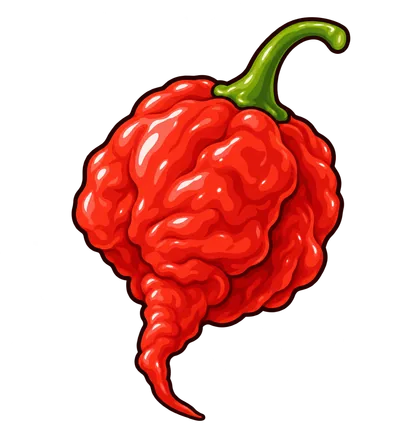
Pepper X, at an average of 2,693,000 SHU, confirmed by Guinness World Records in October 2023 from tests run at Winthrop University. The Carolina Reaper, the record holder before it, averages about 1.64 million SHU.5
What is the highest number on the Scoville scale?
16,000,000 SHU, the rating for pure capsaicin. No pepper comes close: Pepper X's record average is about a sixth of that.25
Who invented the Scoville scale?
Wilbur L. Scoville, a pharmacist working at the Parke, Davis & Co. laboratory in Detroit. He described his dilution test in a 1912 note in the Journal of the American Pharmaceutical Association.7
How hot is a jalapeño on the Scoville scale?
2,000 to 8,000 SHU, about 5,000 on average, according to UF/IFAS Extension. That puts it in the medium band, between the poblano (1,000 to 2,000) and the serrano (10,000 to 25,000).4
Is the Scoville scale accurate?
The scale is fine; the number for any one pepper varies. Scoville's own test relied on tasters, and labs now use HPLC, which NMSU researchers call the most accurate and efficient method. Even with HPLC, a cultivar's heat changes with genes, weather, growing conditions and fruit age.114

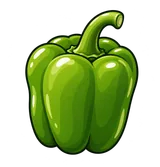 0 SHU
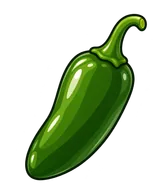 2,000 to 8,000 SHU, placed at the midpoint
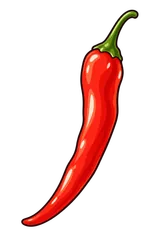 25,000 to 50,000 SHU, placed at the midpoint
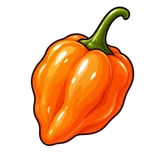 100,000 to 350,000 SHU, placed at the midpoint
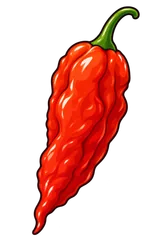 1,001,304 SHU, a published average
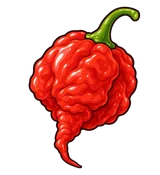 1,641,183 SHU, a published average
 2,693,000 SHU, a published average
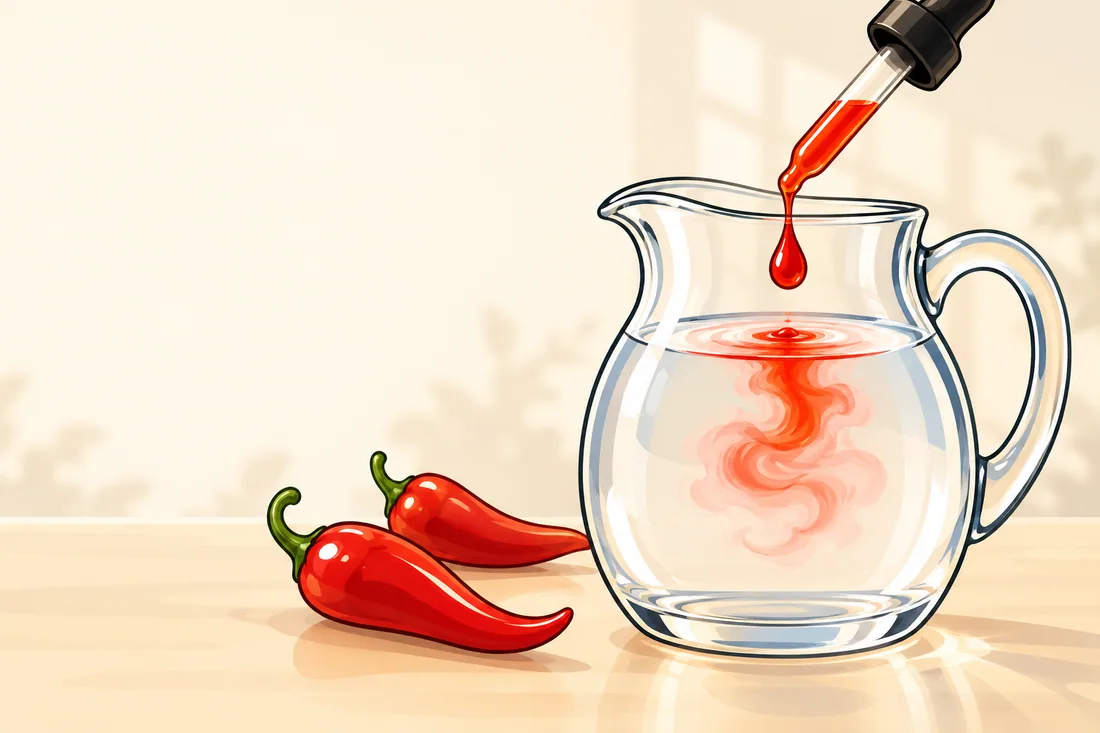 Scoville & HeatScoville Heat Units (SHU), Why 5,000 Means 1 in 5,000One number, two ways to get it, and what it says about your pepper.6 min read
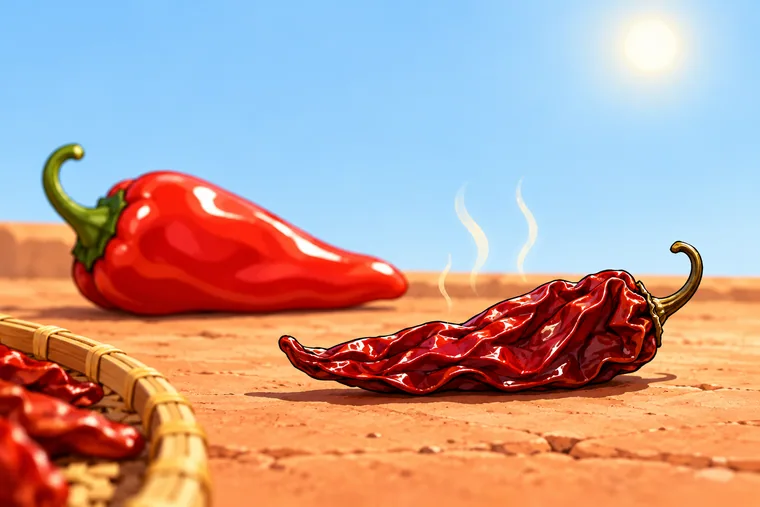
 Heat scienceAre Dried Peppers Hotter? About 10× per Gram, Not per PodWater leaves, heat mostly stays. Here is the arithmetic, and what it means for your spoon.6 min read
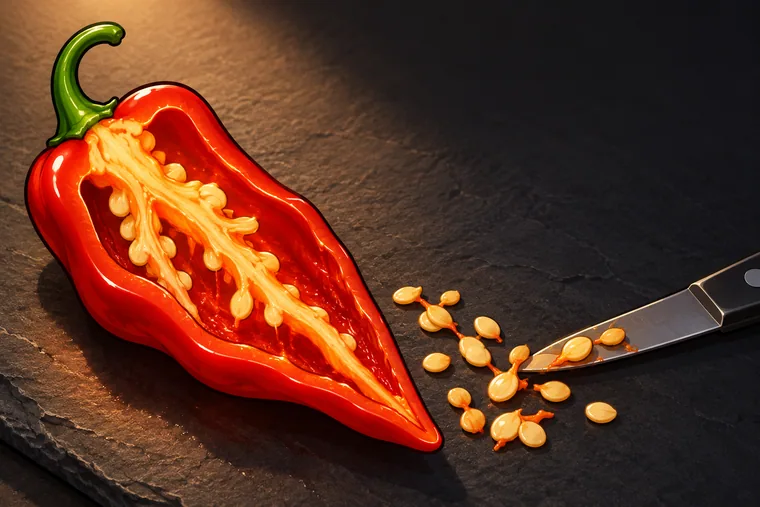
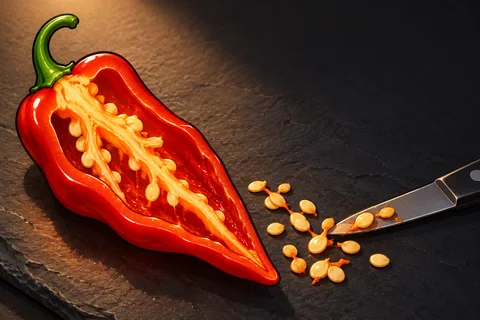 Heat scienceAre Pepper Seeds Hot? Seeds Hold 3.5× Less Than the RibsThe seeds borrow their heat from the pale ribs. Here is how much, and what that means on your cutting board.6 min read
 Scoville & Heat
 Hot ones
 Hottest peppers
 Challenges
 Heat science
 Heat science
 Heat science
 Hottest peppers
 Hottest peppers