
Peppers by Country, and Where Every Chile Comes From
One continent of origin, many second homes.
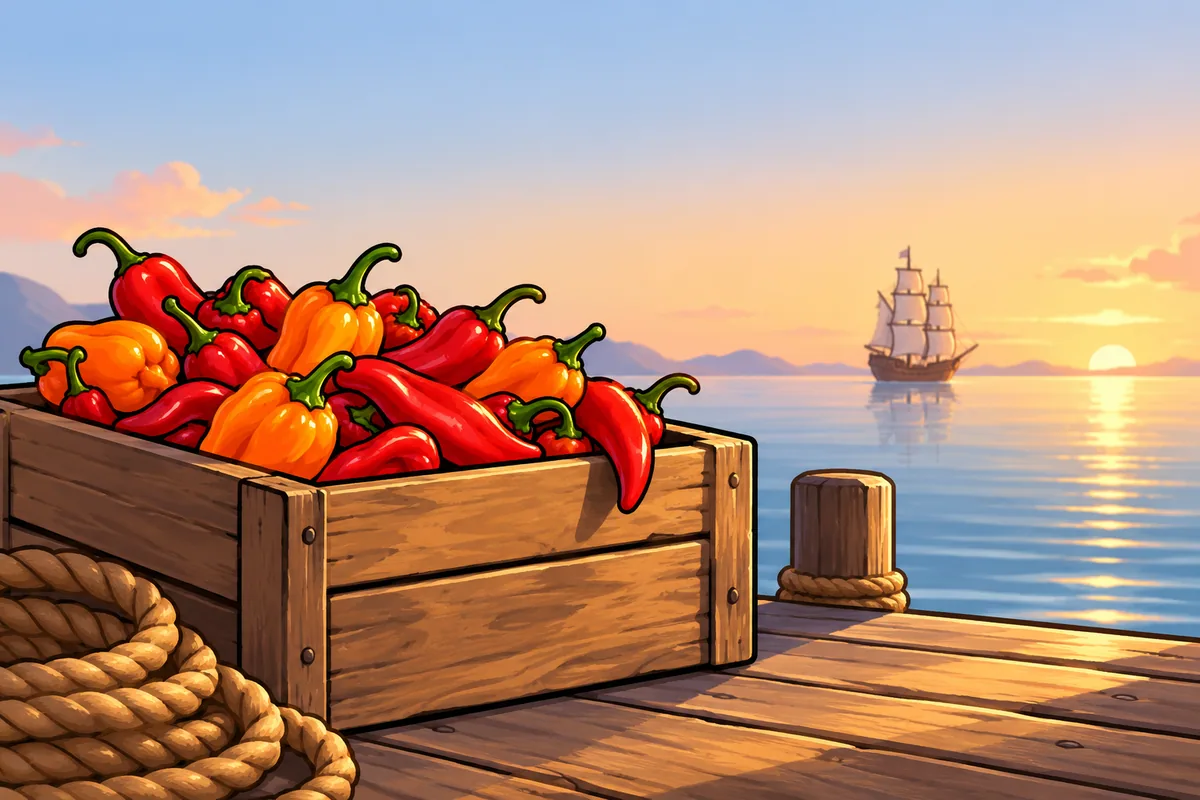
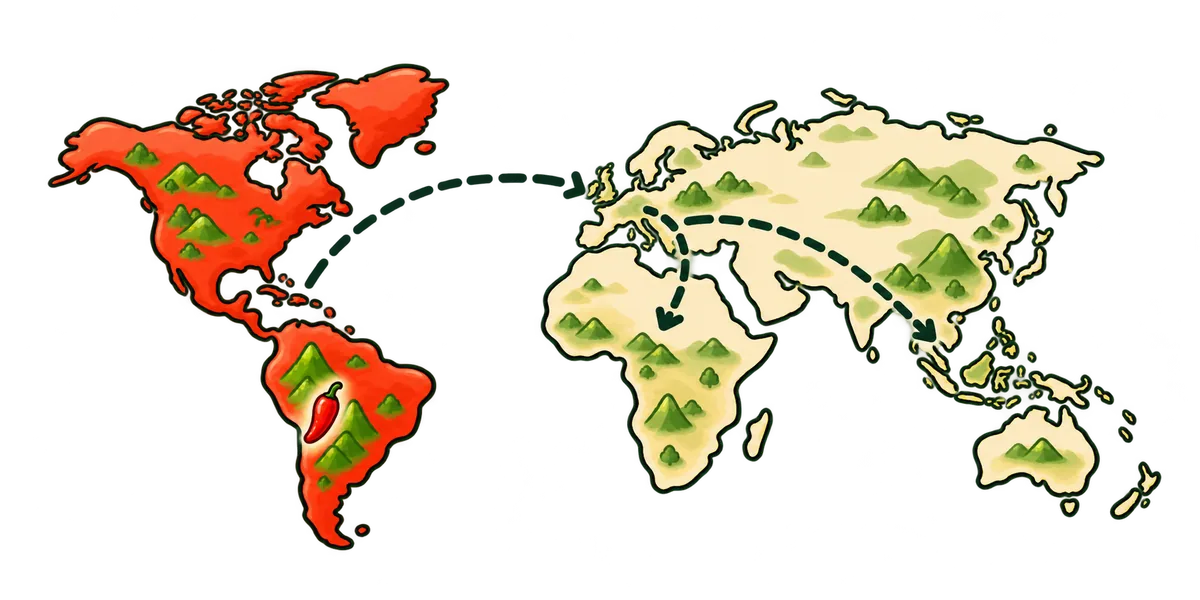
All chili peppers come from the Americas; every other country's peppers are local lines of those American species.
- People ate Capsicum in northern Peru by about 8000 BCE
- Chiles reached Europe after Columbus, then Africa and Asia
From the Andes to every kitchen
Five dated steps, from the oldest remains to the voyages after 1492.
- About 8000 BCENorthern Peru The oldest Capsicum remains linked to people1
- About 4500 BCEMesoamerica Words for chili peppers in the languages there1
- 1494Hispaniola Chanca writes of 'agi', the first written record1
- 1542Germany Fuchs prints the first three drawings of chiles1
- After EuropeAfrica and Asia Chiles travel on and local landraces follow1
-
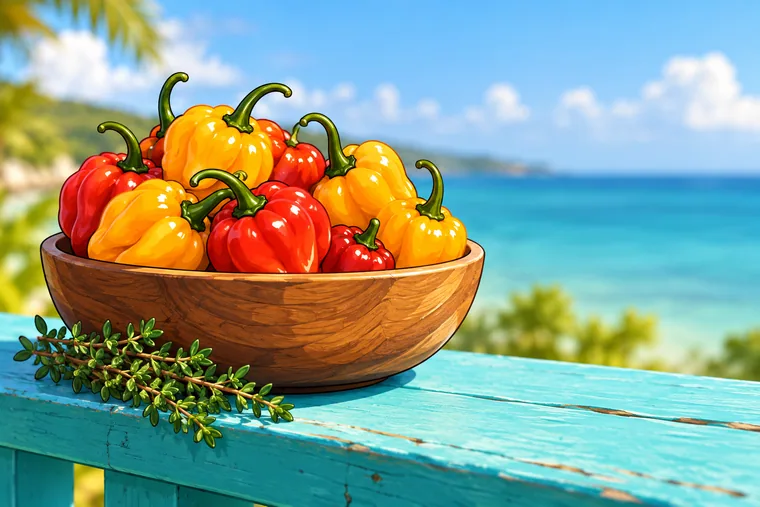 The Americas
9 Caribbean Peppers, From Scotch Bonnet to Scorpion
Mostly Capsicum chinense, and mostly bonnet-shaped or wrinkled.5 min read -
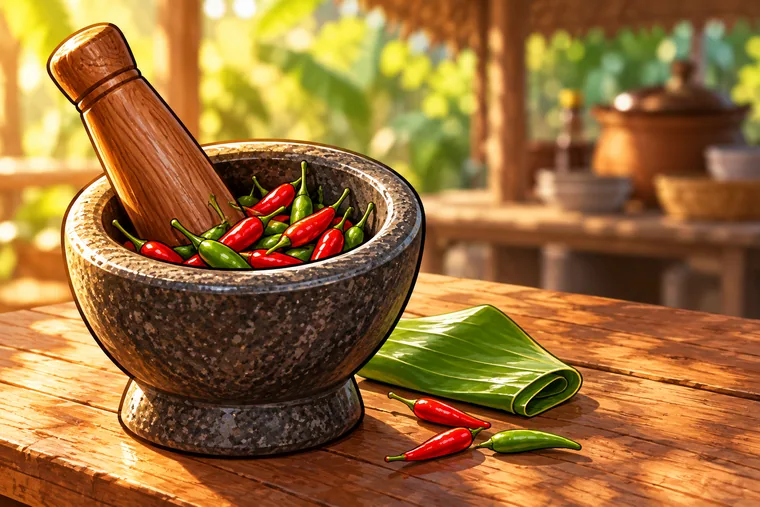 Asia
Thai Peppers and the 50 Local Chili Lines Thailand Grows
Small, upright and hot, in two species at once.5 min read -
 Europe, the Middle East and Africa
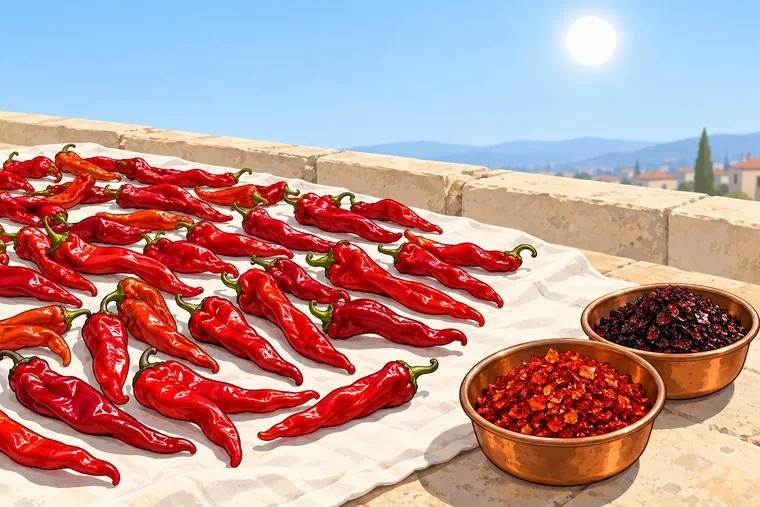
5 Turkish Pepper Types, From Maraş to Urfa Isot
Fresh sivri on the table, sun-dried red flakes in the spice jar.5 min read
Nothing matches this filter yet.
Which peppers belong where
A home here is where people grow and cook a pepper as their own.
-
 Mexico
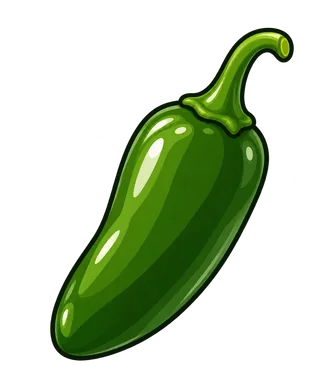
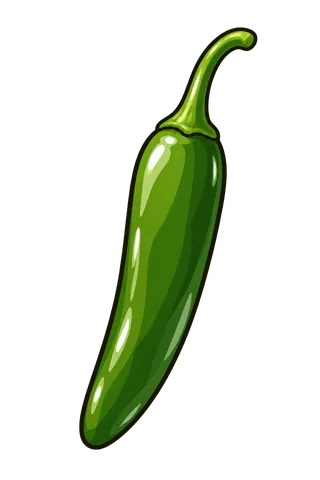
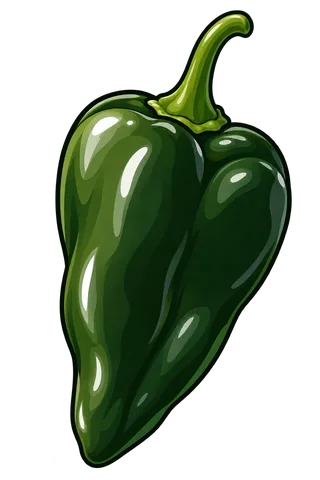
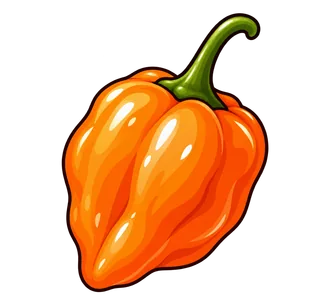
Jalapeño, Serrano, Poblano, Habanero
C. annuum; habanero C. chinense · Habanero from the Yucatán2
-
 Caribbean
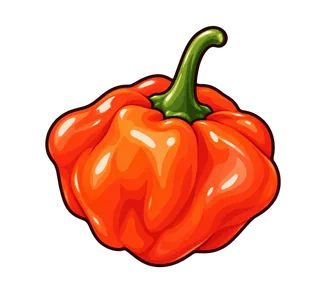
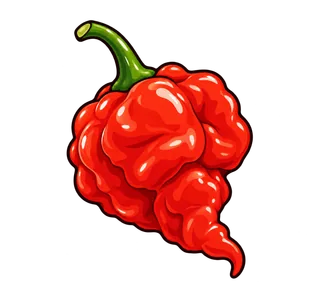
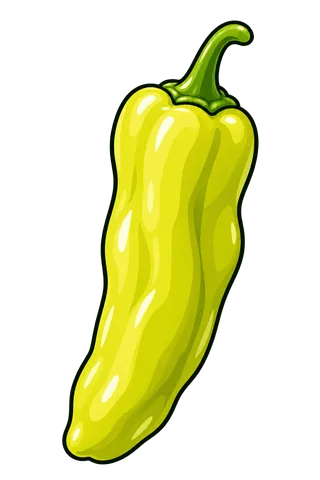
Scotch bonnet, Trinidad Moruga Scorpion, Cubanelle
C. chinense; cubanelle C. annuum24
Caribbean peppers
- Peru and South America Ají amarillo, Rocoto C. baccatum and C. pubescens1
-
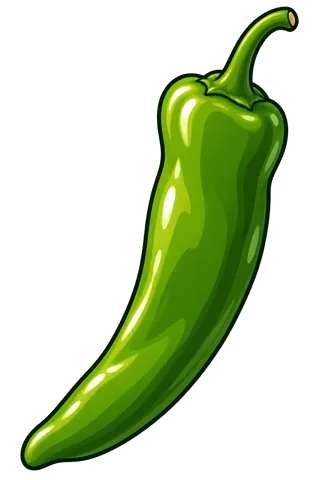 United States
Anaheim
C. annuum · The New Mexican pod type8
-
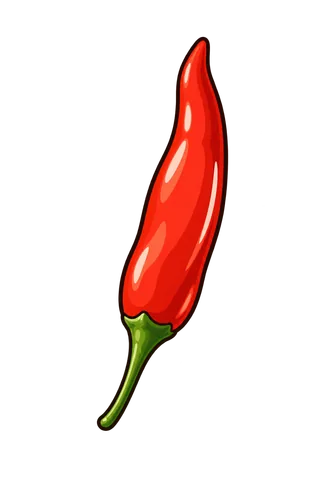 Thailand
Thai chili
C. annuum and C. frutescens · The small upright bird chili6
Thai peppers
-
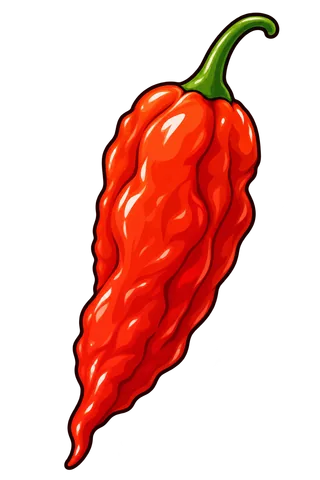 India
Ghost pepper
Hybrid, mostly C. chinense · Grown in Assam2
- Turkey Maraş pepper C. annuum · Sivri, Kapia and Charleston types too57 Turkish peppers
- Hungary Hungarian wax C. annuum2
Does the name tell the truth?
Six peppers named after a place, and what the place really says.
- Capsicum chinenseNamed for China The name misleads A naming mistake; the species began in the Amazon Basin14
-
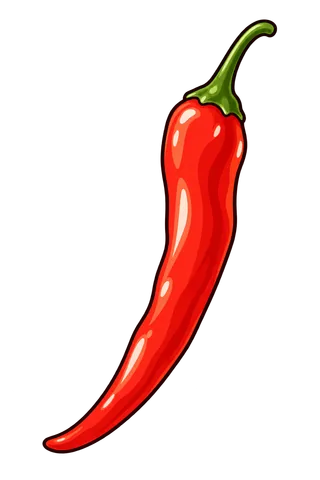 CayenneNamed for Cayenne, French Guiana
The name fits
The city gave the pepper its name2
- TabascoNamed for Tabasco, Mexico The name fits The Mexican state gave it its name2
-
PoblanoNamed for Puebla, Mexico
The name fits
The valley where people widely grew it2
- Hungarian waxNamed for Hungary The name fits Where it comes from, per UF/IFAS2
-
Scotch bonnetNamed for Scotland
The name misleads
Only the shape: it looks like a tam o' shanter hat2
On this page
- 1Where do chili peppers come from?
- 2Where was the chili pepper first domesticated?
- 3How did chiles spread around the world?
- 4Which peppers belong to which country?
- 5Why do some countries grow so many chiles?
- 6Does a pepper's name tell you where it comes from?
- 7How do you replace a regional pepper you can't find?
- 8What goes wrong when you shop by country?
Where do chili peppers come from?
From the Americas, every one you have ever eaten. The genus monograph describes Capsicum as an American genus, native from the southern United States to central Argentina and Brazil, with its main center of diversity in the Andes1. A Thai bird chili, a Turkish flake pepper and a Hungarian wax pepper are all local lines of American species, whatever the label on your jar says.
The five crop species started in five places, from central-east Mexico for C. annuum to the Andes of Bolivia and Peru for C. pubescens1. The Capsicum species page maps each one, and it's the page to keep open if you want to know why two peppers from one country can behave so differently in your garden.
Where was the chili pepper first domesticated?
For C. annuum, the species of the bell pepper and the cubanelle2, the best answer you'll find points to central-east Mexico. A 2014 study in PNAS combined four kinds of evidence and found that together they favor that region as the place of first cultivation, even though the genetic data alone leaned to northeastern Mexico3.
- Genetics188 accessions, 139 wild and 49 domesticated, read at 17 markers
- Central-east MexicoThe likely region of first cultivation
- WordsProto-Otomanguean had a word for chili about 6,500 years ago
- RemainsPreceramic chili pods at Tehuacán, roughly 9,000 to 7,000 years old
- Habitat modelsWhere wild chiles could grow in the mid-Holocene
The word "chili" itself comes from Nahuatl, which the same study dates to about 1,500 years ago3. So when you order a "chile" in a Mexican kitchen, you're using a word several thousand years younger than the plant.
The other four crop species, the ones you'll meet in Peru and the Caribbean, have their own homes. C. pubescens, the rocoto's species, comes from the Andes of Bolivia and Peru1, one reason Peruvian cooking uses peppers you rarely see in Mexico, while C. chinense came out of the Amazon Basin4.
How did chiles spread around the world?
By ship, after 1492, and you can follow the dates on the map. The monograph says domesticated chiles left the Americas after Columbus's voyages, reached Europe first and then Africa and Asia1. Fifty years after the first voyage, a German botanist was already drawing them, and the map at the top of this page numbers each step.
- 1494
Hispaniola
Diego Álvarez Chanca writes of 'agi', the first written record of chiles.1
- 1542
Germany
Leonhart Fuchs prints the first three drawings of chiles.1
- 15th–16th century
Istanbul
Portuguese traders bound for Asia bring peppers as a trade good, the most accepted account of how Turkey got them.5
- After Europe
Africa and Asia
Chiles travel on, and local landraces follow.1
The routes inside the Americas, if you go back further, were older and slower. UWI researchers in Trinidad trace Caribbean C. chinense back to the Upper Amazon, carried by early migrating peoples through the Guianas and Venezuela into Trinidad and Tobago and the Lesser Antilles4.
Which peppers belong to which country?
The region cards above list the places with their own pages, the best-known peppers each grows and the species behind them. A pepper's home here is where people grow and cook it as their own, which isn't always where its species began.
Read the species line on a card before the country name: it tells you more about heat and growing time than any flag. A Mexican habanero and a Jamaican Scotch bonnet share a species and a heat range; a Mexican jalapeño and a Mexican habanero don't.
Asia shows the same pattern from the other side. Farmers in Thailand grow two species side by side, C. annuum and C. frutescens, with the commercial hybrids in C. annuum6, so one country gives you two species in the same market.
India's ghost pepper is a C. chinense × C. frutescens hybrid from Assam2, and the Indian page sorts the chilies around it by species too.
Why do some countries grow so many chiles?
Because centuries of local selection made them second homes, and you can see it in their numbers. The monograph says the landraces bred outside the Americas now count as secondary centers of diversity1, and two of the countries on the cards above show the scale.
Turkey shows you how fast a second home can form. The 2018 study of Turkish peppers notes that Turkey is not where peppers began, yet calls it one of the most important areas for pepper genetic resources5. Its government even registers the Maraş pepper as a protected designation of origin covering six provinces7, and the Turkish page shows you what that protection covers.
Does a pepper's name tell you where it comes from?
Sometimes, and sometimes it sends you the wrong way. The clearest case is in the botany: C. chinense means "from China", a mistake from the days when Europeans thought the fruit came from there4. The name check above sorts six place names into honest and misleading.
The Scotch bonnet is the friendliest trap you'll meet on the list. Nothing about it is Scottish except the hat it resembles2, and its real home is the Caribbean.
How do you replace a regional pepper you can't find?
Match the species and the heat band first, and leave the country for your last check. A pepper from the same species with a similar Scoville range will give your dish the closest result, even if it comes from the other side of the world.
| If your recipe wants | Try | Why it works |
|---|---|---|
| Scotch bonnet (Caribbean)2 | Habanero | Same species, same 100,000–350,000 SHU range |
| Thai chili (Thailand)2 | Cayenne, used generously | Both hot; cayenne runs 25,000–50,000 SHU against 50,000–100,000 |
| Poblano (Mexico)2 | Anaheim | Both mild: about 1,000–2,000 against about 1,000 SHU |
| Hungarian wax (Hungary)2 | Jalapeño | Close heat: 5,000–10,000 against 2,000–8,000 SHU |
The swap only holds if you adjust the count. When your stand-in sits lower on the heat scale, as cayenne does next to a Thai chili, add a little more and taste as you go; when it sits higher, cut it back.
What goes wrong when you shop by country?
Three mistakes come up again and again, and each one can cost you a dish you were looking forward to.
Before you trust a country label
- Assuming a country name sets the heat: Mexico gives you both the 2,000–8,000 SHU jalapeño and the 100,000–350,000 SHU habanero2
- Trusting a place name in the pepper's own name: C. chinense never came from China, and the Scotch bonnet never came from Scotland24
- Treating one country's crop as one pepper: Thai chili land grows two species, with commercial hybrids in C. annuum6
The fix is the habit this index is built on: we list species and a sourced heat range on every entry, so you can check both before you buy.
Quick answers
Did chili peppers come from Asia?
No. Capsicum is an American genus, growing wild from the southern United States to central Argentina and Brazil. Chiles reached Asia only after Columbus's voyages, by way of Europe and Africa, and Asian cooks then bred their own local lines.1
Which country has the most kinds of wild peppers?
Brazil. The genus monograph counts 14 Capsicum species that grow only in Brazil, against six only in Bolivia and two each only in Ecuador and Peru. The primary center of diversity for the genus is the Andes.1
When did chiles reach Turkey?
Nobody knows the date. A 2018 study of Turkish peppers says it is not fully known how peppers first came to Turkey, and that the most accepted idea is that they arrived in Istanbul as a trade good.5
More in Pepper Index
The newest from Pepper Index
-
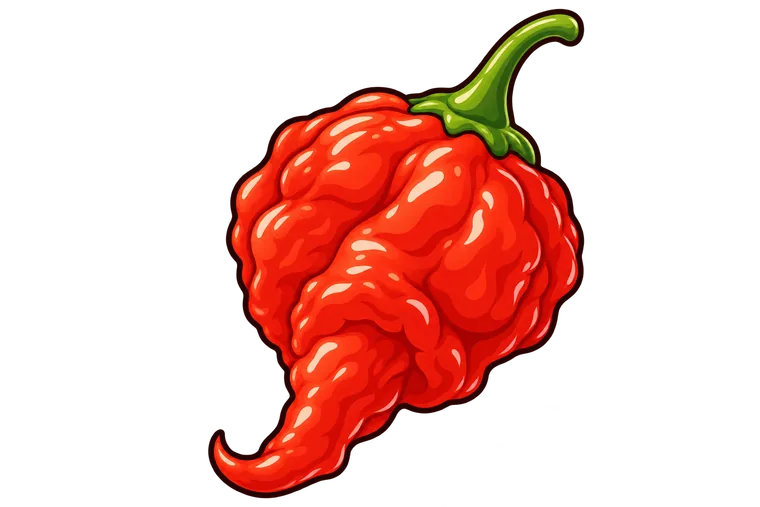
Carolina Reaper Scoville, 1.64 Million SHU
A fruity, sweet superhot from South Carolina, bred from a habanero and a Naga Viper.Oct 18, 2026 · Pepper -
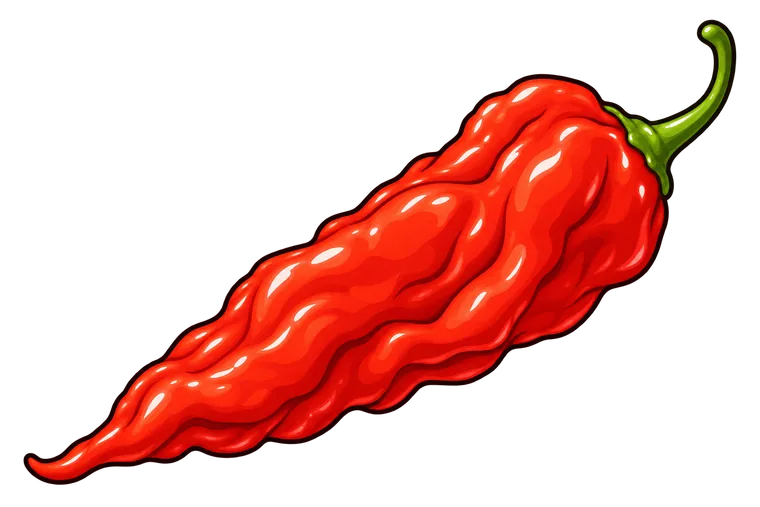
Ghost Pepper Scoville, About 1 Million SHU
The Bhut Jolokia of Assam, India: the first pepper measured at a million SHU.Oct 18, 2026 · Pepper -
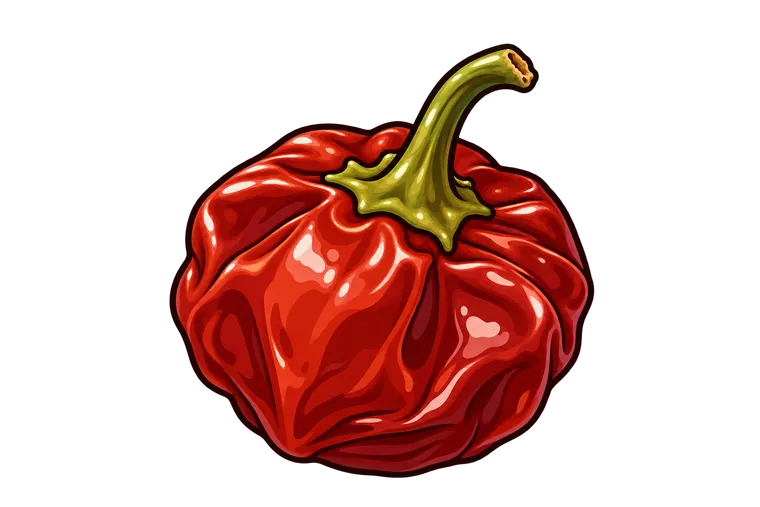
Ñora Pepper, Sweet Pimentón Pod Under 480 SHU
The small round sweet pepper behind Murcia's pimentón.Oct 18, 2026 · Pepper -
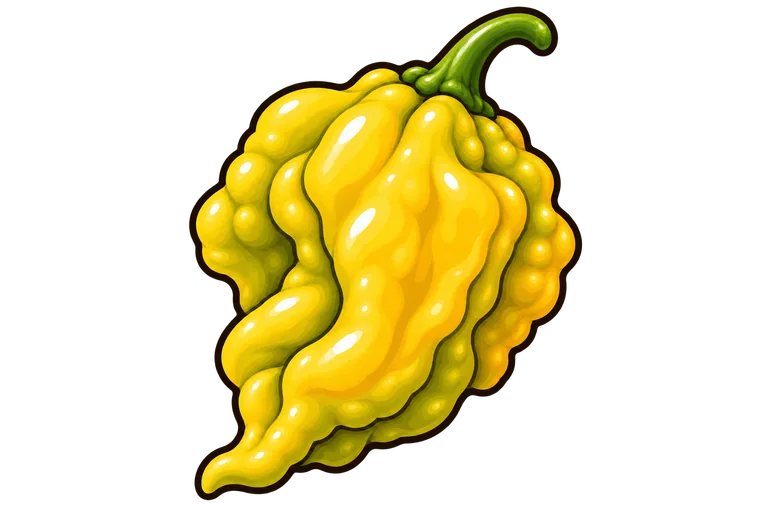
Pepper X Scoville, 2.69 Million SHU and Record
Ed Currie's record pepper from South Carolina, at an average of 2.69 million SHU.Oct 18, 2026 · Pepper -
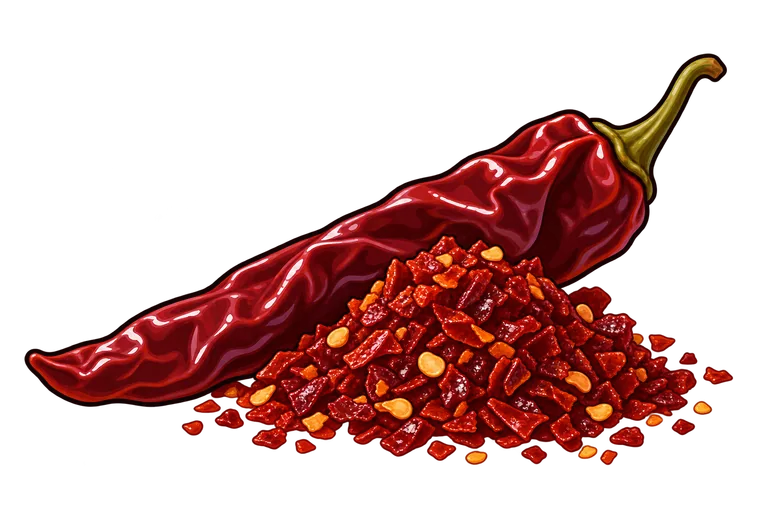
Aleppo Pepper, the Halaby Flake Cured With Oil and Salt
A burgundy flake from the old Silk Road city of Aleppo, sweet and fruity first, with a moderate heat behind it.Oct 18, 2026 · Pepper -
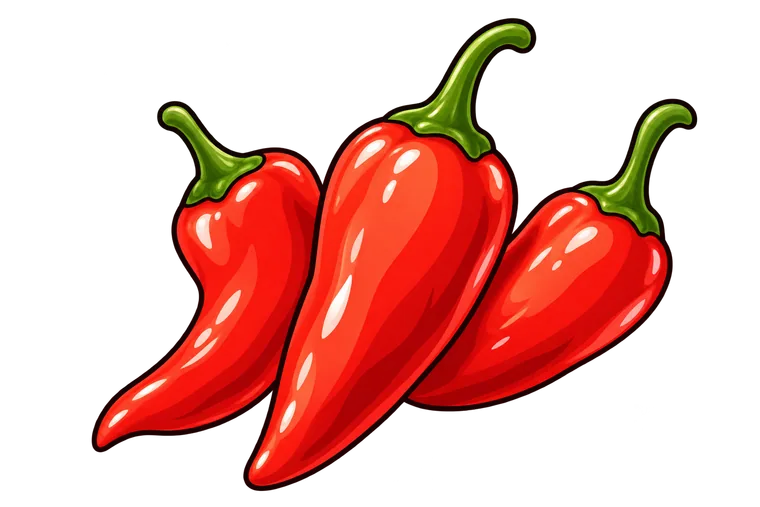
Calabrian Chili Heat, 5,000–70,000 SHU by EU Rule
Peperoncino di Calabria: the protected chili of Italy's toe, sold fresh, on strings, as flakes and as powder.Oct 18, 2026 · Pepper
Sources
· 8
- 1PhytoKeys 200:1-423 (Pensoft) Monograph of wild and cultivated chili peppers (Capsicum L., Solanaceae)
- 2University of Florida IFAS Extension HS-859/TR010: Pepper Production in Miami-Dade County, Florida
- 3Proceedings of the National Academy of Sciences 111(17):6165-6170 Multiple lines of evidence for the origin of domesticated chili pepper, Capsicum annuum, in Mexico (Kraft, Brown, Nabhan, Luedeling, Luna Ruiz, Coppens d'Eeckenbrugge, Hijmans, Gepts)
- 4The University of the West Indies, St. Augustine (UWI Today, September 2012) Hot peppers: research from the Department of Life Sciences (Marissa Moses)
- 53 Biotech 8(8):355 (Springer) Exploring the genetic variations and population structure of Turkish pepper (Capsicum annuum L.) genotypes based on peroxidase gene markers (Akyavuz, Taskin, Koçak, Yildiz)
- 6Agriculture and Natural Resources 50(1):43-47 (Kasetsart University) Variation of small erect-fruited chili in Thailand (Milerue, Chunwongse, Struss, Wasee)
- 7Turkish Patent and Trademark Office (TÜRKPATENT), geographical indication register No. 43, Maraş Biberi (designation of origin)
- 8New Mexico State University, Chile Pepper Institute Chile Terminology
Your pocket pepper index.
Built from the same index as this site.
- Every entry offline
- Compare any two peppers
- Keep a list of peppers you have tried