
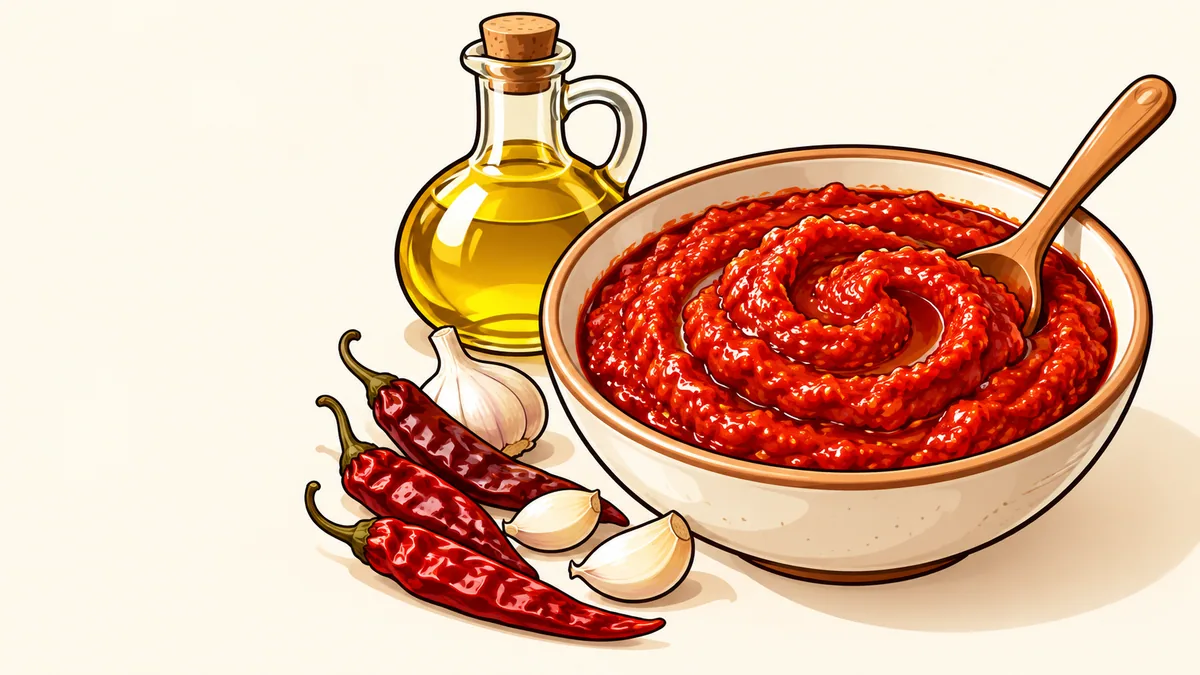
Chili Paste, 5 Types From Gochujang to Harissa
Same idea, ground chiles in a jar, made four different ways.
Short answer
Chili paste is chiles ground to a thick purée and kept with salt, garlic, spices or a ferment.
- Gochujang ferments red pepper powder with meju, glutinous rice, malt and salt
- Tunisian harissa is sun-dried chiles, ground and seasoned with salt, garlic and coriander
- 12 to 14 large dried pods soaked and blended give about 1 pint of plain chile purée
Chili pastes by cuisine
Where each jar comes from.
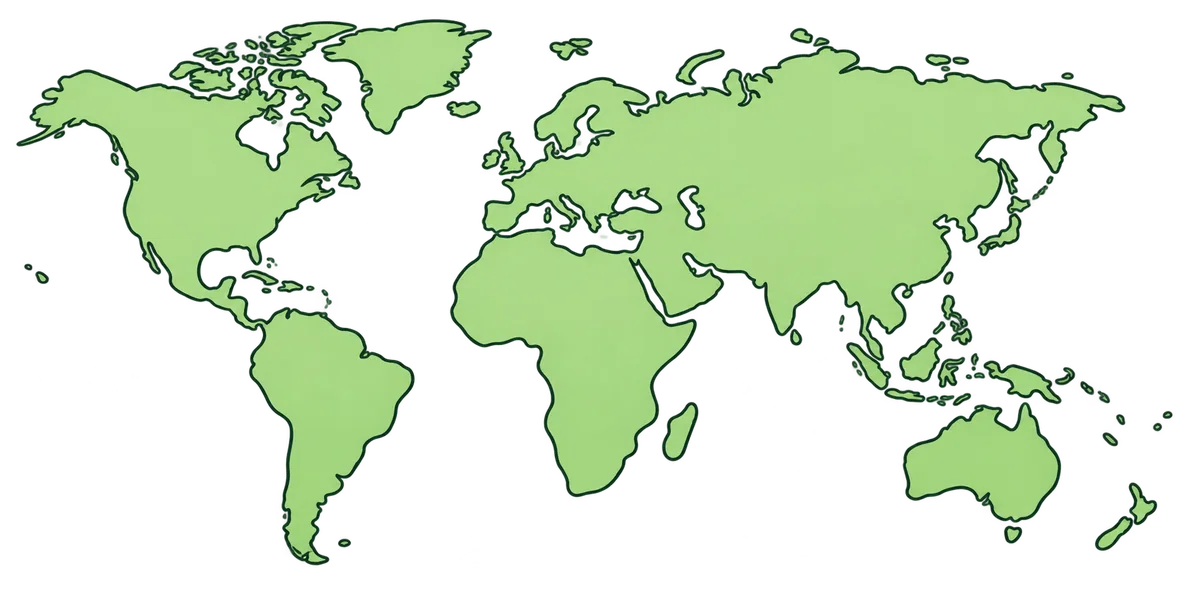
Five pastes, five kitchens. The pin is the place; the card says what goes in and whether it ferments.
- 1
- 2
Harissa
Tunisia
Sun-dried chiles, split, stalked and seeded, then washed, ground and seasoned with salt, garlic and coriander1
Not fermented - 3
- 4
Red chile purée
New Mexico
Dried red pods, stemmed, seeded, soaked and blended with hot water2
Not fermented - 5
Chipotles in adobo
Mexico
Smoke-dried red jalapeños canned in a tomato-based adobo sauce5
Not fermented
What sets each jar apart
What keeps the paste?
Read from the ingredient lists above: the same ground chile, held four different ways.
On this page
What is chili paste?
When you buy chili paste, you get chiles ground to a thick, spoonable purée and kept with something that holds them: salt and garlic, spices, oil, or a slow ferment. UNESCO's file on Tunisian harissa describes it plainly as a seasoning made with chilli pepper paste1, and the other pastes here follow the same idea with their own chile and their own keeper.
What sets a paste apart is the keeper, not the chile: a ferment, a spice mix or a plain simmer decides how it tastes and how long it lasts. Harissa families keep the finished paste in glass or clay jars for later use1, while a plain New Mexico purée goes in your fridge and has to be used or frozen within 3 days2.
Chili crisp sits at the oily end of this family and has a page of its own. Where a paste thins out into something you shake from a bottle, it becomes one of the hot sauce styles.
What goes into each type of chili paste?
The map above gives you five kitchens. Here is what each jar you pick up holds, in the words of the sources behind it:
- Gochujang (Korea). Gochu, the Korean chili, as powder, mixed with meju powder made from fermented soybean, glutinous rice and a large amount of salt, then fermented3.
- Harissa (Tunisia). Chiles dried in the sun, split, stalked and seeded, then washed, ground and seasoned with salt, garlic and coriander1.
- Ají pastes (Peru). Mostly ají amarillo, rocoto and ají panca: 98 % of processed ají products use those three native chiles4.
- Red chile purée (New Mexico). Dried red pods, soaked and blended with hot water, then simmered for 10 minutes2.
- Chipotles in adobo (Mexico). Smoke-dried red jalapeños canned in adobo, which NMSU defines as a tomato-based sauce5.
A worked example: one traditional gochujang recipe by weight
A 2024 study lists the recipe of a traditional gochujang from Cheongju, in percent by weight3. Scaled to a 1 kg batch, you would weigh out the following:
| Ingredient | Share | For 1 kg |
|---|---|---|
| Gochu (Korean chili) powder | 40 % | 400 g |
| Glutinous rice powder | 20 % | 200 g |
| Meju (fermented soybean) | 15 % | 150 g |
| Water | 15 % | 150 g |
| Solar salt | 10 % | 100 g |
Look at your first row: chile makes up less than half of the jar. A second traditional sample from Hongcheon in the same study pushes chile powder to 50 % and adds 20 % starch syrup and 5 % soy sauce3, so two family jars of gochujang can differ a lot in heat and sweetness. The study does not give a fermentation time, so we leave the ferment itself to the gochujang page.
How is gochujang different from harissa?
Gochujang is a fermented grain-and-soybean paste with chile in it; harissa is a chile paste with seasoning in it. Put them side by side and you see every row differ.
Gochujang
Harissa
- Red pepper powder with glutinous rice, malt and meju powder6BaseSun-dried chiles, split and seeded1
- Salt and natural fermentation; factories use starters such as Aspergillus oryzae6KeeperSalt, garlic and coriander; stored in glass or clay jars1
- Powder (gochu, Korean chili)3Chile formGround in a mortar or a hand meat mincer1
- A traditional Korean fermented food3StatusOn UNESCO's intangible heritage list since 20221
So you can swap them only loosely. Gochujang has a sweet side along with its heat6, and harissa has no rice or soybean in it at all1. Swap one for the other and your dish gains or loses the rice, the soybean and the garlic along with the chile, so taste as you go.
How do you make a basic chile paste at home?
Soak dried pods, blend them, cook the purée briefly, then season it. NMSU's red chile method covers the base, and the harissa file shows one classic way to season it12.
- 1
Stem, seed and soak
Pull the stems and seeds from dried red pods, wash them, then cover with boiling water for 30 minutes.2
- 2
Blend
Blend the soft pods with just enough fresh hot water for a thick, smooth purée.2
- 3
Simmer
Simmer the purée for 10 minutes before you use or store it.2
- 4
Season
For a harissa-style paste, work in salt, garlic and coriander.1
For quantities, plan on 12 to 14 large dried pods for about 1 pint of purée2. That fills one pint jar. The dried chiles page walks through the soak in full, including which pods to skip.
The Tunisian way runs longer, because the drying happens at home too. UNESCO's file sets out the order, and each step below comes from it:
- Dry in the sunWhole chiles laid out to dry
- Split, stalk, seedStalks and seeds come out
- WashThe dried pods go in water
- GrindPestle and mortar, or a hand meat mincer
- SeasonSalt, garlic and coriander
- StoreGlass or pottery jars, for later use
UNESCO adds that women usually make it together, in a festive family or neighbourhood setting1. You can read that as a practical tip too: a big batch goes faster with four hands on the seeding.
Chili Pepper Madness, a recipe site with its own channel, shows one cook making a homemade harissa paste in this video, so you can see the texture you are aiming for, though it is one cook's recipe, not the UNESCO method above.
Which chili paste should you pick, and when?
Pick by what the dish needs besides heat. Each paste brings a second thing, and that second thing decides the match.
- You want sweetness and body in a glaze or stew. Gochujang, with its rice and fermented soybean6.
- You want garlic and spice up front. Harissa, seasoned with garlic and coriander1.
- You want smoke. Chipotles in adobo; the chile itself went through smoke before canning5.
- You want plain chile, nothing else. A home red chile purée from New Mexico pods, which you season yourself2.
- You cook Peruvian dishes. An ají paste, and read the label: amarillo, rocoto and panca are three different peppers4.
What goes wrong with a homemade paste?
Mostly time and temperature in your kitchen. Run through these before you scale up your batch.
Keep a homemade jar safe and useful
- Leftover purée or sauce goes in the fridge right away; NMSU gives you 3 days to use it or freeze it.2
- Moldy, insect-damaged or decayed pods stay out of the blender; NMSU's method starts only with sound pods.2
- Decorative ristra pods with a spray coat are not food; NMSU calls plastic-, shellac- or insecticide-sprayed pods inedible.2
- Gloves on while you seed and grind; the NCHFP tells you to wear plastic or rubber gloves and keep your hands away from your face with hot peppers.8
A paste you want to keep for months on a shelf is a different project. Fermenting changes the safety rules, and the fermented hot sauce guide covers salt and time for a ferment you make at home.
How hot is chili paste?
As hot as the chile in it, thinned by whatever else you find in the jar. None of the sources behind this page give a Scoville figure for any paste.
So read the chile name on the ingredient list and look up that pepper. Two Peruvian pastes, one of ají amarillo and one of rocoto, can look alike in the jar and still carry the heat of two different peppers. The gochujang recipe above shows the other half of the answer: when chile makes up 40 % of a jar3, the rice, soybean and salt in the other 60 % soften every spoonful.
Your best test is a small one. Stir a little into the finished sauce, taste, then add more; you can always add paste, and you cannot take it back out.
How much of the chile trade is paste?
In Peru, almost half of what you see on supermarket shelves. A Bioversity International market study of Lima supermarkets found sauces and pastes at 46 % of chile sales, close behind fresh ajíes4.
Among processed ají products, 98 % use the three most common native chiles, ají amarillo, rocoto and panca, and fewer than five companies dominate the national market4.
More in Products
The newest from Products
-
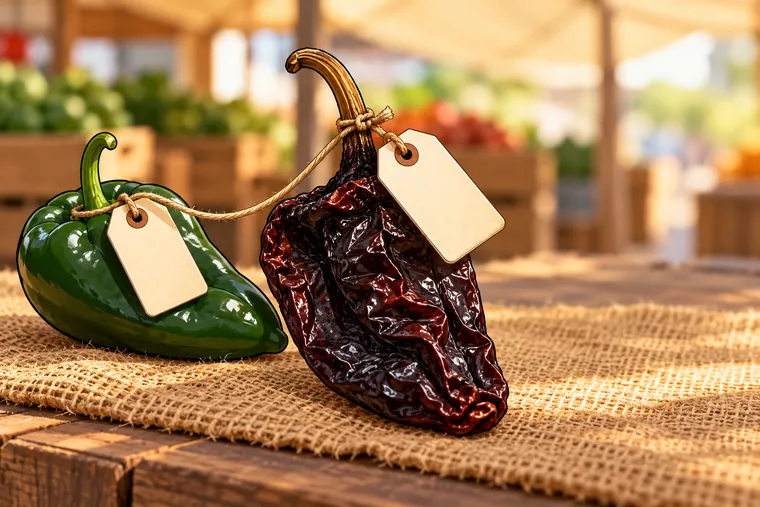
Dried Pepper Names, 15 Chiles Matched to Their Fresh Pod
Fresh name on the left, dried name on the right, and the reason some pods change their name in the bag.Oct 18, 2026 · Guide -
Does Chili Powder Go Bad? 2–3 Years, Then It Fades
Color goes first, smell second, heat last. Here is the timeline, the numbers and the jar test.Oct 18, 2026 · Guide -
Shichimi Togarashi, 7 Spices and What Each One Adds
Two old Japanese makers, two slightly different sets of seven, and one chile doing the heavy lifting.Oct 18, 2026 · Guide
Sources
· 8
- 1UNESCO Intangible Cultural Heritage, Representative List Harissa, knowledge, skills and culinary and social practices (Tunisia), inscribed 2022 (17.COM)
- 2New Mexico State University, College of ACES Guide E-327: Using Chile to Make Ristras and Chile Sauce (Coon and Walker), revised July 2015
- 3Heliyon (Cell Press) Gochujang, a traditional Korean fermented food, protects through suppressed inflammatory pathways and histological structure disruption in DSS-induced colitis mice (Lee et al.)
- 4Bioversity International, with INIA and Peru's Ministry of Agriculture and Irrigation Guía de oportunidades de mercado para los ajíes nativos de Perú (Jäger, Jiménez, Amaya, compilers)
- 5New Mexico State University, Chile Pepper Institute Chile Terminology
- 6Journal of Ethnic Foods 11 (BMC) Gochujang, a Korean traditional fermented soybean product: history, preparation and functionality (Jung and Shin)
- 7Chili Pepper Madness The Versatile Chili Paste YOU NEED | Homemade Harissa Paste from North Africa
- 8National Center for Home Food Preservation (University of Georgia) Peppers

Coming soon
Your pocket pepper index.
Built from the same index as this site.
- Every entry offline
- Compare any two peppers
- Keep a list of peppers you have tried