
Hot Pepper Recipes, 10 Dishes and the Right Pepper
Start from the pepper in your basket, end at the dish.
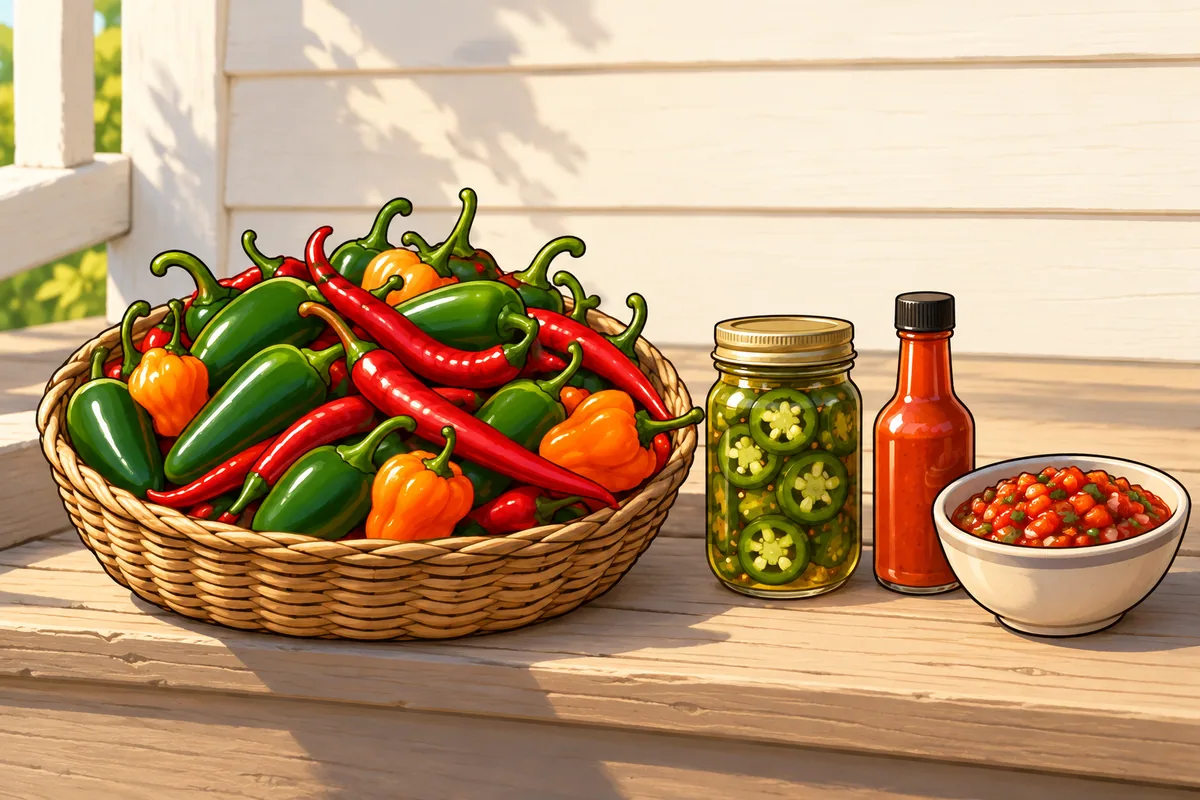
Pick the dish by the pepper you have: each common chile already has a job, from raw salsa to jerk to flakes.
- Serrano (10,000–25,000 SHU) is usually eaten raw, in pico de gallo and salsa
- Cayenne (25,000–50,000 SHU) is usually dried for powder and flakes; it dries at 140°F in 8–12 hours
- Tested pickle jars of hot peppers process 10 minutes in a water bath up to 1,000 ft
Every dish and the pepper behind it
One card per dish in the recipe finder below, with the pepper that does the work and its published heat.
-
 Sides and mains
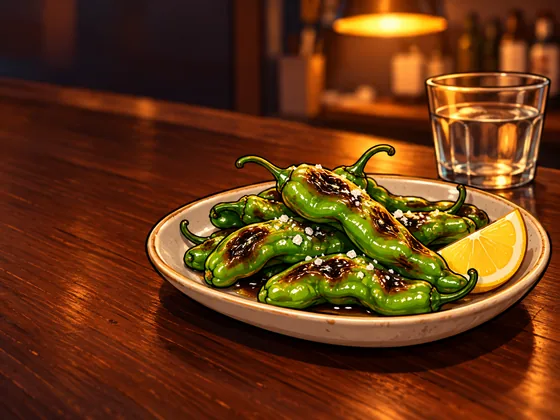
Blistered peppers as a side
Shishito
Eaten as a vegetable
MildLow; the odd pod is hot5 -
 Sides and mains
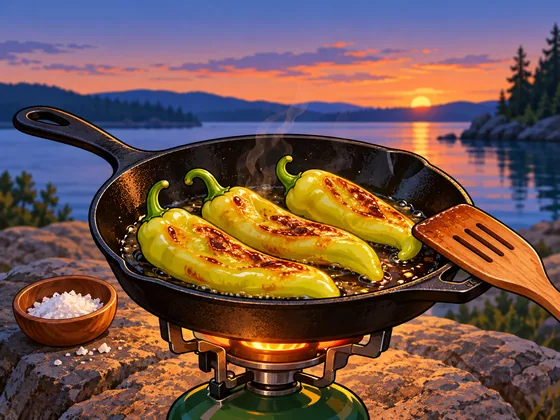
Fried peppers
Cubanelle
Sweet, very mild, rich flesh made for frying
MildAbout 1,000 SHU2About the cubanelle -
 Sides and mains
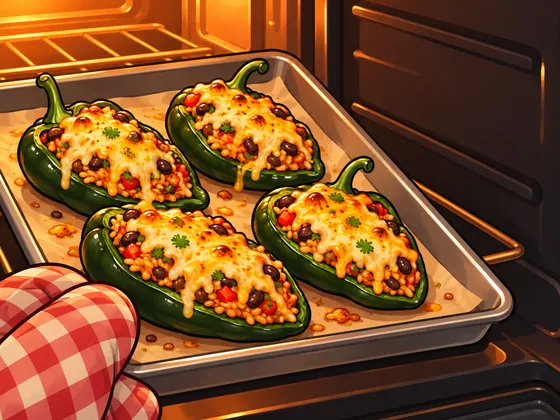
Stuffed and roasted peppers
Poblano; sweet cherry
Thick walls that hold a filling
About the poblano -
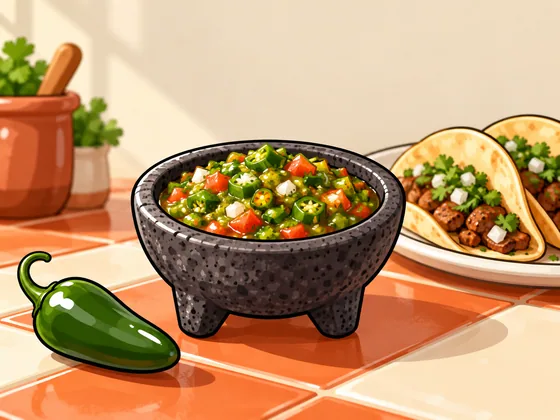 Salsas
Salsa and everyday Mexican dishes
Jalapeño
Spicy but not overwhelming
Medium2,000–8,000 SHU2About the jalapeño -
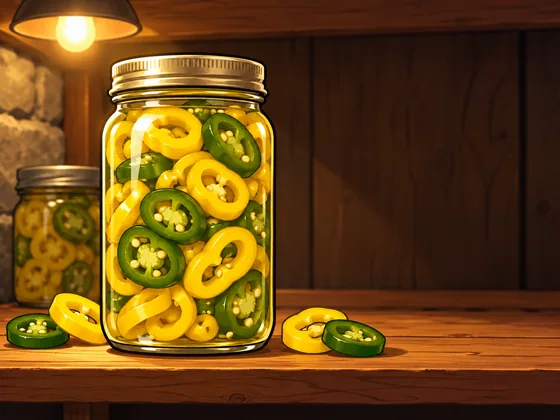 Pickles
Pickled hot peppers
Hungarian, banana, jalapeño
Tang from a 5 % vinegar brine
About the jalapeño -
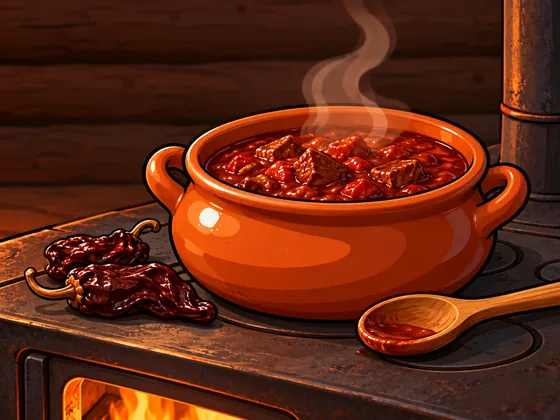 Sauces
Smoky sauces and stews
Chipotle (smoke-dried red jalapeño)
Smoke and a medium heat
About the jalapeño -
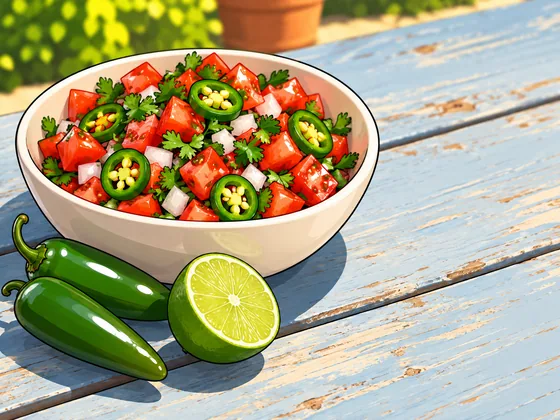 Salsas
Pico de gallo and raw salsa
Serrano, raw
Bright, biting heat; usually eaten raw
About the serrano -
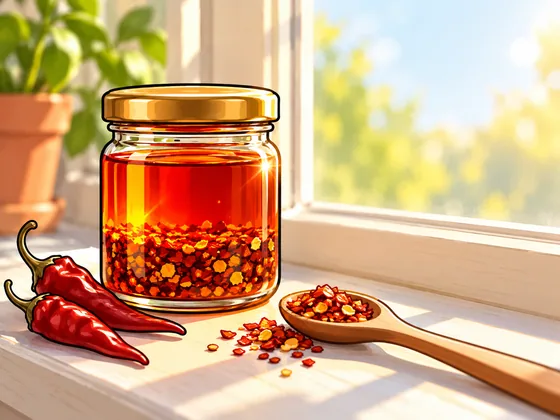 Flakes and oil
Chili flakes, powder and chili oil
Cayenne, dried
Heat without much volume
Hot25,000–50,000 SHU1About the cayenne -
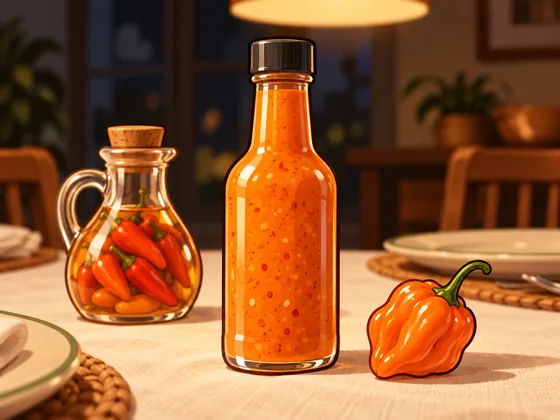 Sauces
Hot sauce and peppered vinegar
Habanero; Tabasco pepper
Fruity, citrus-like heat; the pepper in Tabasco sauce and peppered vinegar
Extra-hot100,000–350,000; 30,000–50,000 SHU2About the habanero -
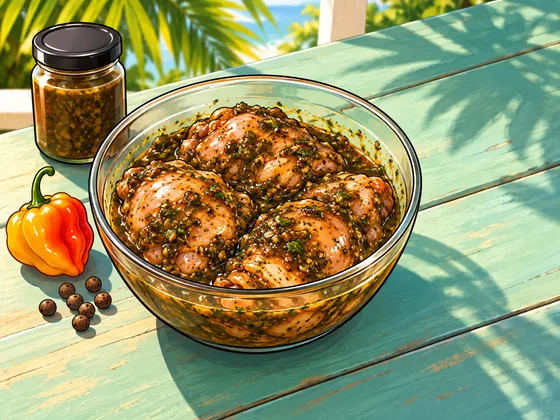 Sauces
Jerk sauce and marinade
Scotch bonnet
The heat in Caribbean jerk sauce and marinades
Extra-hot100,000–350,000 SHU1About the scotch bonnet
No dish in the finder sits at that heat yet. Clear a filter to see more.
Recipe pages with tested cook times and servings are on the way; until they ship, each card links to the pepper's index entry.
-
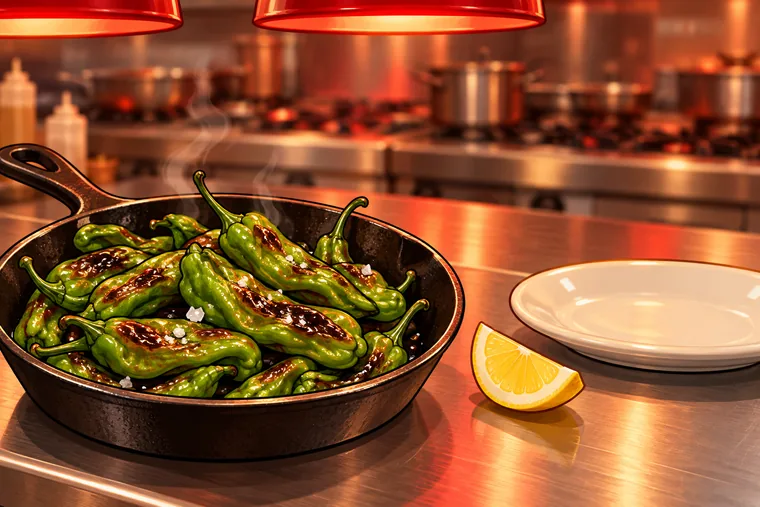 Recipes
Blistered Shishito Peppers in 12 Minutes
A very hot pan, one layer of peppers, a pinch of salt. The cooking takes less time than setting the table.6 min read -
 Recipes
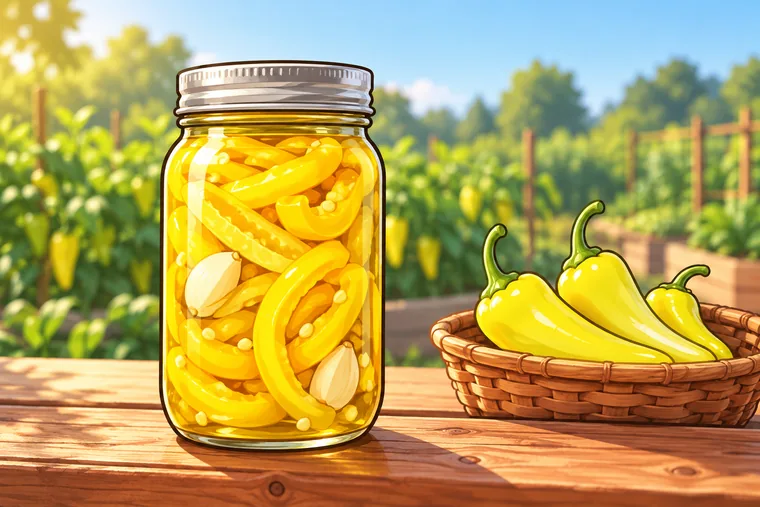
Pickled Banana Peppers, a 9-Pint Canning Recipe
A tested sweet pepper pickle, written out in grams, with a hotter jar for the Hungarian wax crowd.6 min read
Nothing matches this filter yet.
Find a dish at your heat level
Each dish sits in the band of the pepper that does the work.
Mild
0–2,500 SHU
Mild peppersMedium
2,500–30,000 SHU
Hot
30,000–100,000 SHU
Extra-hot
100,000–1,000,000 SHU
Same dish, a different pepper
No serrano in the shop? The swap chart gives the closest pepper and how much of it carries the same heat.
Open the swap chart SerranoMedium10,000–25,000 SHU
 JalapeñoMedium2,000–8,000 SHU
3.5 g of jalapeño for 1 g of serranoSources for this line1. UF/IFAS Gardening Solutions2. University of Florida IFAS Extension6. New Mexico State University, Chile Pepper Institute20. New Mexico State University21. PRODERNA (J.H. Lüttge GmbH), ingredient supplier, spec for its own product22. PRODERNA (J.H. Lüttge GmbH), ingredient supplier, spec for its own product
Loses the serrano's bite. Estimated from range midpoints, by weight.
Every serrano swapOn this page
Which hot pepper goes in which dish?
Start from the pepper you have. Most common chiles already have a dish of their own, and the sources that rate their heat also say what cooks do with them. Read across to find your dish, then follow it to the recipe.
| Dish | Pepper that does the work | Its heat | What it brings |
|---|---|---|---|
| Pico de gallo and raw salsa12 | Serrano, raw | 10,000–25,000 SHU | Bright, biting heat; usually eaten raw |
| Salsa and everyday Mexican dishes2 | Jalapeño | 2,000–8,000 SHU | Spicy but not overwhelming |
| Pickled hot peppers23 | Hungarian, banana, jalapeño | 0–10,000 SHU across the three | Tang from a 5 % vinegar brine |
| Fried peppers2 | Cubanelle | About 1,000 SHU | Sweet, very mild, rich flesh made for frying |
| Stuffed and roasted peppers24 | Poblano; sweet cherry | 1,000–2,000 SHU; no heat | Thick walls that hold a filling |
| Blistered peppers as a side5 | Shishito | Low; the odd pod is hot | Eaten as a vegetable |
| Smoky sauces and stews16 | Chipotle (smoke-dried red jalapeño) | Jalapeño 2,000–8,000 SHU before smoking | Smoke and a medium heat |
| Chili flakes, powder and chili oil1 | Cayenne, dried | 25,000–50,000 SHU | Heat without much volume |
| Hot sauce and peppered vinegar2 | Habanero; Tabasco pepper | 100,000–350,000; 30,000–50,000 SHU | Fruity, citrus-like heat; the pepper in Tabasco sauce and peppered vinegar |
| Jerk sauce and marinade1 | Scotch bonnet | 100,000–350,000 SHU | The heat in Caribbean jerk sauce and marinades |
Cook each pepper in the dish its sources tie it to, and most recipes need no swap at all. When the pepper is missing, the swap chart gives you the replacement and the grams.
The fresh end of the table is where your basket probably goes first. Serranos go raw into hot salsas, because UF/IFAS describes them as a pepper usually eaten raw1.
A glut of jalapeños turns into pickled jalapeños or a tray of jalapeño poppers. Pickling suits the bag you cannot finish this week; poppers suit the dozen you will eat on Saturday.
Milder pods have their own dishes. Roasted poblanos become chiles rellenos, a dish NMSU builds on stuffed fresh New Mexican chiles too6.
Shishitos go straight into a hot pan for blistered shishitos. A shishito plate is a small gamble, since a Japanese study found the odd pod turns pungent5.
At the hot end, Scotch bonnets carry a jerk marinade, the dish UF/IFAS names for them1. Habaneros, at up to 350,000 SHU2, suit a bottle better than a bowl, since a sauce lets you use a few drops at a time.
How hot will the dish come out?
As hot as the pepper you pick, then less if you trim it. The recipe peppers run from a cubanelle at about 1,000 SHU2 to a habanero at up to 350,000 SHU, so the same recipe can land anywhere on this chart.
Log scale; bars are published ranges.2
Most of the heat you feel sits inside the pepper, not in its flesh. The University of Kentucky places capsaicin in the cross walls and around the seeds7, and in one 2020 study the placenta of a green Padrón held more than 100 times the capsaicinoids of its flesh (277 against 2.1 µg/g)8. A 2024 review puts about 89 % of a chile's capsaicin in the placenta9. Scrape out the pale ribs and you cook the same pepper much milder.
Here is what that means for one bowl. Say your salsa calls for one cup of sliced jalapeños, which USDA weighs at 90 g, about six or seven pods at 14 g each10. Keep the ribs and you get the full heat of those pods; scrape them out and you keep the green flesh, the crunch and the color with a small share of the burn.
Which recipe suits the peppers you have?
Count your peppers first, then pick the recipe that uses that many. A raw salsa takes a few pods, a canner load of pickles takes pounds, and a ristra takes more than a hundred.
| What you have | Make this | How much it uses | What you get |
|---|---|---|---|
| A few jalapeños10 | A bowl of salsa | 1 cup sliced = 90 g, about 6–7 pods | One bowl, eaten this week |
| A big basket of long hot peppers3 | Pickled hot peppers | 4 lb hot plus 3 lb sweet peppers | About 9 pints for the shelf |
| A dozen dried red pods11 | Red chile sauce | 12–14 large pods | About 1 pint of purée |
| A whole row of red New Mexican chile11 | A ristra | About 130 pods for 2 feet | Dried pods to cook from all winter |
| A tray of thin cayennes1213 | Flakes or powder | Any amount; 100 g fresh dries to about 13 g | A jar for the spice shelf |
The table also tells you when to stop. If you only have a handful of cayennes, drying them gives you a teaspoon or two of flakes; USDA weighs a teaspoon of ground cayenne at 1.8 g14. A fresh salsa or a pan of eggs uses those few pods better.
What can you make with cayenne peppers?
Dry them. UF/IFAS describes cayenne as a pepper that is usually dried and used as powder or flakes1, and one batch of your own flakes covers chili oil, rubs and a shaker for the table. Fresh cayennes work anywhere a recipe wants a thin red chile chopped into the pan.
Yes, you can dry them at home, in a dehydrator or oven or on a string. You can follow Colorado State's method:
- 1
Wash and glove up
Wash the peppers, drain them well, and put on food-handling gloves.15
- 2
Cut
Remove the stems, then cut into 1/4–3/8 inch rings or strips.15
- 3
Dry at 140°F
Dry at 140°F (60°C) for 8–12 hours in a dehydrator, up to twice as long in an oven, until the pieces are tough to brittle.15
- 4
Grind or crush
Blend whole dried pods to a powder for homemade cayenne, or crush them for flakes.16
- 5
Store
Keep in an airtight container in a cool, dark, dry place; dried peppers keep well for 6–12 months.15
For a string instead, Penn State slits small hot peppers, threads them and hangs them where air moves; they take 3–4 weeks to dry16. The full drying guide compares all four methods.
Your one basket of cayennes can feed three recipes at once. The diagram follows your pods from the plant to the jar.
- Fresh cayennes25,000–50,000 SHU
- Chopped freshInto the pan this week
- Dried8–12 hours at 140°F
- Flakes and powder6–12 months in a dark jar
- Chili oilFrom dried flakes
- Hot sauceBlended with vinegar
The flakes go into chili oil or a rub. If you would rather pour than sprinkle, cayennes also sit close in heat to the Tabasco pepper, which UF/IFAS ties to Tabasco sauce and peppered vinegar2, so a vinegar sauce suits them; the steps to make your own hot sauce cover the bottle.
What goes wrong with pepper recipes?
Three things spoil most of the batches you will make: too much heat, a weak brine, and oil left on the counter. Each has a cause you can check before you start.
- The salsa is too hot. The ribs stayed in, or you used serranos where the recipe meant jalapeños. A serrano runs 10,000–25,000 SHU against the jalapeño's 2,000–8,0002, so trim the ribs or size the swap with the serrano swaps.
- The pickles went soft. The National Center for Home Food Preservation blames weak vinegar, too little brine or jars that skipped the canner; use vinegar of at least 5 % acidity, and if spoilage shows, do not eat them17.
- The red chile sauce turned. NMSU says to refrigerate leftover sauce or purée promptly and use or freeze it within 3 days11.
- The pickles look dark or cloudy at the bottom. Hard water, iodized salt or salt with anti-caking agents cause it; canning or pickling salt fixes it next time17.
Which recipes keep the longest?
The jars and the dried ones you make. Pickled peppers go into a canner in a tested brine (Hungarian, banana and jalapeño are the peppers the National Center for Home Food Preservation names)3, and dried flakes last 6–12 months in your cupboard15.
So plan the fresh dishes for the week you pick, and put the rest of the harvest into jars and bags the same weekend. For freezing, drying and canning side by side, the techniques hub has every method with its key number.
More in Cook
The newest from Cook
-
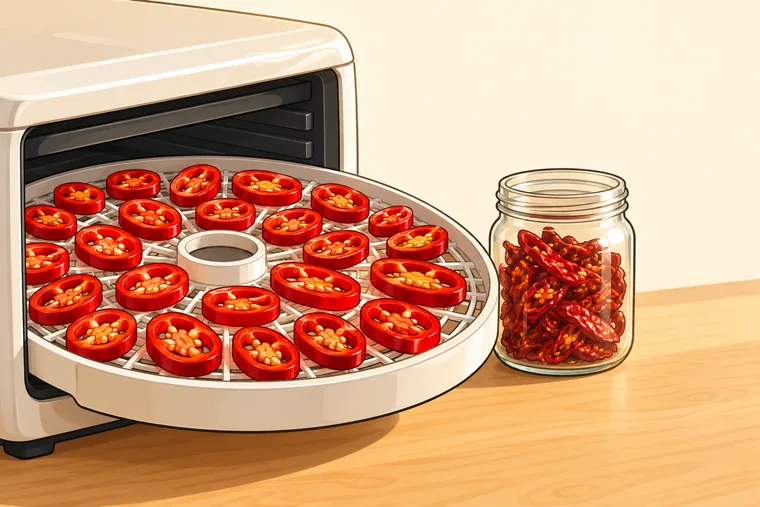
How to Dry Peppers 4 Ways, 8 Hours to 4 Weeks
Temperatures, times and the test that tells you they are done.Oct 18, 2026 · Guide -
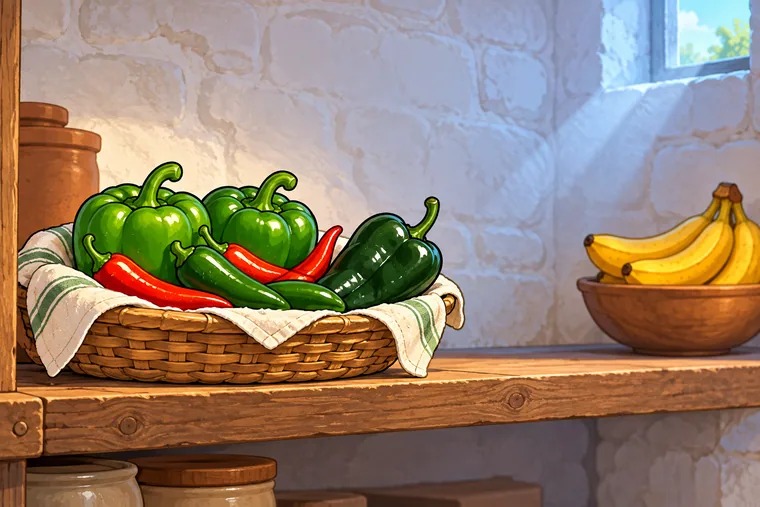
How to Store Peppers for 3 Weeks or a Full Year
Cool but not cold, humid but not wet, away from the fruit bowl: the rules for keeping a bag of peppers good.Oct 18, 2026 · Guide -
Pickled Banana Peppers, a 9-Pint Canning Recipe
A tested sweet pepper pickle, written out in grams, with a hotter jar for the Hungarian wax crowd.Oct 18, 2026 · Recipe -
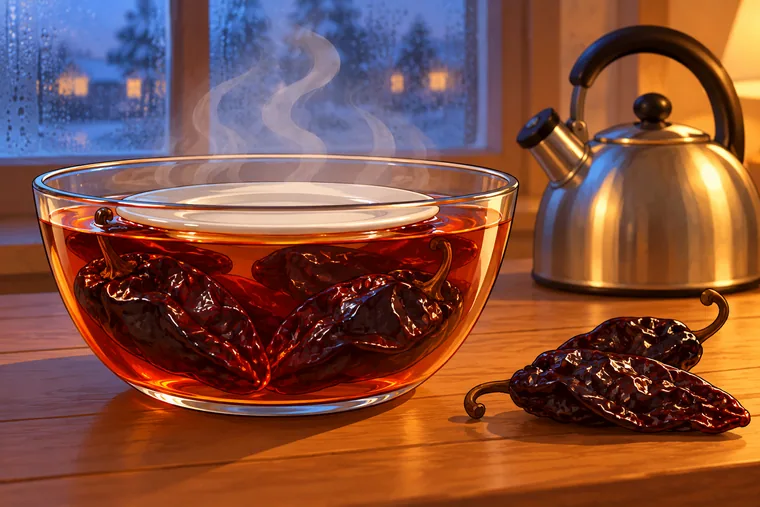
How to Rehydrate Dried Chiles 4 Ways, 30 Min to 2 Hours
Hot water, a simmering pot, a slow cold soak or no soak at all: the dish decides which.Oct 18, 2026 · Guide -
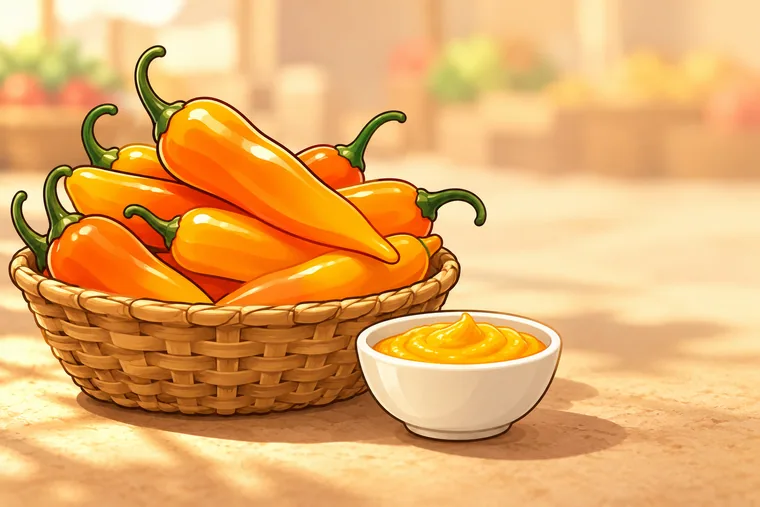
8 Aji Amarillo Substitutes and How Much to Use
Fruity heat and a yellow color, rebuilt from peppers you can buy.Oct 18, 2026 · Guide -
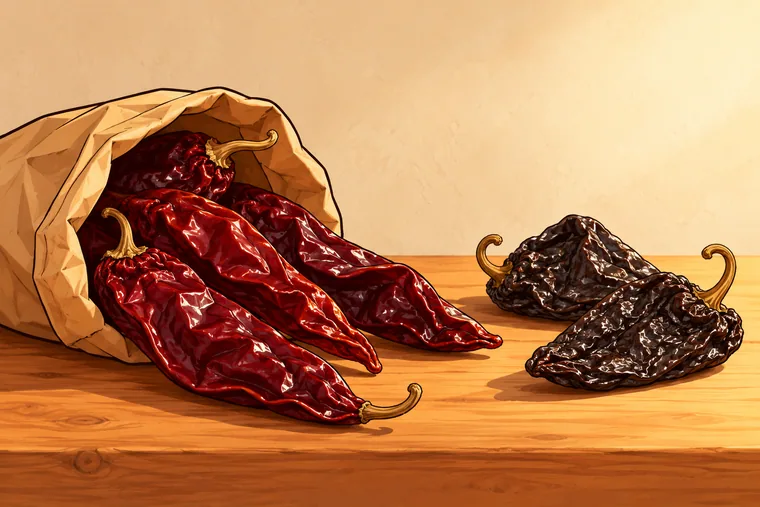
6 Aji Panca Substitutes and How Much to Use
Low heat, deep color, a little smoke: three things to rebuild.Oct 18, 2026 · Guide
Sources
· 22
- 1UF/IFAS Gardening Solutions Peppers by Scoville Units
- 2University of Florida IFAS Extension HS-859/TR010: Pepper Production in Miami-Dade County, Florida
- 3National Center for Home Food Preservation (University of Georgia) Pickled Hot Peppers
- 4New Mexico State University, Chile Pepper Institute (seed shop) Red Cherry Sweet Pepper
- 5The Horticulture Journal (Japanese Society for Horticultural Science) Parthenocarpy Induced Fluctuations in Pungency and Expression of Capsaicinoid Biosynthesis Genes in a Japanese Pungency-variable Sweet Chili Pepper 'Shishito' (Kondo, Hatakeyama, Sakai, Minami, Nemoto, Matsushima)
- 6New Mexico State University, Chile Pepper Institute Chile Terminology
- 7University of Kentucky, Center for Crop Diversification Hot Peppers and Specialty Sweet Peppers, CCD-CP-101 (Kaiser, Ernst)
- 8Antioxidants (MDPI) Antioxidant Profile of Pepper (Capsicum annuum L.) Fruits Containing Diverse Levels of Capsaicinoids (Palma, Terán, Contreras-Ruiz, Rodríguez-Ruiz, Corpas)
- 9Heliyon (Cell Press) A comprehensive review of capsaicin: Biosynthesis, industrial productions, processing to applications, and clinical uses (Maharjan, Vasamsetti, Park)
- 10USDA Agricultural Research Service, FoodData Central (SR Legacy) Peppers, jalapeno, raw (FDC ID 168576)
- 11New Mexico State University, College of Agricultural, Consumer and Environmental Sciences Guide E-327: Using Chile to Make Ristras and Chile Sauce (Coon, Walker; revised 2015)
- 12USDA Agricultural Research Service, FoodData Central (SR Legacy) Peppers, hot chili, red, raw (FDC ID 170106)
- 13USDA Agricultural Research Service, FoodData Central (SR Legacy) Peppers, hot chile, sun-dried (FDC ID 168570)
- 14USDA Agricultural Research Service, FoodData Central (SR Legacy) Spices, pepper, red or cayenne (FDC ID 170932)
- 15Colorado State University Extension, PreserveSmart Drying Peppers-Hot
- 16Penn State Extension Preserving Those Colorful Garden Peppers (Martha Zepp)
- 17National Center for Home Food Preservation (University of Georgia) Causes and Possible Solutions for Problems with Pickled Foods
- 18Food Protection Trends 31(6):336-342 (International Association for Food Protection) Current Food Safety Issues of Home-prepared Vegetables and Herbs Stored in Oil (Nummer, Schaffner, Fraser, Andress)
- 19Penn State Extension Let's Preserve: Peppers (Hirneisen, Zepp, LaBorde)
- 20New Mexico State University Circular 706: The Chile Cultivars of New Mexico State University, 1913–2022 (Coon, Walker, Lozada, Guzman, Bosland)
- 21PRODERNA (J.H. Lüttge GmbH), ingredient supplier, spec for its own product Panca (whole and powder)
- 22PRODERNA (J.H. Lüttge GmbH), ingredient supplier, spec for its own product AJI AMARILLO (whole and powder)
Your pocket pepper index.
Built from the same index as this site.
- Every entry offline
- Compare any two peppers
- Keep a list of peppers you have tried