
8 Best Peppers for Chili, Ranked by Role in the Pot
A mild dried base for body, a smoky one for depth, a small hot one for the burn.
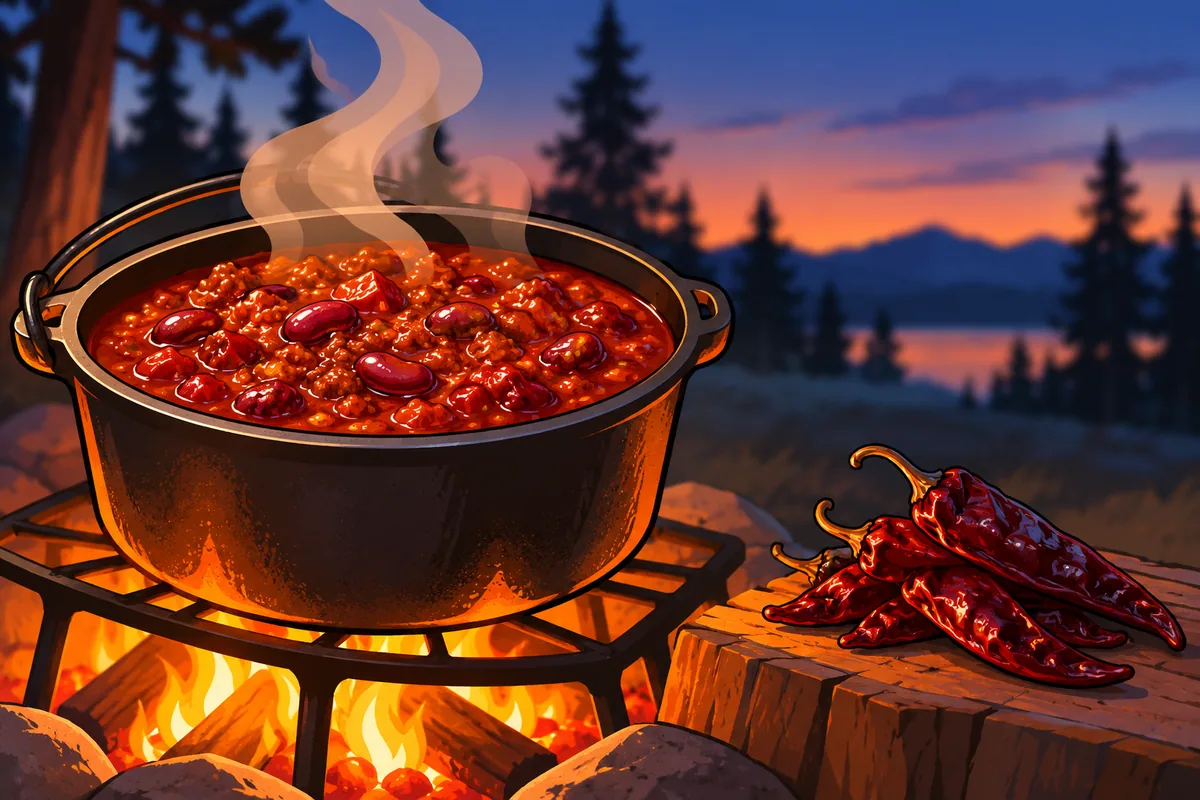
Build chili from a mild dried base (ancho or New Mexican red), add a smoky accent (pasilla or chipotle), then set the heat with a little cayenne.
- NMSU's Big Jim measures 6,500 SHU; cayenne runs 25,000–50,000
- 30 g of Big Jim brings about the heat of 5 g of cayenne
Base, depth and heat
Build the pot from the top rows down: most of the chile from the base, a little from the heat rows.
| # | Pepper | Base | Depth | Heat | Flavor | Heat |
|---|---|---|---|---|---|---|
| 1 | 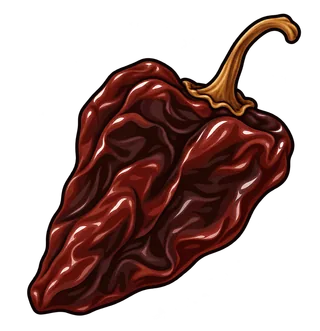 AnchoDried poblano | Base | No | No | Earthy, smoky and fruity | Poblano 1,000–2,000 SHU freshSources for this line1. University of California Agriculture and Natural Resources, UC Master Gardeners of Ventura County3. New Mexico State University, Chile Pepper Institute4. University of Florida IFAS Extension |
| 2 | 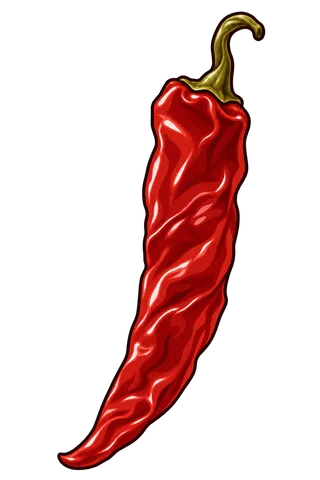 New Mexican redGround into powder | Base | No | No | Red chile ground into cooking powder | Sandia 1,500–2,000; Big Jim 6,500 SHU24 |
| 3 | 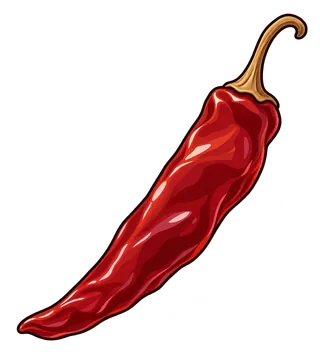 GuajilloDried mirasol | Base | Depth | No | Sweet, fruity, slightly smoky | Mild to medium, no figure given1 |
| 4 | 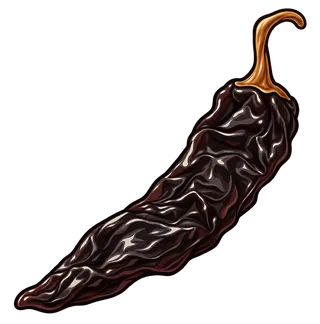 PasillaDried chilaca | No | Depth | No | Smoky, earthy, fruity, chocolate and raisin notes | No figure given1 |
| 5 | 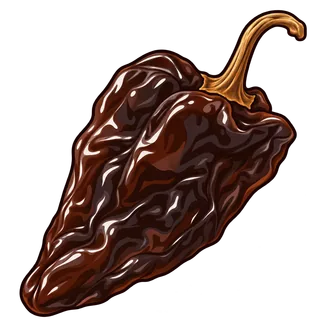 MulatoBrown at maturity | No | Depth | No | Like an ancho, but brown at maturity | No figure given3 |
| 6 | 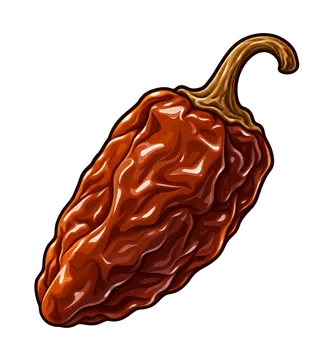 ChipotleSmoke-dried red jalapeño | No | Depth | Heat | Smoke from the drying | Jalapeño 2,000–8,000 SHU fresh34 |
| 7 | 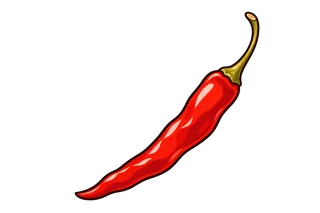 Chile de árbol | No | No | Heat | Fiery heat, smoky flavor | No figure given1 |
| 8 |  CayenneGround | No | No | Heat | Dried powder or flakes | 25,000–50,000 SHU4 |
On this page
What are the best peppers for chili?
Mild dried chiles for the body, a smoky one for depth, and a small hot one for the burn. The role matrix at the top of the page ranks the eight peppers our sources describe by the job each does in your pot, base first.
Use the first two for most of the chile in the pot and the last two only to set the heat. The UC Master Gardeners list pasilla for sauces, rubs and stews1, which is chili's family of dishes, and the New Mexican base has its own cultivars: NMSU grows NuMex Mirasol for dried red fruit ground into cooking powder2.
Think of it as three passes. You build the body with a lot of one mild chile, add a smaller handful of a smoky one, then taste and add heat a pinch at a time.
- BaseAncho or New Mexican red: most of the chile you addMild
- DepthPasilla, mulato, guajillo or chipotle for smoke and dark fruit
- HeatCayenne or chile de árbol, a pinch at a timeHot
- TasteSimmer, taste, then decide if the pot needs more burn
Sources for this line1. University of California Agriculture and Natural Resources, UC Master Gardeners of Ventura County3. New Mexico State University, Chile Pepper Institute4. University of Florida IFAS Extension
How hot will each one make the pot?
The base peppers sit near the top of the mild band; the heat peppers sit an order of magnitude higher. The chart uses the fresh forms with published ranges, so you can see the gap before you measure anything.
How much cayenne equals a New Mexican base?
Work it from the published figures. NMSU measures NuMex Big Jim at 6,500 SHU2, and cayenne runs 25,000 to 50,000 SHU, a midpoint of 37,5004. So 30 g of Big Jim holds 30 × 6,500 = 195,000 SHU-grams, and 195,000 ÷ 37,500 gives about 5.2 g of cayenne, or 3.9 g at the top of its range. The swap calculator above runs the same sums for your own amount.
So if your recipe leans on 30 g of New Mexican chile and you only have cayenne for heat, about 4 to 5 g covers the burn, and you still need a mild chile for body and color. Start at the low end; cayenne ranges wide.
How do you turn dried pods into chili paste?
You soak the pods soft, blend them and simmer the purée. That's the method in NMSU's red chile guide, and it gives you a yield to plan with: 12 to 14 large pods make about 1 pint of purée6.
- 1
Sort the pods
Throw out any pod with mold, insect damage or decay. Pods from a decorative ristra that someone sprayed with plastic, shellac or insecticide are not food.
- 2
Stem, seed and wash
Pull off the stems, shake out the seeds and wash the pods in warm water, lifting them out and changing the water several times.
- 3
Soak in boiling water
Put the pods in a 5-quart pan, cover them with boiling water and leave them for 30 minutes, until the pulp slips away from the skin.6
- 4
Blend and strain
Blend with enough fresh hot water for a smooth purée. Push it through a sieve if you want to lose the bits of skin.
- 5
Simmer
Simmer the purée for 10 minutes before it goes into your pot or your fridge.6
For a toastier flavor, toast the pods first. University of Illinois Extension puts its dried red chile pods in a 200 °F oven for 5 to 10 minutes, turning them often so they don't scorch, then simmers them in water for 15 minutes before blending7.
How many pods does your pot need?
Count backwards from the purée. If your recipe wants 4 cups of red chile purée, that's 2 pints, so plan on 24 to 28 large pods, twice NMSU's 12 to 14 per pint6. A second yardstick: Illinois Extension's red enchiladas use 10 pods for 6 servings7, a little under 2 pods for each person you feed.
Should you use fresh or dried chiles?
Dried, for the base. Drying takes out most of a pod's weight as water, so a spoonful of dried chile holds far more pepper than a spoonful of fresh. Turkey's register for the Maraş pepper puts that water at 75 to 80 % of the fresh weight8.
Fresh still has a place. Stirred in at the end, a diced jalapeño adds the vibrant, grassy flavor the UC Master Gardeners describe1. For green chile without a fresh pod, the NMSU Chile Pepper Institute names chile pasado, dehydrated green chile you reconstitute for cooking3. If you grow your own, the peppers for drying list covers which pods dry best.
What goes wrong with a pot of chili?
Most failures come from the heat pepper or from the pods themselves. Here's what each problem tells you and what to do next time.
Problem, cause, fix
- Too hot: you added the heat pepper too early or too much. Stir in more of the mild base and liquid now. Next time, cut the pale ribs out of the hot pepper, since jalapeños and most chiles make their capsaicinoids only on that inner placenta.9
- Bitter or burnt: the pods scorched while toasting. Turn them often and pull them at 5 to 10 minutes in a 200 °F oven.7
- Gritty sauce: bits of skin got through. Push the purée through a sieve before it goes in.6
- Musty taste: an old or moldy pod went in. Sort every pod first and throw out any with mold or decay.6
- Burning fingers an hour later: you seeded chiles bare-handed. University of Maryland Extension says to wear rubber gloves when you process chiles or clean out seeds.10
Leftovers need care too. NMSU says to refrigerate leftover purée or sauce promptly and to use it or freeze it within 3 days6.
Which chile should you pick for your pot?
Pick by what you have and who you're feeding:
- Only one dried chile in your pantry? Make it the ancho, the dried poblano the UC Master Gardeners call earthy, smoky and fruity1. It can carry a pot alone.
- Cooking New Mexico style? Use ground New Mexican red as your base and keep cayenne for the end.
- Want smoke with no smoker? Add a chipotle, the smoke-dried red jalapeño3.
- Feeding people who avoid heat? Skip cayenne and chile de árbol. A fresh poblano rates only 1,000 to 2,000 SHU4, so an ancho-based pot stays mild.
A pot is a different job from a bottle: the peppers for hot sauce list ranks a hotter set, and the peppers for salsa list covers the fresh side.
Is it chili or chile?
Both, for different things. The NMSU Chile Pepper Institute uses chile for the Capsicum plant or its fruit and keeps chili for the dish of chile powder, beans, tomato and ground beef3. So you make chili from chiles, and this page is about the chiles you put in it.
Quick answers
Can you make chili with only fresh peppers?
You can, but the base changes. Fresh poblanos rate 1,000 to 2,000 SHU; the same pepper dried becomes the ancho, the red, earthy, smoky base most chili recipes lean on.Sources for this line1. University of California Agriculture and Natural Resources, UC Master Gardeners of Ventura County3. New Mexico State University, Chile Pepper Institute4. University of Florida IFAS Extension
Which dried chile adds smoke?
Chipotle, a smoke-dried red jalapeño, brings smoke from the drying itself. Pasilla and guajillo bring a smoky note of their own, per the UC Master Gardeners.13
Is chili powder the same as chile powder?
Not by the NMSU Chile Pepper Institute's terms. Chile means the Capsicum plant or its fruit, so chile powder is ground chile; chili is the dish of chile powder, beans, tomato and ground beef.3
More in Pepper Index
The newest from Pepper Index
-
Carolina Reaper Scoville, 1.64 Million SHU
A fruity, sweet superhot from South Carolina, bred from a habanero and a Naga Viper.Oct 18, 2026 · Pepper -
Ghost Pepper Scoville, About 1 Million SHU
The Bhut Jolokia of Assam, India: the first pepper measured at a million SHU.Oct 18, 2026 · Pepper -
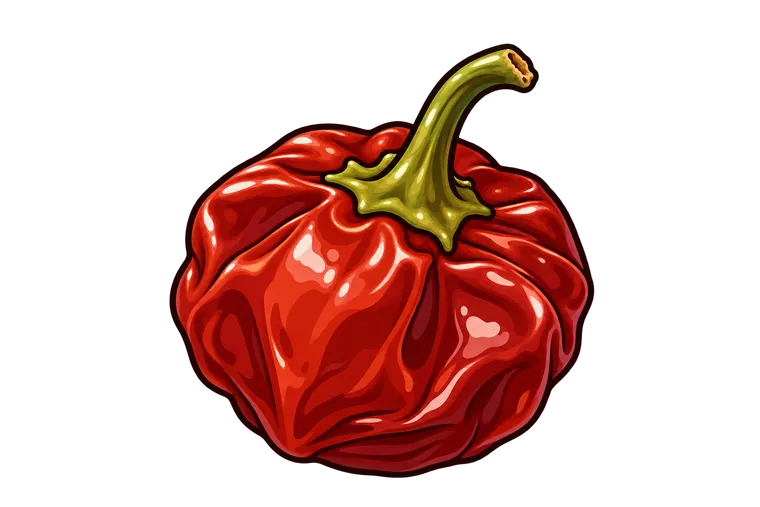
Ñora Pepper, Sweet Pimentón Pod Under 480 SHU
The small round sweet pepper behind Murcia's pimentón.Oct 18, 2026 · Pepper -
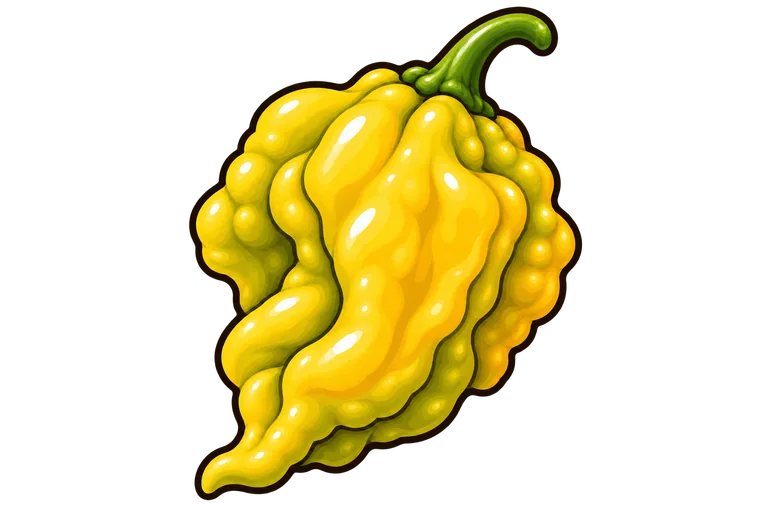
Pepper X Scoville, 2.69 Million SHU and Record
Ed Currie's record pepper from South Carolina, at an average of 2.69 million SHU.Oct 18, 2026 · Pepper -
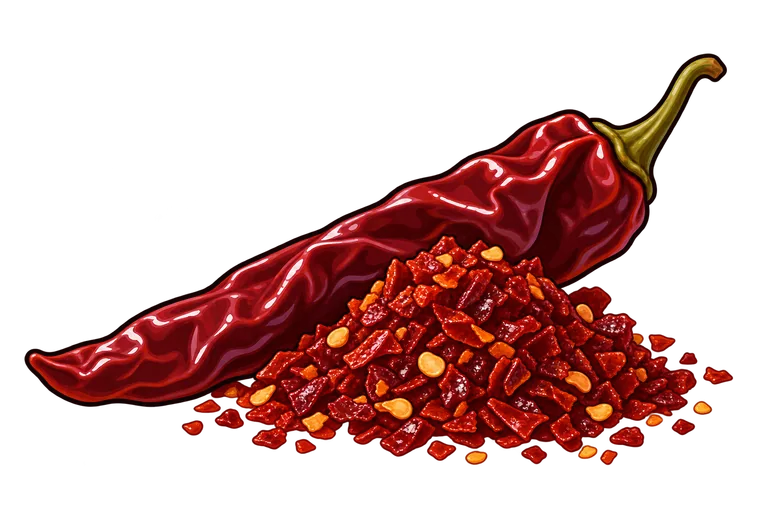
Aleppo Pepper, the Halaby Flake Cured With Oil and Salt
A burgundy flake from the old Silk Road city of Aleppo, sweet and fruity first, with a moderate heat behind it.Oct 18, 2026 · Pepper -
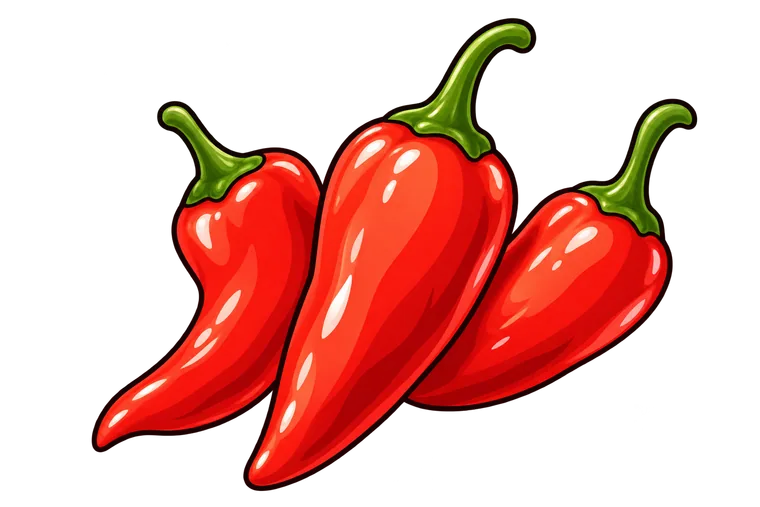
Calabrian Chili Heat, 5,000–70,000 SHU by EU Rule
Peperoncino di Calabria: the protected chili of Italy's toe, sold fresh, on strings, as flakes and as powder.Oct 18, 2026 · Pepper
Sources
· 10
- 1University of California Agriculture and Natural Resources, UC Master Gardeners of Ventura County Ventura Garden to Table Series: Peppers
- 2New Mexico State University Circular 706: The Chile Cultivars of New Mexico State University, 1913–2022 (Coon, Walker, Lozada, Guzman, Bosland)
- 3New Mexico State University, Chile Pepper Institute Chile Terminology
- 4University of Florida IFAS Extension HS-859/TR010: Pepper Production in Miami-Dade County, Florida
- 5UF/IFAS Gardening Solutions Peppers by Scoville Units
- 6New Mexico State University, College of Agricultural, Consumer and Environmental Sciences Guide E-327: Using Chile to Make Ristras and Chile Sauce (Coon, Walker; revised)
- 7University of Illinois Extension Red Enchiladas
- 8Turkish Patent and Trademark Office (TÜRKPATENT), geographical indication register No. 43, Maraş Biberi (designation of origin), amended 2020
- 9Journal of the American Society for Horticultural Science 140(3):253-256 Novel formation of ectopic (nonplacental) capsaicinoid secreting vesicles on fruit walls explains the morphological mechanism for super-hot chile peppers (Bosland, Coon, Cooke)
- 10University of Maryland Extension Growing Peppers in a Home Garden
Your pocket pepper index.
Built from the same index as this site.
- Every entry offline
- Compare any two peppers
- Keep a list of peppers you have tried