
Best Peppers by Use, 13 Picks for Sauce, Salsa and Pickling
Choose the job first, then the pepper.
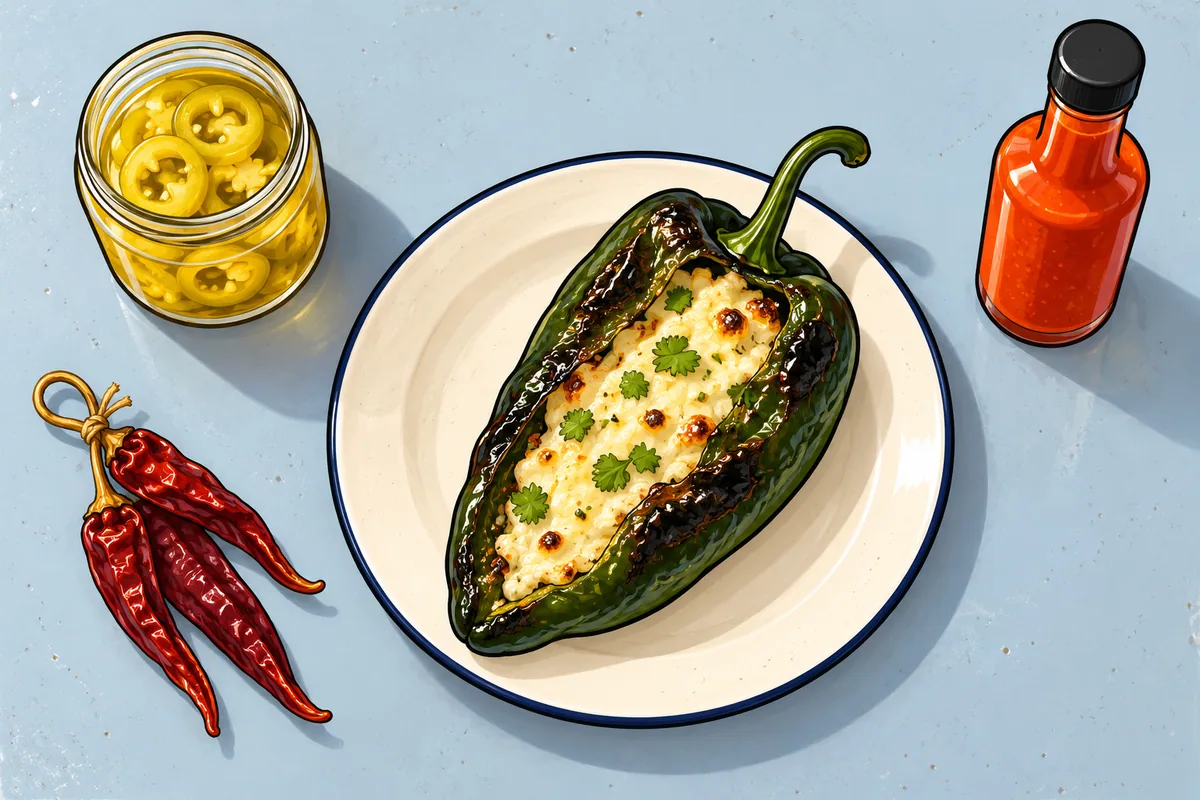
Match the pepper to the job: thin-walled pods dry well, crisp thick ones pickle well, and the hottest go into sauce.
- Banana and cherry peppers are the pickling picks; New Mexican chiles the stuffing one
- A poblano dried is an ancho; a jalapeño smoke-dried is a chipotle
The use matrix
A mark means a primary source names that use. An empty cell means we have not found one yet.
| Pepper |  Hot sauce |  Salsa |  Drying or powder |  Pickling |  Stuffing or frying |
|---|---|---|---|---|---|
 Bell pepper1 | Not named | Not named | Not named | Not named | Cooked vegetable |
| Banana pepper2 | Not named | Not named | Not named | Yes | Not named |
 Cherry pepper2 | Not named | Not named | Not named | Yes | Not named |
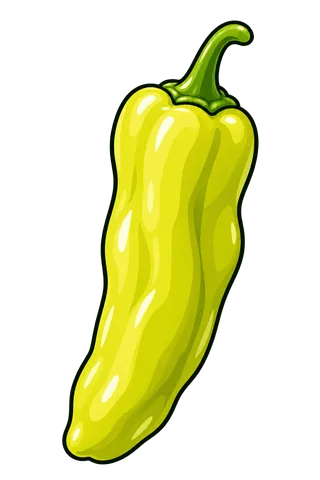 Cubanelle1 | Not named | Not named | Not named | Not named | Frying |
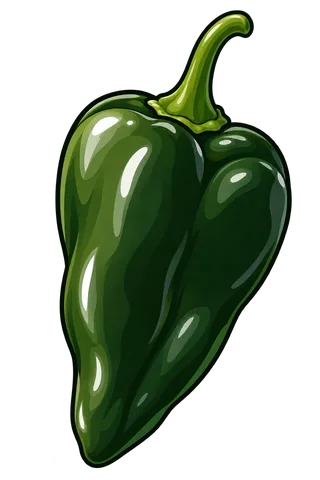 Poblano24 | Not named | Not named | As ancho | Not named | Not named |
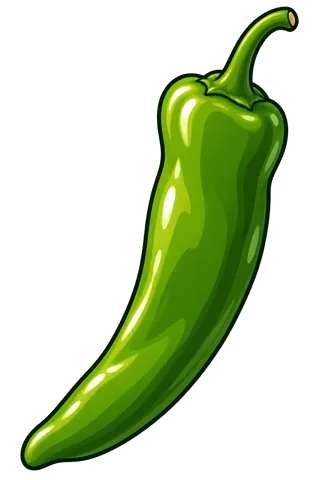 New Mexican, Anaheim14 | Not named | Not named | Ristras and powder | Not named | Rellenos |
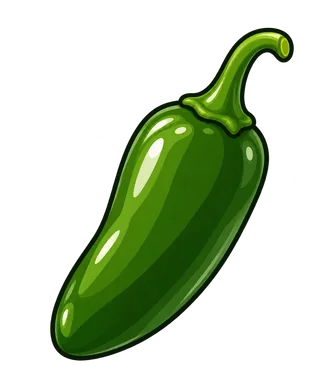 Jalapeño14 | Not named | Yes | Smoked as chipotle | Not named | Not named |
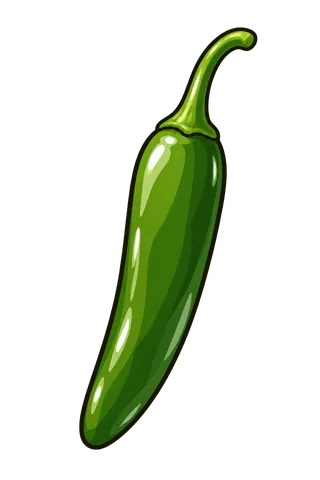 Serrano1 | Not named | Pico de gallo too | Not named | Not named | Not named |
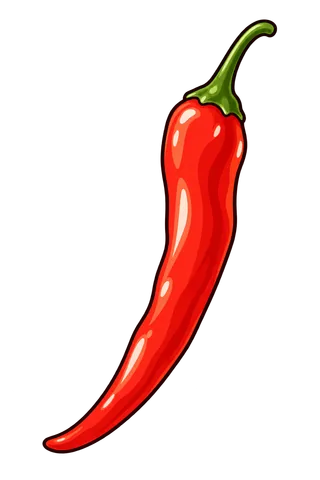 Cayenne1 | Not named | Not named | Powder and flakes | Not named | Not named |
| Tabasco1 | Yes | Not named | Not named | Peppered vinegar | Not named |
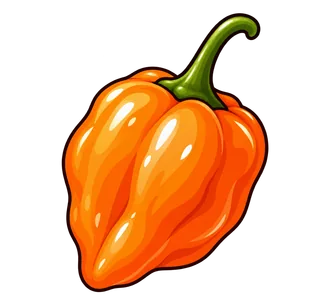 Habanero1 | Yes | Not named | Not named | Not named | Not named |
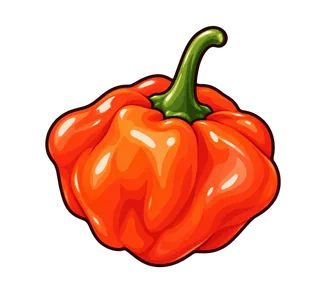 Scotch bonnet1 | Jerk sauce | Not named | Not named | Not named | Not named |
| Maraş pepper3 | Not named | Not named | Powder and flakes | Not named | Not named |
Uses as UF/IFAS, the UC Master Gardeners, the NMSU Chile Pepper Institute and Turkey's patent office name them; the mark next to each pepper opens its source.
-
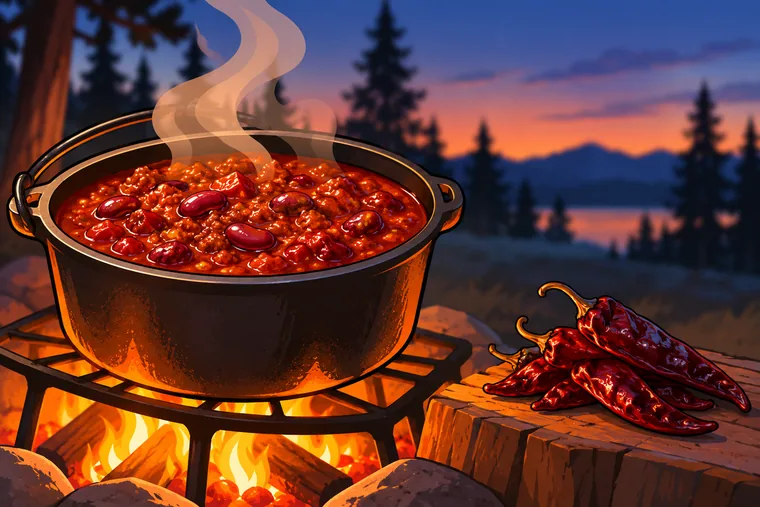 Peppers by use
8 Best Peppers for Chili, Ranked by Role in the Pot
A mild dried base for body, a smoky one for depth, a small hot one for the burn.4 min read -
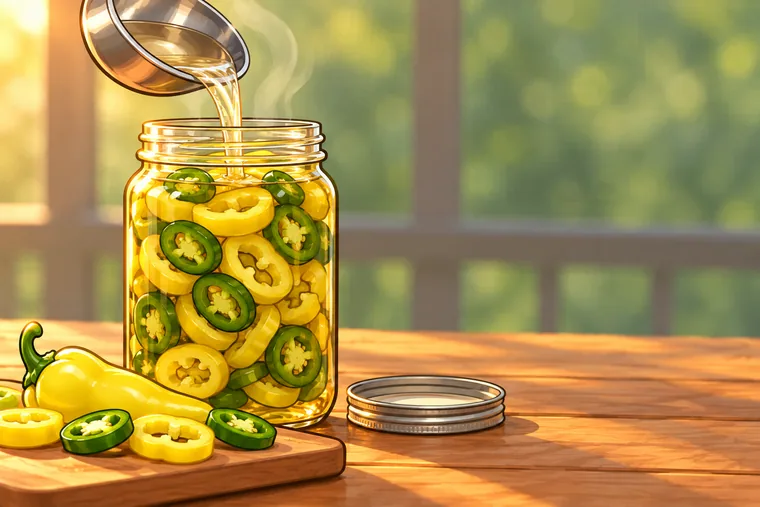 Peppers by use
7 Best Peppers for Pickling, Ranked by Tested Recipes
Thick walls, waxy skins and a tested brine: the peppers extension cooks put in jars.4 min read
Nothing matches this filter yet.
The names peppers take once dried
-
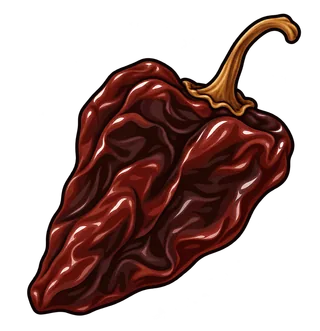 Poblano becomes
Ancho
Dried red; earthy, smoky, fruity24
-
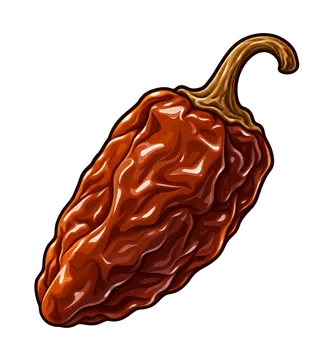 Jalapeño, red becomes
Chipotle
Smoke-dried4
-
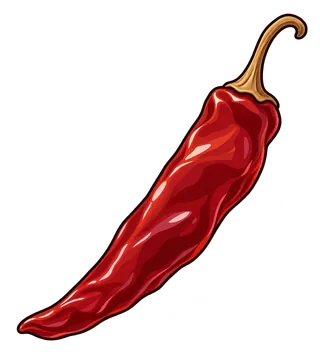 Mirasol becomes
Guajillo
Sweet, fruity, slightly smoky; mild to medium heat2
-
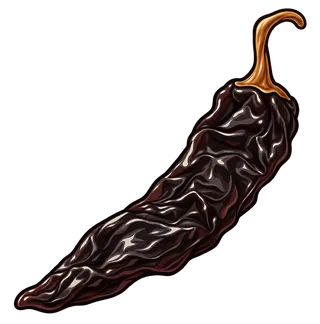 Chilaca becomes
Pasilla
Smoky, earthy, fruity, with chocolate and raisin notes2
-
Green New Mexican chile becomes
Chile pasado
Dehydrated green chile you can reconstitute4
On this page
- 1Which pepper should you use?
- 2Which peppers suit which job?
- 3What are dried peppers called?
- 4How hot is each pick?
- 5What makes a pepper good for drying?
- 6How do you pickle peppers at home?
- 7Can you freeze peppers instead?
- 8Which peppers go into hot sauce and which into salsa?
- 9What goes wrong when you store peppers?
- 10Which one pepper covers the most jobs?
Which pepper should you use?
Start from the job, then check three things about the pod. Our sources keep coming back to the same traits when they say what a pepper is forSources for this line1. University of Florida IFAS Extension2. University of California Agriculture and Natural Resources, UC Master Gardeners of Ventura County3. Turkish Patent and Trademark Office (TÜRKPATENT), geographical indication register:
- Wall thickness: thin flesh dries and fries fast; crisp, thick flesh holds up in a pickle jar.Sources for this line1. University of Florida IFAS Extension2. University of California Agriculture and Natural Resources, UC Master Gardeners of Ventura County3. Turkish Patent and Trademark Office (TÜRKPATENT), geographical indication register
- Heat: the hottest pods go into sauces, where a little goes a long way.1
- Fresh or dried: some peppers change name and flavor once dried or smoked.24
Once you know the job, the tree below gets you to a pod. Each branch names the peppers a primary source ties to that use, so you can shop from it.
- Hot sauceTabasco, habanero, Scotch bonnetExtra-hot
- SalsaJalapeño, serranoMedium
- Drying or powderCayenne, New Mexican, Maraş: thin walls
- PicklingBanana, cherry, jalapeño: crisp walls
- Stuffing or fryingPoblano, New Mexican, cubanelle, bellMild
Sources for this line1. University of Florida IFAS Extension2. University of California Agriculture and Natural Resources, UC Master Gardeners of Ventura County3. Turkish Patent and Trademark Office (TÜRKPATENT), geographical indication register4. New Mexico State University, Chile Pepper Institute5. National Center for Home Food Preservation (University of Georgia, USDA-supported)
Which peppers suit which job?
The use matrix at the top of the page answers it. A mark means a primary source names that use for that pepper; an empty cell means we haven't found one, not that it can't work. Pick your job and read down.
The pattern is simple: the mildest peppers fill the plate, the middle ones go into salsa, the hottest go into the bottle. Each column has its own page, and the cooking with hot peppers pages show you the technique for each job, from roasting to pickling.
What are dried peppers called?
Often something else entirely, which is why a recipe can ask for a pepper you've never seen fresh. The fresh-to-dried pairs above come from the NMSU Chile Pepper Institute and the UC Master Gardeners24. The poblano is the one to remember: dried red, it sells as ancho, the earthy base the peppers for chili list starts from.
How hot is each pick?
Uses line up with heat. The chart puts the matrix peppers with published ranges on one axis, so you can see what each job brings to your plate before you buy.
What makes a pepper good for drying?
Thin flesh. Turkey's register for the Maraş pepper says it suits drying because it has thin skin, and whole pods dry in the sun in about 8 to 12 days3.
New Mexico does the same job hanging up: the NMSU Chile Pepper Institute describes the ristra as a long string of New Mexican chiles kept for storage and decoration4. If you plan to dry a crop of your own, the peppers for drying list ranks the pods that work best.
How do you pickle peppers at home?
Follow a tested recipe, because the vinegar strength and the canner time keep the jar safe. The National Center for Home Food Preservation's pickled hot peppers use Hungarian, banana, chile or jalapeño pods: 4 lb of hot peppers and 3 lb of sweet ones in 5 cups of 5 % vinegar, with 1 cup of water, 4 tsp of pickling salt, 2 tbsp of sugar and 2 cloves of garlic, for about 9 pints5.
The same page tells you to wear rubber gloves for the hot pods, or to wash your hands with soap and water before you touch your face5. For the crunchiest jar, the peppers for pickling list starts from the thick-walled banana and cherry types.
Can you freeze peppers instead?
Yes, and it's the easiest way to keep a big harvest. Hot peppers need no blanching: wash them, pull the stems, pack them with no headspace and freeze7. Sweet peppers give you a choice, and the right one depends on what you'll cook.
Sweet peppers, blanched
Sweet peppers, raw
Which peppers go into hot sauce and which into salsa?
Different heat, different form. Sauce peppers are the hot ones: UF/IFAS names the tabasco, at 30,000 to 50,000 SHU, for Tabasco sauce and peppered vinegar, and the habanero, at 100,000 to 350,000, for hot sauces1. Salsa peppers are milder and fresh: the jalapeño at 2,000 to 8,000 SHU and the serrano, with its bright, biting flavor, at 10,000 to 25,0001.
The gap matters when you swap. A habanero in place of a serrano in a fresh salsa can bring 4 to 35 times the heat per gram, worked from those same ranges (100,000 ÷ 25,000 and 350,000 ÷ 10,000)1. The peppers for hot sauce list ranks the bottle set on its own.
What goes wrong when you store peppers?
The big one is oil. Fresh peppers sitting in oil on your counter give botulism bacteria the low-oxygen setting they need, and a review of home-prepared foods stored in oil names peppers among the foods tied to outbreaks9.
Dried pods fail in a quieter way. NMSU's red chile guide tells you to throw out any pod with mold, insect damage or decay, and warns that ristra pods someone sprayed with plastic, shellac or insecticide are not food10. So a decorative ristra from a gift shop stays on the wall unless you know nobody sprayed it.
Which one pepper covers the most jobs?
If you only buy or grow one kind, pick by the jobs you do most:
- Jalapeño: salsa fresh, a pickle jar, and chipotle once you smoke-dry the red podsSources for this line1. University of Florida IFAS Extension4. New Mexico State University, Chile Pepper Institute5. National Center for Home Food Preservation (University of Georgia, USDA-supported).
- New Mexican chile: stuffed green as rellenos, strung into ristras, or ground into red powder14. The peppers for stuffing list covers the rest of that job.
- Poblano: roasted and stuffed green, then dried red into ancho for your chili pot24.
Quick answers
What pepper is best for pickling?
Banana and cherry peppers. The UC Master Gardeners say banana peppers are often pickled, for their crisp thick flesh, and call cherry peppers ideal for pickling.2
What pepper is used for chiles rellenos?
The New Mexican chile. The NMSU Chile Pepper Institute defines rellenos as a dish of stuffed fresh New Mexican chiles, the long green pod type that includes the Anaheim.4
More in Pepper Index
The newest from Pepper Index
-
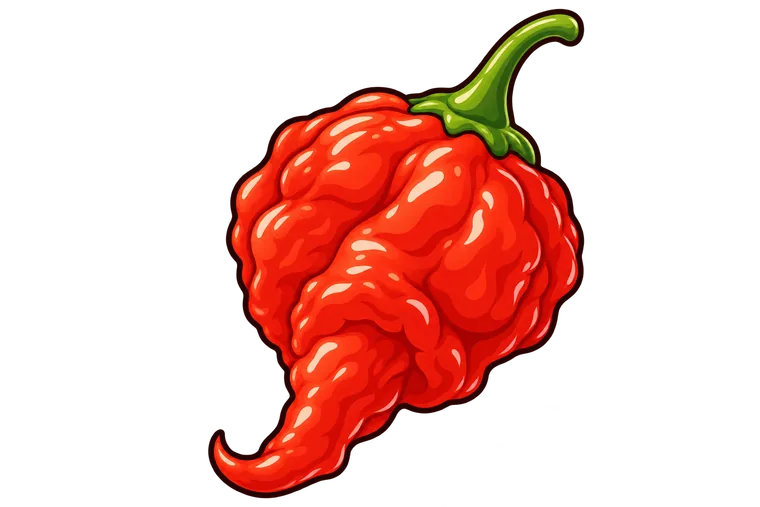
Carolina Reaper Scoville, 1.64 Million SHU
A fruity, sweet superhot from South Carolina, bred from a habanero and a Naga Viper.Oct 18, 2026 · Pepper -
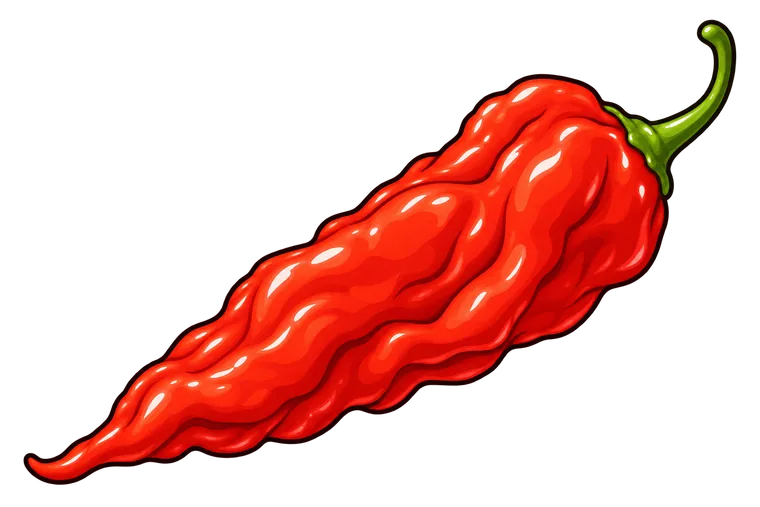
Ghost Pepper Scoville, About 1 Million SHU
The Bhut Jolokia of Assam, India: the first pepper measured at a million SHU.Oct 18, 2026 · Pepper -
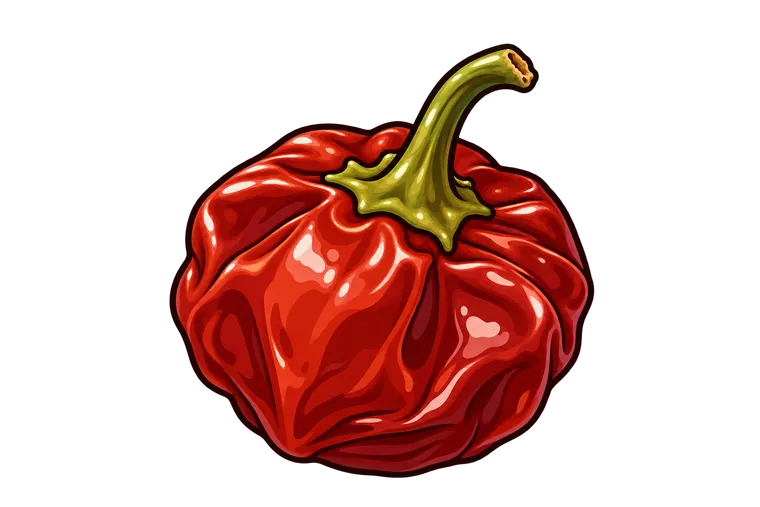
Ñora Pepper, Sweet Pimentón Pod Under 480 SHU
The small round sweet pepper behind Murcia's pimentón.Oct 18, 2026 · Pepper -
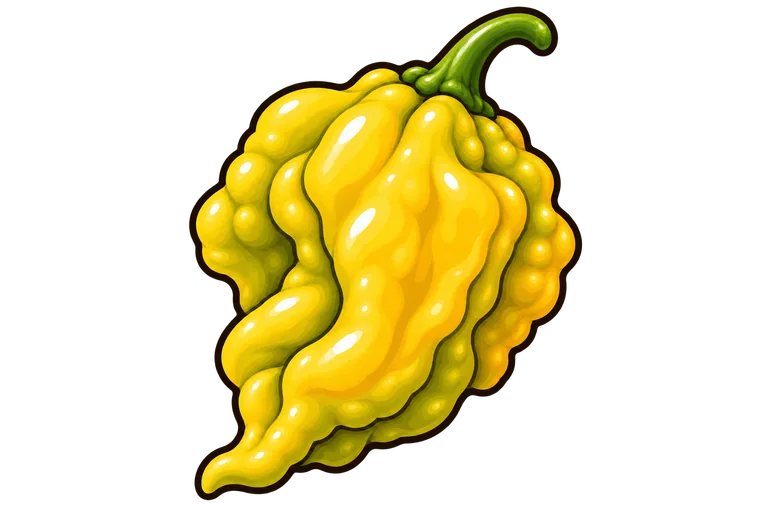
Pepper X Scoville, 2.69 Million SHU and Record
Ed Currie's record pepper from South Carolina, at an average of 2.69 million SHU.Oct 18, 2026 · Pepper -
Aleppo Pepper, the Halaby Flake Cured With Oil and Salt
A burgundy flake from the old Silk Road city of Aleppo, sweet and fruity first, with a moderate heat behind it.Oct 18, 2026 · Pepper -
Calabrian Chili Heat, 5,000–70,000 SHU by EU Rule
Peperoncino di Calabria: the protected chili of Italy's toe, sold fresh, on strings, as flakes and as powder.Oct 18, 2026 · Pepper
Sources
· 11
- 1University of Florida IFAS Extension HS-859/TR010: Pepper Production in Miami-Dade County, Florida
- 2University of California Agriculture and Natural Resources, UC Master Gardeners of Ventura County Ventura Garden to Table Series: Peppers
- 3Turkish Patent and Trademark Office (TÜRKPATENT), geographical indication register No. 43, Maraş Biberi (designation of origin), amended 2020
- 4New Mexico State University, Chile Pepper Institute Chile Terminology
- 5National Center for Home Food Preservation (University of Georgia, USDA-supported) Pickled Hot Peppers
- 6UF/IFAS Gardening Solutions Peppers by Scoville Units
- 7National Center for Home Food Preservation (University of Georgia, USDA-supported) Freezing Hot Peppers
- 8National Center for Home Food Preservation (University of Georgia, USDA-supported) Freezing Bell or Sweet Peppers
- 9Food Protection Trends 31(6):336-342 (International Association for Food Protection) Current Food Safety Issues of Home-prepared Vegetables and Herbs Stored in Oil (Nummer, Schaffner, Fraser, Andress)
- 10New Mexico State University, College of Agricultural, Consumer and Environmental Sciences Guide E-327: Using Chile to Make Ristras and Chile Sauce (Coon, Walker; revised)
- 11New Mexico State University Circular 706: The Chile Cultivars of New Mexico State University, 1913–2022 (Coon, Walker, Lozada, Guzman, Bosland)
Your pocket pepper index.
Built from the same index as this site.
- Every entry offline
- Compare any two peppers
- Keep a list of peppers you have tried