
Capsicum Species and the 5 Crop Peppers Among 43
Five crop species, one key you can run on your own plant.
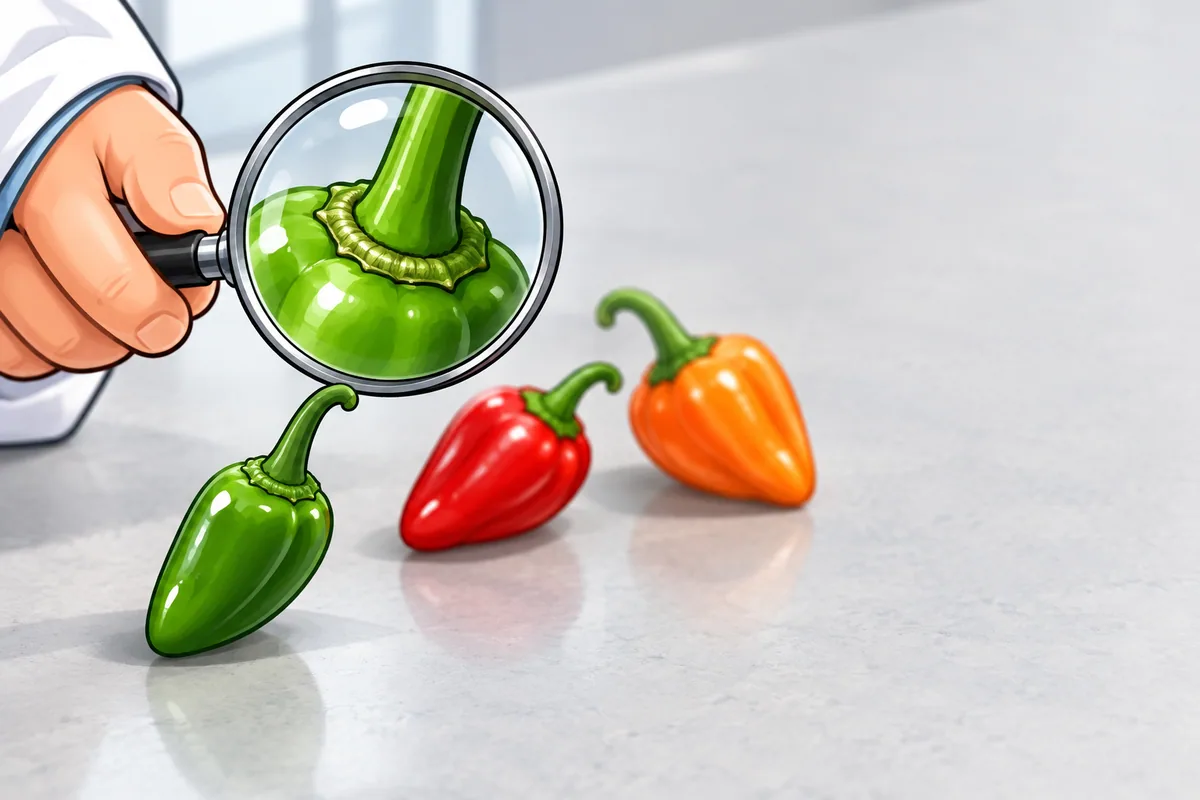
Capsicum has 43 species; five of them, annuum, chinense, frutescens, baccatum and pubescens, are the crop peppers.
- Flowers, the calyx and seed color sort them in four checks
- C. annuum alone holds 4,343 records in the USDA germplasm system
One genus, five crops
-
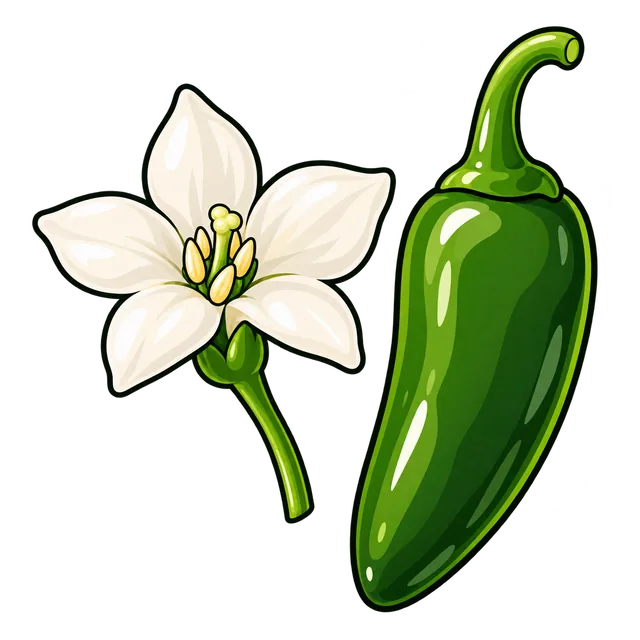 C. annuum
One white flower per node
Smooth cap, no ring
Central-east Mexico, over 6,500 years ago1
-
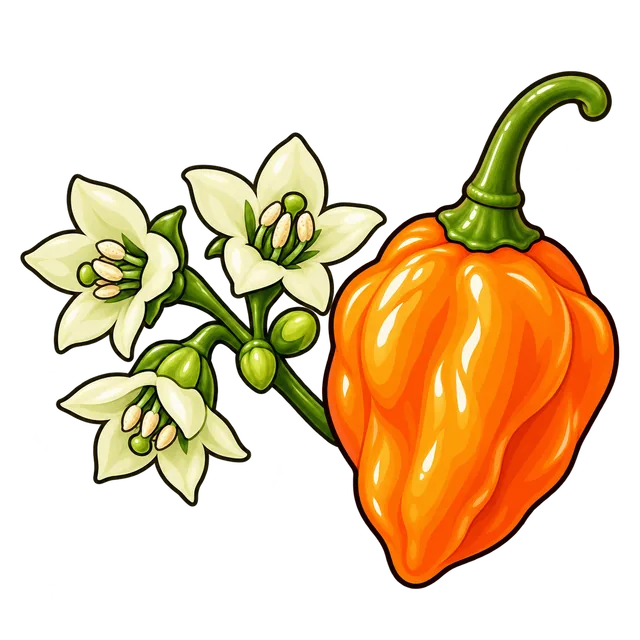 C. chinense
Two to five greenish-white flowers
A ring where the cap meets the stalk
North-central Amazon Basin lowlands, Brazil1
-
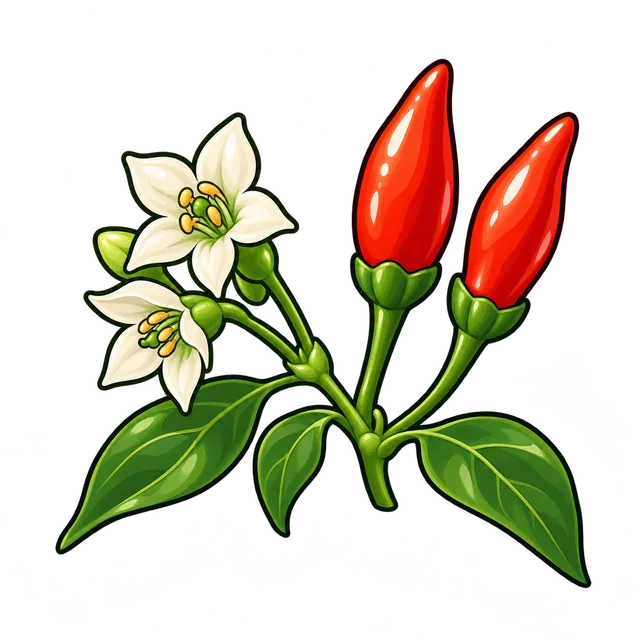 C. frutescens
Two to five greenish-white flowers
Deep cup-shaped cap, no ring
Lowland tropical America, Brazil to the West Indies1
-
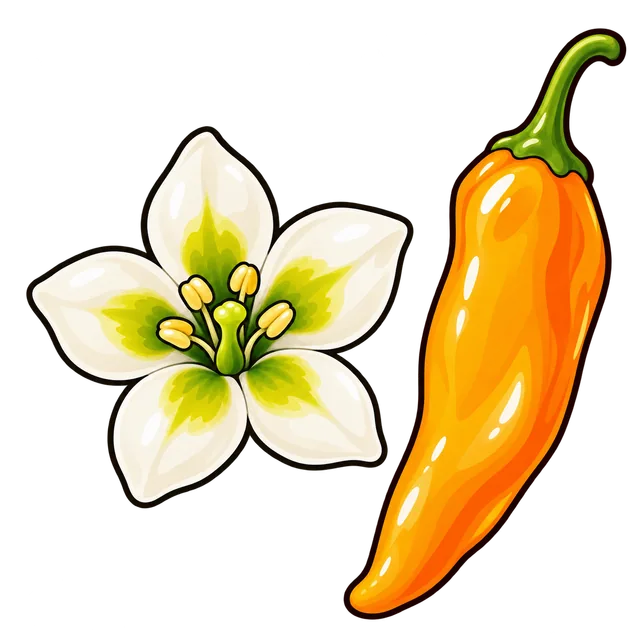 C. baccatum
White with greenish-yellow spots
Pale yellow seeds
Low to mid Andes, mainly Bolivia and Peru1
-
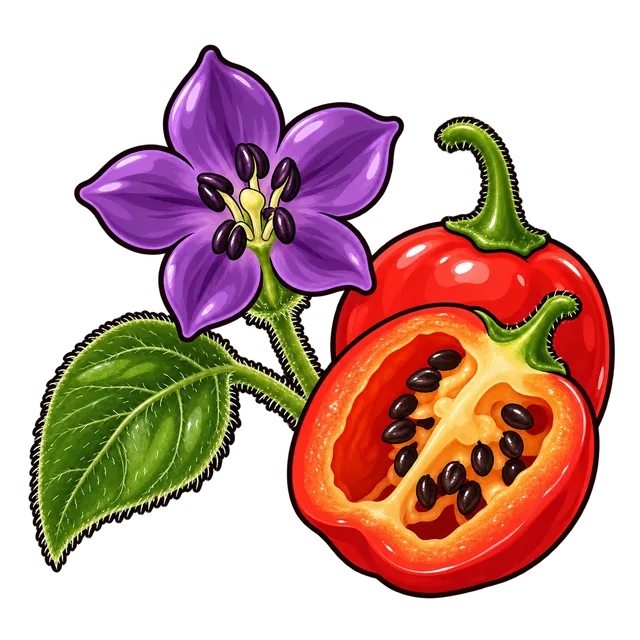 C. pubescens
Dark purple flowers, hairy leaves
Black seeds, 5.5–7 mm
Mid-elevation southern Andes, Bolivia and Peru18
The five species and the peppers you know
Pod types from the University of Guam, seed samples from the USDA germplasm system, entries from this index.
| Species | Pod types | USDA seed samples | In this index |
|---|---|---|---|
| C. annuum | Bell, wax, cayenne, jalapeño, bird2 | 4,3433 | Aleppo pepper AnaheimBird's eye chili  Calabrian chiliCascabel  Cayenne  Cherry  Chiltepin  Count dracula  CubanelleEspelette pepper  Guajillo  GypsyHatch chile  JalapeñoJwala pepper  Mirasol  NoraPaprikaPasilla  PeperoncinoPeter pepperPiquillo pepper  Poblano  Serrano  Thai chili |
| C. chinense | Scotch bonnet, habanero, ghost, scorpion2 | 5369 | Ají charapita Aji pancaBiquinho  Carolina ReaperChocolate Bhutlah 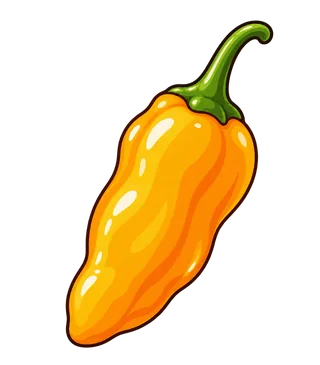 DatilDragon's Breath pepper 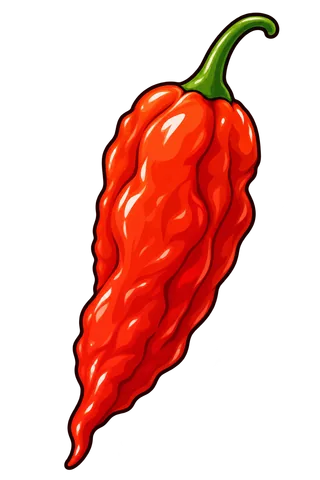 Ghost pepper 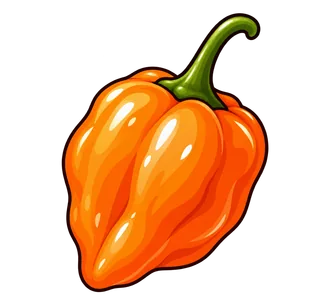 HabaneroKomodo Dragon pepper 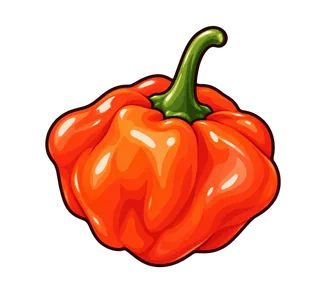 Scotch bonnet  Trinidad Moruga Scorpion |
| C. frutescens | Tabasco, Thai, malagueta2 | 58710 | Piri piri Siling labuyoTabasco pepper |
| C. baccatum | Ají2 | 4711 |  Peppadew |
| C. pubescens | Rocoto2 | 1338 | No entry yet |
Where the wild species grow
About half of all Capsicum species grow in only one South American country.
Species that grow wild in that country and nowhere else.1
On this page
How many Capsicum species are there?
If you go by the genus monograph published in 2022, there are 43 species, and five of them are domesticated crops: C. annuum, C. chinense and C. frutescens, grown all over the world, plus C. baccatum and C. pubescens, grown mainly in South America1. Nearly every pepper you can buy fresh or dried comes from one of those five.
That last number explains a lot of the confusion you see online. Botanists have given the peppers you eat 265 names over the centuries, and the monograph's revision folded most of them into the 43 species1. If an old seed catalog lists a "species" you can't find here, it's probably one of those retired names.
How do you tell the five crop species apart?
You look at the flower and the cap, then the seeds. The monograph's key to the domesticated species runs in four checks1, and you can do all of them on a plant in flower with a pod or two on it.
- 1
Check the teeth on the calyx
The calyx is the green cap. No teeth, or tiny ones under 0.5 mm: go to check 2. Teeth longer than 0.5 mm: go to check 4.1
- 2
Count the flowers at each node
One flower, rarely two, with a pure white corolla and fruit that can reach 300 mm: C. annuum. Two to five dull white or greenish-white flowers and fruit up to 100 mm: go to check 3.1
- 3
Look for a ring where the cap meets the stalk
A prominent ring-shaped narrowing and a flat or shallow cup cap: C. chinense. A deep cup-shaped cap with no ring and long, narrow, triangular fruit: C. frutescens.1
- 4
Check the flower color and the seeds
Hairy leaves, dark purple flowers and brownish-black to black seeds 5.5 to 7 mm long: C. pubescens. Smooth leaves, white flowers with large greenish-yellow spots and pale yellow seeds: C. baccatum.1
Check 3 is the one worth your time: a ring under the cap means C. chinense, and that's where nearly every superhot sits. The habanero, the Scotch bonnet and the scorpion types all carry it, so you can spot them by the cap alone.
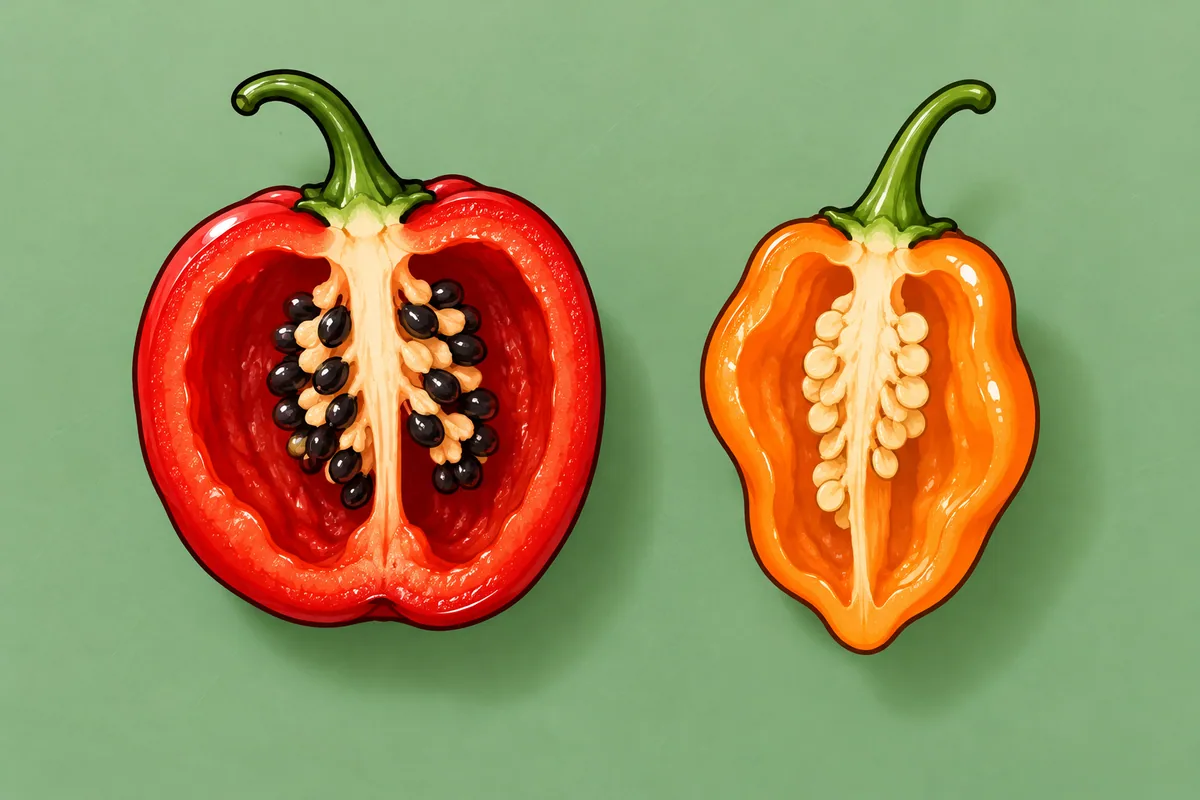
The seed check works even on a pod you bought at the store. Slice a rocoto and a habanero side by side and the difference jumps out: the monograph gives C. pubescens the largest seeds in the genus, brownish-black to black1.
Where did each species become a crop?
You'd find their homes in five different parts of Central and South America. The monograph says people domesticated the five independently, each for its fruit, and the species tree at the top of this page shows you each one's home1.
The oldest trace you can point to is older than any of those dates. Capsicum remains turn up at human settlements in northern Peru from about 8000 BCE, and people used chiles as a spice by 6000 to 6500 BCE1.
Which species are the peppers you know?
Most of the peppers you know are C. annuum. The species band above follows the University of Guam's species table for pod types2 and USDA's germplasm system for how many seed samples it holds of each species. C. annuum alone accounts for 4,343 records, more than the other four put together3.
Two rows can trip you up. UF/IFAS files the Thai pepper under C. annuum, not C. frutescens4, and the Thai chili entry lays out that dispute. The ghost pepper fits no single row: UF/IFAS describes it as a hybrid, mostly C. chinense with C. frutescens4.
Does the species tell you how hot a pepper is?
It tells you the ceiling, not the number. C. annuum runs from a bell pepper at 0 SHU to a Thai pepper at 50,000 to 100,000, while C. chinense starts at the cachucha's 500 to 1,500 SHU and climbs to the superhots5.
Log scale; bars are published ranges.Sources for this line1. PhytoKeys 200:1-423 (Pensoft)4. University of Florida IFAS Extension5. UF/IFAS Gardening Solutions6. HortScience 42(2):222-224
The overlap is the part you can use. A mild C. chinense exists, and so does a hot C. annuum, so the species helps you guess and the entry's published range settles it.
Does species change how you grow a pepper?
Yes, mostly in how long you wait. University of Maryland Extension puts most sweet and hot types at 70 to 85 days from transplanting and habanero types, which are C. chinense, at 90 to 1207. That extra month decides whether a short summer gives you ripe pods, and the growing guides start from there.
What about the wild species?
You will rarely meet the other 38 species: they stay mostly wild and mostly local. About half of all Capsicum species grow in only one South American country, and Brazil alone holds 14 of them1. The wild-species band above gives you the counts.
The exception is the wild form of C. annuum, var. glabriusculum, which the monograph calls the most widely spread member of the genus, from the southern United States to northern Bolivia and Brazil1. In Mexico the monograph records it under names such as chiltepín and piquín, so it's the tiny wild pepper you may know as the chiltepin.
Quick answers
Are bell peppers and jalapeños the same species?
Yes. UF/IFAS Extension lists both under Capsicum annuum, along with cayenne, poblano, Anaheim and serrano. A bell pepper rates zero Scoville units and a jalapeño 2,000 to 8,000, so one species covers both ends of the mild-to-medium range.5
What species is the ghost pepper?
It's a hybrid. UF/IFAS describes Bhut Jolokia as an interspecific hybrid, mostly C. chinense with some C. frutescens, based on DNA tests.4
Which species has the hottest peppers?
Capsicum chinense. UF/IFAS Gardening Solutions notes that some of the hottest cultivars in the world belong to it, and the habanero, Scotch bonnet and the scorpion types are all chinense.5
Can different pepper species cross?
Some can. The genus monograph notes close affinities between C. annuum, C. frutescens and C. chinense, and says gene flow may be happening where C. chinense and C. frutescens grow side by side.1
More in Pepper Index
The newest from Pepper Index
-
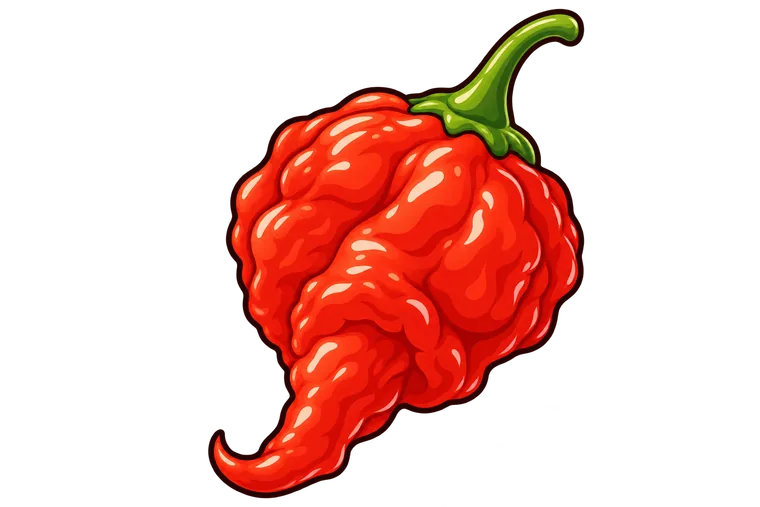
Carolina Reaper Scoville, 1.64 Million SHU
A fruity, sweet superhot from South Carolina, bred from a habanero and a Naga Viper.Oct 18, 2026 · Pepper -
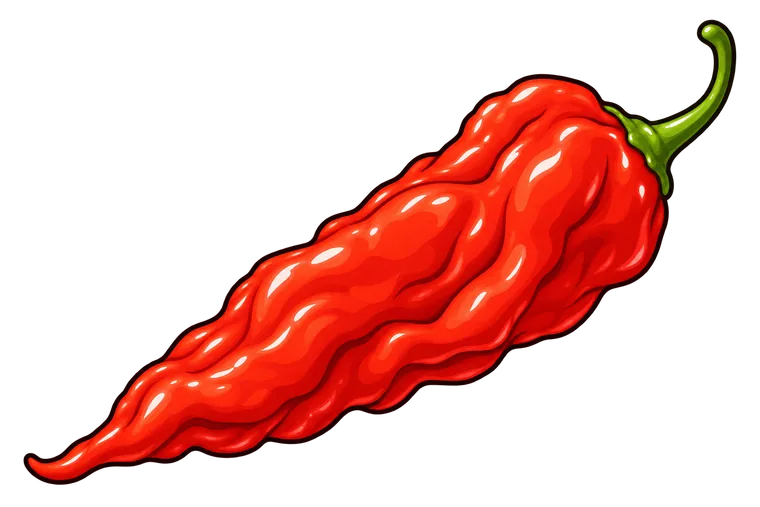
Ghost Pepper Scoville, About 1 Million SHU
The Bhut Jolokia of Assam, India: the first pepper measured at a million SHU.Oct 18, 2026 · Pepper -
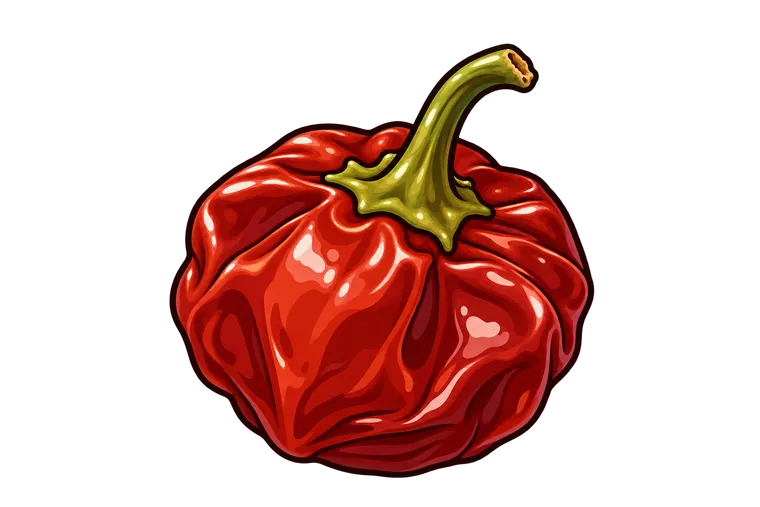
Ñora Pepper, Sweet Pimentón Pod Under 480 SHU
The small round sweet pepper behind Murcia's pimentón.Oct 18, 2026 · Pepper -
Pepper X Scoville, 2.69 Million SHU and Record
Ed Currie's record pepper from South Carolina, at an average of 2.69 million SHU.Oct 18, 2026 · Pepper -
Aleppo Pepper, the Halaby Flake Cured With Oil and Salt
A burgundy flake from the old Silk Road city of Aleppo, sweet and fruity first, with a moderate heat behind it.Oct 18, 2026 · Pepper -
Calabrian Chili Heat, 5,000–70,000 SHU by EU Rule
Peperoncino di Calabria: the protected chili of Italy's toe, sold fresh, on strings, as flakes and as powder.Oct 18, 2026 · Pepper
Sources
· 11
- 1PhytoKeys 200:1-423 (Pensoft) Monograph of wild and cultivated chili peppers (Capsicum L., Solanaceae)
- 2University of Guam, College of Natural and Applied Sciences, Cooperative Extension and Outreach FPP-05: Hot Pepper (Capsicum spp.), Important Crop on Guam (Tuquero, Chargualaf, Marutani)
- 3USDA Agricultural Research Service, Germplasm Resources Information Network (GRIN) Taxon: Capsicum annuum L.
- 4University of Florida IFAS Extension HS-859/TR010: Pepper Production in Miami-Dade County, Florida
- 5UF/IFAS Gardening Solutions Peppers by Scoville Units
- 6HortScience 42(2):222-224 'Bhut Jolokia', the world's hottest known chile pepper, is a putative naturally occurring interspecific hybrid (Bosland and Baral)
- 7University of Maryland Extension Growing Peppers in a Home Garden
- 8USDA Agricultural Research Service, Germplasm Resources Information Network (GRIN) Taxon: Capsicum pubescens Ruiz & Pav.
- 9USDA Agricultural Research Service, Germplasm Resources Information Network (GRIN) Taxon: Capsicum chinense Jacq.
- 10USDA Agricultural Research Service, Germplasm Resources Information Network (GRIN) Taxon: Capsicum frutescens L.
- 11USDA Agricultural Research Service, Germplasm Resources Information Network (GRIN) Taxon: Capsicum baccatum L.
Your pocket pepper index.
Built from the same index as this site.
- Every entry offline
- Compare any two peppers
- Keep a list of peppers you have tried