
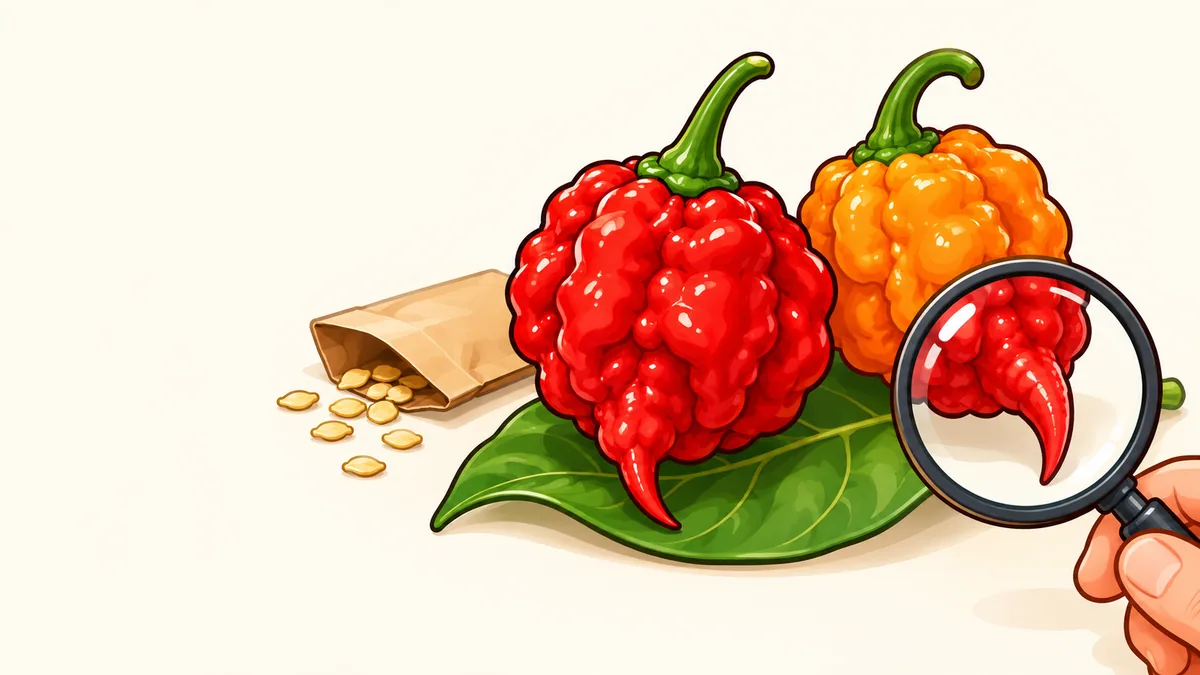
Trinidad Moruga Scorpion, 1.2–2 Million SHU
A lumpy, tailed superhot from Trinidad that topped NMSU's 2012 heat study.
 Super-hot
Short answer
1,200,000–2,000,000 SHU
- More than 1.2 million SHU on average across plants in NMSU's 2012 field study
- Two single plants passed 2 million SHU, almost twice an average ghost pepper
On this page
- 1How hot is a Trinidad Moruga Scorpion?
- 2How did it rank against the other superhots NMSU grew?
- 3Was it ever the world's hottest pepper?
- 4Where does the Trinidad Moruga Scorpion come from?
- 5What species is it?
- 6Which scorpion types and colors are there?
- 7What does a Trinidad Moruga Scorpion taste like?
- 8What happens if you eat a whole one?
- 9How do you handle it safely?
- 10Should you cook with it, and how?
- 11Can you grow a Moruga Scorpion?
- 12What do people make with it?
How hot is a Trinidad Moruga Scorpion?
In New Mexico State University's 2012 field study it averaged more than 1.2 million Scoville heat units, the highest mean of the five superhots tested, and two single plants passed 2 million1. The index shows you that spread, 1.2 to 2 million SHU, because both ends come from the same trial.
Log scale; bars are published ranges.Sources for this line1. New Mexico State University News Center4. University of Florida IFAS Extension5. HortScience 42(2):222-2246. PhytoKeys 200:1-423 (Pensoft)7. Guinness World Records
That mean is roughly 240 times an average jalapeño at about 5,000 SHU4. The 2-million plants matter more in the kitchen: NMSU put them at almost twice an average Bhut Jolokia1, and you can't tell from the outside which pod you're holding.
| Figure | Kind of figure |
|---|---|
| more than 1,200,000 SHU1 | Mean across randomly picked fruit from several plants, NMSU research field, 2012 |
| more than 2,000,000 SHU1 | Two single plants in the same study |
| 2,000,000 SHU8 | Rounded figure on NMSU's list of chiles it has tested |
| 2,200,000 SHU4 | Figure with no method given |
| 2,009,231 SHU3 | Called a Guinness record by a UWI article; Guinness itself does not list it (see below) |
Read the mean as what your typical pod does and the 2 million as what one plant in a field can do. The UF/IFAS and UWI numbers sit inside or near that top end, but neither says how anyone measured it, so we keep them out of the range.
How did NMSU test it?
If you wonder why we trust this number, the Chile Pepper Institute grew each superhot in one research field under standard southern New Mexico practice, then dried and ground randomly picked mature fruit from several plants and extracted the capsaicinoids1. That design is why its mean carries more weight than any single record pod.
How did it rank against the other superhots NMSU grew?
It came first of five, but not by much, and you can see how close the field was. All five grew in the same New Mexico field, so the means compare like for like1:
1.2M+Trinidad Moruga Scorpion, mean SHU1
1.17MChocolate 7-pot, almost1
1.06M+7-pot1
1.03MTrinidad Scorpion, almost1
1.02MBhut Jolokia, almost1
The gap from first to last is under 200,000 SHU, less than the spread you'd find between two Moruga plants. The same release notes that chiles of one variety often vary in heat even in one field or on one plant1, so the ranking tells you about the variety, not about the pod in your hand.
Was it ever the world's hottest pepper?
It held NMSU's title, not the Guinness one, and you'll see both claims repeated online. NMSU named it the hottest pepper on the planet in February 2012 on the strength of its mean1. Guinness, in its 2013 Carolina Reaper announcement, names the Trinidad Scorpion Butch T as the record holder before the Reaper9.
- March 2011
Trinidad Scorpion Butch T
Rated at 1,463,700 SHU and listed by Guinness as the record holder.9
- February 2012
Trinidad Moruga Scorpion
NMSU's Chile Pepper Institute names it the hottest pepper it has measured, at a mean above 1.2 million SHU.1
- September 2012
UWI article
A UWI researcher reports a 2,009,231 SHU record for the Moruga Scorpion, describing it as a Guinness World Record.3
- November 2013
Carolina Reaper
Guinness confirms the Reaper as the new record, replacing the Butch T.9
The full run of record holders, Pepper X included, sits in the timeline on the superhot peppers page.
You'll find the head-to-head with the pepper that took the record next in the Moruga Scorpion against the Carolina Reaper.
Bill Moore's Hot & Spicy Reviews posted this 2013 pod review with Jim Duffy of Refining Fire Chiles, so you can see what a Moruga pod looks like up close, and remember that its "world's hottest" label dates from the year it was made, since the record has changed hands since.
Where does the Trinidad Moruga Scorpion come from?
From Trinidad, and the name tells you so. A UWI article from St. Augustine counts the Moruga Scorpion among the Trinidad peppers that made world news, and its researchers describe the island's Capsicum chinense peppers as native to the Caribbean and northern South America3.
The same team's DNA work traces those peppers back to an Upper Amazon gene pool, with one likely route running from the Amazon basin through the Guianas into Venezuela, Trinidad and Tobago3. The genus monograph cites that work: Caribbean C. chinense probably came from Upper Amazon progenitors and diverged through isolation6. The Caribbean peppers hub puts the Moruga beside its island neighbors.
What species is it?
Capsicum chinense, the habanero's species. The University of Guam's species table files scorpion types under C. chinense2, and UWI calls Trinidad's local peppers by the same name3.
You can check a pod yourself in your kitchen. The genus monograph names a ring-shaped narrowing where the cap meets the stem as the key mark of C. chinense6, the same ring you'd find on a Scotch bonnet.
Which scorpion types and colors are there?
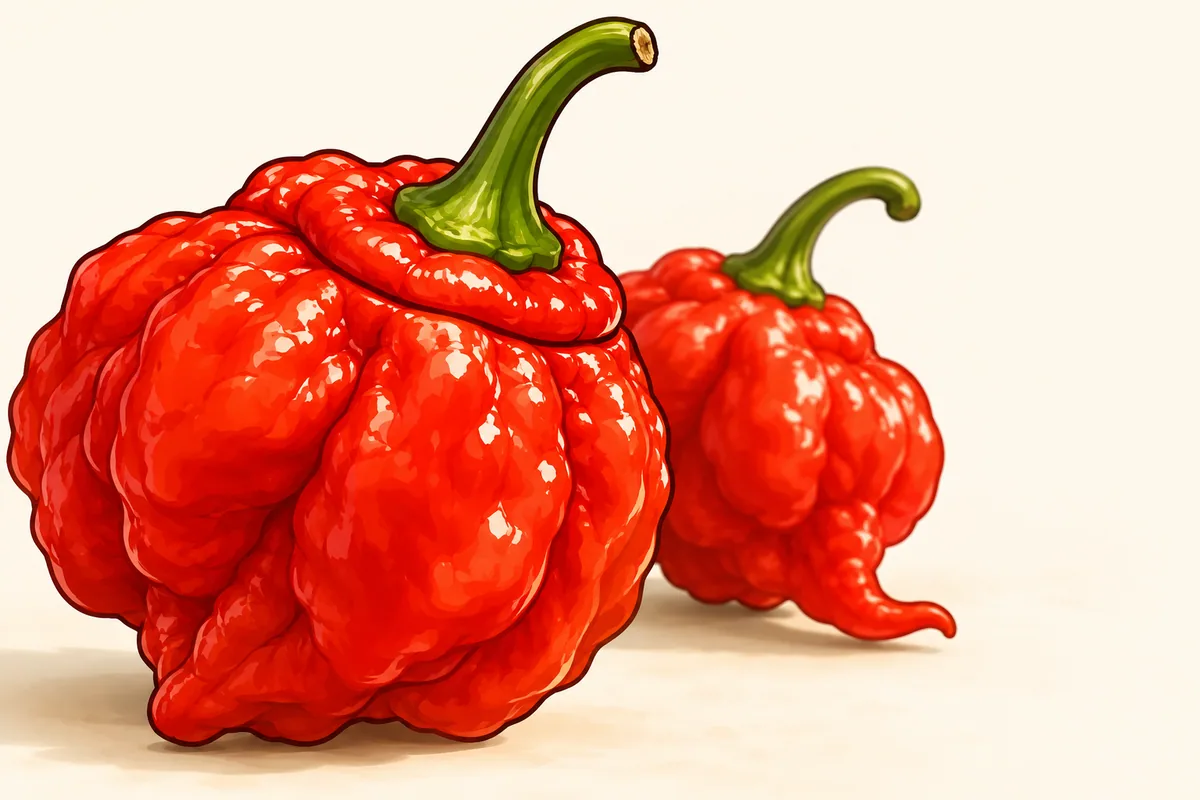
The seed lists you'll browse also sell yellow and chocolate Moruga Scorpions and lines with names such as Cardi and Kraken. We found no primary source for any of those lines, so they sit here as rows without numbers. The two scorpion relatives below do have measured figures.
| Type | What a source says |
|---|---|
| Trinidad Moruga Scorpion1 | Mean above 1.2 million SHU; single plants above 2 million |
| Trinidad Scorpion1 | Almost 1.03 million SHU mean in the same NMSU study |
| Trinidad Scorpion Butch T9 | 1,463,700 SHU, Guinness record of March 2011 |
| Moruga Scorpion, chocolate or yellow | No primary figure found |
| Trinidad Scorpion Cardi, Kraken Scorpion | No primary figure found |
The Trinidad Scorpion Butch T gets its own entry, because Guinness published its figure.
What does a Trinidad Moruga Scorpion taste like?
The UC Master Gardeners of Ventura County describe Trinidad Scorpion peppers as fruity, slightly sweet and citrus-like11. That's the C. chinense family flavor you know from a habanero, and we found no separate description for the Moruga line.
In your kitchen the fruit shows up only when you use a tiny amount. A sliver in a large pot of stew or a drop of sauce lets you taste it; a whole pod in one bowl turns every bite into heat.
What happens if you eat a whole one?
Your body treats it as a burn and, at a big enough dose, as something to get rid of. Capsaicin opens the same receptor on your nerves that fires at painfully high temperatures12, and Poison Control lists nausea, vomiting, abdominal pain and diarrhea after too much hot pepper13.
- Capsaicin reaches the mouthThe heat receptor fires as if it were burned
- Burn, tears, sweatThe body's heat responses
- The stomach reactsNausea, vomiting, cramps or diarrhea
- Dry heaves or hard vomitingThe step that has sent people to hospital
- Severe headache or chest painEmergency care, not a glass of milk
Sources for this line12. Nature 389:816-82413. National Capital Poison Center (Poison Control)14. BMJ Case Reports 2018:bcr-2017-224085
We found no case report for the Moruga itself. The closest is the Carolina Reaper, a pepper in the same heat class: a 34-year-old man who ate one in a contest had dry heaves, then sudden, crushing headaches, and scans showed narrowed arteries in his brain that had cleared five weeks later14.
For an ordinary burn, milk works best. In a Penn State test of seven drinks, whole and skim milk cut the burn the most15.
How do you handle it safely?
The same way you'd handle a ghost pepper, only with less margin for a slip. The National Capital Poison Center gives these steps13:
Should you cook with it, and how?
Only if you want heat as the point of your dish. A Moruga's mean runs about four times a habanero's top figure, 1.2 million against 350,000 SHU14, so it rarely improves a recipe that a habanero already handles. Where it earns its place:
- A superhot sauce: blend one seeded pod into a full batch with fruit, vinegar and salt, then taste a drop on a cracker before you add a second.
- A pot of chili or curry for a crowd that asks for it: drop in a quarter of a pod, simmer, and remove it before serving.
- Dried and ground: a pinch of powder seasons a whole dish, and you can measure it far more precisely than a fresh pod.
Wear gloves for all three, and open a window: Poison Control warns that capsaicin in the air can trigger asthma in people prone to it13.
Can you grow a Moruga Scorpion?
Yes, if you can give it a long, warm season. No extension source we read gives days to harvest for the Moruga itself, but University of Maryland Extension puts habanero types, the same species, at 90 to 120 days from transplanting, against 70 to 85 for most peppers16. The University of Guam's guide says hot peppers grow best with days of 75 to 85°F and nights of 50 to 60°F, and that they live as perennials in the tropics2.
In a short-summer garden, start your seeds early indoors and plan on a pot you can move. Wear gloves when you pick: the pods are hot enough that juice from a split one stings bare skin.
What do people make with it?
Mostly hot sauce, which is also the safest way for you to taste one. NMSU's 2012 announcement mentions a commercial sauce made from the Moruga Scorpion within months of the study1, and the hottest hot sauces list shows where superhot bottles land.
For the head-to-head with a better-known superhot, the Moruga Scorpion against the ghost pepper lines up both studies' numbers. If you want pods of your own, the Moruga Scorpion growing guide covers raising one from seed.
Related peppers
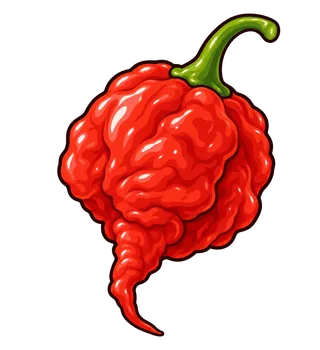 Carolina ReaperSuper-hot1,641,183 SHU average
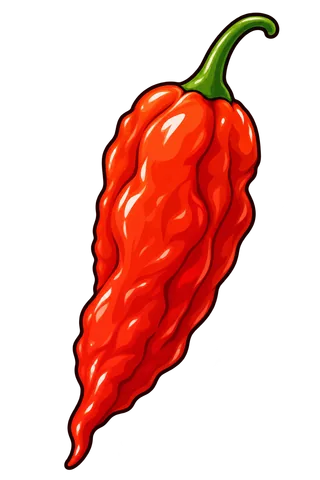 Ghost pepperSuper-hot1,001,304 SHU average
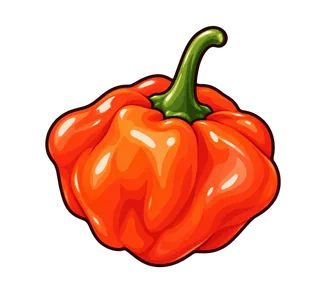 Scotch bonnetExtra-hot100,000–350,000 SHU
Published ranges.Sources for this line5. HortScience 42(2):222-2246. PhytoKeys 200:1-423 (Pensoft)17. UF/IFAS Gardening Solutions
Related in Peppers
-
Pepper X Scoville, 2.69 Million SHU and Record
Ed Currie's record pepper from South Carolina, at an average of 2.69 million SHU.5 min read -
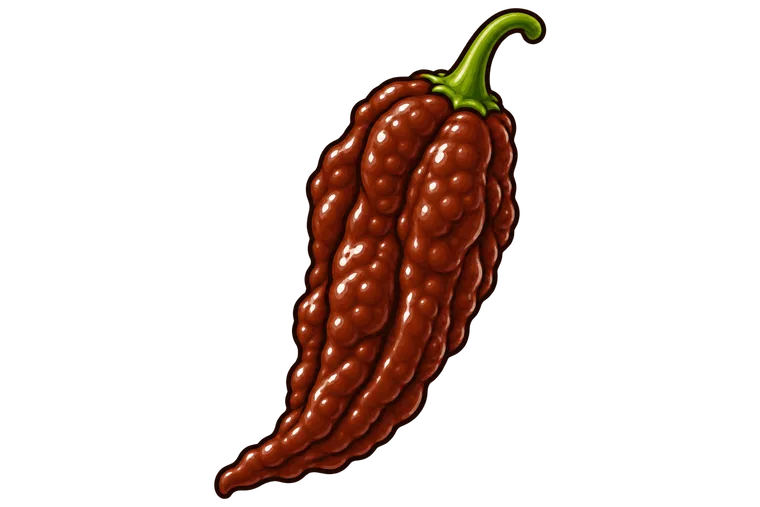
Chocolate Bhutlah Pepper, a Brown Superhot With No Lab Test
A lumpy chocolate-brown pod with smoky ghost-pepper flavor and a heat nobody has published a lab result for.6 min read -
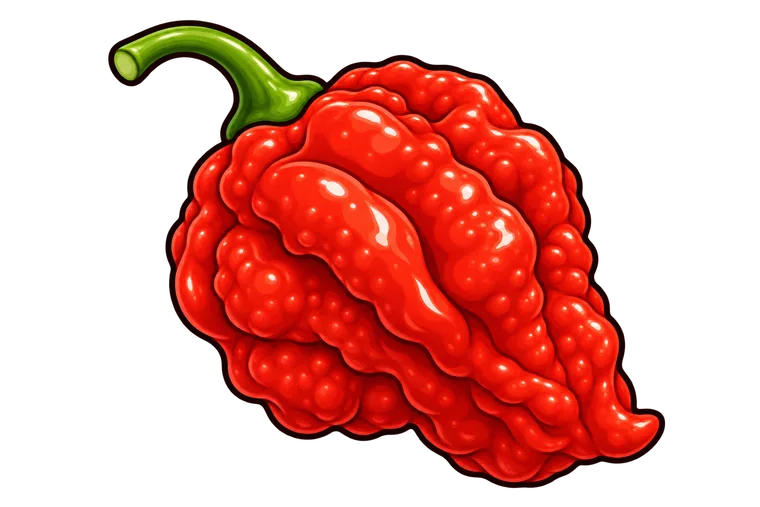
Komodo Dragon Pepper, 1.4 Million SHU With a Slow Burn
A wrinkled red superhot from England whose burn arrives after you've already swallowed.5 min read -
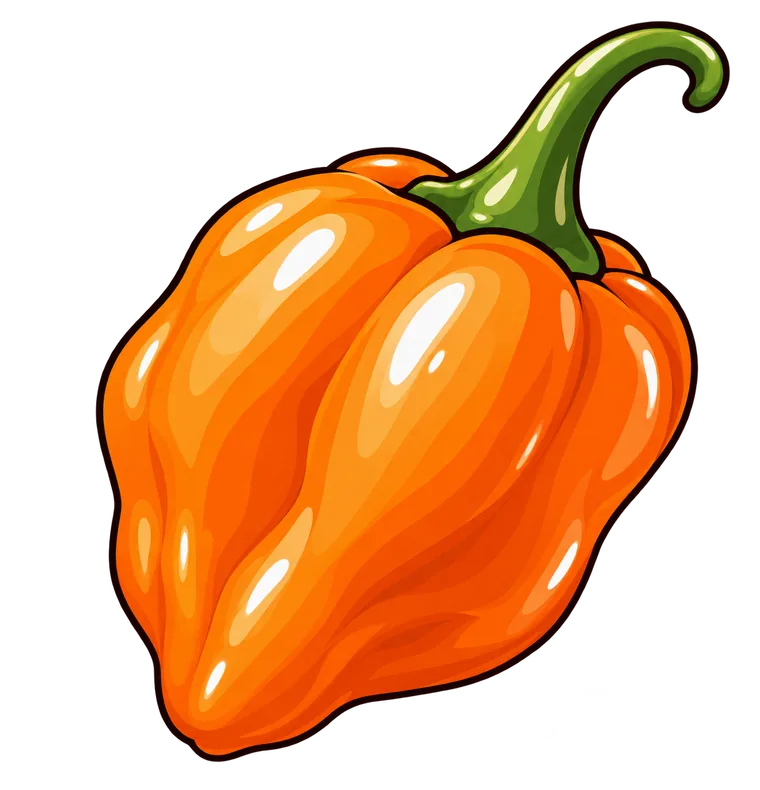
Habanero Pepper Scoville, 100,000–350,000 SHU
A fruity, floral chile in the extra-hot band.7 min read -
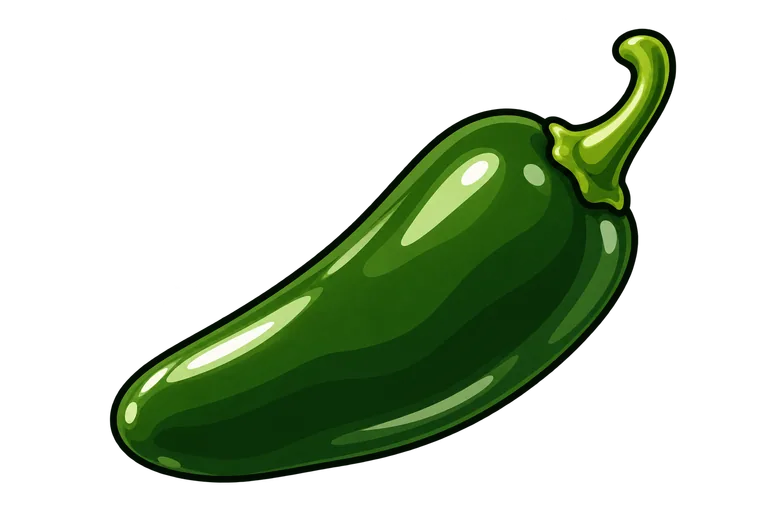
Jalapeño Scoville, 2,000–8,000 SHU and Chipotle
The medium-heat chile most heat comparisons start from.6 min read -
Datil Pepper Scoville, 100,000–300,000 SHU
St. Augustine's own small, sweet-tangy chinense.6 min read
Sources
· 17
- 1New Mexico State University News Center NMSU's Chile Pepper Institute names the Trinidad Moruga Scorpion hottest pepper on earth (Justin Bannister)
- 2University of Guam, College of Natural and Applied Sciences, Cooperative Extension and Outreach FPP-05: Hot Pepper (Capsicum spp.), Important Crop on Guam (Tuquero, Chargualaf, Marutani)
- 3The University of the West Indies, St. Augustine (UWI Today, September 2012) Hot peppers: research from the Department of Life Sciences (Marissa Moses)
- 4University of Florida IFAS Extension HS-859/TR010: Pepper Production in Miami-Dade County, Florida
- 5HortScience 42(2):222-224 'Bhut Jolokia', the world's hottest known chile pepper, is a putative naturally occurring interspecific hybrid (Bosland and Baral)
- 6PhytoKeys 200:1-423 (Pensoft) Monograph of wild and cultivated chili peppers (Capsicum L., Solanaceae)
- 7Guinness World Records Pepper X dethrones Carolina Reaper as world's hottest chilli pepper
- 8New Mexico State University, Chile Pepper Institute Heat
- 9Guinness World Records Confirmed: Smokin Ed's Carolina Reaper sets new record for hottest chilli
- 10Bill Moore's Hot & Spicy Reviews "Trinidad Moruga Scorpion" (World's Hottest Pepper) Review from Jim Duffy of Refining Fire Chiles
- 11University of California Agriculture and Natural Resources, UC Master Gardeners of Ventura County Ventura Garden to Table Series: Peppers
- 12Nature 389:816-824 The capsaicin receptor: a heat-activated ion channel in the pain pathway (Caterina, Schumacher, Tominaga, Rosen, Levine and Julius)
- 13National Capital Poison Center (Poison Control) Capsaicin: When the chili is too hot (Amanda McDaniel-Price, RN)
- 14BMJ Case Reports 2018:bcr-2017-224085 An unusual cause of thunderclap headache after eating the hottest pepper in the world, 'The Carolina Reaper' (Boddhula, Boddhula, Gunasekaran and Bischof)
- 15Physiology & Behavior 208:112557 Putting out the fire: efficacy of common beverages in reducing oral burn from capsaicin (Nolden, Lenart and Hayes)
- 16University of Maryland Extension Growing Peppers in a Home Garden
- 17UF/IFAS Gardening Solutions Peppers by Scoville Units