
13 Types of Hot Sauce by Pepper, Acid and Heat
Every style we could source, placed by heat and texture, each cell from the maker or a university.
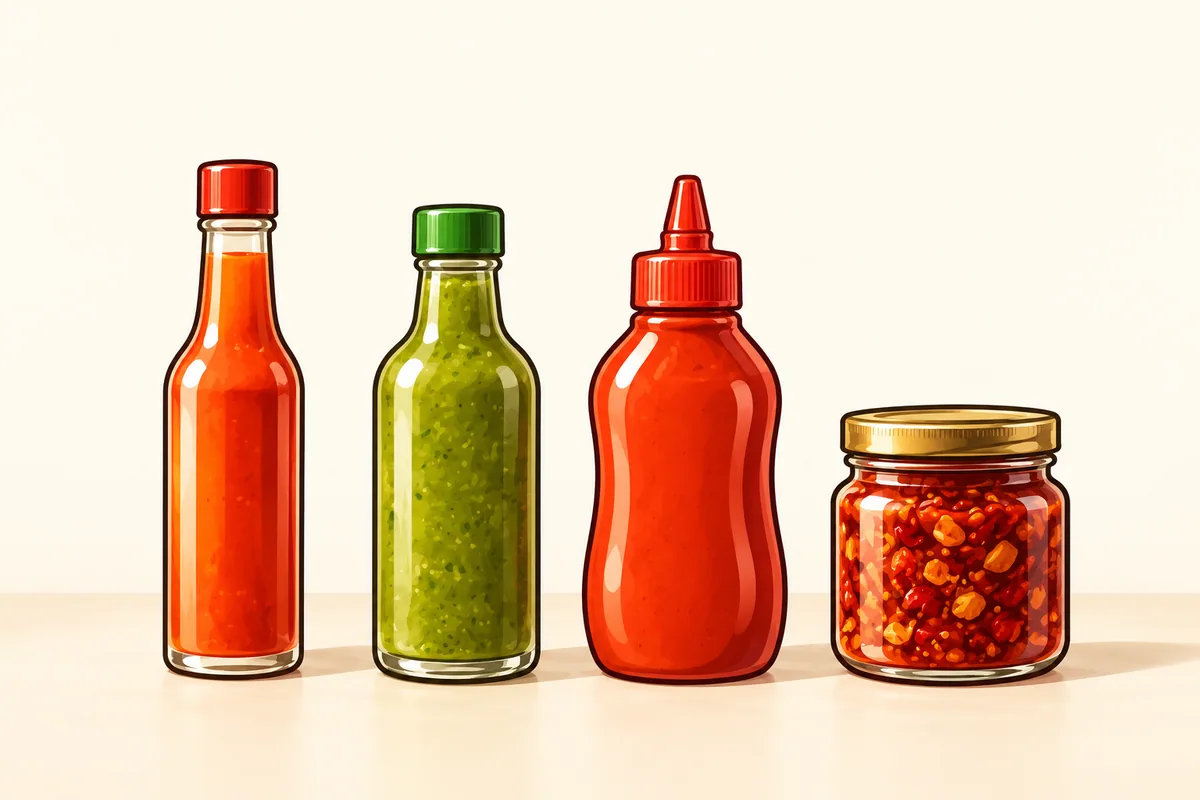
Hot sauce styles differ by four choices: the pepper, the acid, the texture and how long the pepper ages.
- Louisiana-style: aged pepper mash plus vinegar, like TABASCO Original Red at 2,500–5,000 SHU
- Mexican table sauce: árbol and piquín chiles with vinegar, like Cholula Original at 1,000–2,000 SHU
- Sriracha and sambal: chili pastes, thicker than any vinegar sauce
Where does each style sit on heat and texture?
13 styles, each placed by its example bottle: the heat its maker prints and the texture its maker describes.
Heat bands are the Scovidex tiers; a style sits in the band of its example bottle's midpoint. Each bottle's figures are cited on its card below.
-
 Styles
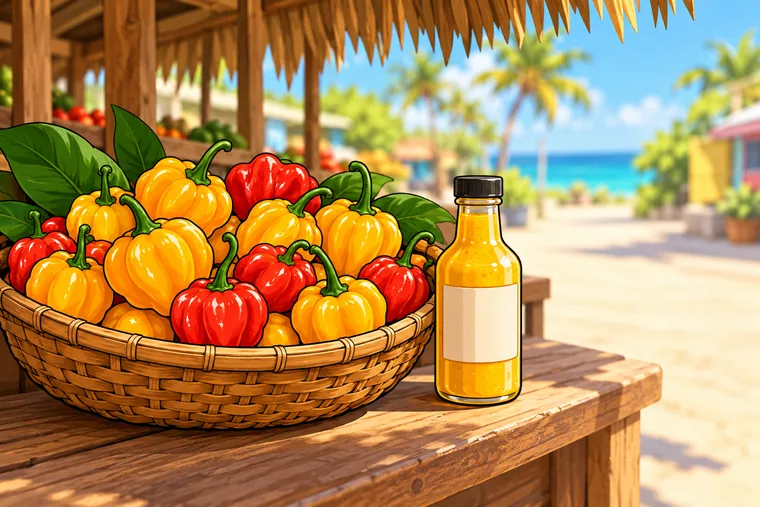
Caribbean Hot Sauce and the 350,000 SHU Scotch Bonnet
Scotch bonnet heat, softened with vinegar, onion and island herbs.6 min read -
 Styles
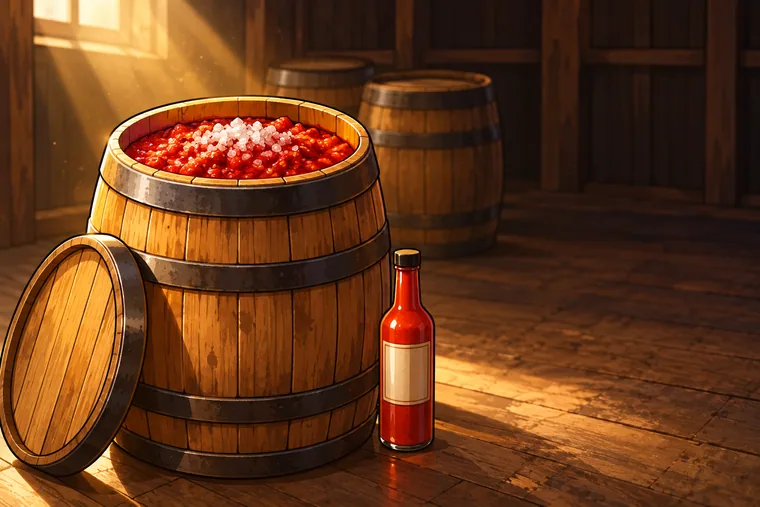
Louisiana-Style Hot Sauce, 3 Ingredients
Three ingredients, a long wait and a thin, sharp pour.6 min read -
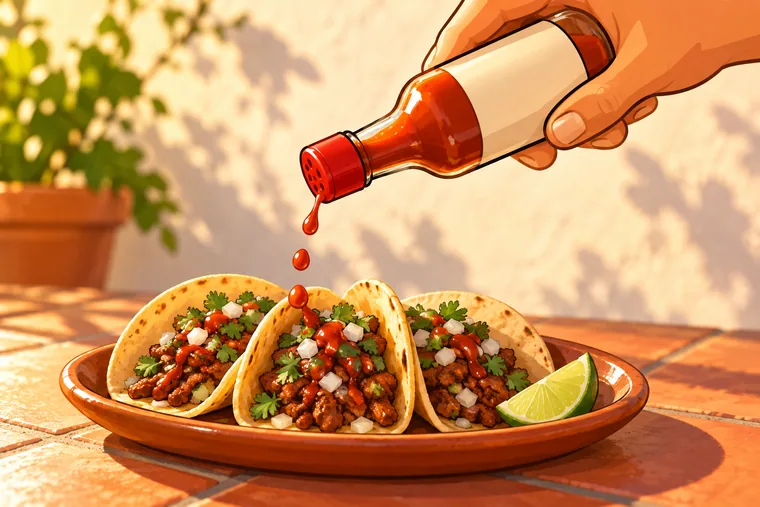 Styles
Mexican Hot Sauce, 5 Bottles by Chile and Heat
The bottle on every taquería table, read off its makers' own pages.7 min read -
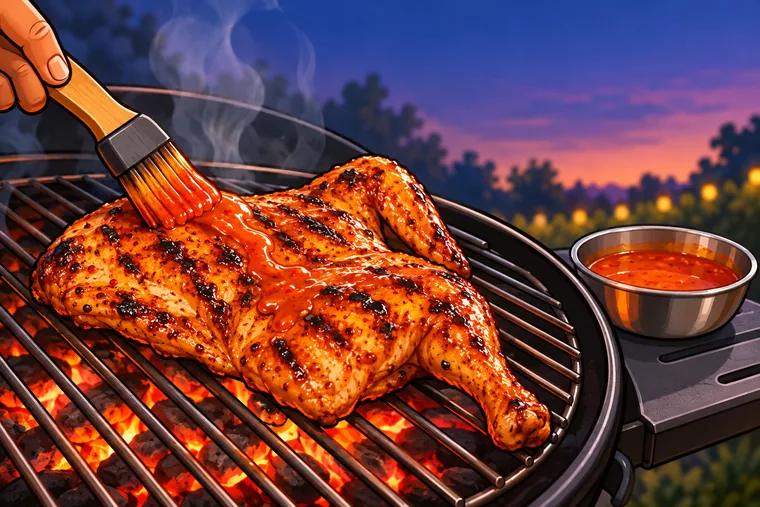 Styles
Peri Peri Sauce, What It Is and a 10-Chilli Base Recipe
Bird's eye chillies, lemon and garlic, brushed on over the coals.6 min read -
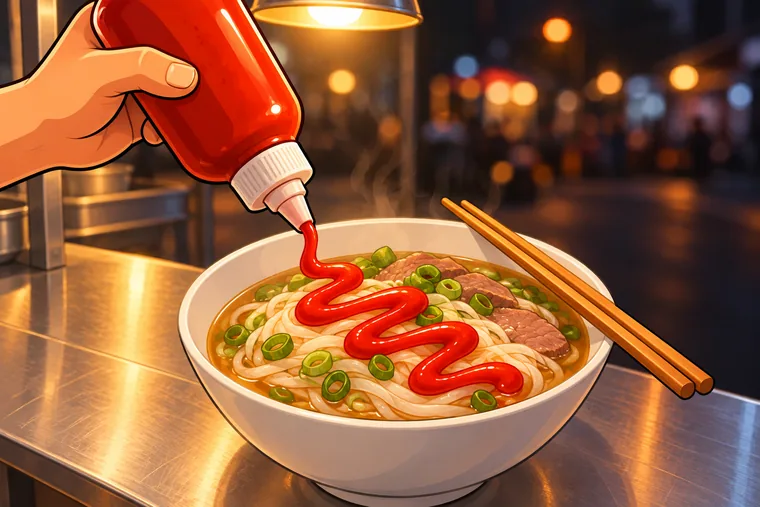 Styles
What Is Sriracha? Ingredients, Heat and 3 Colors
A squeeze-bottle chili paste, read off the makers' own labels.7 min read
Nothing matches this filter yet.
What are the main types of hot sauce?
Louisiana-style
MediumTABASCO has made it since 1868 from three ingredients: aged red peppers, salt and distilled vinegar.14
Pepper mash aged up to 3 years in oak, then blended with vinegar for 28 days.
TABASCO Original Red · 2,500–5,000 SHU
Read the Louisiana-style guide-
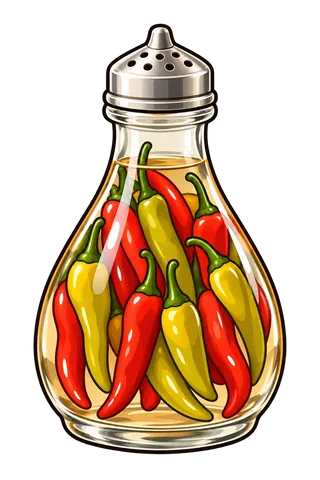
Peppered vinegar
No SHUWhole tabasco peppers, rated 30,000–50,000 SHU as pods, steeped in vinegar.8No bottle rating -
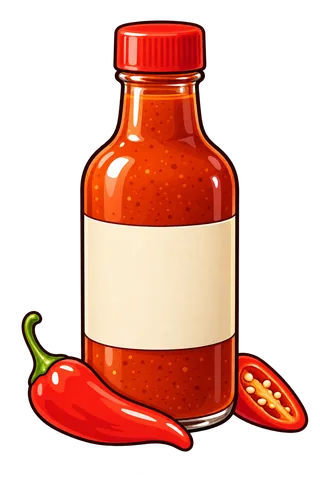
Mexican table sauce
MildWater comes first; the chiles are 5.0 % of the ingredients.57Cholula Original · 1,000–2,000 SHURead the guide -
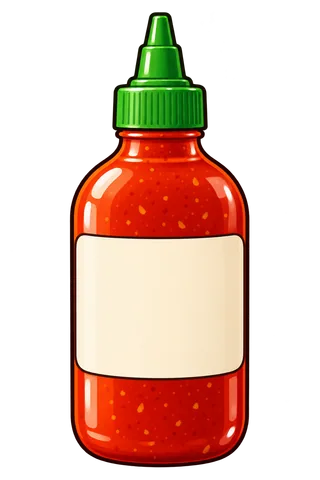
Sriracha-style
No SHUChilies pureed into a smooth paste.3Huy Fong Sriracha · No SHU publishedRead the guide -
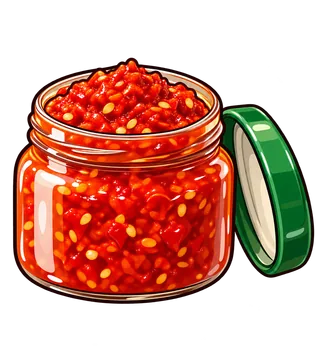
Sambal
No SHUA full-bodied sauce with the plain taste of chilies.3Huy Fong Sambal Oelek · No SHU published -
Chili garlic
No SHUThick and chunky, with a hint of garlic.3Huy Fong Chili Garlic · No SHU published -
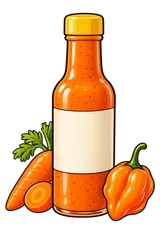
Carrot habanero
No SHUBuilt on carrots, around a pod rated 100,000–350,000 SHU.68Marie Sharp's Habanero (Belize) · No SHU published -
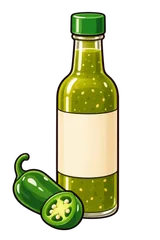
Green jalapeño
MildThe mildest rated bottle we could source.4TABASCO Green Jalapeño · 600–1,200 SHU -
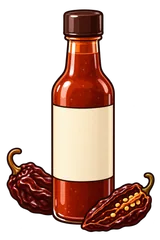
Chipotle
MildRated below the same maker's Original Red.4TABASCO Chipotle Pepper · 1,500–2,500 SHU -
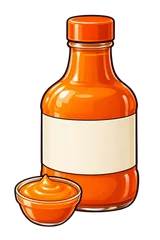
Buffalo-style
MildRated the same as the maker's Cayenne Garlic.4TABASCO Buffalo Style · 1,200–2,400 SHU -
Fruit-forward
HotApple cider and water lead the list, with pineapple and lime.213Hot Ones Los Calientes Rojo · 49,000 SHU -
Fermented mash
No SHUA fermented chili mash makes its own acid.2Onima Pantry JANG · 4 / 10 seller scaleRead the guide -
Super-hot
No SHUA mash of record peppers; Pepper X alone averages 2,693,000 SHU.1011The Last Dab Thermageddon · 11 / 10 seller scale
What makes one style different?
- PepperA habanero sauce starts from a pod rated 100,000–350,000 SHU; a green jalapeño sauce starts from one rated 2,000–8,000.8
- AcidTABASCO uses distilled vinegar, Cholula blends spirit and cider vinegar, and a fermented mash makes its own acid.45
- TextureHuy Fong purees its sriracha smooth and keeps its chili garlic thick and chunky.3
- TimeTABASCO ages its mash in white oak barrels for up to three years, then blends it with vinegar for 28 days.1
How do you pick your first bottle?
- 1Pick a styleStart from the pepper you already like and find its row in the matrix.Back to the matrix
- 2Change one thingLike a Louisiana red? TABASCO Chipotle sits at 1,500–2,500 SHU, below the Original's 2,500–5,000.4
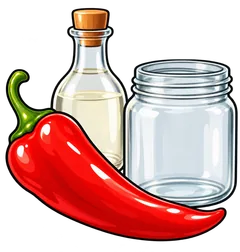
- 3Make your ownBlend peppers with an acid until the sauce sits at pH 4.6 or below, then bring it to a boil.14Three ways to make it
On this page
Where does each style get its sour taste?
From one of three places: vinegar poured in, bacteria working in salted chiles, or a base the maker builds around vegetables. Knowing which one a bottle uses tells you more about its taste than the style name does.
- poured inVinegarMexican table sauce (spirit and cider vinegar), peppered vinegar
- both, in orderAged mash, then vinegarLouisiana-style: mash aged up to 3 years in oak, vinegar blended in for 28 days
- made by bacteriaFermentation aloneFermented mash: the chiles make their own acid
- built around carrotsVegetable baseCarrot habanero: carrots, onions and garlic around the pod
Hot sauce styles grouped by where the acid comes from, as each maker or university describes it
The Louisiana-style bottle sits on two branches at once. TABASCO lets its salted mash age for up to three years, then blends it with vinegar for 28 days1, so you taste a little of the aged pepper and a lot of the vinegar.
A fermented mash can skip the vinegar entirely, because the ferment makes its own acid2; whether a maker adds vinegar at the end is something you check on its label. The pastes in the matrix, sriracha, sambal and chili garlic, sit off this tree for now: Huy Fong describes their texture but not their acid3.
Which style should you pick for what you cook?
Pick by how the sauce moves. A thin sauce spreads through a drink, a soup or a pan of rice in a few stirs; a paste stays where you put it, so it suits a dip, a marinade or the edge of your plate.
| Style | How it pours | What the maker pairs it with |
|---|---|---|
| Louisiana-style (TABASCO Original Red)4 | Thin, in drops | Jambalaya, a Bloody Mary, oysters on the half shell, guacamole |
| Mexican table sauce (Cholula Original)5 | Thin, water first | Pizza, rice and eggs; tacos, burritos and street corn |
| Sriracha-style (Huy Fong)3 | Smooth paste in a squeeze bottle | No pairing named; the maker points to its easy squeeze bottle |
| Sambal (Huy Fong Sambal Oelek)3 | Full-bodied | For those who want the plain taste of chilies |
| Carrot habanero (Marie Sharp's)6 | Not described | A seasoning for any dish, per the maker |
Our rule of thumb for a first shelf: one thin vinegar sauce for eggs and soups, one paste for cooking, and one bottle hotter than you think you want. Start the hot one a drop at a time; you can add a second drop, and you cannot take one back out.
Cooking for people who rarely eat chiles? A table sauce like Cholula Original, rated 1,000–2,000 SHU by its maker7, is the gentler bottle to set out, and anyone who wants more can reach for the Louisiana red at 2,500–5,000 SHU4.
The Mexican table sauce and sriracha pages show what else their makers print, from pepper names to heat.
Which type of hot sauce is the mildest?
Green jalapeño sauces start lowest among the bottles we could source: TABASCO rates its Green Jalapeño at 600–1,200 SHU4. Cholula Original follows at 1,000–2,000 SHU7, and TABASCO Original Red sits higher at 2,500–5,000 SHU4.
The green bottle starts from a mild pod. A jalapeño runs 2,000–8,000 SHU8, and the sauce lands below the bottom of that range once vinegar and salt join it4.
Mild styles still vary from batch to batch, and you can taste it. New Mexico State University found that any kind of stress in the field makes a mild chile cultivar hotter, while ideal growing conditions keep a hot one only moderately hot9. Two bottles of the same mild sauce can therefore feel a little different on your tongue, and the maker's range is there to cover that spread.
Every rated bottle sits on one log chart on the hot sauce Scoville scale, where you can see the mild styles bunch together under 5,000 SHU.
Which hot sauce style is the hottest?
Super-hot mash sauces, though your bottle rarely says by how much. The Last Dab Thermageddon blends Pepper X, Carolina Reaper, Red Scorpion and Pepper Y, and HEATONIST rates it 11 on its 10-point scale10.
Pepper X itself averages 2,693,000 SHU per Guinness World Records11. Among the bottles with a printed SHU, the top of the matrix is Los Calientes Rojo at 49,000 SHU2.
A super-hot pepper on the label sets the ceiling, and the sauce in the bottle sits below it. Vinegar and any water or fruit dilute the mash, and Thermageddon prints no SHU of its own10. The Carolina Reaper in the same blend tells you the pepper's class, not the bottle's number.
So if you shop for the hottest style, read the pepper list first and the seller's scale second. A seller's 11 out of 10 ranks that shop's own sauces; it does not convert into Scoville units. That is why you find Thermageddon in the matrix's no-SHU column, placed by the record peppers on its list rather than by a number its seller never printed.
What goes wrong when you shop by style name?
The style name tells you the family, and the label tells you about your bottle. A few checks at the shelf catch the gaps between them.
- Two styles can share one heat range: TABASCO rates its Buffalo Style and its Cayenne Garlic both at 1,200–2,400 SHU.4
- Most bottles print no SHU at all. In HEATONIST's Season 31 Hot Ones pack, only Los Calientes Rojo carries one; the other nine show the seller's 1–10 rating.2
- Pastes can build up gas. Huy Fong asks you to open its bottles facing away from yourself and others.3
- Ingredients run heaviest first, so a 'Louisiana-style' bottle that lists water before peppers is a thinner cousin of the style.12
Two regional styles have no row in the matrix yet, because we could not find a bottle whose maker prints the figures we chart. Peri-peri sauce and Caribbean pepper sauce each have their own page with the peppers and labels behind them.
When a label leaves you guessing, fall back on the four choices in the factor cards above: the pepper, the acid, the texture and the time. Answer those for any bottle and you can place it on the matrix yourself.
More in Hot Sauce
The newest from Hot Sauce
-
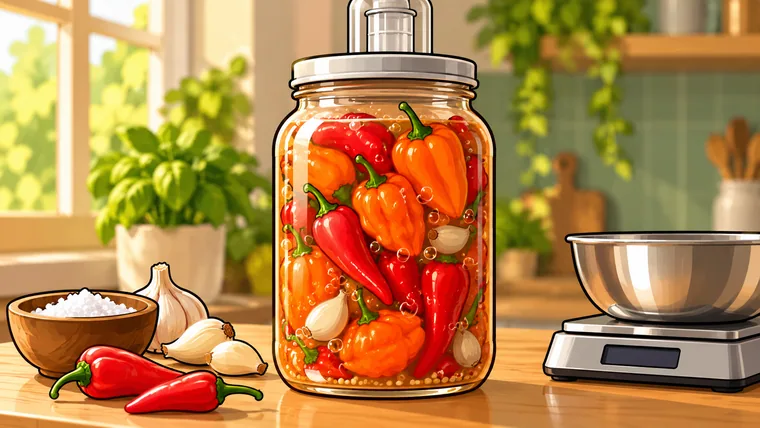
Fermented Hot Sauce in 7 Steps, With a 3 % Salt Brine
Salt ratio, timing and the signs it is done.Oct 18, 2026 · Guide -
Louisiana-Style Hot Sauce, 3 Ingredients
Three ingredients, a long wait and a thin, sharp pour.Oct 18, 2026 · Guide -
Mexican Hot Sauce, 5 Bottles by Chile and Heat
The bottle on every taquería table, read off its makers' own pages.Oct 18, 2026 · Guide -
Peri Peri Sauce, What It Is and a 10-Chilli Base Recipe
Bird's eye chillies, lemon and garlic, brushed on over the coals.Oct 18, 2026 · Guide -
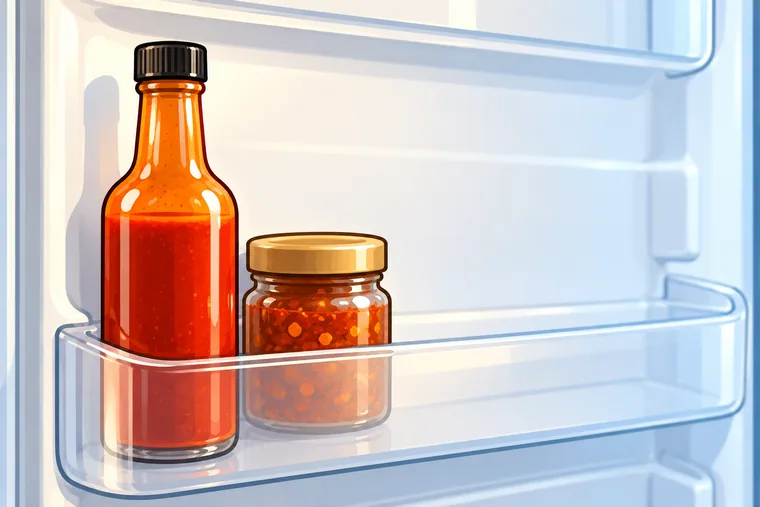
Does Hot Sauce Go Bad? Shelf Life for 7 Kinds of Sauce
What changes in the bottle, how fast, and when to let it go.Oct 18, 2026 · Guide -
Caribbean Hot Sauce and the 350,000 SHU Scotch Bonnet
Scotch bonnet heat, softened with vinegar, onion and island herbs.Oct 18, 2026 · Guide
Sources
· 14
- 1McIlhenny Company (manufacturer, own product) About Our Barrels
- 2HEATONIST (official Hot Ones sauce partner, own product listing) Hot Ones Hot Sauce 10 Pack, Season 31
- 3Huy Fong Foods (manufacturer, own products) Products
- 4McIlhenny Company (manufacturer, own products) TABASCO Original Red Sauce (includes the TABASCO Scoville Chart)
- 5Cholula (manufacturer, own product; Singapore product page) Cholula Original
- 6Marie Sharp's (manufacturer, own products) Marie Sharp's home page
- 7Cholula (manufacturer, own product) FAQ
- 8University of Florida IFAS Extension HS-859/TR010: Pepper Production in Miami-Dade County, Florida
- 9New Mexico State University, College of ACES Cooperative Extension Service Guide H-237: Measuring Chile Pepper Heat
- 10HEATONIST (official Hot Ones sauce partner, own product listing) The Last Dab Thermageddon
- 11Guinness World Records Pepper X dethrones Carolina Reaper as world's hottest chilli pepper
- 12U.S. Code of Federal Regulations, 21 CFR 101.4 (via Cornell LII) Food; designation of ingredients
- 13HEATONIST (official Hot Ones sauce partner, own product listing) Hot Ones Los Calientes Rojo
- 14SDSU Extension How to Make a Safe Hot Sauce (Curtis Braun)
Your pocket pepper index.
Built from the same index as this site.
- Every entry offline
- Compare any two peppers
- Keep a list of peppers you have tried