On this page
- 1What is sriracha?
- 2What is sriracha made of?
- 3How hot is sriracha?
- 4Is sriracha a hot sauce?
- 5Sriracha, chili garlic or sambal oelek?
- 6How is Thai sriracha different?
- 7What are green and yellow sriracha?
- 8How do you cook with sriracha?
- 9How much salt and how many calories are in sriracha?
- 10Does sriracha need to go in the fridge?
- 11Can you make sriracha at home?
- 12What to do about too much sriracha
- 13Huy Fong, TABASCO or Flying Goose?
- 14Picking a sriracha off the shelf
- 15Sources
What is sriracha?
Sriracha is a chili paste: ripe red chili ground smooth with garlic, sugar, salt and vinegar, thick enough to squeeze out in a ribbon. Huy Fong, the best-known bottle in the US, describes its own as sun-ripened chilies pureed into a smooth paste1.
The name comes from Si Racha, a coastal town in Chonburi Province, Thailand. Flying Goose, a Thai maker, says sriracha first became famous there in 1932 and that every bottle it sells is still made in Thailand2.
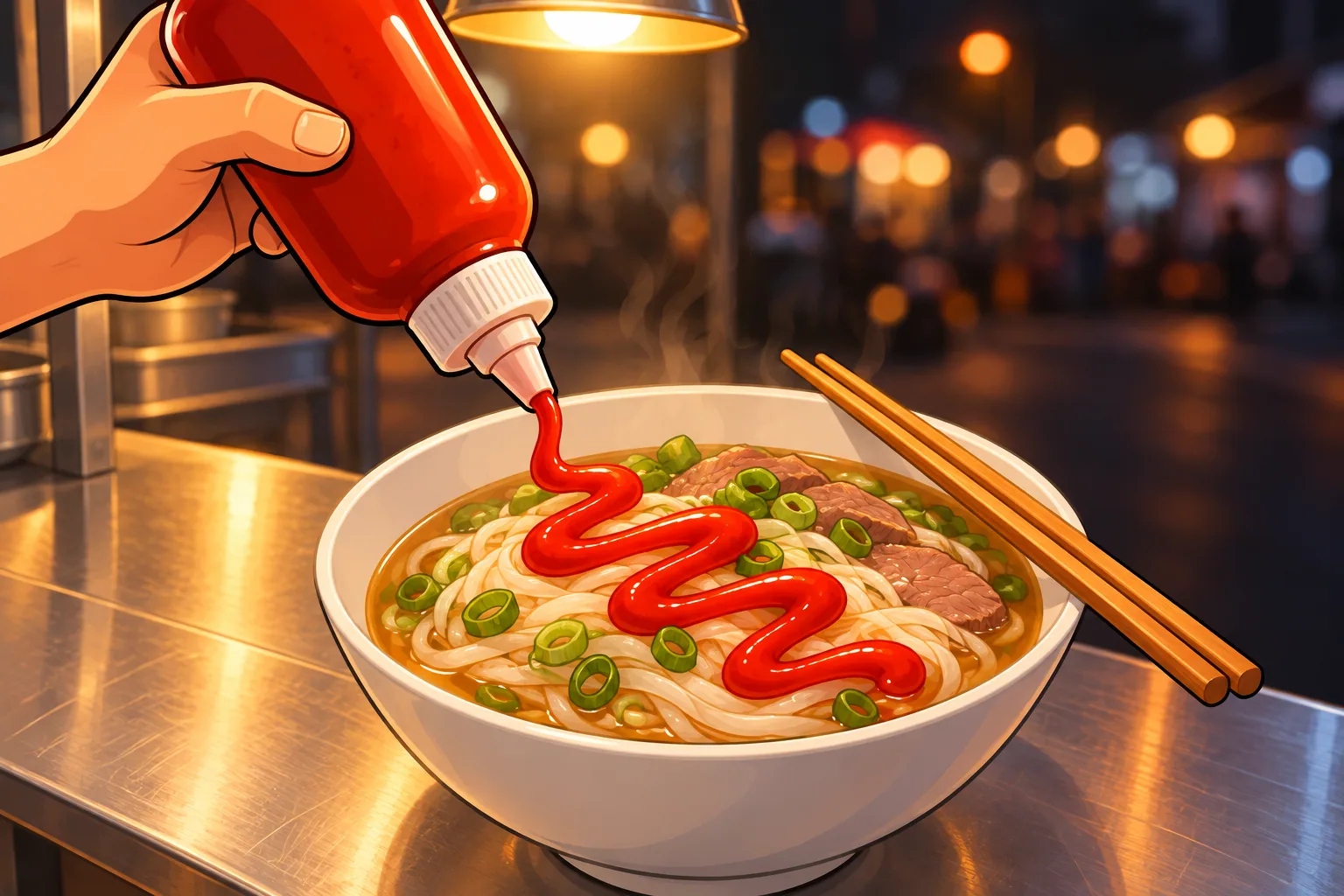
You use it differently from a shaker sauce. A vinegar sauce goes on in drops; sriracha goes on in a line across noodles, eggs, rice or a sandwich, and you taste sweet and garlic before the heat arrives.
What is sriracha made of?
Chili first, by a wide margin, then garlic and sugar. Salt and an acid finish the paste and keep it on your shelf.
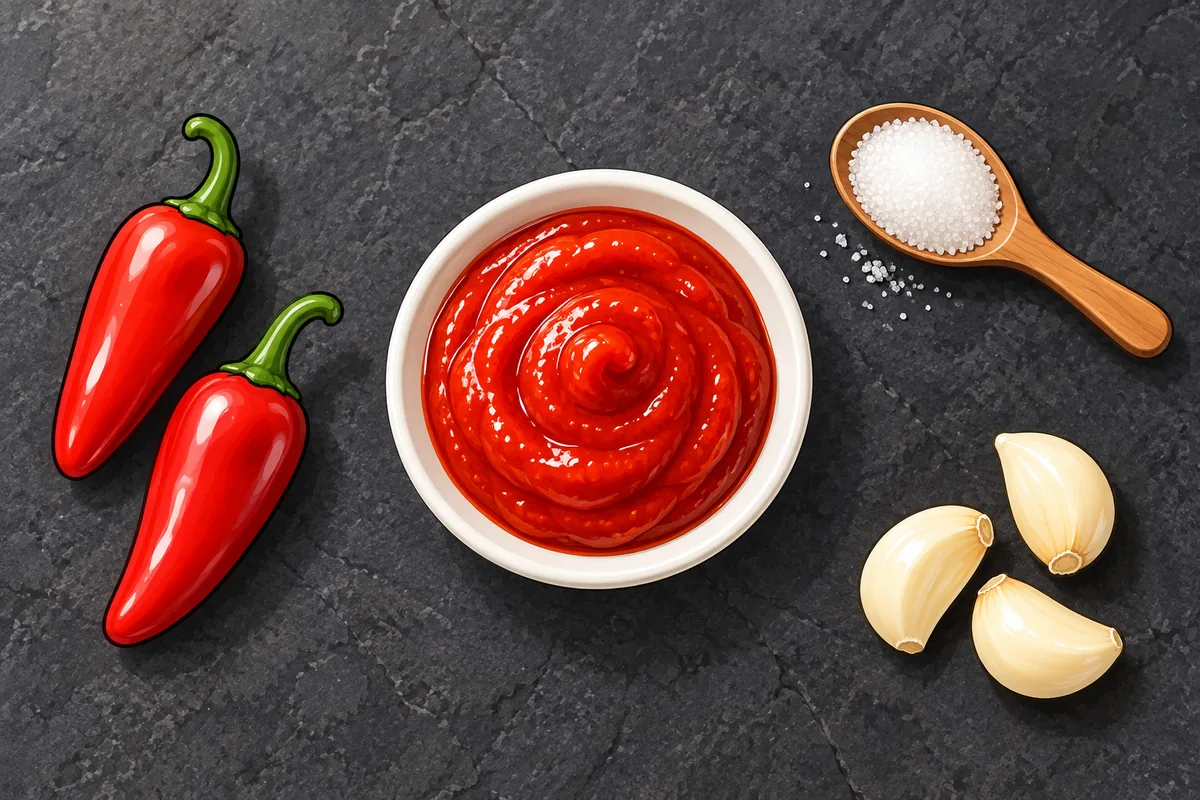 Smooth paste, thick enough to squeeze1Ripe red chili: 61 % of Flying Goose Original3Sugar: third on TABASCO's list4Garlic: on both makers' lists34
- Smooth paste, thick enough to squeeze1
- Ripe red chili: 61 % of Flying Goose Original3
- Sugar: third on TABASCO's list4
- Garlic: on both makers' lists34
Here is what three makers print on their own pages. Only two give you a full list, and only one gives a number for the chili.
| Bottle | Ingredients as the maker lists them | Chili named | Maker's heat figure |
|---|---|---|---|
| Flying Goose Original (Thailand)3 | Chili 61 %, sugar syrup, salt, garlic, water, acids, flavor enhancer, stabilizer, preservative | Sun-ripened chilli | 1 of 3 on its own scale |
| TABASCO Sriracha4 | Red jalapeño, water, sugar, salt, garlic, distilled vinegar, xanthan gum, plus TABASCO pepper sauce | Red jalapeño | 1,000–3,000 SHU |
| Huy Fong Sriracha (USA)15 | No list on the maker's site; its allergen statement names sulfites | Sun-ripened chilies | Not published |
Sugar and garlic are what make sriracha taste like sriracha; a plain chili sauce has neither. TABASCO puts sugar third on its list, right after the pepper and water4, and Flying Goose puts sugar syrup second3.
If you watch for allergens, Huy Fong's February 2024 statement marks sulfites as present and wheat, soy, sesame and the other major allergens as absent5. The maker adds that its products may contain allergens the statement does not list, so your label has the last word.
How hot is sriracha?
Mild to medium. TABASCO is the one maker here that gives you a Scoville figure for its sriracha.
The paste comes out milder than the pod it starts from, because water, sugar and salt dilute the chili. TABASCO's sriracha starts from red jalapeño4 and lands at 1,000–3,000 SHU, below its own Original Red7.
- Red jalapeño pod2,000–8,000 SHU
- Water, sugar, salt, garlicListed right after the pepper
- Distilled vinegarBrings the paste into the acid range
- Sriracha in the bottle1,000–3,000 SHU
Where the heat goes between the pod and the bottle (TABASCO Sriracha)
Work the numbers and you see the drop. The pod's top end is 8,000 SHU6 and the bottle's is 3,0004, so a spoonful of sauce carries well under half the heat of the same weight of chili.
Huy Fong prints no number on its site1, so any single SHU you see quoted for the rooster bottle comes from someone other than the maker.
Is sriracha a hot sauce?
Yes, but a different kind from the vinegar sauce in your shaker bottle. You see the difference in the pour, the list and the heat.
Sriracha (TABASCO Sriracha)
Vinegar sauce (TABASCO Original Red)
The vinegar side is the Louisiana style: three ingredients and a sharp, sour finish. Sriracha trades that sourness for sweetness and garlic, which is why it sits on noodles and rice where a vinegar sauce would taste harsh.
Sriracha, chili garlic or sambal oelek?
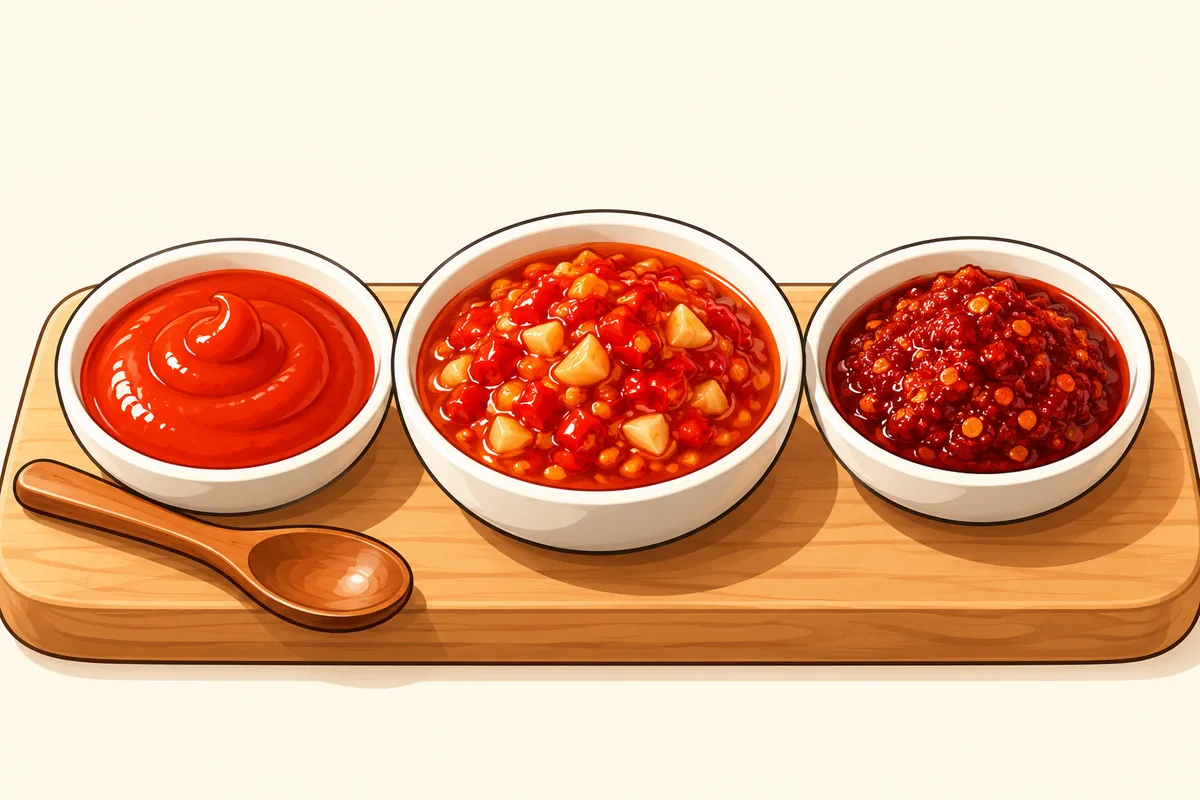
Huy Fong makes three red sauces that sit side by side on the shelf, and people grab the wrong jar all the time. Its own descriptions sort them out1.
| Sauce | Texture | What the maker says | Where you use it |
|---|---|---|---|
| Sriracha1 | Smooth paste in a squeeze bottle | Sun-ripened chilies pureed into a smooth paste | A line over noodles, eggs, rice, sandwiches |
| Chili Garlic1 | Thick and chunky | A chunky hot sauce with a hint of garlic | Stir-fries and dumpling dips, where you want texture |
| Sambal Oelek1 | Full-bodied | The pure taste of chilies, no other flavors added | Cooking, when you want heat without sugar or garlic |
If a recipe asks for sambal oelek and you only have sriracha, you add sugar and garlic the recipe did not plan for. Going the other way, sambal brings heat but none of the sweetness you expect from sriracha.
How is Thai sriracha different?
By Flying Goose's own account, Thai sriracha follows the original Si Racha recipe with vinegar and pickled garlic and tastes fresher and more balanced2. The same maker says the American versions came later, use jalapeños and run thicker, hotter and more pungent, while its own sauce is tangier and thinner.
That is one maker describing its rivals, so read it as a direction, not a measurement. The label table above is the better test: Flying Goose lists sugar syrup and garlic right after its 61 % chili3.
What are green and yellow sriracha?
The same paste made from unripe green chilies or from yellow ones. Flying Goose publishes both lists: its yellow chilli sauce is 66 % yellow chilli and its green one is 54 % green chilli2.
If you want more heat, not a new color, the same maker grades its range on a three-step scale. Original sits at 1 of 3, Super Hot at 2 and Blackout at 33.
We found no maker page for Three Mountains yellow sriracha, so we have no list to show for it. The yellow pepper index lists the yellow pods a paste like this can start from.
How do you cook with sriracha?
Yes, you can cook it, and the makers expect you to. TABASCO suggests you mix its sriracha with melted butter for a glaze4:
- 1
Melt the butter
Melt butter in a small pan over low heat, so it does not brown.
- 2
Stir in the sriracha
Add sriracha to taste and stir until the glaze looks smooth and glossy.4
- 3
Brush it on at the end
Brush it over wings, shrimp or roast vegetables near the end, and watch the pan: a paste with sugar third on its list browns fast.4
Flying Goose lists more jobs for its Original3:
- Drizzled over a stir-fry once it leaves the pan.
- Mixed into a marinade or a barbecue rub.
- As a dip for spring rolls or chips.
- On roast or cold-cut meats and kebabs.
Sriracha mayo is the same idea in cold form: you stir the paste into mayonnaise until it reaches the heat you like. Flying Goose sells a ready-made Sriracha Mayo at the bottom of its heat scale3.
How much salt and how many calories are in sriracha?
Not much per squeeze, more than a thin vinegar sauce per spoon. USDA's FoodData Central lists sriracha at 2,120 mg of sodium and 93 calories per 100 g, and weighs one teaspoon at 6.5 g8.
Worked out, 138 mg is about 6 % of the FDA's 2,300 mg Daily Value, just above the 5 % line the FDA calls low10. The thick paste is why it lands higher than TABASCO: your teaspoon of sriracha weighs 6.5 g, against 4.7 g for a thin pepper sauce89.
If you track sodium, measure your usual squeeze once with a teaspoon. A swirl across a bowl of noodles is often two or three teaspoons, which puts you at roughly 280–410 mg before the broth adds its own.
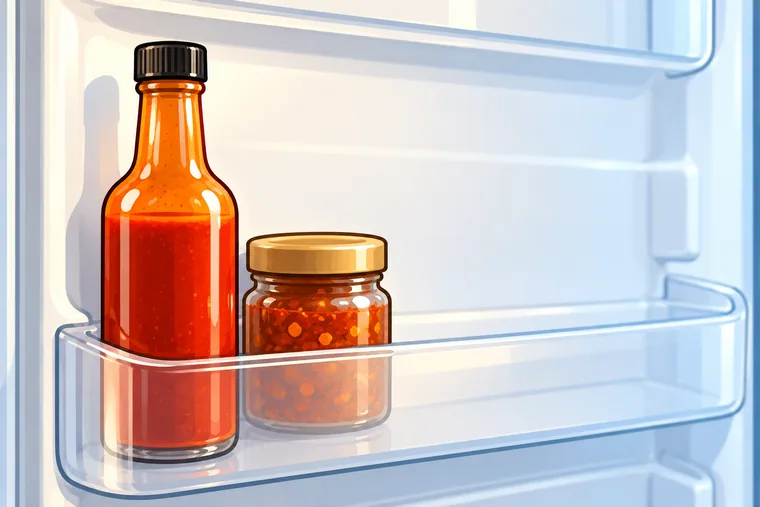
Does sriracha need to go in the fridge?
No maker in our table gives you a storage rule, so we go by the acid. A sealed, shelf-stable sauce is an acidified food made to sit at pH 4.6 or below11, and that acid keeps it safe in the cupboard. A sriracha you made yourself is different: Ohio State says a sauce you did not can belongs in the fridge or freezer12.
Over months, an open bottle darkens from bright red toward brick, which changes the look long before it changes the safety.
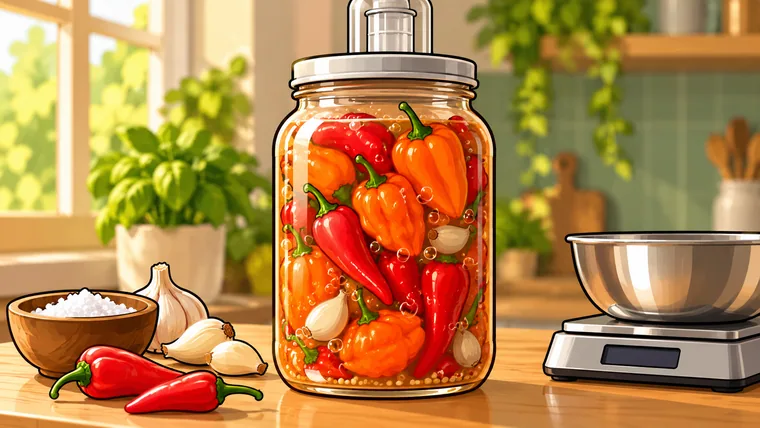
Can you make sriracha at home?
Yes. Every list above comes down to the same parts you gather:
The acid is the safety part. SDSU Extension says a hot sauce must sit below pH 4.6 and asks you to stick to tested recipes13. The homemade sriracha recipe gives amounts and the method step by step, including a version you ferment first, the way a fermented hot sauce starts.
What to do about too much sriracha
Reach for milk. Penn State researchers gave 72 people a spicy drink with capsaicin and then tested seven beverages against it, one per trial; whole milk, skim milk and Kool-Aid cut the burn the most14.
If the dish is the problem, not your mouth, add more of everything except the sauce. A bigger batch spreads the same amount of chili thinner, and plain rice on the side gives you a break between bites.
Beer and soda will not save you. In the same test, drinks with carbonation, including seltzer and non-alcoholic beer, did poorly14.
Huy Fong, TABASCO or Flying Goose?
All three are sriracha, but each maker tells you something different, so pick by the fact you care about:
- You want a heat number: TABASCO, at 1,000–3,000 SHU4.
- You want to know the chili: TABASCO again, which names red jalapeño4.
- You want the Thai style, tangier and thinner: Flying Goose, made in Thailand2.
- You want a full ingredient list with the chili share: Flying Goose, at 61 % chili3.
- You want the rooster bottle most US recipes assume: Huy Fong, whose site gives you a description and an allergen statement but no ingredient list15.
If a recipe was written with one bottle in mind, use that bottle the first time, then swap once you know how much sweeter or sharper your own pick runs.
Picking a sriracha off the shelf
Read the first line of the list. A bottle that leads with chili and gives a share, like Flying Goose's 61 %3, tells you more than one that leads with water.
Then look for sugar and garlic near the top. If both are there, it will taste like the sriracha you know; if neither is, you are holding a plain red chili sauce in a sriracha-shaped bottle.