
Pepper Substitute Chart for 14 Peppers, by Heat and Flavor
Pick the pepper you are missing, read across to the swap.
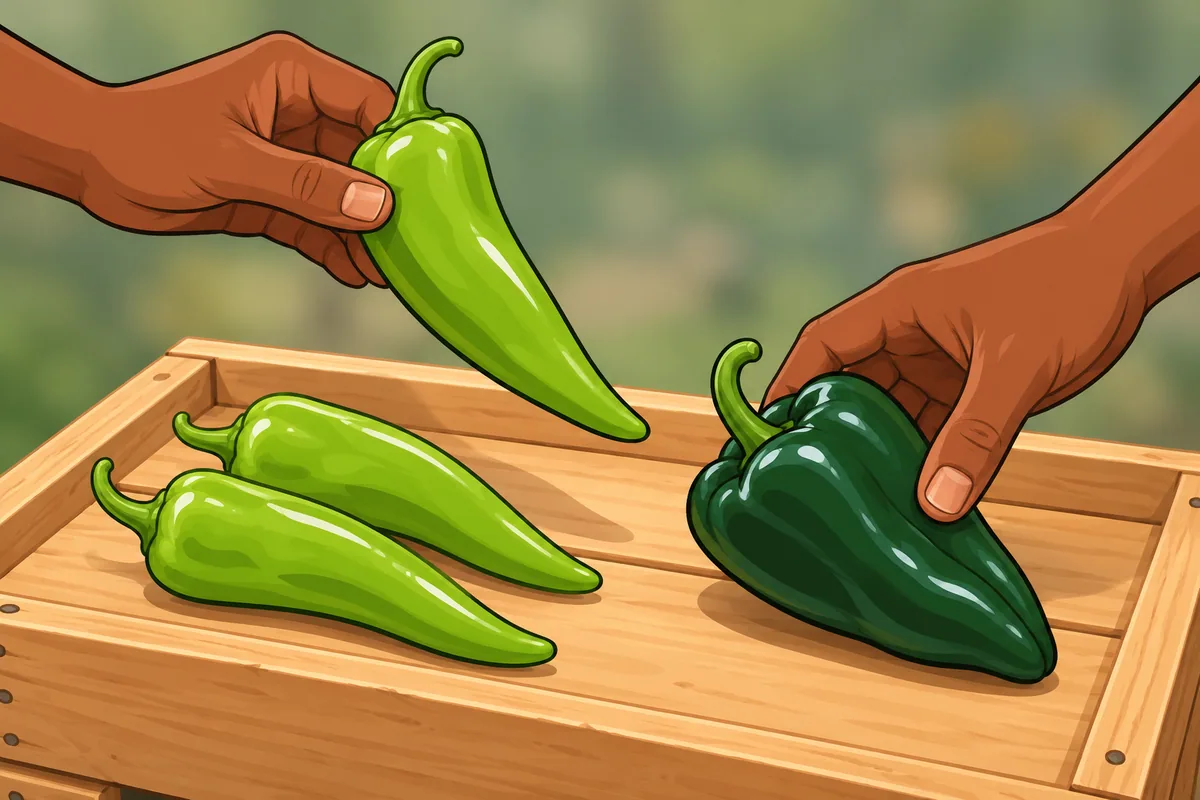
Swap within the same heat band first, then fix the amount with the midpoint ratio.
- Grams of swap = grams called for × (original midpoint ÷ swap midpoint)
- Habanero and Scotch bonnet swap one for one: same species, same 100,000–350,000 SHU
- A jalapeño for a serrano needs about 3½ times the weight
Every swap on one heat axis
The pale bar is the pepper you are missing; the arrow runs from its midpoint to the swap's. The gram figure is how much swap replaces each gram of the original.
-
 Bell pepperCubanelle
1 gSources for this line1. University of Florida IFAS Extension2. UF/IFAS Gardening Solutions3. New Mexico State University, Chile Pepper Institute4. New Mexico State University5. PRODERNA (J.H. Lüttge GmbH), ingredient supplier, spec for its own product6. PRODERNA (J.H. Lüttge GmbH), ingredient supplier, spec for its own product
-
 CubanellePoblano
0.7 gSources for this line1. University of Florida IFAS Extension2. UF/IFAS Gardening Solutions3. New Mexico State University, Chile Pepper Institute4. New Mexico State University5. PRODERNA (J.H. Lüttge GmbH), ingredient supplier, spec for its own product6. PRODERNA (J.H. Lüttge GmbH), ingredient supplier, spec for its own product
-
 PoblanoAnaheim
0.5 g, or pod for podSources for this line1. University of Florida IFAS Extension2. UF/IFAS Gardening Solutions3. New Mexico State University, Chile Pepper Institute4. New Mexico State University5. PRODERNA (J.H. Lüttge GmbH), ingredient supplier, spec for its own product6. PRODERNA (J.H. Lüttge GmbH), ingredient supplier, spec for its own product
-
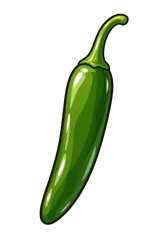 SerranoJalapeño
3.5 gSources for this line1. University of Florida IFAS Extension2. UF/IFAS Gardening Solutions3. New Mexico State University, Chile Pepper Institute4. New Mexico State University5. PRODERNA (J.H. Lüttge GmbH), ingredient supplier, spec for its own product6. PRODERNA (J.H. Lüttge GmbH), ingredient supplier, spec for its own product
-
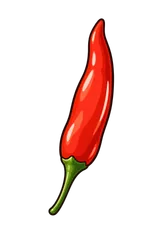 ThaiCayenne
2 gSources for this line1. University of Florida IFAS Extension2. UF/IFAS Gardening Solutions3. New Mexico State University, Chile Pepper Institute4. New Mexico State University5. PRODERNA (J.H. Lüttge GmbH), ingredient supplier, spec for its own product6. PRODERNA (J.H. Lüttge GmbH), ingredient supplier, spec for its own product
-
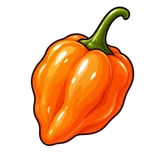 HabaneroScotch bonnet
1 gSources for this line1. University of Florida IFAS Extension2. UF/IFAS Gardening Solutions3. New Mexico State University, Chile Pepper Institute4. New Mexico State University5. PRODERNA (J.H. Lüttge GmbH), ingredient supplier, spec for its own product6. PRODERNA (J.H. Lüttge GmbH), ingredient supplier, spec for its own product
-
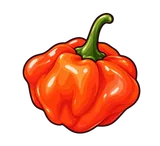 Scotch bonnetHabanero
1 gSources for this line1. University of Florida IFAS Extension2. UF/IFAS Gardening Solutions3. New Mexico State University, Chile Pepper Institute4. New Mexico State University5. PRODERNA (J.H. Lüttge GmbH), ingredient supplier, spec for its own product6. PRODERNA (J.H. Lüttge GmbH), ingredient supplier, spec for its own product
Scoville heat units on a log scale. Midpoints of the published ranges; a blend sits at its hotter pepper.
-
 Substitutes
8 Aji Amarillo Substitutes and How Much to Use
Fruity heat and a yellow color, rebuilt from peppers you can buy.7 min read -
 Substitutes
6 Aji Panca Substitutes and How Much to Use
Low heat, deep color, a little smoke: three things to rebuild.7 min read -
 Substitutes
8 Anaheim Substitutes and How Much to Use
Long green chiles, poblanos and what each does to the heat.8 min read -
 Substitutes
7 Serrano Substitutes and How Much to Use
Same salsa, same bite, worked out in grams.7 min read -
 Substitutes
6 Aji Dulce Substitutes, From Seasoning Peppers to Bell
It looks like a habanero and tastes like one, minus almost all the burn. Here is what does its job.6 min read -
 Substitutes
7 Aji Limo Substitutes for Ceviche and Tiradito
Small, colorful, very hot and citrusy: what goes into the ceviche when the limo basket is empty.6 min read -
 Substitutes
6 Aleppo Pepper Substitutes for Flakes and Color
Aleppo is a coarse, sweet-fruity flake. Copy the texture and the color, then add only a little heat.6 min read -
 Substitutes
7 Ancho Substitutes, Whole Pods and Ancho Powder
A wide, wrinkled, mild dried pod that colors a sauce dark red: what to soak when the bag is empty.7 min read -
 Substitutes
7 Bell Pepper Substitutes, With Grams per Bell
Zero heat, thick walls and a lot of water: here is what does the same job when the bin is empty.7 min read -
 Substitutes
7 Bird's Eye Chili Substitutes and the Grams for Each
The name covers more than one tiny pepper, so start with the pod that shares the heat band.6 min read -
 Substitutes
7 Cayenne Substitutes With the Teaspoon Math
Most cayenne swaps sit on the same spice shelf. The trick is the amount.6 min read -
 Substitutes
8 Cherry Pepper Substitutes and How Much to Use
First work out which cherry pepper the recipe means.7 min read -
 Substitutes
6 Cubanelle Substitutes for Frying and Sofrito
Long, pale, thin-walled and barely warm: what to buy when the cubanelle bin is empty.6 min read -
 Substitutes
6 Fresno Chili Substitutes, From Red Jalapeño Up
Red, medium-hot and a little fruity: that is the whole job, and a red jalapeño does most of it.6 min read -
 Substitutes
6 Gochugaru Substitutes for Kimchi and Stews
Bright red, mild and a little sweet: what to use when the Korean chile flakes run out mid-batch.6 min read -
 Substitutes
7 Guajillo Substitutes That Keep a Sauce Red
Smooth, brick-red, sweet and fruity with a medium bite: what to soak when the guajillo bag is empty.6 min read -
 Substitutes
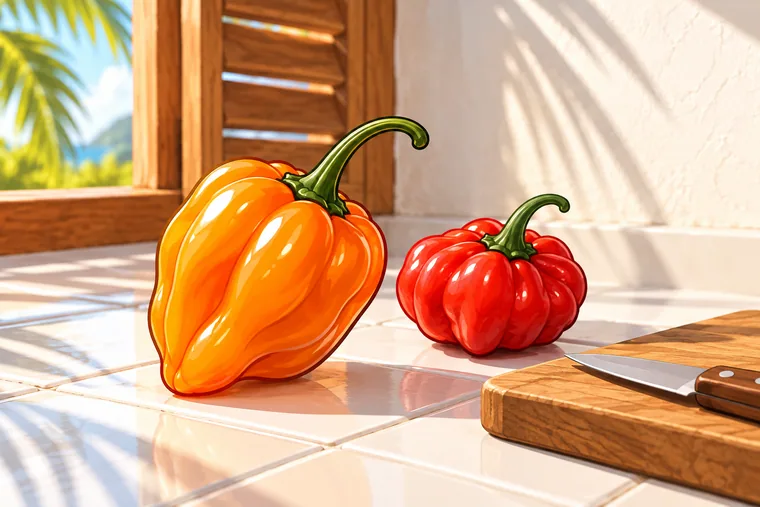
7 Habanero Substitutes, From Scotch Bonnet to Mild
Match the fruit first, then the heat, and weigh the swap instead of counting pods.6 min read -
 Substitutes
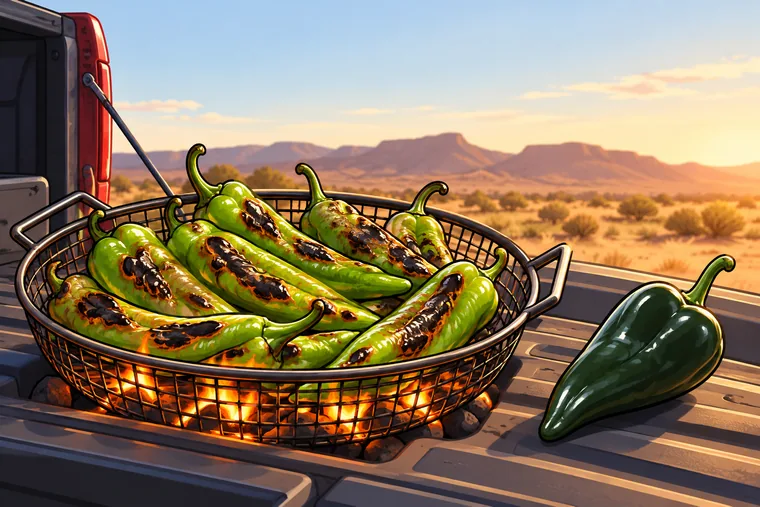
7 Hatch Chile Substitutes for Green and Red Chile
Hatch is a place, so the swap depends on which New Mexico chile was in the bag and how hot it ran.6 min read -
 Substitutes
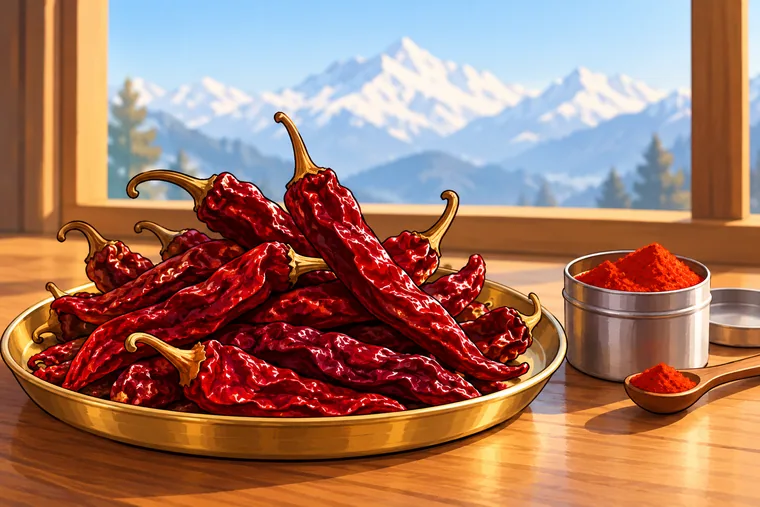
6 Kashmiri Chili Substitutes for Color and Heat
You are replacing a color first and a heat second, so start with the reddest mild powder you have.6 min read -
 Substitutes
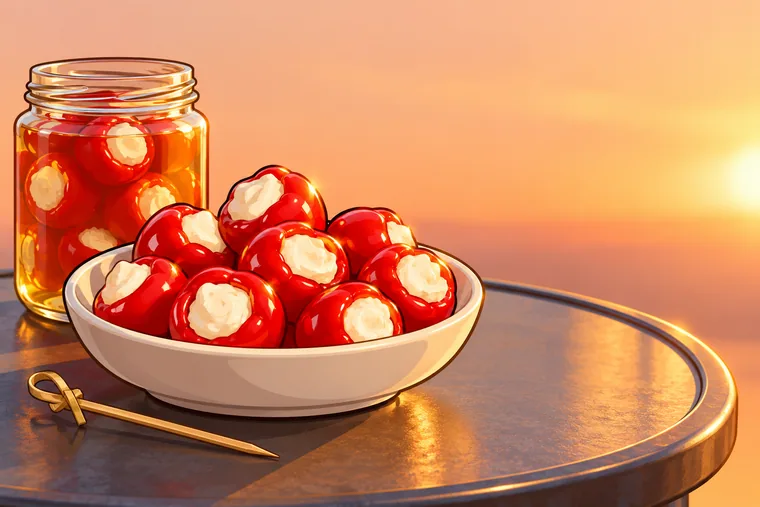
7 Peppadew Substitutes and How Much to Use
A sweet, tangy red pepper from a jar, rebuilt from what the shop has.7 min read -
 Substitutes
7 Piri Piri Substitutes for Marinades and Sauce
Small, very hot and a little fruity: copy those three things and the marinade won't miss it.6 min read -
 Substitutes
6 Poblano Substitutes, From Anaheim to Dried Ancho
Thick dark walls, a mild warm bite and a rich flavor: what you buy when the poblano crate is empty.6 min read -
 Substitutes
7 Shishito Substitutes and How Much to Use
Same hot pan, same pinch of salt, a different small green pepper.7 min read -
 Substitutes
5 Urfa Biber Substitutes and How Much to Use
The dark, oily Turkish flake, rebuilt from what is on your shelf.7 min read
Nothing matches this filter yet.
Pick the pepper you are missing
The swap, the grams and the heat change for every row of the chart, one at a time.
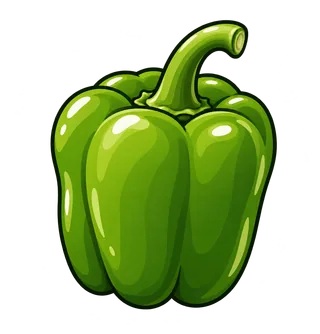
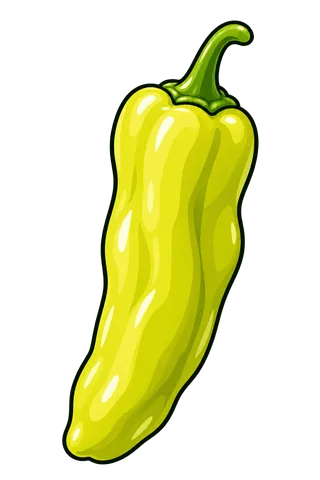
Use Cubanelle
- Amount
- 1 g for each 1 gSources for this line1. University of Florida IFAS Extension2. UF/IFAS Gardening Solutions3. New Mexico State University, Chile Pepper Institute4. New Mexico State University5. PRODERNA (J.H. Lüttge GmbH), ingredient supplier, spec for its own product6. PRODERNA (J.H. Lüttge GmbH), ingredient supplier, spec for its own product
- Heat
- Mild0 SHUMild1,000 SHU
- Flavor
- Sweet, very mild
Use Cubanelle
- Amount
- 1 g for each 1 gSources for this line1. University of Florida IFAS Extension2. UF/IFAS Gardening Solutions3. New Mexico State University, Chile Pepper Institute4. New Mexico State University5. PRODERNA (J.H. Lüttge GmbH), ingredient supplier, spec for its own product6. PRODERNA (J.H. Lüttge GmbH), ingredient supplier, spec for its own product
- Heat
- Mild1,000 SHU
- Flavor
- Both sweet
Use Ancho + paprika
- Amount
- 0.65 g ancho + 0.35 g paprika for each 1 gSources for this line1. University of Florida IFAS Extension2. UF/IFAS Gardening Solutions3. New Mexico State University, Chile Pepper Institute4. New Mexico State University5. PRODERNA (J.H. Lüttge GmbH), ingredient supplier, spec for its own product6. PRODERNA (J.H. Lüttge GmbH), ingredient supplier, spec for its own product
- Heat
- Flavor
- Panca: fruity, smoky (supplier)
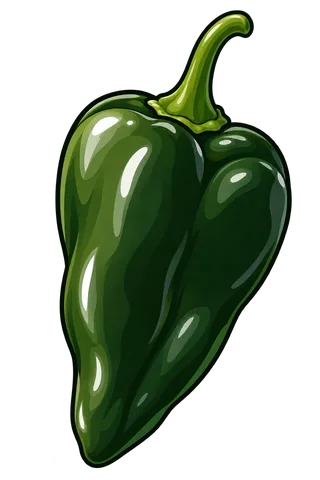
Use Poblano
- Amount
- 0.7 g for each 1 gSources for this line1. University of Florida IFAS Extension2. UF/IFAS Gardening Solutions3. New Mexico State University, Chile Pepper Institute4. New Mexico State University5. PRODERNA (J.H. Lüttge GmbH), ingredient supplier, spec for its own product6. PRODERNA (J.H. Lüttge GmbH), ingredient supplier, spec for its own product
- Heat
- Mild1,000 SHUMild1,000–2,000 SHU
- Flavor
- Rich melon flavor
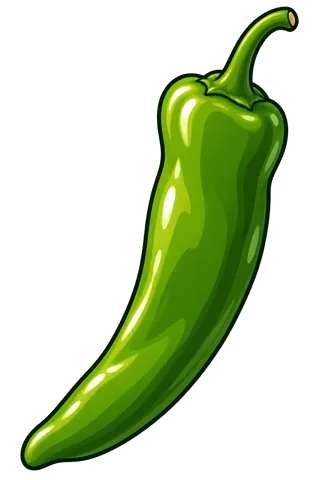
Use Anaheim
- Amount
- 0.5 g, or pod for pod for each 1 gSources for this line1. University of Florida IFAS Extension2. UF/IFAS Gardening Solutions3. New Mexico State University, Chile Pepper Institute4. New Mexico State University5. PRODERNA (J.H. Lüttge GmbH), ingredient supplier, spec for its own product6. PRODERNA (J.H. Lüttge GmbH), ingredient supplier, spec for its own product
- Heat
- Mild1,000–2,000 SHUMedium1,000–5,000 SHU
- Flavor
- Not described
Use New Mexican long green
- Amount
- 1 g for each 1 gSources for this line1. University of Florida IFAS Extension2. UF/IFAS Gardening Solutions3. New Mexico State University, Chile Pepper Institute4. New Mexico State University5. PRODERNA (J.H. Lüttge GmbH), ingredient supplier, spec for its own product6. PRODERNA (J.H. Lüttge GmbH), ingredient supplier, spec for its own product
- Heat
- Medium1,000–5,000 SHU
- Flavor
- Same pod type
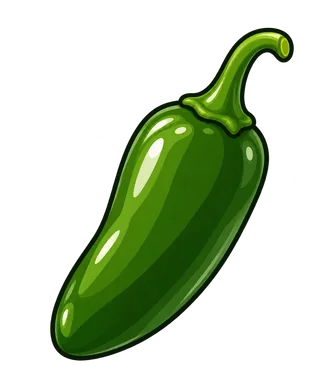
Use Hungarian wax
- Amount
- 0.7 g for each 1 gSources for this line1. University of Florida IFAS Extension2. UF/IFAS Gardening Solutions3. New Mexico State University, Chile Pepper Institute4. New Mexico State University5. PRODERNA (J.H. Lüttge GmbH), ingredient supplier, spec for its own product6. PRODERNA (J.H. Lüttge GmbH), ingredient supplier, spec for its own product
- Heat
- Medium2,000–8,000 SHU
- Flavor
- Not described
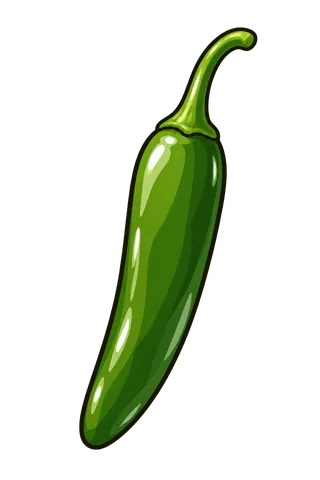
Use Jalapeño
- Amount
- 3.5 g for each 1 gSources for this line1. University of Florida IFAS Extension2. UF/IFAS Gardening Solutions3. New Mexico State University, Chile Pepper Institute4. New Mexico State University5. PRODERNA (J.H. Lüttge GmbH), ingredient supplier, spec for its own product6. PRODERNA (J.H. Lüttge GmbH), ingredient supplier, spec for its own product
- Heat
- Medium10,000–25,000 SHUMedium2,000–8,000 SHU
- Flavor
- Loses the serrano's bite
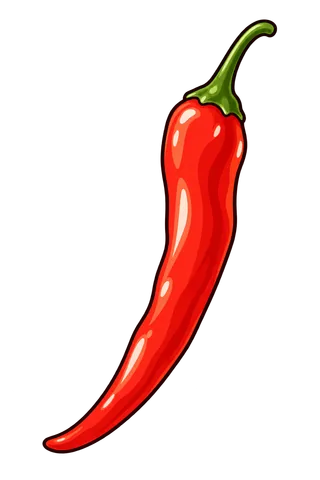
Use Tabasco pepper
- Amount
- 0.9 g for each 1 gSources for this line1. University of Florida IFAS Extension2. UF/IFAS Gardening Solutions3. New Mexico State University, Chile Pepper Institute4. New Mexico State University5. PRODERNA (J.H. Lüttge GmbH), ingredient supplier, spec for its own product6. PRODERNA (J.H. Lüttge GmbH), ingredient supplier, spec for its own product
- Heat
- Hot25,000–50,000 SHU
- Flavor
- Not described
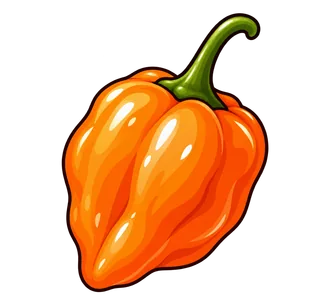
Use Habanero + yellow bell
- Amount
- 0.18 g habanero + 0.82 g bell for each 1 gSources for this line1. University of Florida IFAS Extension2. UF/IFAS Gardening Solutions3. New Mexico State University, Chile Pepper Institute4. New Mexico State University5. PRODERNA (J.H. Lüttge GmbH), ingredient supplier, spec for its own product6. PRODERNA (J.H. Lüttge GmbH), ingredient supplier, spec for its own product
- Heat
- Extra-hot100,000–350,000 SHU
- Flavor
- Both fruity
Use Cayenne
- Amount
- 2 g for each 1 gSources for this line1. University of Florida IFAS Extension2. UF/IFAS Gardening Solutions3. New Mexico State University, Chile Pepper Institute4. New Mexico State University5. PRODERNA (J.H. Lüttge GmbH), ingredient supplier, spec for its own product6. PRODERNA (J.H. Lüttge GmbH), ingredient supplier, spec for its own product
- Heat
- Hot50,000–100,000 SHUHot25,000–50,000 SHU
- Flavor
- Not described
Use Scotch bonnet
- Amount
- 1 g for each 1 gSources for this line1. University of Florida IFAS Extension2. UF/IFAS Gardening Solutions3. New Mexico State University, Chile Pepper Institute4. New Mexico State University5. PRODERNA (J.H. Lüttge GmbH), ingredient supplier, spec for its own product6. PRODERNA (J.H. Lüttge GmbH), ingredient supplier, spec for its own product
- Heat
- Extra-hot100,000–350,000 SHUExtra-hot100,000–350,000 SHU
- Flavor
- Same species
Use Habanero
- Amount
- 1 g for each 1 gSources for this line1. University of Florida IFAS Extension2. UF/IFAS Gardening Solutions3. New Mexico State University, Chile Pepper Institute4. New Mexico State University5. PRODERNA (J.H. Lüttge GmbH), ingredient supplier, spec for its own product6. PRODERNA (J.H. Lüttge GmbH), ingredient supplier, spec for its own product
- Heat
- Extra-hot100,000–350,000 SHUExtra-hot100,000–350,000 SHU
- Flavor
- Fruity, citrus, floral
Use Cayenne
- Amount
- 1.1 g for each 1 gSources for this line1. University of Florida IFAS Extension2. UF/IFAS Gardening Solutions3. New Mexico State University, Chile Pepper Institute4. New Mexico State University5. PRODERNA (J.H. Lüttge GmbH), ingredient supplier, spec for its own product6. PRODERNA (J.H. Lüttge GmbH), ingredient supplier, spec for its own product
- Heat
- Hot25,000–50,000 SHU
- Flavor
- Not described
On this page
What can you use instead of a pepper?
Find the pepper your recipe calls for, then read across. Each swap sits in the same heat band where one exists, and the gram column tells you how much of it gives your dish about the same heat. The amounts are estimates from range midpoints, by weight.
| If the recipe says | Use | Heat vs original | How much | Flavor note |
|---|---|---|---|---|
| Bell pepper | Cubanelle | A touch hotter | 1 g | Sweet, very mild |
| Aji dulce | Cubanelle | About the same | 1 g | Both sweet |
| Aji panca | Ancho + paprika | Ancho about 1.5 × hotter | 0.65 g ancho + 0.35 g paprika | Panca: fruity, smoky (supplier) |
| Cubanelle | Poblano | 1.5 × hotter | 0.7 g | Rich melon flavor |
| Poblano | Anaheim | 2 × hotter | 0.5 g, or pod for pod | Not described |
| Anaheim | New Mexican long green | About the same | 1 g | Same pod type |
| Jalapeño | Hungarian wax | 1.5 × hotter | 0.7 g | Not described |
| Serrano | Jalapeño | 3.5 × milder | 3.5 g | Loses the serrano's bite |
| Cayenne | Tabasco pepper | About the same | 0.9 g | Not described |
| Aji amarillo | Habanero + yellow bell | Blend matches | 0.18 g habanero + 0.82 g bell | Both fruity |
| Thai (bird's eye) | Cayenne | 2 × milder | 2 g | Not described |
| Habanero | Scotch bonnet | The same | 1 g | Same species |
| Scotch bonnet | Habanero | The same | 1 g | Fruity, citrus, floral |
| Tabasco pepper | Cayenne | About the same | 1.1 g | Not described |
Same band first, amount second: a swap from the same band needs only a small change in grams, so it barely changes your dish. A swap two bands away can match the heat, but the gram column gets extreme, and the volume of pepper in your pot changes with it.
Laid end to end, most rows form one chain from the sweet bell through the cubanelle to the Thai chile. The habanero pair stands apart, with nothing near it in heat.
- Bell0 SHUMild
- Cubanelleabout 1,000 SHUMild
- Poblano1,000–2,000 SHUMild
- Anaheim1,000–5,000 SHUMedium
- Jalapeño2,000–8,000 SHUMedium
- Serrano10,000–25,000 SHUMedium
- Cayenne25,000–50,000 SHUHot
- Thai chile50,000–100,000 SHUHot
- Habanero100,000–350,000 SHUExtra-hot
- Scotch bonnet100,000–350,000 SHUExtra-hot
How do you work out how much to use?
Take the midpoint of each range, divide the original's by the swap's, and multiply by the grams in your recipe. Keep the form the same: fresh for fresh, dried for dried, and you can size any swap on a scrap of paper.
Say a recipe wants 30 g of serrano and you have jalapeños. The serrano midpoint is (10,000 + 25,000) ÷ 2 = 17,500 SHU and the jalapeño's is (2,000 + 8,000) ÷ 2 = 5,0001. So 30 × (17,500 ÷ 5,000) = 105 g of jalapeño for about the same heat.
Recipes count pods, not grams, so turn the answer back into pods. USDA weighs one raw jalapeño at 14 g7, so 105 g is about seven and a half jalapeños. That much extra green flesh also adds crunch and water to a salsa; if the bowl looks crowded, use five jalapeños and accept a milder batch. The serrano swaps work through the same numbers pod by pod.
Which swaps keep the flavor, and which only match the heat?
A swap keeps the flavor when you use the same pepper in another form, the same pod type, or the same species. Everything else only matches the heat, and you rebuild the rest yourself with color, smoke or a second pepper.
These keep the flavor
Flavor matters most where the pepper is the dish. In a chile relleno made from a poblano, or in a raw salsa, you taste the pod itself, so stay in the left column. In a long-cooked chili or a stew, you will rarely notice a heat swap from the right column.
Can you use dried chiles or powder instead of fresh?
Yes, if you swap by the part you have left once the water is gone. A fresh red chile is 88 % water9, while ground cayenne is 8 %8, so 1 g of powder holds the solids of about 7.7 g of fresh pod: (100 − 8.05) ÷ (100 − 88.02) = 7.7.
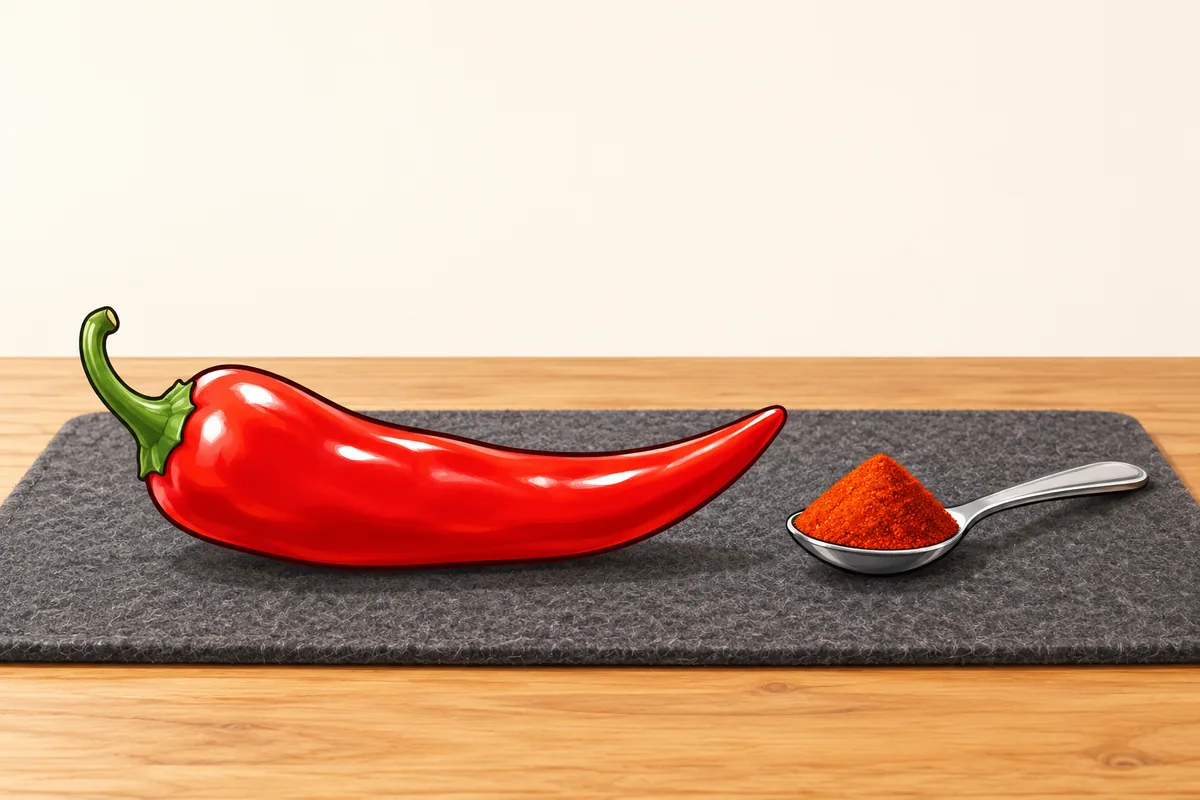
| Form | Water | 1 g replaces about |
|---|---|---|
| Fresh red hot chile9 | 88.0 % | 1 g fresh |
| Whole sun-dried hot chile910 | 7.2 % | 7.8 g fresh |
| Ground cayenne89 | 8.1 % | 7.7 g fresh |
USDA weighs a teaspoon of cayenne at 1.8 g8, so one teaspoon stands in for about 14 g of fresh red chile, roughly a third of a 45 g pod9. Do the pepper swap first with the midpoint ratio, then convert the form.
Powder works where the pepper disappears into the dish, like a stew, a rub or a sauce; keep whole pods where you see and bite them, like salsa or rellenos. Either way, add it a pinch at a time and taste.
Swapping one dried chile for another
Dried pods carry their own names, so your recipe may ask for one you have never seen. Most of them are a fresh pepper you already know, dried, and the table tells you which.
| Dried name | What it is | Swap with |
|---|---|---|
| Ancho3 | A Mexican pod type matured to red and dried; the fresh one sells as poblano | Mulato, for a browner, similar pod |
| Chipotle3 | A smoke-dried red jalapeño | Dried red jalapeño; you lose the smoke |
| Chile pasado3 | Dehydrated New Mexican green chile | Frozen roasted green chile |
| Dried New Mexican red411 | Mature red New Mexican pods, the ristra chile | Another New Mexican red; heat varies by cultivar |
| Paprika3 | Any non-pungent red chile used as a spice or for color | A mild red chile powder; it adds some heat |
Whole dried pods need water before most sauces. NMSU covers washed pods with boiling water for 30 minutes and gets about 1 pint of purée from 12 to 14 large pods11, so a recipe that wants a cup of red chile sauce needs six or seven pods.
Why does the same swap feel hotter one night?
Because each range is wide, and two pods from your one bag can sit at opposite ends. A habanero runs from 100,000 to 350,000 SHU1, three and a half times from bottom to top.
Cultivars move it too. NMSU's New Mexican chiles average anywhere from 0 to 9,500 SHU depending on the cultivar, and NMSU notes those averages shift by year and growing location4. Add three quarters of the worked amount, taste, then add the rest.
What goes wrong with a swap?
Most failed swaps break the heat, the water or the color. You can spot each one before you finish the pot.
- Too hot. You jumped two bands and kept the recipe's grams. A Thai chile for a cayenne needs half the weight2.
- Watery salsa. You used fresh pods where the recipe meant dried; a fresh chile is 88 % water9. Simmer longer or use powder.
- Wrong color. Aji amarillo turns a sauce yellow and aji panca turns it dark red; add yellow bell or paprika, as the aji amarillo swaps do in grams.
Which swap should you pick?
Work down this list and stop at the first one your shop has. Each step you go down gives up a little more of the original's taste.
- The same pepper in another form, sized by water: dried for fresh at about 1 g for 7.7 g8.
- The same pod type or species: any New Mexican green for an Anaheim, Scotch bonnet for habanero.
- A pepper from the same heat band, sized with the midpoint formula.
- A blend: one hot pepper for the heat plus a mild one for body and color, the way the aji swaps work.
We print a flavor note only where a primary source describes the flavor; where none does, our chart says so rather than guess, and you decide. To see a pepper's full profile before you swap, open its entry in the pepper index, where every heat range carries its source.
More in Cook
The newest from Cook
-
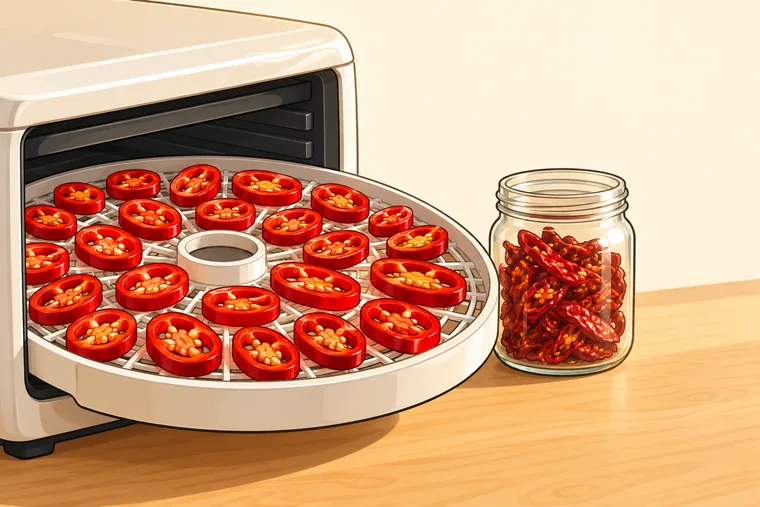
How to Dry Peppers 4 Ways, 8 Hours to 4 Weeks
Temperatures, times and the test that tells you they are done.Oct 18, 2026 · Guide -
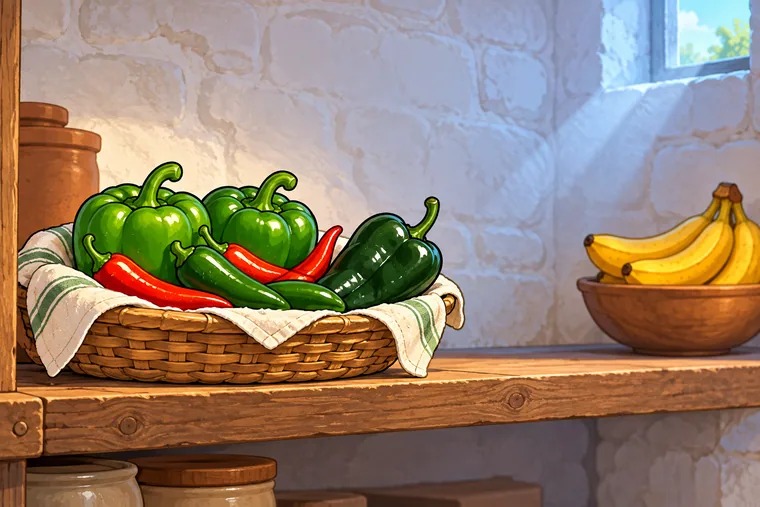
How to Store Peppers for 3 Weeks or a Full Year
Cool but not cold, humid but not wet, away from the fruit bowl: the rules for keeping a bag of peppers good.Oct 18, 2026 · Guide -
Pickled Banana Peppers, a 9-Pint Canning Recipe
A tested sweet pepper pickle, written out in grams, with a hotter jar for the Hungarian wax crowd.Oct 18, 2026 · Recipe -
How to Rehydrate Dried Chiles 4 Ways, 30 Min to 2 Hours
Hot water, a simmering pot, a slow cold soak or no soak at all: the dish decides which.Oct 18, 2026 · Guide -
8 Aji Amarillo Substitutes and How Much to Use
Fruity heat and a yellow color, rebuilt from peppers you can buy.Oct 18, 2026 · Guide -
6 Aji Panca Substitutes and How Much to Use
Low heat, deep color, a little smoke: three things to rebuild.Oct 18, 2026 · Guide
Sources
· 11
- 1University of Florida IFAS Extension HS-859/TR010: Pepper Production in Miami-Dade County, Florida
- 2UF/IFAS Gardening Solutions Peppers by Scoville Units
- 3New Mexico State University, Chile Pepper Institute Chile Terminology
- 4New Mexico State University Circular 706: The Chile Cultivars of New Mexico State University, 1913–2022 (Coon, Walker, Lozada, Guzman, Bosland)
- 5PRODERNA (J.H. Lüttge GmbH), ingredient supplier, spec for its own product Panca (whole and powder)
- 6PRODERNA (J.H. Lüttge GmbH), ingredient supplier, spec for its own product AJI AMARILLO (whole and powder)
- 7USDA Agricultural Research Service, FoodData Central (SR Legacy) Peppers, jalapeno, raw (FDC ID 168576)
- 8USDA Agricultural Research Service, FoodData Central (SR Legacy) Spices, pepper, red or cayenne (FDC ID 170932)
- 9USDA Agricultural Research Service, FoodData Central (SR Legacy) Peppers, hot chili, red, raw (FDC ID 170106)
- 10USDA Agricultural Research Service, FoodData Central (SR Legacy) Peppers, hot chile, sun-dried (FDC ID 168570)
- 11New Mexico State University, College of Agricultural, Consumer and Environmental Sciences Guide E-327: Using Chile to Make Ristras and Chile Sauce (Coon, Walker; revised 2015)
Your pocket pepper index.
Built from the same index as this site.
- Every entry offline
- Compare any two peppers
- Keep a list of peppers you have tried