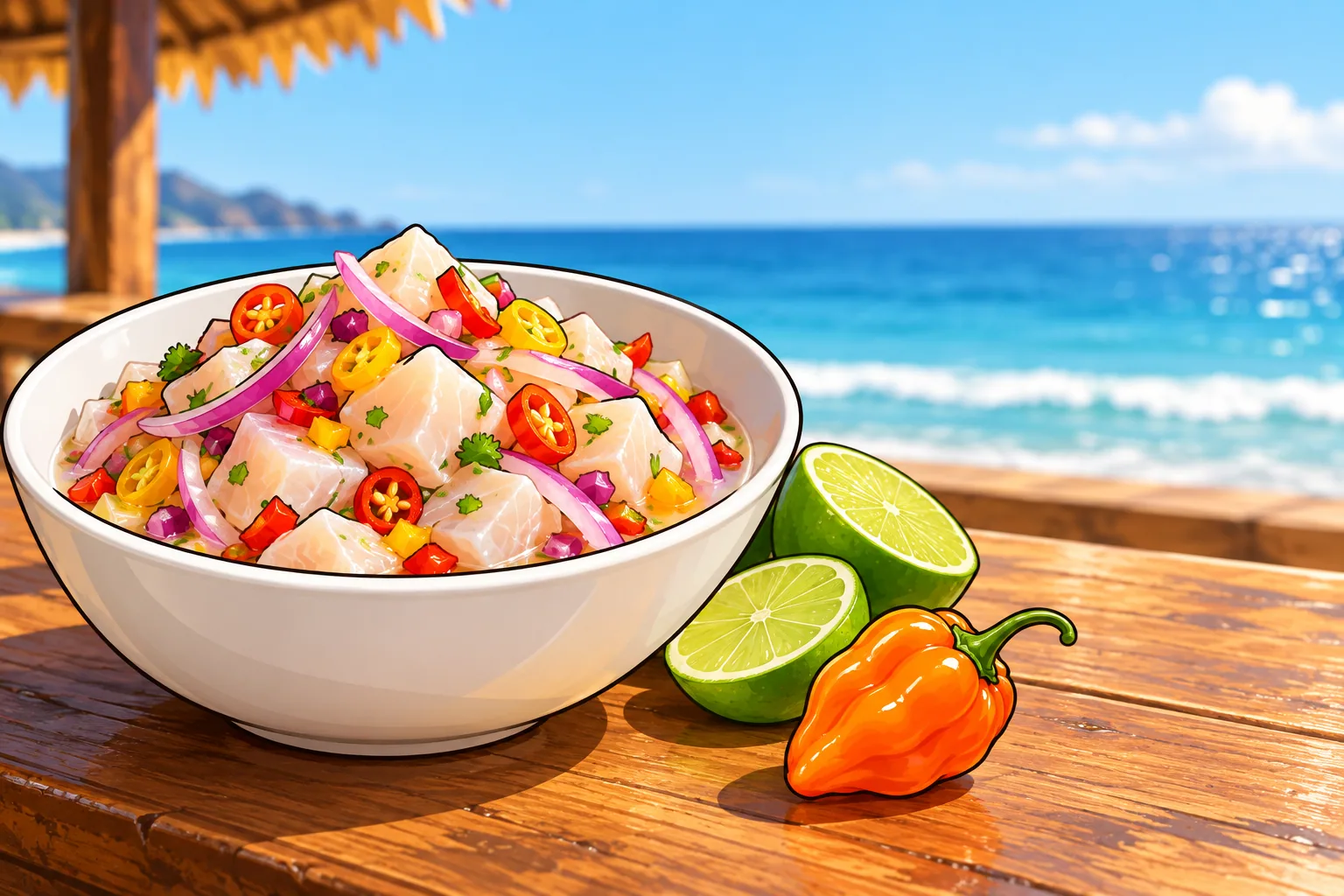
On this page
- 1What can you use instead of ají limo?
- 2How hot is ají limo, and why is there no Scoville number?
- 3Which limo swap looks and tastes closest in a ceviche?
- 4How do you tame a habanero down to your ceviche's heat?
- 5Can you use ají amarillo instead of ají limo?
- 6Which limo swap fits what you are making?
- 7What goes wrong with a habanero ceviche?
- 8How do you keep a bag of limo swaps fresh until ceviche day?
- 9What should you make with your limo swap first?
- 10Sources
What can you use instead of ají limo?
A habanero, used sparingly. Peru's native ají guide lists ají limo as Capsicum chinense1, the same species as the habanero, and UF/IFAS describes the habanero's flavor as fruity and citrus-like with a floral aroma2. That citrus note is what a ceviche wants from its limo. If you shop at a Peruvian market, look for ají mochero or arnaucho first.
| Swap | Species and heat | How much for 1 limo | Best for | Flavor note |
|---|---|---|---|---|
| Ají mochero1 | Peruvian ají; no published SHU | 1 pod | Ceviche, tiradito, seafood stews | Citrus aroma |
| Ají arnaucho1 | Peruvian ají, very hot; no published SHU | 1 pod | Ceviche | Like limo, a little thicker |
| Habanero2 | C. chinense, 100,000–350,000 SHU | Half a pod, then taste | Ceviche, hot sauce | Fruity, citrus-like, floral |
| Scotch bonnet3 | C. chinense, 100,000–350,000 SHU | Half a pod, then taste | Hot sauce, marinades | Fiery heat, fruity4 |
| Ají amarillo, fresh or paste1 | C. baccatum; dried, 30,000–50,000 SHU by one supplier5 | 1 pod or 1 tsp paste | Ceviche with a milder bite | Fruity; colors the dish yellow |
| Rocoto1 | Peru's hottest commercial ají; no published SHU | A thin slice | Hot sauces, salads | Thick flesh, black seeds |
| Serrano3 | C. annuum, 10,000–25,000 SHU | 1–2 pods | A milder supermarket ceviche | Bright, biting4 |
Pick by flavor first, then cut the amount until the heat fits your table; you can always add a second slice, never take one out. The habanero rows carry the citrus; the amarillo and serrano rows trade some of it for a gentler bite.
Ají mochero, the citrus cousin
The Bioversity guide describes ají mochero as a medium-sized ají with a citrus aroma, bred by farmers to a uniform yellow, and used in ceviche of grouper or seafood, ceviche a la trujillana, guisos and tiraditos1. It does the same job as limo in the same dishes. If you find it, swap it pod for pod.
Ají arnaucho, the look-alike
Arnaucho is small and very hot, similar to ají limo but a little thicker, shaped like a spinning top, and comes in yellow, red, white or purple1. The guide says cooks use it mostly for ceviche. It is the closest you will get to limo's look in a bowl.
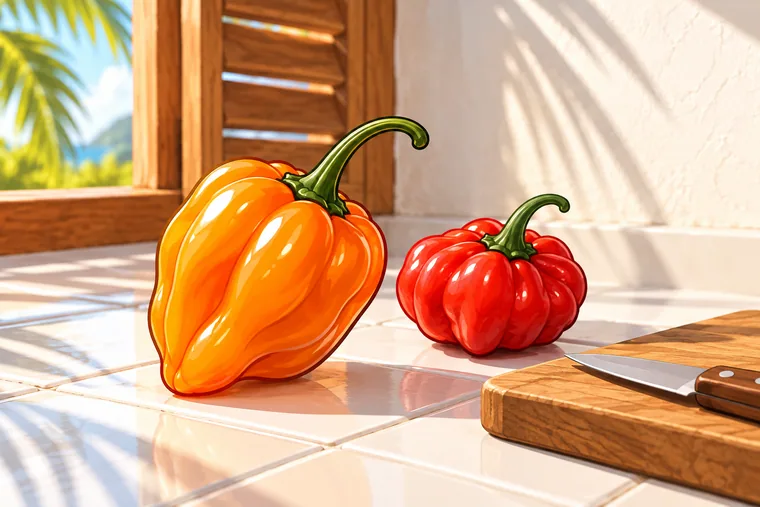
Habanero, the supermarket swap
A habanero gives you the species, the citrus and the floral note2, with heat of 100,000–350,000 SHU. No source we read rates limo, so we cannot give you a ratio; start with half a habanero where your recipe calls for one limo, taste the marinade, and add more if you want it.
Scotch bonnet, the habanero's twin
A Scotch bonnet is C. chinense too, at the same 100,000–350,000 SHU3, and UC Master Gardeners describe fiery heat with a fruity flavor4. Use it exactly as you would a habanero. It shows up more often in Caribbean shops than habaneros do in some cities.
Ají amarillo, for a milder Peruvian ceviche
The Bioversity guide names ceviche among the many dishes cooks make with ají amarillo1. It is a different species, C. baccatum, and a Peruvian supplier rates its dried pods at 30,000–50,000 SHU5. A fresh pod or a spoon of paste turns your ceviche golden and fruity, with less bite than a habanero.
Rocoto, if you want more fire
The guide calls rocoto the hottest of Peru's commercial ajíes, red with black seeds, used in salads, hot sauces and rocoto relleno1. Its thick flesh chops into neat cubes, so a few thin slices add heat and crunch to your ceviche. Start with very little, since no source gives its heat as a number.
Serrano, the mild fallback
A serrano rates 10,000–25,000 SHU3 with a bright, biting flavor4. It lacks the habanero's citrus perfume, so your ceviche tastes more Mexican than Peruvian. For a guest who fears habaneros, it is the safe swap.
How hot is ají limo, and why is there no Scoville number?
Hot, but nobody we read has measured it in a source you can check. The Bioversity guide simply calls it picante and names it for hot sauces and ceviche1. Seed sellers print numbers, but none links to a lab result, so we leave the cell empty rather than guess.
Ají limo

Habanero
What carries over is the family resemblance: the same species, the same small, thin-walled pod and the same citrus side. What does not carry over is a number. Treat your first habanero ceviche as a test batch, and write down how much you used.
Which limo swap looks and tastes closest in a ceviche?
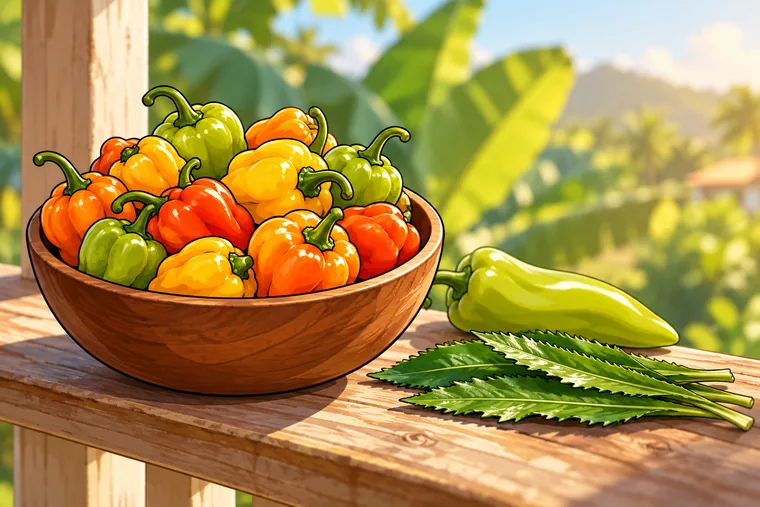
The habanero for taste, the arnaucho for looks, the amarillo for color. The pods below sit side by side as you would find them on a Lima market counter.
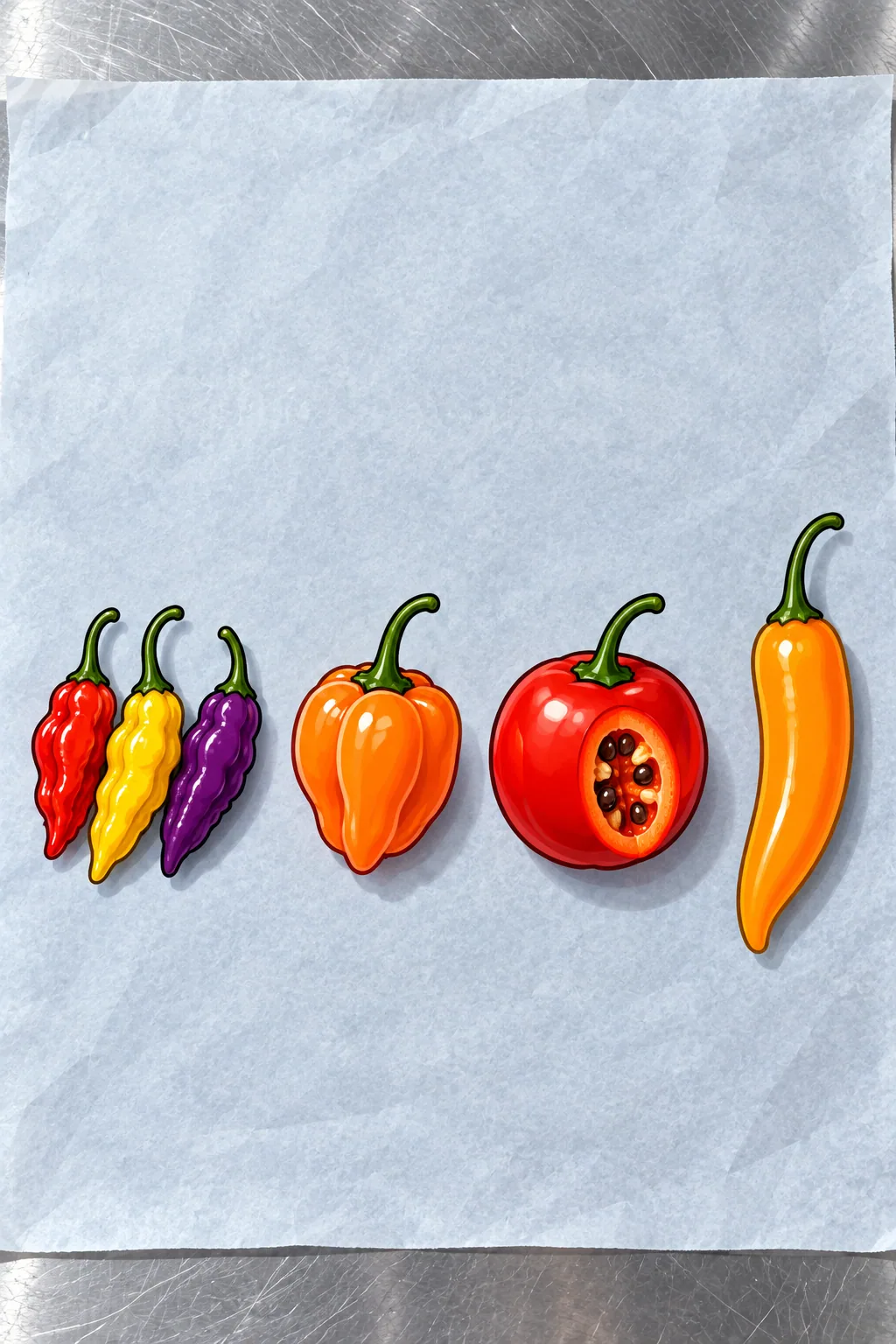
Limo's colors are part of the dish: chopped red, yellow and purple pods scatter through the white fish. If you use a habanero, mix orange habanero with a little finely diced red and yellow bell to bring some of that color back without adding heat.
How do you tame a habanero down to your ceviche's heat?
Dilute it with sweet pepper by weight. A yellow bell adds no heat, so the habanero's share sets the heat of your mix. At the habanero's 225,000 SHU midpoint2, the share you need is your target heat divided by 225,000.
| Target heat for your mix | Habanero share | In 50 g of chopped pepper | Like |
|---|---|---|---|
| About 5,000 SHU23 | 2.2 % | 1.1 g habanero + 48.9 g bell | A jalapeño midpoint |
| About 17,500 SHU23 | 7.8 % | 3.9 g habanero + 46.1 g bell | A serrano midpoint |
| About 75,000 SHU23 | 33 % | 16.7 g habanero + 33.3 g bell | A Thai pepper midpoint |
| About 225,000 SHU2 | 100 % | 50 g habanero | Habanero straight |
The second row is where most home cooks land for ceviche. Chop the habanero very fine so the heat spreads evenly, and taste the lime marinade before the fish goes in; that is your last easy chance to adjust.
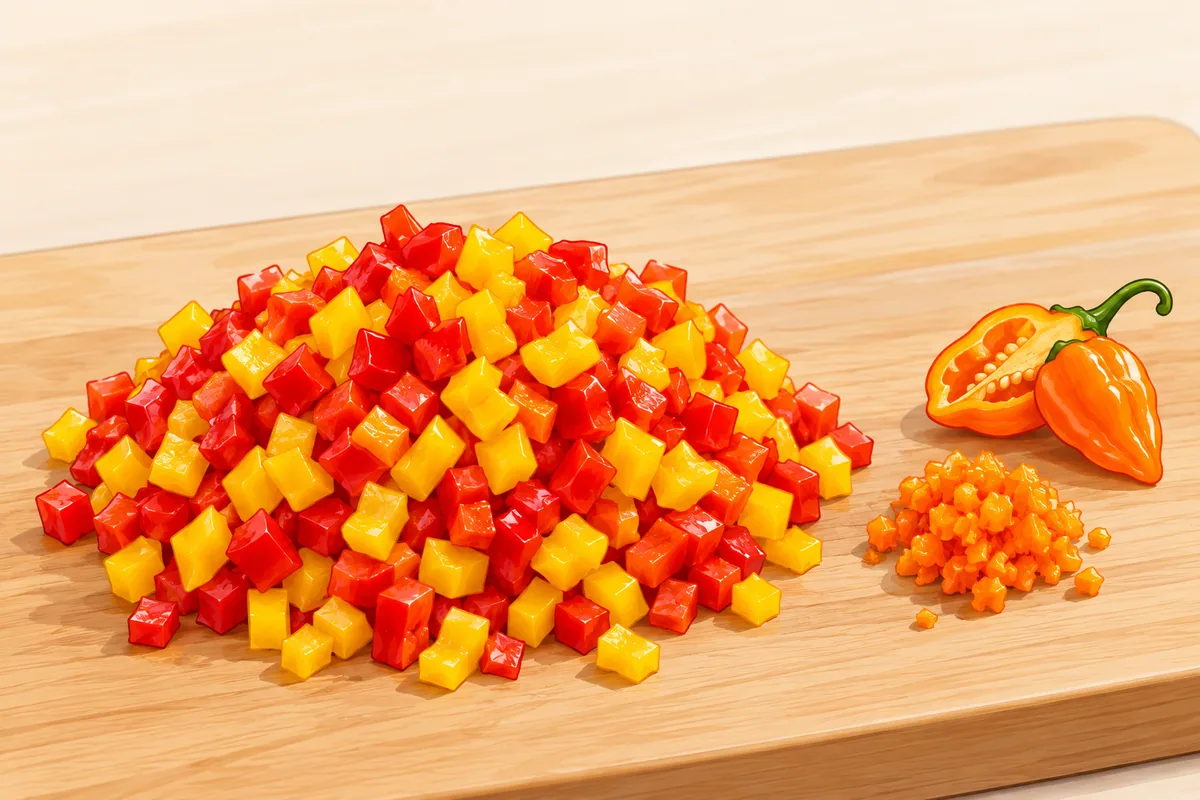
Kentucky's crop profile notes that capsaicin concentrates in the cross walls and around the seeds6, so trimming those away from a habanero lowers its heat further. Do it with gloves on.
Can you use ají amarillo instead of ají limo?
Yes, for a milder, sunnier ceviche. Both sit in Peru's ceviche tradition, the Bioversity guide lists ceviche among amarillo's dishes and names limo for it too1, but amarillo turns the dish yellow and brings fruit more than citrus. At 30,000–50,000 SHU for dried pods by one supplier's spec5, it is also likely gentler than a habanero.
If you have both, you can do what many Peruvian cooks do with two ajíes: a spoon of amarillo for color and body, and a few slivers of your hot swap for the bite. The ají amarillo swaps help if that one is missing too.
Which limo swap fits what you are making?
Let the dish set the heat. The tree below gives one swap per common limo dish.
- everydayClassic cevicheHabanero at about 8 % of the chopped pepper
- silky and goldenTiraditoAjí amarillo paste, a spoon at a time
- bottledHot sauceHabanero or Scotch bonnet, 100,000–350,000 SHU
- gentleCeviche for guests who avoid heatSerrano, 10,000–25,000 SHU
- lucky dayYou found a Peruvian marketAjí mochero or arnaucho, pod for pod
Sources for this line1. Bioversity International, with INIA and Peru's Ministry of Agriculture and Irrigation2. University of Florida IFAS Extension3. UF/IFAS Gardening Solutions
When you cannot decide, go with the habanero mix. It keeps the limo's species and its citrus, and the dilution table lets you set the heat for whoever sits at your table.
What goes wrong with a habanero ceviche?
Most problems come from the heat being too strong or too uneven. Check these before you serve.
Before the ceviche goes out
- Start at half a habanero per limo; it runs 100,000–350,000 SHU2
- Trim the cross walls and seeds, where the capsaicin sits, if your batch tastes too hot6
- Chop the hot pepper very fine so no one bites into a whole piece
- Taste the lime marinade before adding the fish; adjust there, not after
- Wear gloves and wash your knife and board before you cut the onion
If your ceviche came out too hot anyway, add more fish, onion and lime, which spreads the same heat over more food. Rocoto and arnaucho run hot too, so the same rule applies to them.
How do you keep a bag of limo swaps fresh until ceviche day?
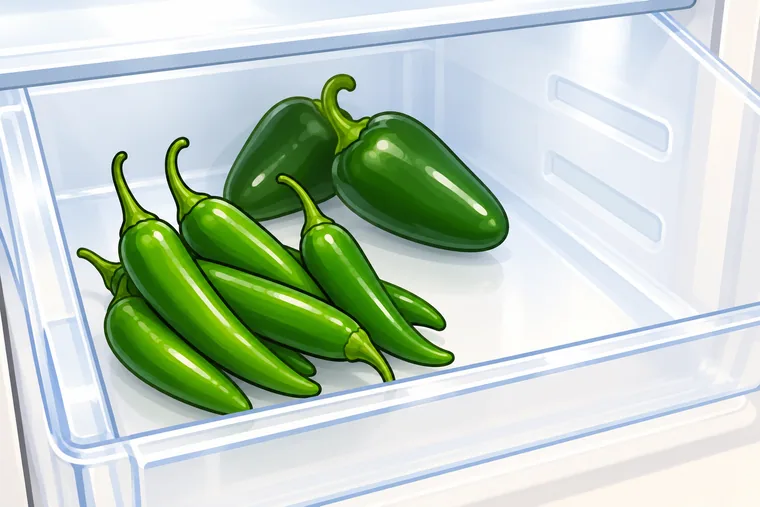
Cool, not cold, and frozen if you bought too many. The USDA storage handbook says fresh peppers, chiles included, keep 2 to 3 weeks at 45 °F with high humidity, and that they suffer chilling injury below that7. Most home fridges run colder, so your habaneros keep best in a crisper drawer set to its least cold position, and you use them within a week or two.
For longer, freeze them. NCHFP's method for hot peppers is simply to wash and stem them, pack them with no headspace, seal and freeze8. A frozen habanero goes soft when it thaws, so it suits a marinade or a hot sauce better than the crisp slivers on top of a ceviche.
Is ají limo the same as a habanero?
No, but they share a species. The Bioversity guide lists limo as Capsicum chinense, the habanero's species, with its own shapes and colors, from red and yellow to white and purple.12
Can you use dried chile flakes instead of ají limo in ceviche?
They add heat but none of the fresh citrus note, and they stay visible as dry specks. A fresh habanero or serrano does the job better.
What gives leche de tigre its heat if you have no limo?
Whatever fresh hot pepper you blend into the lime marinade. A few slivers of habanero, from the dilution table above, give you the same kind of citrus heat.2
What should you make with your limo swap first?
A small batch of ceviche, with the dilution table open. Note how much habanero you used and how it tasted, and you have your own limo rule for next time.
If your recipe also asks for an ají you cannot find, from amarillo to panca, the swap chart lists each one with its closest swap and the amount. For what the real limo looks like and where it grows, the entry linked at the top of this page has the details.