
10 Types of Chili Powder, Blends vs Single-Chile Powders
Two families on one shelf: blends for a pot of chili, and single peppers ground fine.
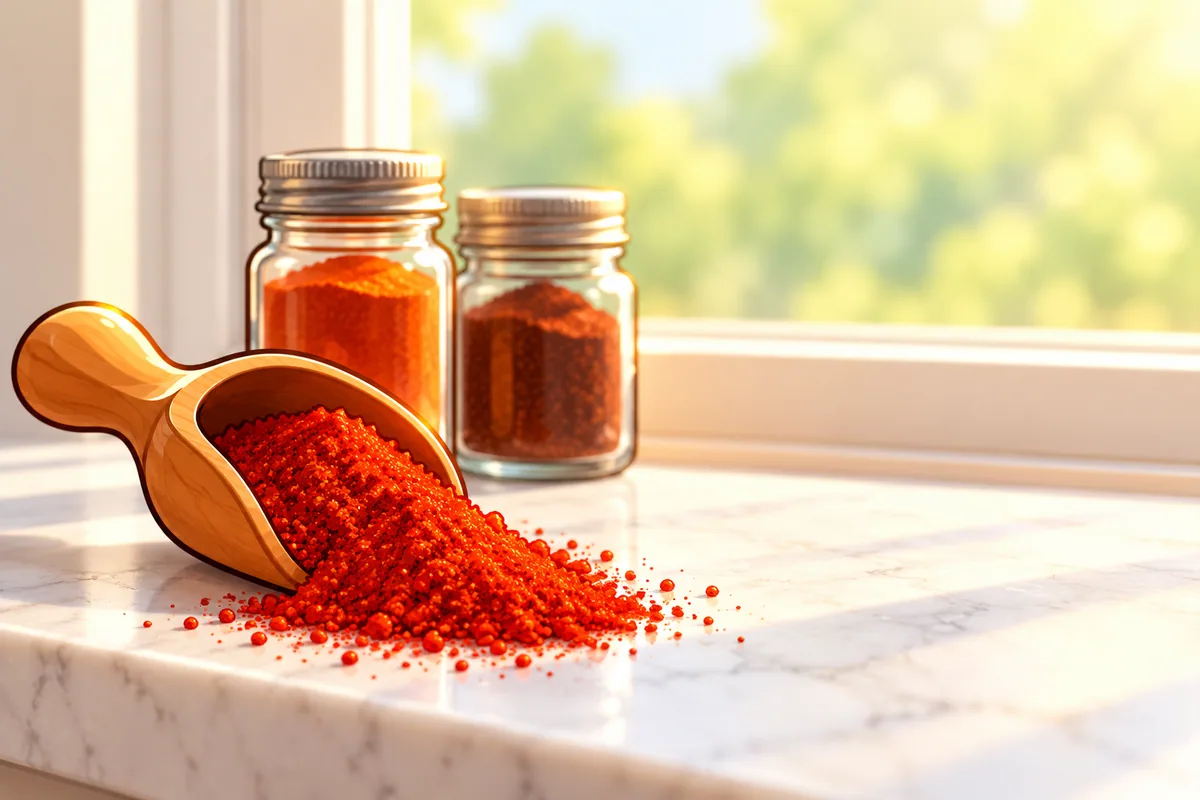
Chili powder comes in two kinds: a seasoning blend for the dish called chili, and a single dried pepper ground to powder.
- McCormick's chili powder lists chili pepper, spices, salt, silicon dioxide and garlic
- Ground red pepper is cayenne, 25,000–50,000 SHU before grinding
- Ancho powder is one pepper: the poblano, 1,000–2,000 SHU, ripened and dried
What is in each jar, and how hot?
Blends on top of the shelf, single peppers below, each with the published heat of its source pepper.
| Jar | Powder | Made from | Kind | Heat of the source pepper |
|---|---|---|---|---|
 | Chili powder | Chili pepper, spices, salt, silicon dioxide, garlic | Blend | Not published1 |
| Chili powder to USDA purchase spec | Ground chili pepper, cumin, oregano, salt, garlic powder | Blend | 900–2,000 SHU2 |
 | Ground red pepper (cayenne) | Cayenne, dried and ground | Single chile | 25,000–50,000 SHU34 |
 | Paprika | Any non-pungent chile that ripens red | Single chile | Non-pungent5 |
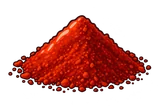 | Red New Mexico chile powder | New Mexico chiles ripened red, dried and ground | Single chile | 500–2,500 SHU17 |
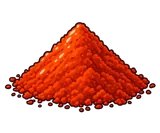 | Anaheim powder | Anaheim, dried | Single chile | 1,000–5,000 SHU4 |
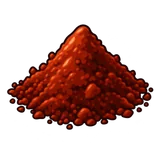 | Ancho powder | Poblano, ripened and dried (ancho) | Single chile | 1,000–2,000 SHU45 |
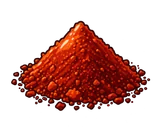 | Chipotle powder | Jalapeño, ripe red and smoke-dried | Single chile | 2,000–8,000 SHU45 |
 | Ghost pepper powder | Ghost pepper (Bhut Jolokia) | Single chile | 1,041,427 SHU4 |
 | Carolina Reaper powder | Carolina Reaper | Single chile | 1,569,300 SHU average16 |
Log scale, 100 to 3.2 million SHU. A bar is the published heat of the source pepper; a blend has none, because no maker publishes one.
A seasoning or a pepper?
2 of the 10 jars above are blends; the rest are one pepper each, from paprika to Carolina Reaper.
Blends
Chile plus spices, salt and garlic. Season the pot with it.
Single-chile powders
One dried pepper, ground. Its heat is that pepper's heat.
Blend or pure chile?
- 1
First ingredient
"Chili pepper" first means a blend built on chile; a single pepper's name means a single-chile powder.1
- 2
Salt and garlic
If they are on the list, you are holding a seasoning, not a pure chile.1
- 3
Spice and coloring
Under US rules that phrase can stand for paprika.10
- 4
Source pepper
Check the source pepper's heat before you swap one powder for another.4
On this page
- 1What are the types of chili powder?
- 2What is the difference between chili powder and ancho chili powder?
- 3How hot is each chili powder?
- 4What does "spices" on a chili powder label mean?
- 5Can you make your own chili powder?
- 6Why does chili powder clump, fade or lose its smell?
- 7Which powder should you pick?
What are the types of chili powder?
Two families share your spice shelf. One is a blend for the stew called chili, and McCormick lists its own as chili pepper, spices, salt, silicon dioxide and garlic1. The other is a single dried pepper ground fine, so your jar tastes as hot and as smoky as that one pepper.
The USDA spec that government kitchens buy against describes the blend the same way: a reddish-brown powder, free from lumps, built on ground chili pepper, cumin, oregano, salt and garlic powder2. So the chile is only one of five things in that jar, and the other four change how your pot tastes.
- season the potChili powder blendChile plus cumin, oregano, salt and garlic
- add one pepperSingle-chile powdersOne dried pepper, ground
- MildPaprika, ancho, Anaheim, red New Mexico
- MediumChipotle, the smoked ripe jalapeño
- HotGround cayenne, sold as ground red pepper
- Super-hotGhost pepper and Carolina Reaper
The word chili on a jar tells you less than the word that comes before or after it: "chili powder" means a seasoning, "ancho chili powder" means a pepper. McCormick even suggests cayenne as a building block for making chili powders3, which shows you how the blend starts: one hot ground pepper, then the spices.
The blend has a page of its own, where chili powder gets taken apart ingredient by ingredient. Every single-chile powder starts from a pepper with its own entry in the pepper index, with its origin and flavor.
Each single jar goes deeper on its own page too, from everyday cayenne powder up to ghost pepper powder at the far end of the heat scale.
What is the difference between chili powder and ancho chili powder?
Chili powder is a mix; ancho chili powder is one pepper, and you can tell them apart in a second on the back of the jar. The blend gets its heat from whatever chile the maker chose and its flavor from added spices and garlic, while ancho powder holds nothing but dried poblano14.
Chili powder
Ancho chili powder
- A seasoning blend for chili, the dish of chile powder, beans, tomato and ground beef15What it isGround ancho, the ripened, dried poblano45
- Chili pepper, spices, salt, silicon dioxide, garlic1On the labelOne pepper5
- McCormick gives no figure; the USDA purchase spec asks for 900–2,000 SHU12HeatThe poblano's 1,000–2,000 SHU4
The heat lands in about the same place: the blend spec's 900–2,000 SHU2 sits right on top of the poblano's 1,000–2,000 SHU4. What changes is everything else in your spoon.
Swap them with care. A blend already carries salt and garlic, so trading it for ancho powder leaves your pot under-seasoned unless you add those back1. Going the other way, a recipe that asks for ancho powder and gets a blend picks up cumin, oregano and salt it never asked for, so cut the recipe's own salt and taste before you add more.
How hot is each chili powder?
As hot as its source pepper, and a little hotter per spoon than the fresh pod would suggest, because the water has gone. The chart shows the peppers behind the single-chile powders in the table above.
Log scale; bars are published ranges.Sources for this line6. University of Florida IFAS Extension7. HortScience 42(2):222-2248. PhytoKeys 200:1-423 (Pensoft)
Per gram, dried chile reads hotter than fresh, so the first swap you make deserves a taste before you add the rest. One HPLC study measured dried ancho at about 19,300 SHU by dry weight9, about ten times the top of the poblano's 1,000–2,000 SHU fresh range4, though the two figures come from different methods. So start with less powder than a recipe's fresh chile, then taste.
Here is the swap that can go badly wrong in your kitchen. A recipe asks for a tablespoon of chili powder and you reach for cayenne instead. The blend spec tops out at 2,000 SHU and cayenne starts at 25,00024, so the same spoon can carry 12 to 55 times the heat: 25,000 ÷ 2,000 = 12.5, and 50,000 ÷ 900 = about 55. If you only have cayenne, use a pinch, then make up the volume with paprika and cumin.
Paprika sits at the bottom: NMSU defines it as a non-pungent red chile used as a spice or for color5, and McCormick says it makes its own from bell peppers3. The USDA spec judges paprika by its red, asking for a color value of at least 110 ASTA units2, and sets no heat for it at all.
What does "spices" on a chili powder label mean?
It means the maker does not have to name them. US food rules let a label say "spices" for aromatic plant seasonings such as cumin, oregano and coriander, and they put paprika in its own group: because it also colors food, it must appear as "spice and coloring" unless the label names it as paprika10. Four checks on the back of your jar sort a blend from a pure chile.
So when your jar of chili powder says only "spices", you can read that as cumin and oregano in most cases, because those are the two the USDA spec names2. The share of each stays the maker's secret.
Can you make your own chili powder?
Yes, and you control what goes in. Penn State says you can blend whole pods of dried hot peppers to a powder to make cayenne or chili powder11. Dry the pods first until they feel crisp: dried whole chilies should look shriveled and dark red, in Penn State's words11.
For a single-chile powder, stop there. For a blend, you add the cumin, oregano, garlic and salt yourself, which also leaves out the silicon dioxide on McCormick's list. The full method waits on the page for making chili powder.
Why does chili powder clump, fade or lose its smell?
Steam, light and time do almost all the damage. Each one shows up on your jar in its own way, and you can spot it before you cook.
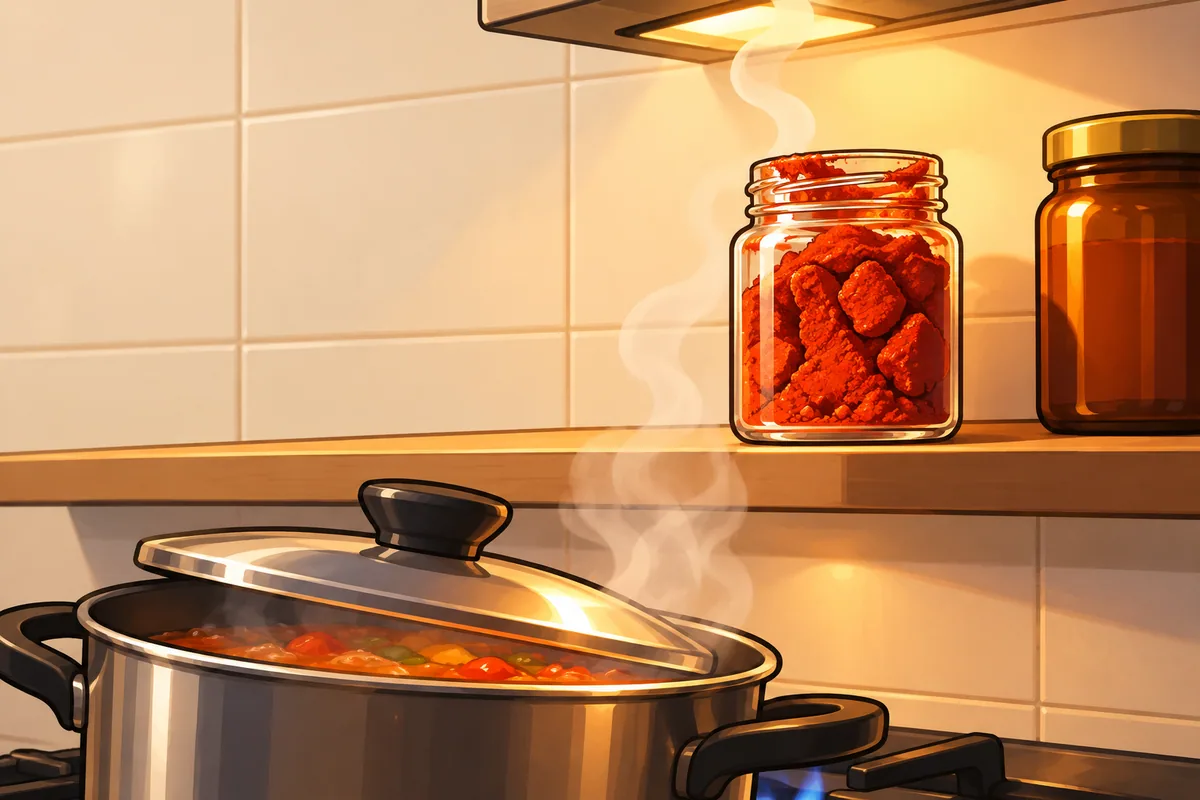
- Hard lumps. The powder took in water. Dried food that picks up moisture in storage can spoil, and glass lets you see moisture collecting inside13. Keep the jar away from the stove and spoon it out instead of shaking it over a steaming pot.
- Brown instead of red. Light fades dried peppers quickly; the fridge or freezer keeps the color best11.
- No smell when you open it. Kansas State's rule is simple: check the aroma, and if it has faded, replace the jar12.
- Mold or a musty smell. Throw it out14.
How long you get depends on your kitchen. Kansas State gives ground spices and spice blends 2 to 3 years at 70°F in airtight containers, and says the freezer extends that12; McCormick puts dried spices at 1 to 2 years3. If your jar has a best-by date stamped on it, the page on whether chili powder goes bad reads that date with you.
Which powder should you pick?
Start from the dish in front of you and the heat your table can take. We go by the source pepper's published range, because no maker prints a figure for a jar.
- A pot of chili, tacos, a dry rub: the blend. It brings the cumin, oregano and garlic with the chile, at a mild 900–2,000 SHU in the USDA spec2.
- Mexican sauces where you want gentle heat and no added salt: ancho powder, the dried poblano at 1,000–2,000 SHU4.
- Smoke with a little more bite: chipotle powder, from the smoke-dried ripe jalapeño at 2,000–8,000 SHU45.
- Color with no heat: paprika5.
- Plain heat in a small amount: ground cayenne at 25,000–50,000 SHU4; a level teaspoon weighs 1.8 g15.
Ghost and Carolina Reaper powders are a dare, not a dinner. The ghost pepper and the Carolina Reaper both start above a million SHU416, so a pinch does what a spoon of cayenne powder would. Wear gloves when you handle the dried pods, as Penn State advises for any hot pepper11.
More in Products
The newest from Products
-
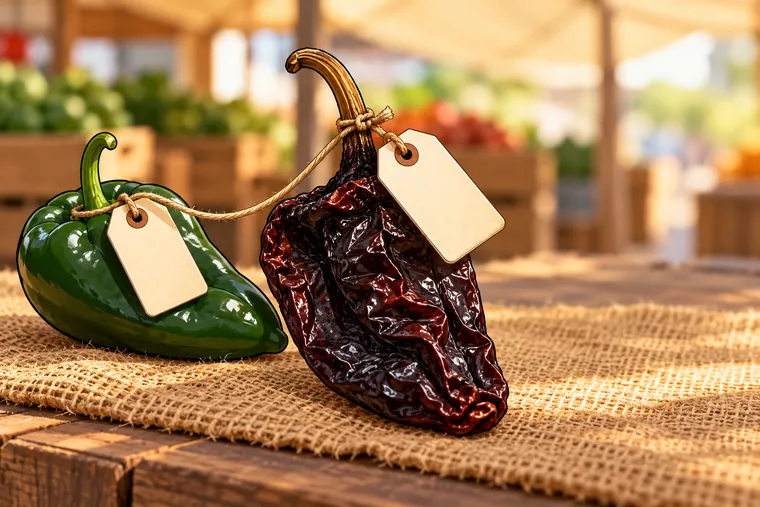
Dried Pepper Names, 15 Chiles Matched to Their Fresh Pod
Fresh name on the left, dried name on the right, and the reason some pods change their name in the bag.Oct 18, 2026 · Guide -
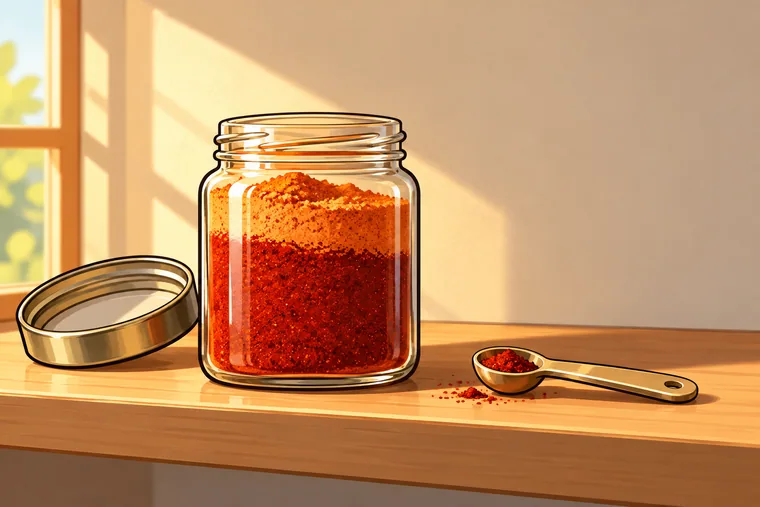
Does Chili Powder Go Bad? 2–3 Years, Then It Fades
Color goes first, smell second, heat last. Here is the timeline, the numbers and the jar test.Oct 18, 2026 · Guide -
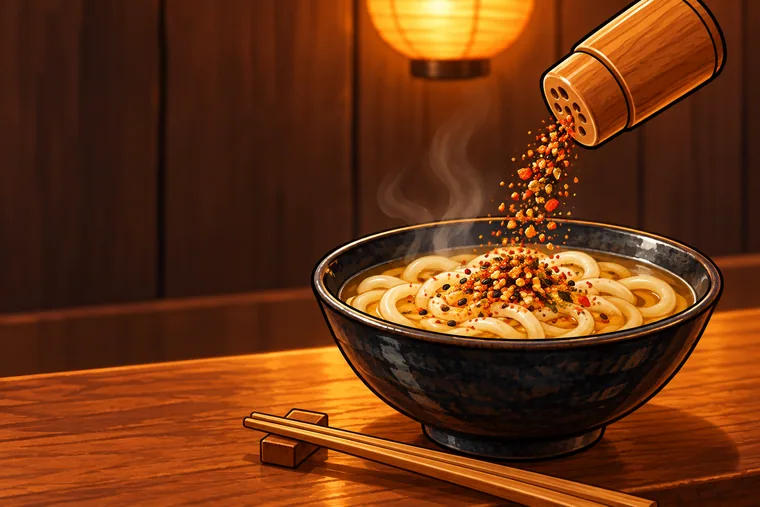
Shichimi Togarashi, 7 Spices and What Each One Adds
Two old Japanese makers, two slightly different sets of seven, and one chile doing the heavy lifting.Oct 18, 2026 · Guide
Sources
· 17
- 1McCormick (manufacturer, own product) McCormick Chili Powder, 2.5 oz
- 2USDA Agricultural Marketing Service Commercial Item Description A-A-20001C: Spices and Spice Blends (August 28, 2023)
- 3McCormick (manufacturer, own products) About Red Pepper Uses, Pairings and Recipes
- 4UF/IFAS Gardening Solutions Peppers by Scoville Units
- 5New Mexico State University, Chile Pepper Institute Chile Terminology
- 6University of Florida IFAS Extension HS-859/TR010: Pepper Production in Miami-Dade County, Florida
- 7HortScience 42(2):222-224 'Bhut Jolokia', the world's hottest known chile pepper, is a putative naturally occurring interspecific hybrid (Bosland and Baral)
- 8PhytoKeys 200:1-423 (Pensoft) Monograph of wild and cultivated chili peppers (Capsicum L., Solanaceae)
- 9Molecules 18(11):13471 (MDPI) Characterization of different Capsicum varieties by evaluation of their capsaicinoids content by high performance liquid chromatography, determination of pungency and effect of high temperature (González-Zamora et al.)
- 10US Food and Drug Administration, 21 CFR 101.22 (eCFR) Foods; labeling of spices, flavorings, colorings and chemical preservatives
- 11Penn State Extension Preserving Those Colorful Garden Peppers (Martha Zepp)
- 12Kansas State University Research and Extension MF3131: Safe Food Storage: The Cupboard (revised by Karen Blakeslee, June 2026)
- 13National Center for Home Food Preservation, University of Georgia Packaging and Storing Dried Foods (from So Easy to Preserve, 6th ed.; Andress and Harrison)
- 14NDSU Extension FN1588: Food Preservation: Drying Vegetables (Julie Garden-Robinson), reviewed August 2022
- 15USDA Agricultural Research Service, FoodData Central (SR Legacy) Spices, pepper, red or cayenne (FDC ID 170932)
- 16Guinness World Records Confirmed: Smokin Ed's Carolina Reaper sets new record for hottest chilli
- 17University of Arizona Cooperative Extension Backyard Gardener #174: Growing Peppers and Chiles (adapted from Jeff Schalau)
Your pocket pepper index.
Built from the same index as this site.
- Every entry offline
- Compare any two peppers
- Keep a list of peppers you have tried