
Chili Pepper Products, From Flakes to Powders and Pastes
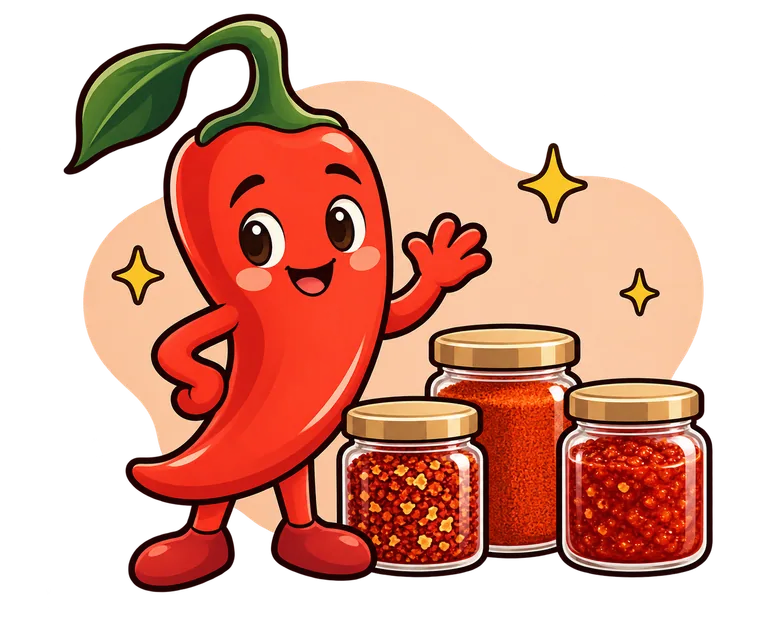
One pod, four jars: what happens between the plant and your spice shelf.
Start here
 PowdersDoes Chili Powder Go Bad? 2–3 Years, Then It FadesColor goes first, smell second, heat last. Here is the timeline, the numbers and the jar test.6 min read
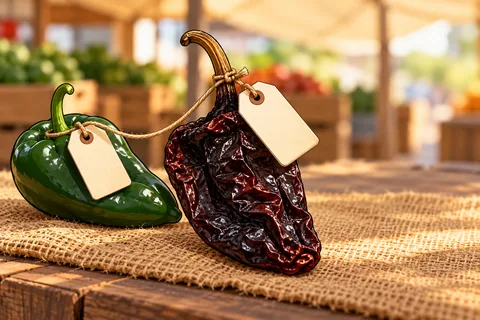 ProductsDried Pepper Names, 15 Chiles Matched to Their Fresh PodFresh name on the left, dried name on the right, and the reason some pods change their name in the bag.6 min read
 ProductsShichimi Togarashi, 7 Spices and What Each One AddsTwo old Japanese makers, two slightly different sets of seven, and one chile doing the heavy lifting.6 min read
All product guides
-
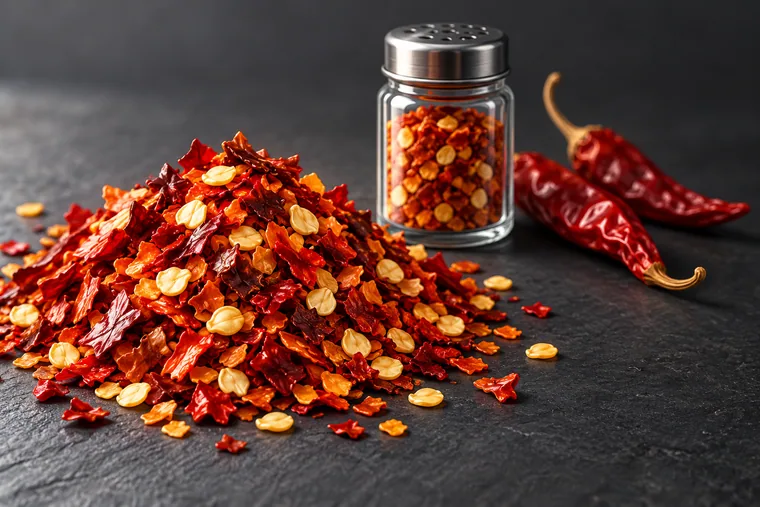 Flakes
Red Pepper Flakes, Made From 25,000–50,000 SHU Cayenne
Crushed red pepper, chili flakes and the pods behind them.6 min read -
 Powders
Does Chili Powder Go Bad? 2–3 Years, Then It Fades
Color goes first, smell second, heat last. Here is the timeline, the numbers and the jar test.6 min read -
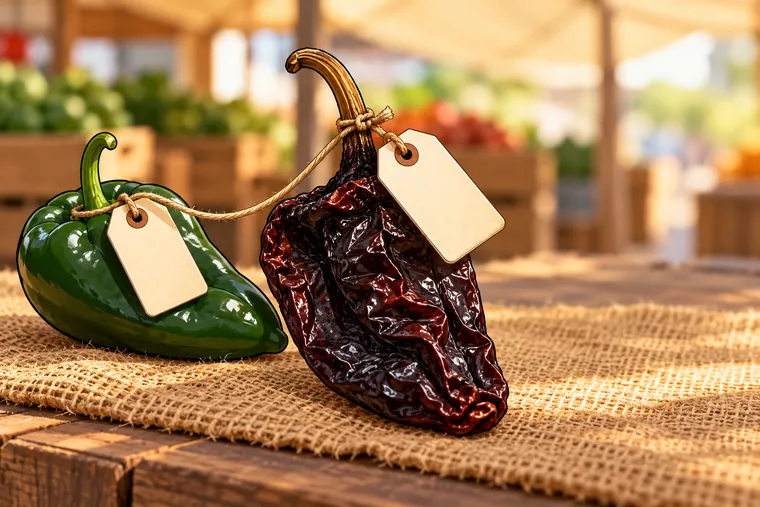 Products
Dried Pepper Names, 15 Chiles Matched to Their Fresh Pod
Fresh name on the left, dried name on the right, and the reason some pods change their name in the bag.6 min read -
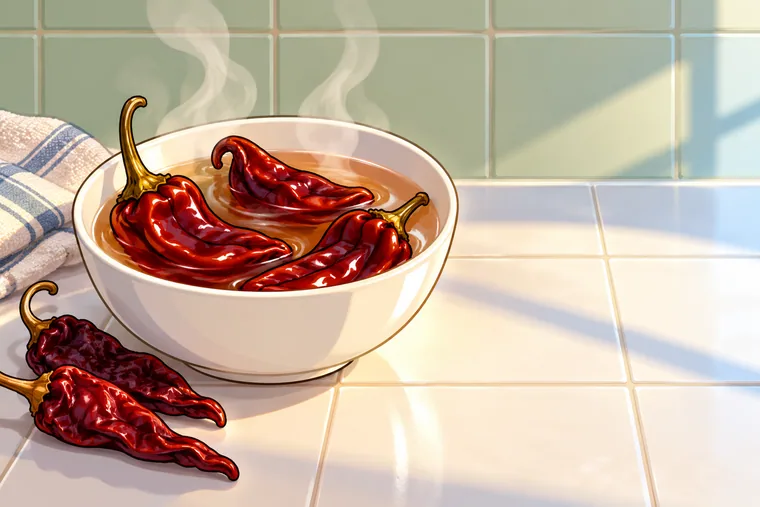 Dried chiles
11 Dried Chili Peppers, Names, Heat and How to Use Them
Ancho, chipotle, pasilla, árbol and the rest, matched to the pod they started as.6 min read -
 Pastes
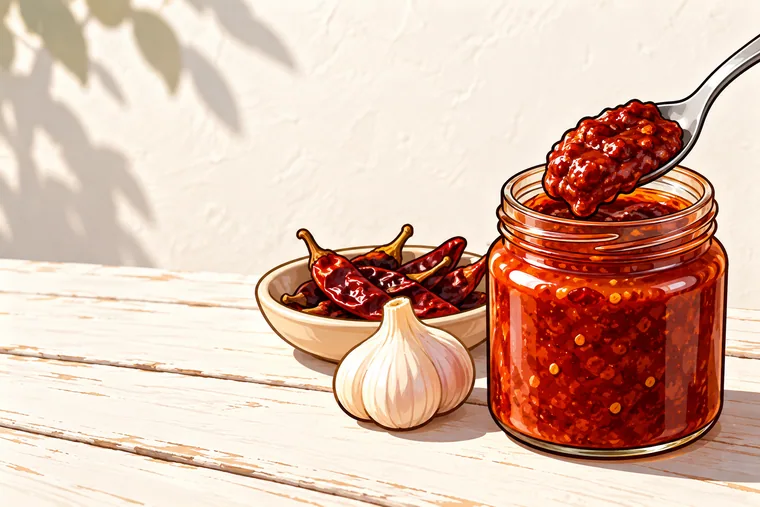
Chili Paste, 5 Types From Gochujang to Harissa
Same idea, ground chiles in a jar, made four different ways.5 min read -
 Powders
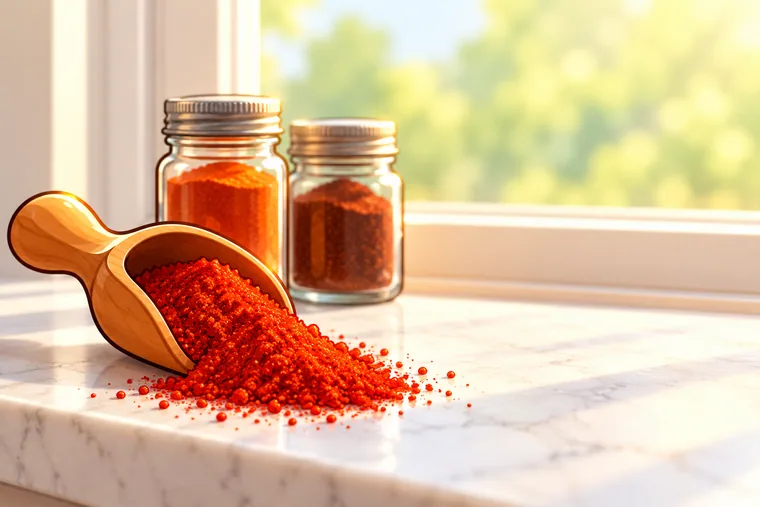
10 Types of Chili Powder, Blends vs Single-Chile Powders
Two families on one shelf: blends for a pot of chili, and single peppers ground fine.6 min read -
 Products
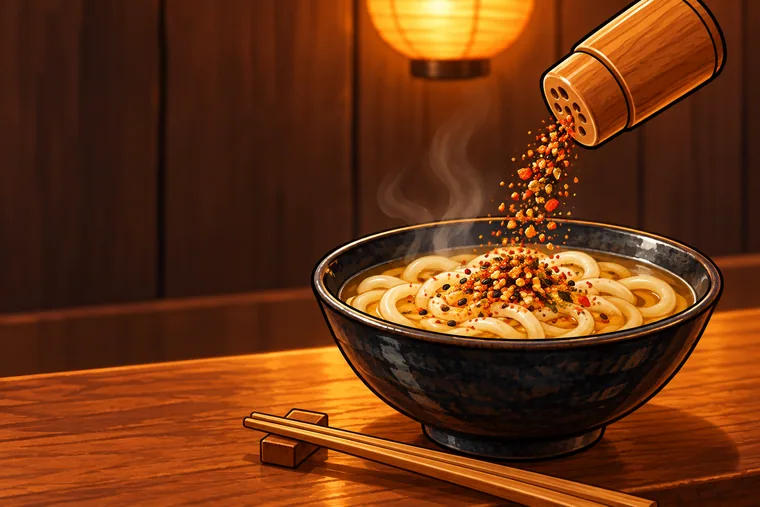
Shichimi Togarashi, 7 Spices and What Each One Adds
Two old Japanese makers, two slightly different sets of seven, and one chile doing the heavy lifting.6 min read
Nothing matches this filter yet.
All Products topics
- FlakesCrushed red pepper, chili flakes and the pods behind them.1 page
- Dried chilesAncho, chipotle, pasilla, árbol and the rest, matched to the pod they started as.1 page
- PastesSame idea, ground chiles in a jar, made four different ways.
- PowdersTwo families on one shelf: blends for a pot of chili, and single peppers ground fine.1 page
Fresh to dried converter
An estimate: USDA puts fresh red chiles at 88 % water and sun-dried ones at 7 %, so the solids that stay make about 13 % of the fresh weight.12 How to dry peppers
On this page
- 1How does a fresh chile become flakes, powder or paste?
- 2What is a dried chile called?
- 3Does drying make a chile hotter?
- 4Is chile powder the same as chili powder?
- 5Which chile product should you reach for?
- 6Where do chile pastes fit?
- 7How can you tell a good jar or bag from a tired one?
- 8How long do chile flakes, powders and dried pods keep?
- 9What goes wrong when you dry and store your own?
How does a fresh chile become flakes, powder or paste?
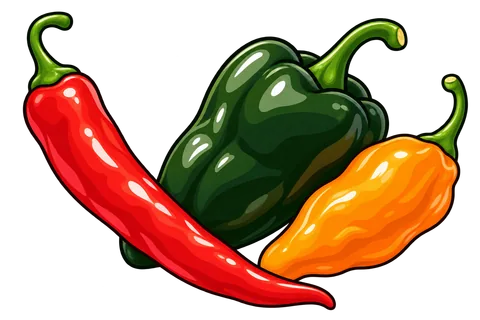
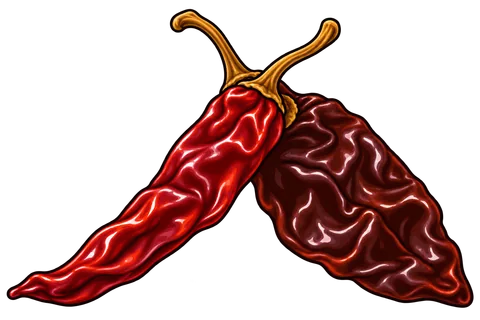
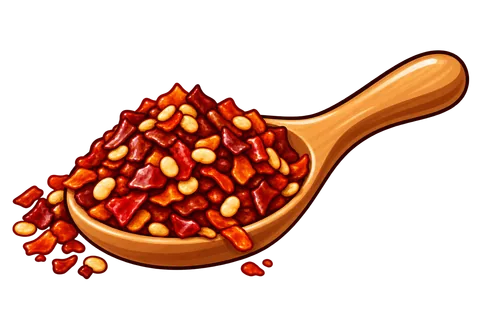
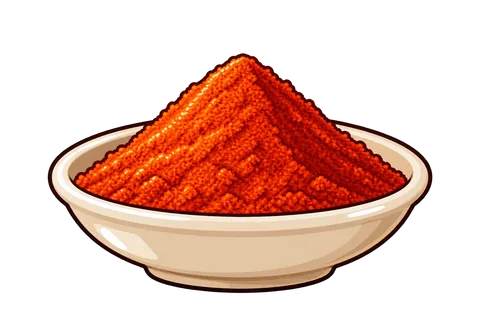
Every jar on your spice shelf starts as a fresh pod, and only two things can happen to it before it reaches you: someone takes the water out, or someone blends it wet. Drying leads to whole dried chiles, and from there to flakes and powder. Blending, from a fresh pod or a soaked dried one, leads to paste.
- Fresh chileThe pod sets the heat: cayenne rates 25,000–50,000 SHU
- Whole dried chile140°F for 2 hours, then 130°F, until tough to brittle
- FlakesDried pods pulsed briefly; crushed red pepper is typically cayenne
- PowderDried pods blended fine: cayenne, ancho, or a chili powder blend
- PastePods blended wet; Peru sells ajíes fresh, as paste or as powder
Sources for this line3. UF/IFAS Gardening Solutions4. Penn State Extension5. McCormick (manufacturer, own products)6. USDA Agricultural Marketing Service7. Bioversity International, with INIA and Peru's Ministry of Agriculture and Irrigation
The drying step does the real work, and it takes longer than most of us expect. Penn State starts a dehydrator at 140°F for 2 hours, then 130°F until the pieces feel tough to brittle4, and Colorado State puts the total at 8 to 12 hours in a dehydrator, or up to twice that in an oven8. Strung up in a room where air moves freely, small hot peppers take 3 to 4 weeks instead4.
Size sets the pace. Colorado State cuts peppers into strips or rings 1/4 to 3/8 inch wide, lays them in a single layer, and turns large pieces every 3 to 4 hours8. Thin, even pieces dry together, so your whole tray finishes at the same time.
After that, your grind decides the product. Penn State says you can blend whole dried hot pods to a powder for cayenne or chili powder4; pulse the same pods briefly and you stop at flakes. The converter on this page estimates how many grams of dried chile your fresh harvest will give you.
What is a dried chile called?
Often something new, because the dried pod looks and tastes like a different product. A dried poblano is an ancho3, a smoke-dried red jalapeño is a chipotle9, and Peru's aji amarillo, dried, becomes ají mirasol7.
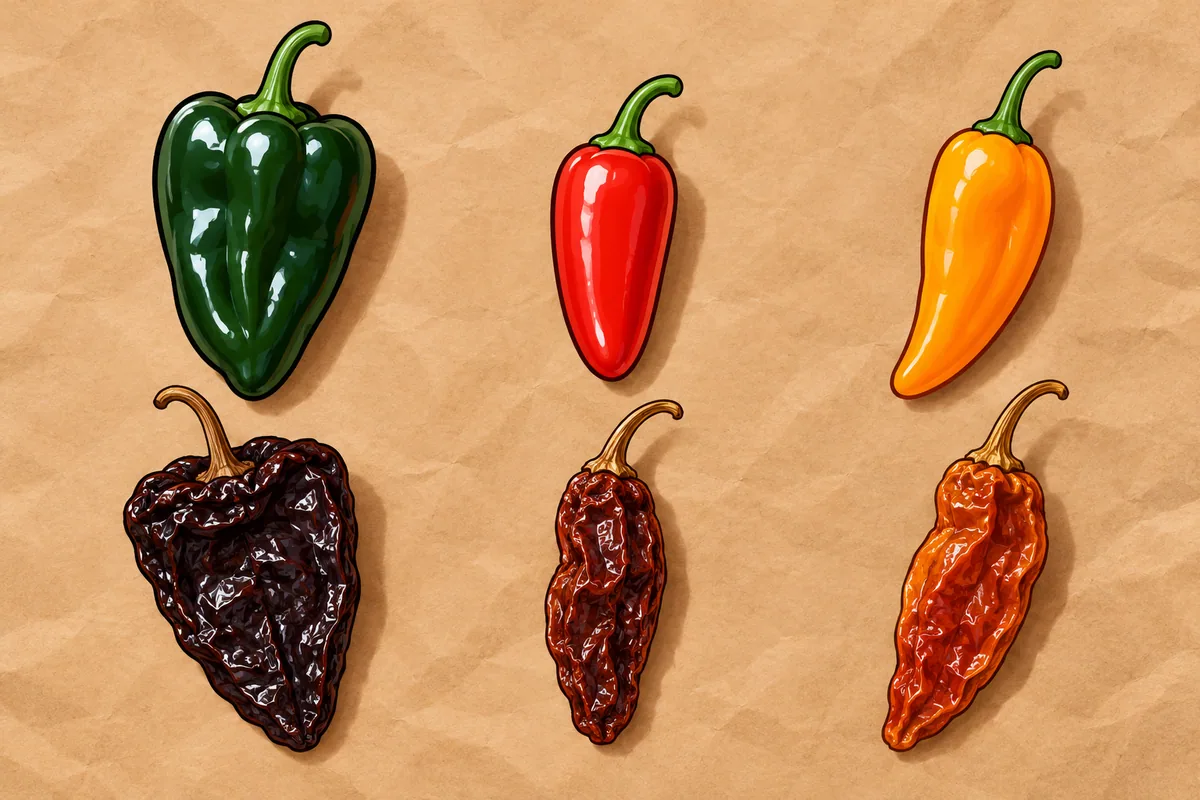
The names our sources confirm, fresh to dried:
| Fresh pepper | Dried or processed | What you get |
|---|---|---|
| Poblano39 | Ancho | Dried pod |
| Ripe red jalapeño9 | Chipotle | Smoke-dried pod; canned in adobo sauce |
| Aji amarillo7 | Ají mirasol | Dried pod |
| New Mexican green chile9 | Chile pasado | Dehydrated green chile, reconstituted for cooking |
| New Mexican red chile9 | Ristra | A long string of dried red pods for storage and decoration |
| Cayenne35 | Ground red pepper or crushed red pepper | Powder or flakes |
| Any non-pungent red chile9 | Paprika | Spice or color |
Dried does not mean equally dry. USDA measures a dried ancho at 22.6 % water and a sun-dried hot chile at 7.2 %210, so an ancho still holds about three times the water of a crisp sun-dried chile and bends where the small one snaps.
If a recipe names a dried chile you cannot find, look up its fresh name first; the fresh pod tells you the heat and the closest swap. A recipe that calls for ancho, for example, leads you back to the poblano and its 1,000–2,000 SHU3.
For the rest of the names, the hub on dried chiles gives each pod a tile with its fresh name and heat.
Does drying make a chile hotter?
Per gram, yes, because the water leaves and the capsaicin stays. One HPLC study measured dried ancho at about 19,300 SHU by dry weight11, while UF/IFAS gives the fresh poblano 1,000 to 2,000 SHU3. The two figures come from different methods, so read the gap as a direction, not an exact factor.
What that means for your cooking: a spoon of powder carries the solids of several pods. When you trade fresh chile for powder in a recipe, start with less than you think and taste. The Scoville section's page on dried and fresh heat works through the numbers pod by pod.
Is chile powder the same as chili powder?
Not always. NMSU's Chile Pepper Institute uses chile for the plant and its fruit, and chili for the dish of chile powder, beans, tomato and ground beef9. So the spelling hints at what sits in the jar: ground chile, or a seasoning for the dish. The ingredient list tells you which one you have.
Ground chile or cayenne
That heat gap matters at the stove. Cayenne starts at 25,000 SHU and the blend spec tops out at 2,00036, so a tablespoon of cayenne in place of chili powder can make a pot more than ten times hotter than the recipe meant. The chili powder page goes through what sits in a blend, and the powders hub lines up every single-chile powder by heat.
Which chile product should you reach for?
Pick by what your dish needs from the pepper: heat you can see, heat you cannot see, body, or color. Here is how we match them.
- Heat on top of the food, a pinch at a time: red pepper flakes, typically cayenne5.
- Heat that melts into a sauce: ground cayenne, the same chile as a fine powder5.
- The flavor of a pot of chili: the blend, with its cumin, oregano and garlic6.
- Body and deep flavor in a sauce: whole dried pods such as ancho, which the dried chiles hub covers pod by pod.
- Color with no burn: paprika, which NMSU defines as a non-pungent red chile used as a spice or for color9.
- A ready-made base for a sauce or stew: a paste, which the next section sorts out.
If you grow your own, the same tree works backwards: dry the hot pods for flakes and powder, and blend the rest fresh for paste. The seeds hub starts that path at the packet.
Where do chile pastes fit?
Paste skips the drying, or undoes it. In Peru, ajíes like rocoto sell fresh, as paste or as powder, and sauces and pastes lead the shelf7. Because a paste keeps its water, it cannot rely on dryness the way your flakes do.
Something else has to hold it: a ferment, a cooked sauce, a short simmer, or salt and spice. The pastes hub sorts each paste by which of those keeps it, and maps where each one comes from.
How can you tell a good jar or bag from a tired one?
Use your eyes and nose before you read the label. Whole dried chiles should look shriveled and dark red and feel crisp, in Penn State's words4; an ancho bends instead, which its higher water figure above explains.
Crushed red pepper should look deep red with flecks of yellow seeds, and a fresh jar sets your nose tingling on the first whiff, as McCormick describes its own5. A chili powder blend, in the USDA spec, should look reddish-brown and free from lumps6, so lumps in your jar tell you water got in.
How long do chile flakes, powders and dried pods keep?
Six to twelve months for your own: Colorado State gives that shelf life for dried vegetables stored airtight in a cool, dry, dark place8. For store-bought jars, McCormick says dried herbs and spices typically last 1 to 2 years5, and Kansas State's pantry chart gives ground spices 2 to 3 years and whole spices 3 to 4 years at 70°F12.
Warmth shortens every one of these dates, so where you keep your jar matters as much as what you put it in. The National Center for Home Food Preservation says dried fruit keeps about 1 year at 60°F but 6 months at 80°F, and that dried vegetables have about half the shelf life of fruit13. Chiles count as vegetables in these extension charts, so a jar of home-dried chiles in a warm kitchen at 80°F gives you about 3 months of best flavor by that rule, against about 6 months in a cool 60°F cupboard.
- Use an airtight, moisture-vapor-proof jar or bag; dark glass helps.814
- Keep it away from light; dried peppers fade quickly in it.4
- For the best color, store it in the fridge or freezer.4
- Label the jar with the pepper and the date you dried or opened it.8
- Pack amounts you will use at once, so you open the big jar less often.13
- Throw it out if it smells off, tastes off or shows mold.14
Light fades dried peppers quickly, and the fridge or freezer keeps their color best4. The guide to storing dried chiles covers bags, jars and the freezer in detail.
What goes wrong when you dry and store your own?
Almost every failure comes from water: too much left in the pod, or water creeping back into your jar later. You can catch each one early if you know what you are looking at.
- Dark, bitter edges. The pieces scorched. Colorado State warns that vegetables scorch easily toward the end of drying, so watch the last hours closely8.
- A string of peppers that rots on the wall. The air held too much water; Penn State says high humidity can spoil strung peppers before they dry4.
- Mist on the inside of the glass weeks later. Water got back in. Food packed "bone dry" can still spoil if it reabsorbs moisture, and glass lets you see it first13.
- Faded, brown flakes. Light did that4.
- Fuzz or an off smell. Throw the batch out14.
Quick answers
Do red pepper flakes and cayenne come from the same pepper?
Usually. McCormick, describing its own products, says ground red pepper is cayenne, and that its crushed red pepper comes from dehydrated, crushed red peppers, typically cayenne. It adds that it makes its red pepper from the seeds and pods of ripe chiles.5
What is a dried poblano called?
Ancho. UF/IFAS says a dried poblano becomes ancho, and NMSU's Chile Pepper Institute calls the poblano the fresh form of the ancho.39
What does paprika come from?
NMSU's Chile Pepper Institute defines paprika as any non-pungent chile that turns red at maturity and serves as a spice or for color, so it names a family of mild red peppers, not one variety.9
How should I store dried chiles and powder?
Airtight, cool and dark. Penn State Extension says light makes dried peppers fade quickly and that the fridge or freezer keeps the color best; Colorado State puts the shelf life of well-stored dried vegetables at 6 to 12 months.48
Do whole dried chiles keep longer than chile powder?
Yes. Kansas State's pantry chart gives whole spices 3 to 4 years and ground spices 2 to 3 years at 70°F, stored airtight, dry and away from sunlight and heat. Check the aroma, and replace a jar once it fades.12
Sources
· 14
- 1USDA Agricultural Research Service, FoodData Central (SR Legacy) Peppers, hot chili, red, raw (FDC ID 170106)
- 2USDA Agricultural Research Service, FoodData Central (SR Legacy) Peppers, hot chile, sun-dried (FDC ID 168570)
- 3UF/IFAS Gardening Solutions Peppers by Scoville Units
- 4Penn State Extension Preserving Those Colorful Garden Peppers (Martha Zepp)
- 5McCormick (manufacturer, own products) About Red Pepper Uses, Pairings and Recipes
- 6USDA Agricultural Marketing Service Commercial Item Description A-A-20001C: Spices and Spice Blends (August 28, 2023)
- 7Bioversity International, with INIA and Peru's Ministry of Agriculture and Irrigation Guía de oportunidades de mercado para los ajíes nativos de Perú (Jäger, Jiménez, Amaya, compilers)
- 8Colorado State University Extension, PreserveSmart Drying Peppers-Hot
- 9New Mexico State University, Chile Pepper Institute Chile Terminology
- 10USDA Agricultural Research Service, FoodData Central (SR Legacy) Peppers, ancho, dried (FDC ID 169396)
- 11Molecules 18(11):13471 (MDPI) Characterization of different Capsicum varieties by evaluation of their capsaicinoids content by high performance liquid chromatography, determination of pungency and effect of high temperature (González-Zamora et al.)
- 12Kansas State University Research and Extension MF3131: Safe Food Storage: The Cupboard (revised by Karen Blakeslee, June 2026)
- 13National Center for Home Food Preservation, University of Georgia Packaging and Storing Dried Foods (from So Easy to Preserve, 6th ed.; Andress and Harrison)
- 14NDSU Extension FN1588: Food Preservation: Drying Vegetables (Julie Garden-Robinson), reviewed August 2022

Your pocket pepper index.
Built from the same index as this site.
- Every entry offline
- Compare any two peppers
- Keep a list of peppers you have tried