
Cooking With Hot Peppers, From Swaps to Prep
Which pepper, how much, and what to do when the store is out.
Use about 18% the weight
1.8 g habanero + 8.2 g yellow bell for 10 g aji amarillo
All aji amarillo swaps Habanero plus yellow bell pepperExtra-hot
 AnchoMild
 AnaheimMedium
Use about 1 times the weight
100 g by pod; 46 g of a 6,500 SHU Big Jim for the same heat for 100 g Anaheim
All anaheim swaps CubanelleMild
 Cherry pepperMild
Use about 1 times the weight
100 g, about 1½ canned pods for 100 g cherry peppers
All cherry pepper swapsCubanelleMild
 New Mexico red pods plus cayenneHot
Use about 1 times the weight
100 g, drained, then sweeten to taste for 100 g Peppadews
All peppadew swapsPickled sweet cherry peppersMildPoblanoMildPer poblano: 1 pod per pod; 2 for a small poblano's filling
1 pod per pod; 2 for a small poblano's filling per poblano
All poblano swapsAnaheimMedium
All cooking guides
-
 Substitutes
8 Aji Amarillo Substitutes and How Much to Use
Fruity heat and a yellow color, rebuilt from peppers you can buy.7 min read -
 Substitutes
6 Aji Panca Substitutes and How Much to Use
Low heat, deep color, a little smoke: three things to rebuild.7 min read -
 Substitutes
8 Anaheim Substitutes and How Much to Use
Long green chiles, poblanos and what each does to the heat.8 min read -
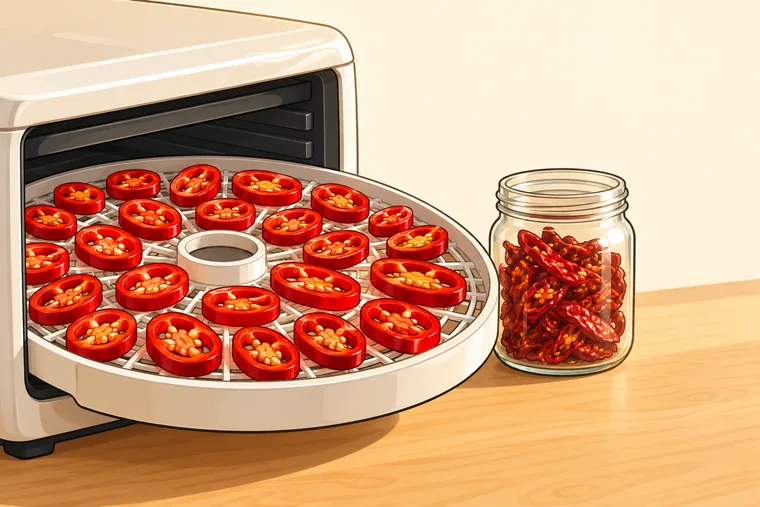 Techniques
How to Dry Peppers 4 Ways, 8 Hours to 4 Weeks
Temperatures, times and the test that tells you they are done.8 min read -
 Substitutes
7 Serrano Substitutes and How Much to Use
Same salsa, same bite, worked out in grams.7 min read -
 Substitutes
Pepper Substitute Chart for 14 Peppers, by Heat and Flavor
Pick the pepper you are missing, read across to the swap.5 min read -
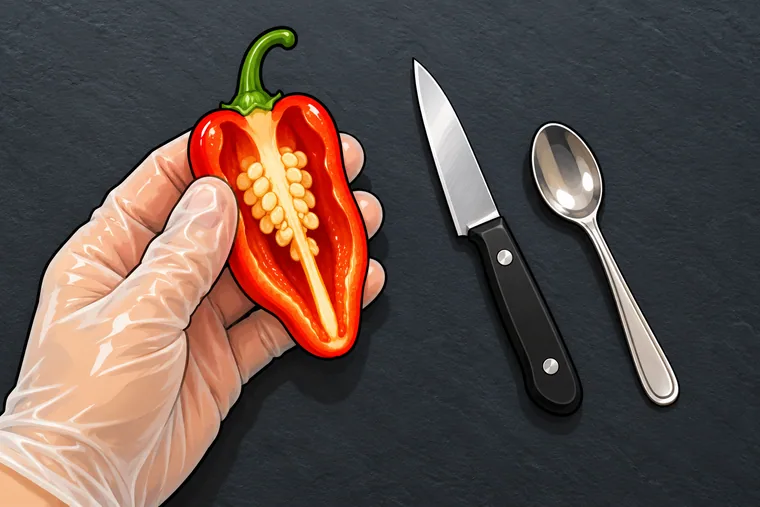 Techniques
How to Prepare Hot Peppers and 6 Ways to Keep Them
Handle them, tame them, keep them.4 min read -
 Substitutes
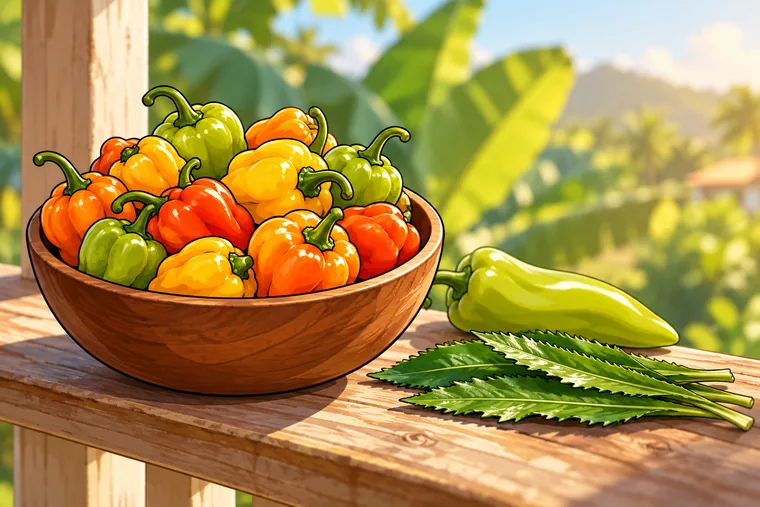
6 Aji Dulce Substitutes, From Seasoning Peppers to Bell
It looks like a habanero and tastes like one, minus almost all the burn. Here is what does its job.6 min read -
 Substitutes
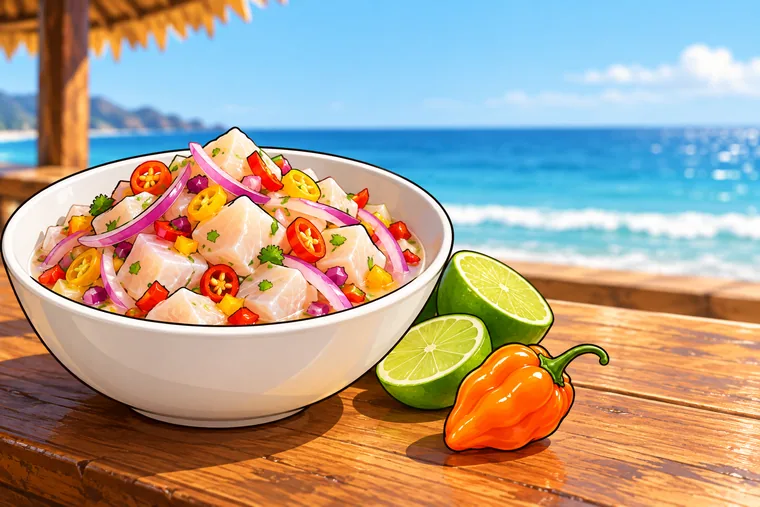
7 Aji Limo Substitutes for Ceviche and Tiradito
Small, colorful, very hot and citrusy: what goes into the ceviche when the limo basket is empty.6 min read -
 Substitutes
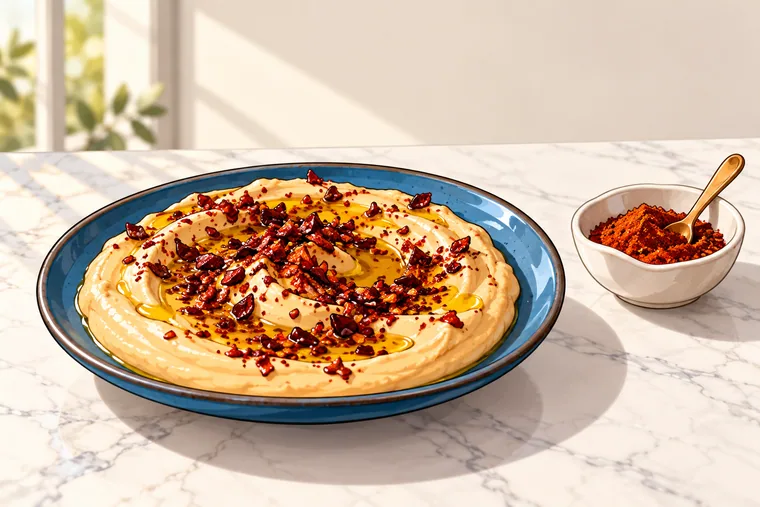
6 Aleppo Pepper Substitutes for Flakes and Color
Aleppo is a coarse, sweet-fruity flake. Copy the texture and the color, then add only a little heat.6 min read -
 Substitutes
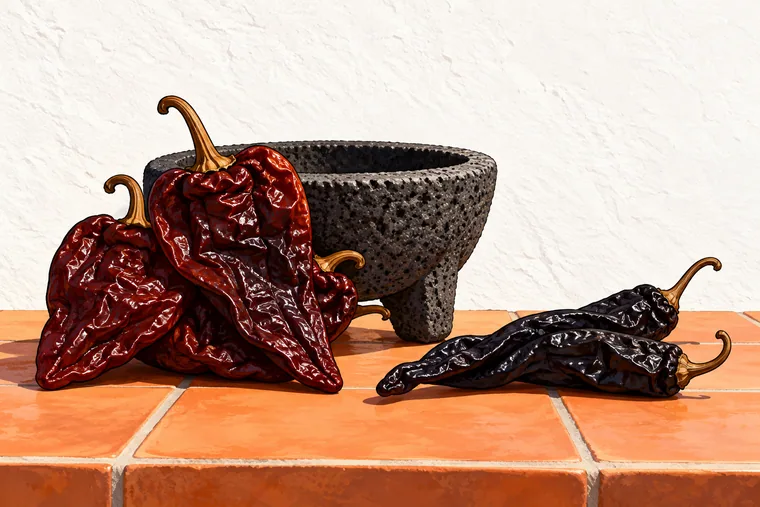
7 Ancho Substitutes, Whole Pods and Ancho Powder
A wide, wrinkled, mild dried pod that colors a sauce dark red: what to soak when the bag is empty.7 min read -
 Substitutes
7 Bell Pepper Substitutes, With Grams per Bell
Zero heat, thick walls and a lot of water: here is what does the same job when the bin is empty.7 min read -
 Substitutes
7 Bird's Eye Chili Substitutes and the Grams for Each
The name covers more than one tiny pepper, so start with the pod that shares the heat band.6 min read -
 Recipes
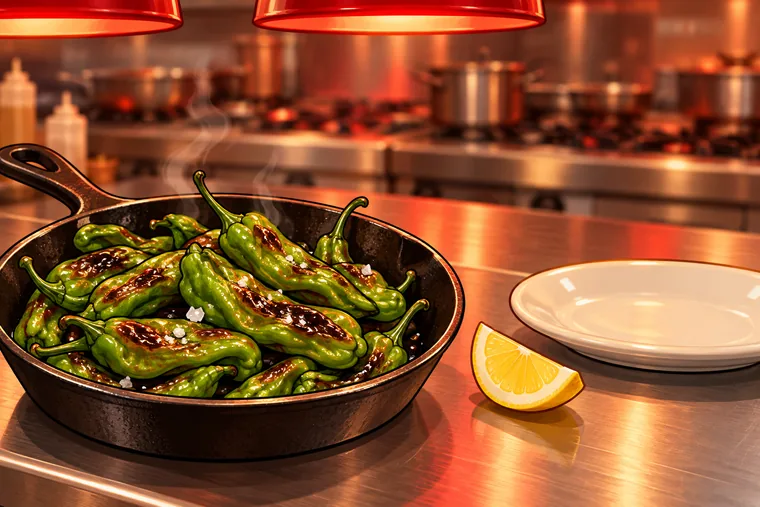
Blistered Shishito Peppers in 12 Minutes
A very hot pan, one layer of peppers, a pinch of salt. The cooking takes less time than setting the table.6 min read -
 Substitutes
7 Cayenne Substitutes With the Teaspoon Math
Most cayenne swaps sit on the same spice shelf. The trick is the amount.6 min read -
 Substitutes
8 Cherry Pepper Substitutes and How Much to Use
First work out which cherry pepper the recipe means.7 min read -
 Substitutes
6 Cubanelle Substitutes for Frying and Sofrito
Long, pale, thin-walled and barely warm: what to buy when the cubanelle bin is empty.6 min read -
 Substitutes
6 Fresno Chili Substitutes, From Red Jalapeño Up
Red, medium-hot and a little fruity: that is the whole job, and a red jalapeño does most of it.6 min read -
 Substitutes
6 Gochugaru Substitutes for Kimchi and Stews
Bright red, mild and a little sweet: what to use when the Korean chile flakes run out mid-batch.6 min read -
 Substitutes
7 Guajillo Substitutes That Keep a Sauce Red
Smooth, brick-red, sweet and fruity with a medium bite: what to soak when the guajillo bag is empty.6 min read -
 Substitutes
7 Habanero Substitutes, From Scotch Bonnet to Mild
Match the fruit first, then the heat, and weigh the swap instead of counting pods.6 min read -
 Substitutes
7 Hatch Chile Substitutes for Green and Red Chile
Hatch is a place, so the swap depends on which New Mexico chile was in the bag and how hot it ran.6 min read -
 Techniques
How to Store Peppers for 3 Weeks or a Full Year
Cool but not cold, humid but not wet, away from the fruit bowl: the rules for keeping a bag of peppers good.6 min read -
 Substitutes
6 Kashmiri Chili Substitutes for Color and Heat
You are replacing a color first and a heat second, so start with the reddest mild powder you have.6 min read -
 Substitutes
7 Peppadew Substitutes and How Much to Use
A sweet, tangy red pepper from a jar, rebuilt from what the shop has.7 min read -
 Recipes
Pickled Banana Peppers, a 9-Pint Canning Recipe
A tested sweet pepper pickle, written out in grams, with a hotter jar for the Hungarian wax crowd.6 min read -
 Substitutes
7 Piri Piri Substitutes for Marinades and Sauce
Small, very hot and a little fruity: copy those three things and the marinade won't miss it.6 min read -
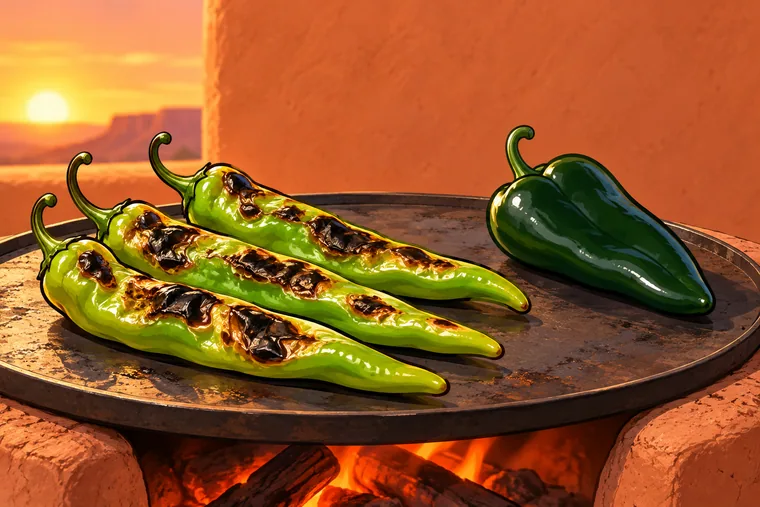 Substitutes
6 Poblano Substitutes, From Anaheim to Dried Ancho
Thick dark walls, a mild warm bite and a rich flavor: what you buy when the poblano crate is empty.6 min read -
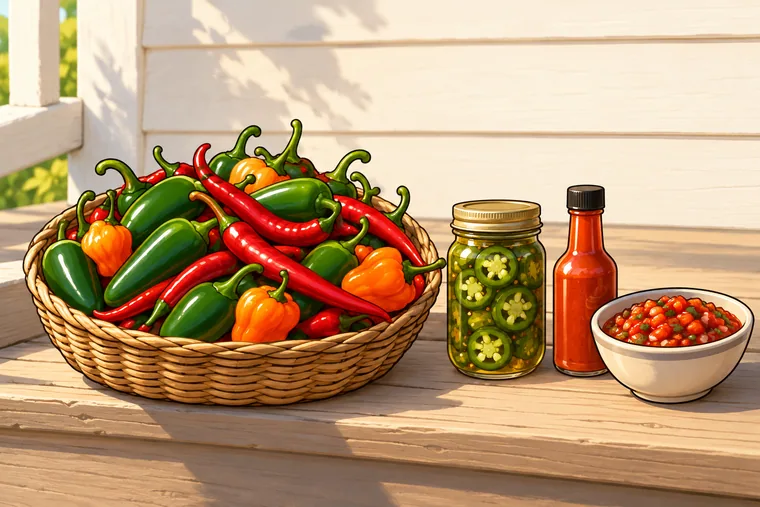 Recipes
Hot Pepper Recipes, 10 Dishes and the Right Pepper
Start from the pepper in your basket, end at the dish.5 min read -
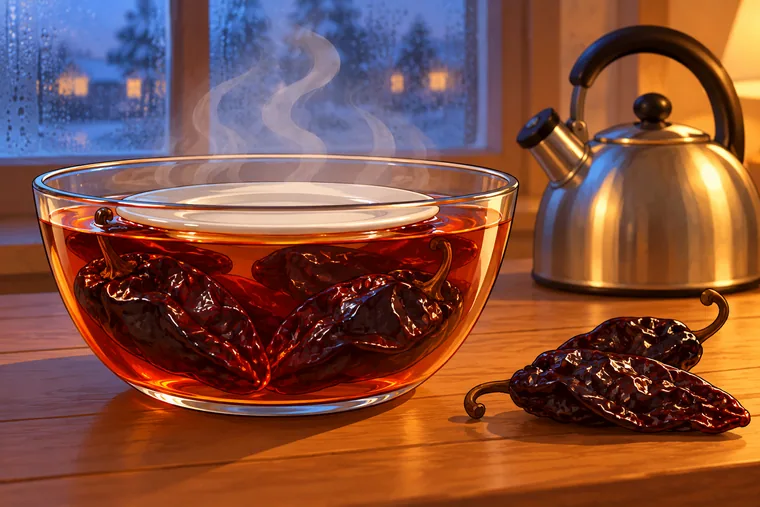 Techniques
How to Rehydrate Dried Chiles 4 Ways, 30 Min to 2 Hours
Hot water, a simmering pot, a slow cold soak or no soak at all: the dish decides which.6 min read -
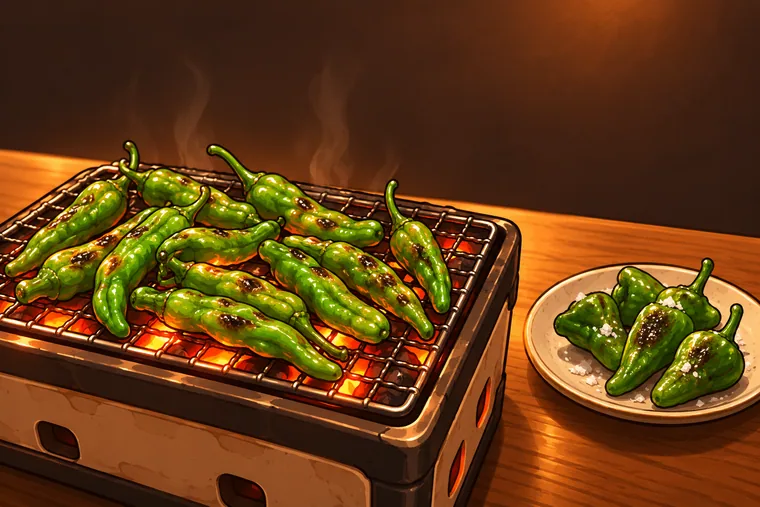 Substitutes
7 Shishito Substitutes and How Much to Use
Same hot pan, same pinch of salt, a different small green pepper.7 min read -
 Substitutes
5 Urfa Biber Substitutes and How Much to Use
The dark, oily Turkish flake, rebuilt from what is on your shelf.7 min read
Nothing matches this filter yet.
-
Sides and snacks
Blistered Shishito Peppers in 12 Minutes
A very hot pan, one layer of peppers, a pinch of salt. The cooking takes less time than setting the table.6 min read -
Pickles
Pickled Banana Peppers, a 9-Pint Canning Recipe
A tested sweet pepper pickle, written out in grams, with a hotter jar for the Hungarian wax crowd.6 min read
-
Substitutes
8 Aji Amarillo Substitutes and How Much to Use
Fruity heat and a yellow color, rebuilt from peppers you can buy.7 min read -
Substitutes
6 Aji Panca Substitutes and How Much to Use
Low heat, deep color, a little smoke: three things to rebuild.7 min read -
Substitutes
8 Anaheim Substitutes and How Much to Use
Long green chiles, poblanos and what each does to the heat.8 min read -
Substitutes
7 Serrano Substitutes and How Much to Use
Same salsa, same bite, worked out in grams.7 min read
-
Techniques
How to Dry Peppers 4 Ways, 8 Hours to 4 Weeks
Temperatures, times and the test that tells you they are done.8 min read -
Techniques
How to Store Peppers for 3 Weeks or a Full Year
Cool but not cold, humid but not wet, away from the fruit bowl: the rules for keeping a bag of peppers good.6 min read -
Techniques
How to Rehydrate Dried Chiles 4 Ways, 30 Min to 2 Hours
Hot water, a simmering pot, a slow cold soak or no soak at all: the dish decides which.6 min read
On this page
- 1Which pepper should you use for which dish?
- 2How do you cook with hot peppers?
- 3Should you cook with fresh, dried or powdered peppers?
- 4How much hotter is one pepper than another?
- 5How do you make a dish less hot before it is cooked?
- 6What can you make with hot peppers?
- 7What do you do with a big pepper harvest?
- 8What goes wrong when you cook with hot peppers?
- 9Which pepper should you start with?
Which pepper should you use for which dish?
Use the pepper that already does that job in the recipes it comes from, then adjust for heat. UF/IFAS ties most common chiles to a use: serrano raw in pico de gallo, cubanelle for frying, Scotch bonnet in jerk sauce and marinades, cayenne dried into powder or flakes3.
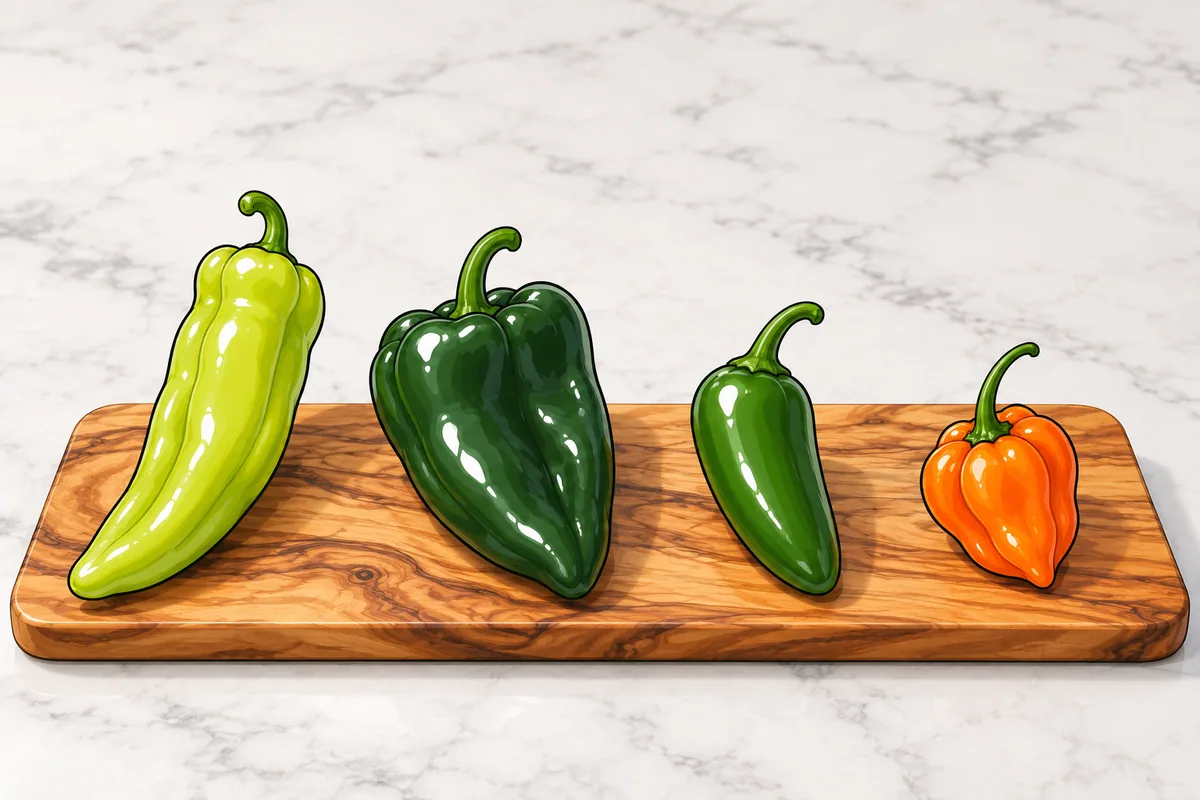
The job comes first and the heat second, because a swap that does the same job can always be sized up or down in grams. The full list of pairings our sources name:
| Pepper | Heat | Job in the kitchen |
|---|---|---|
| Cubanelle4 | about 1,000 SHU | Frying and cooking, especially in Cuban, Dominican and Puerto Rican food |
| Poblano34 | 1,000–2,000 SHU | Eaten green or red; dried, it becomes ancho |
| New Mexican long green56 | 0–9,500 SHU average by cultivar | Green chile for the fresh market; rellenos |
| Jalapeño3 | 2,000–8,000 SHU | Salads, salsa and Mexican food; smoked ripe, it becomes chipotle |
| Serrano3 | 10,000–25,000 SHU | Usually eaten raw, often in pico de gallo and salsa |
| Cayenne3 | 25,000–50,000 SHU | Usually dried and used as powder or flakes |
| Tabasco pepper4 | 30,000–50,000 SHU | Tabasco sauce and peppered vinegar |
| Scotch bonnet3 | 100,000–350,000 SHU | Caribbean jerk sauce and marinades |
| Habanero4 | 100,000–350,000 SHU | Hot sauces and spicy foods |
Read the table from the dish you want to cook. If you plan a raw salsa, the serrano row says it is the pepper cooks usually eat raw; if you plan to fry a pan of peppers as a side, the cubanelle row is the one built for it. The heat column then tells you how far you are from the pepper you already like.
How do you cook with hot peppers?
You put a hot pepper into a dish in one of five forms: raw, fried, roasted and peeled, dried and soaked, or ground. Each form changes the texture and how fast the heat spreads, so pick the form before you pick the amount.
| Form | How you do it | The number to know | Good for |
|---|---|---|---|
| Raw3 | Chop it fine, ribs in or out | Serrano 10,000–25,000 SHU, usually eaten raw | Pico de gallo, salsa |
| Fried4 | Slice and cook in a pan | Cubanelle about 1,000 SHU | Fried peppers as a side |
| Roasted and peeled7 | Slit, blister in a hot oven or broiler, then peel | 400°F (204°C) for 6–8 minutes | Rellenos, green chile, pickles |
| Dried and soaked8 | Stem and seed the pods, cover with boiling water | 30 minutes; 12–14 large pods make about 1 pint of purée | Red chile sauce, stews |
| Ground910 | Grind dried pods to powder | 1 tsp ground cayenne weighs 1.8 g | Rubs, chili, a pot of beans |
Fat carries the heat. Capsaicin is fat-soluble and does not dissolve in water1, so the oil in your pan, the cheese in a popper and the cream in a sauce can pick it up and carry it through the dish.
Roasting deserves its own word. The skin blisters in 6 to 8 minutes at 400°F7, and once it puffs you can slip it off, which leaves the soft flesh for a relleno or a jar. The steps to roast peppers take you through the whole job.
Should you cook with fresh, dried or powdered peppers?
Use fresh pods where you see and bite the pepper, whole dried pods where you want a sauce with body, and powder where the pepper should disappear into the dish. The heat can match in all three; the water and the texture cannot.
The water is the big difference. A fresh red chile is 88 % water11, while a sun-dried one holds about 7 %12 and ground cayenne about 8 %9. So 1 g of powder carries the solids of roughly 7.7 g of fresh pod, and a 1.8 g teaspoon of cayenne stands in for about 14 g of fresh red chile, an estimate that assumes the heat stays with the solids.
- Fresh suits salsa, stir-fries and anything you roast and peel. A poblano or an Anaheim has the thick walls for a relleno.
- Whole dried pods suit red chile sauce and stews; you soak them for 30 minutes and blend them, and 12 to 14 large pods give you about a pint8.
- Powder and flakes suit rubs, a pot of beans and a pan of eggs, where you add heat by the pinch and taste as you go.
If your recipe names one form and you have another, convert after you pick the pepper. The swap chart handles the pepper; the water figures above handle the form.
How much hotter is one pepper than another?
Compare midpoints. A jalapeño's midpoint is 5,000 SHU and a habanero's is 225,000, so a gram of habanero carries about 45 times the heat of a gram of jalapeño4.
That same division sizes every swap: grams of swap = grams called for × (original midpoint ÷ swap midpoint). The pepper swap chart does it for fourteen common peppers.
Turn it into pods and the gap gets easy to picture. USDA weighs one raw jalapeño at 14 g13. If your recipe wants two jalapeños, that is 28 g; at 45 times the heat per gram, the same heat from habanero comes to about 0.6 g, a sliver smaller than a fingernail. That is why we size hot swaps by weight and taste before adding more.
How do you make a dish less hot before it is cooked?
Cut out the ribs, and pick a milder pepper for the next batch. Both moves happen on the cutting board, before any heat reaches the pot.
Wash your hands with soap and water before you touch your face, even after gloves10. Plain water does little, because capsaicin does not dissolve in it1. A pot that already came out too hot needs a different set of moves, and the fixes for food that is too spicy start there.
What can you make with hot peppers?
Almost anything, but the size of your harvest picks the recipe for you. A few pods go fresh into a salsa, a basket goes into jars, and a whole row goes on a string or into the dehydrator.
- A few podsCook this week
- freshSalsa, eggs, a stir-fry1 cup sliced jalapeño = 90 g
- fresh
- A basketSeveral pounds
- jarsPickled hot peppers7 lb of peppers = about 9 pints
- bagsFreezer bagsWhole, no blanching, about 8 months
- jars
- A whole rowMore than you can jar
- dry itFlakes, powder, a ristra100 g fresh dries to about 13 g
- dry it
Sources for this line11. USDA Agricultural Research Service, FoodData Central (SR Legacy)12. USDA Agricultural Research Service, FoodData Central (SR Legacy)13. USDA Agricultural Research Service, FoodData Central (SR Legacy)14. National Center for Home Food Preservation (University of Georgia)15. Nebraska Extension (University of Nebraska–Lincoln)
The recipe finder pairs each dish with the pepper that does the work, so you can start from the pod in your hand.
A bag of jalapeños, for example, lands in pickled jalapeños or poppers, and a tray of dried cayennes turns into flakes and chili oil.
Dried red pods scale the same way. If your enchilada recipe wants 2 cups of red chile sauce, plan on 24 to 28 large pods, since NMSU gets about a pint of purée from 12 to 148. Refrigerate what you do not use, and use or freeze it within 3 days8.
If you want a bottle on the table, a sauce is the way to use the hottest pods a few drops at a time. Habaneros and Tabasco peppers are the peppers UF/IFAS ties to hot sauce and peppered vinegar4, and the steps to make your own hot sauce take you from pods to bottle.
What do you do with a big pepper harvest?
Dry what you will grind, freeze what you will cook, and pickle what you will eat from the jar. Hot peppers freeze raw and whole after washing and stemming10 and keep their best quality for about 8 months15, while dried peppers keep 6 to 12 months stored well16.
Freeze them
Dry them
Your climate can make the choice too. Penn State gives strings of small hot peppers 3 to 4 weeks to dry where air moves, and warns that high humidity spoils them first10. In a damp late summer, the dehydrator wins; the steps to dry peppers cover dehydrator, oven and string.
Pickling takes the most peppers at once. The National Center for Home Food Preservation's recipe uses 4 lb of hot peppers and 3 lb of sweet ones for about 9 pints, in a brine of 5 % vinegar14. The ways to prepare and keep hot peppers set every method side by side with its key number.
What goes wrong when you cook with hot peppers?
Most trouble comes from four habits: touching your face, guessing the heat, changing a tested recipe, and leaving oil on the counter. Each has a simple check.
Habits that cause the common problems
- Rinsing chile hands with water alone; capsaicin does not dissolve in water, so use soap110
- Swapping a serrano with the same weight of habanero; size every swap from the midpoints4
- Weakening the brine; soft pickles trace back to vinegar under 5 % acidity or too little brine17
- Keeping peppers or garlic in oil at room temperature; freeze it, or refrigerate it and eat it within four days18
- Cooking from a ristra sprayed with shellac or plastic; those pods are for decoration only8
The oil rule matters most because you cannot see or smell the danger. Botulism outbreaks have come from vegetables and herbs in oil, mostly home-made ones, and peppers are among the foods researchers name18.
Which pepper should you start with?
Start one band below the heat you think you like, then move up a band at a time. A wrong guess on the mild side costs you a bit of heat; a wrong guess on the hot side costs you the whole pot.
- Poblano or Anaheim for a first roasted or stuffed dish: 1,000–2,000 and 1,000–5,000 SHU3.
- Jalapeño for salsa and everyday cooking, at about 5,000 SHU on average4.
- Serrano once jalapeños feel tame, at about 3.5 times the jalapeño's heat by midpoint4.
- Cayenne as flakes or powder, where you measure it by the pinch.
- Habanero last, and in a sauce first, where a few drops carry the flavor.
Climb that ladder over a few weeks and you will know your own band. From there, the swap chart and the recipe finder do the rest of the math for you.
Quick answers
What is the mildest hot pepper?
Among the common chiles UF/IFAS lists, the cubanelle (about 1,000 SHU) and aji dulce (500 to 1,500 SHU) sit at the bottom, with the poblano at 1,000 to 2,000. A bell pepper has no heat at all.4
Can I use a jalapeño instead of a serrano?
Yes, and it is the closest match in use: both go into salsa. A jalapeño rates 2,000 to 8,000 SHU against the serrano's 10,000 to 25,000, so use about three and a half times the weight for the same heat, an estimate from the range midpoints.34
Do I need gloves to cut hot peppers?
Penn State Extension says to wear plastic gloves when you handle hot peppers and to wash your hands with soap and water before you touch your face.10
What is the difference between chile and chili?
NMSU's Chile Pepper Institute uses chile for the plant and its fruit, and chili for the dish of chile powder, beans, tomato and ground beef.6
Sources
· 18
- 1Heliyon (Cell Press) A comprehensive review of capsaicin: Biosynthesis, industrial productions, processing to applications, and clinical uses
- 2Physiology & Behavior 208:112557 Putting out the fire: Efficacy of common beverages in reducing oral burn from capsaicin (Nolden, Lenart, Hayes)
- 3UF/IFAS Gardening Solutions Peppers by Scoville Units
- 4University of Florida IFAS Extension HS-859/TR010: Pepper Production in Miami-Dade County, Florida
- 5New Mexico State University Circular 706: The Chile Cultivars of New Mexico State University, 1913–2022 (Coon, Walker, Lozada, Guzman, Bosland)
- 6New Mexico State University, Chile Pepper Institute Chile Terminology
- 7Penn State Extension Let's Preserve: Peppers (Hirneisen, Zepp, LaBorde)
- 8New Mexico State University, College of Agricultural, Consumer and Environmental Sciences Guide E-327: Using Chile to Make Ristras and Chile Sauce (Coon, Walker; revised 2015)
- 9USDA Agricultural Research Service, FoodData Central (SR Legacy) Spices, pepper, red or cayenne (FDC ID 170932)
- 10Penn State Extension Preserving Those Colorful Garden Peppers (Martha Zepp)
- 11USDA Agricultural Research Service, FoodData Central (SR Legacy) Peppers, hot chili, red, raw (FDC ID 170106)
- 12USDA Agricultural Research Service, FoodData Central (SR Legacy) Peppers, hot chile, sun-dried (FDC ID 168570)
- 13USDA Agricultural Research Service, FoodData Central (SR Legacy) Peppers, jalapeno, raw (FDC ID 168576)
- 14National Center for Home Food Preservation (University of Georgia) Pickled Hot Peppers
- 15Nebraska Extension (University of Nebraska–Lincoln) Freezing Sweet, Bell and Hot Peppers (Alice Henneman; reviewed by Kayla Colgrove)
- 16Colorado State University Extension, PreserveSmart Drying Peppers-Hot
- 17National Center for Home Food Preservation (University of Georgia) Causes and Possible Solutions for Problems with Pickled Foods
- 18Food Protection Trends 31(6):336-342 (International Association for Food Protection) Current Food Safety Issues of Home-prepared Vegetables and Herbs Stored in Oil (Nummer, Schaffner, Fraser, Andress)
Your pocket pepper index.
Built from the same index as this site.
- Every entry offline
- Compare any two peppers
- Keep a list of peppers you have tried