On this page
- 1What can you use instead of cherry peppers?
- 2Which cherry pepper swap should you pick?
- 3Does your recipe mean sweet or hot cherry peppers?
- 4How many sweet peppers fill a cherry pepper jar?
- 5How much jalapeño or Hungarian wax do you use?
- 6Can you use banana peppers or pepperoncini?
- 7What can you use instead of pickled cherry peppers?
- 8Which swap holds a stuffing?
- 9What goes wrong with a cherry pepper swap?
- 10Before you swap in your jar
- 11Sources
What can you use instead of cherry peppers?
It depends on which cherry pepper your recipe means. The sweet red cherry has no heat at all1, so a pimento or any sweet red pepper takes its place by weight. Hot cherry types have no published figure, so you pick a hot swap and taste.
That split runs through the whole table, so find your route first and then read across to the amount.
| Swap | Heat vs cherry pepper | How much for 100 g cherry peppers | Best for | Flavor note |
|---|---|---|---|---|
| Pimento2 | Sweet route, the same: no heat | 100 g, about 1½ canned pods3 | Antipasto, sandwiches, a sweet jar | Sweet; heart-shaped |
| Jarred sweet piquanté pepper4 | Sweet route, a touch warmer: mild, no figure | 100 g, drained | Stuffing, cheese boards | Sweet and tangy; 18.9 g sugar per 100 g |
| Sweet mini pepper2 | Sweet route, the same: 0 SHU, a sweet bell type5 | 100 g | Roasting, small stuffed bites | Sweet; 1–2 inches long |
| Red bell pepper5 | Sweet route, the same: 0 SHU | 100 g, in 1 inch pieces | Salads, a home jar in sweet brine | Not described by the source |
| Banana pepper5 | Either route: 0–500 SHU; sweet and hot types are sold | 100 g, about 3 small pods6 in rings | Sandwiches, pizza | Not described by the source |
| Jalapeño5 | Hot route: 2,000–8,000 SHU; no hot cherry figure to compare | 1 pod (14 g7) per hot cherry, then taste | Fresh hot dishes, stuffed bites | Spicy but not overwhelming |
| Hungarian wax5 | Hot route: 5,000–10,000 SHU, about 1.5 × a jalapeño | 1 pod (27 g8) for about 3 jalapeños | Whole on the plate, stuffing | Not described by the source |
| Pickled hot peppers9 | Hot route: set by the peppers in the jar | 100 g, drained, then taste | Hoagies, pork chops, a hot jar | Not described by the source |
Decide sweet or hot before you shop: the sweet swaps change nothing but shape, and the hot ones change the whole dish. If the jar or recipe only says "cherry peppers" next to sandwiches or antipasto, the sweet route is the safe guess, since that is the type with a sourced profile.
Pimentos, the closest sweet swap
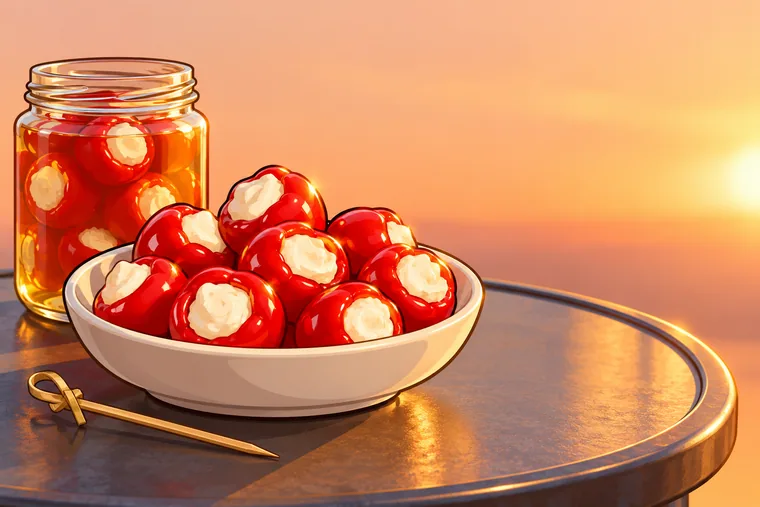
Kentucky calls the pimento sweet and heart-shaped2, so it matches your sweet cherry on heat and color. A whole canned pimento weighs about 66 g3, so 100 g is one and a half pods. You get a bigger, softer pepper, so cut it to cherry size for antipasto.
Jarred sweet piquanté peppers, for stuffing
These round jarred peppers are cored by their maker for stuffing and carry 18.9 g of sugar per 100 g4. Swap them gram for gram, drained, and your dish turns sweeter and a little warmer, so cut back any sugar the recipe adds.
Sweet mini peppers, for small pods
Kentucky lists mini sweet peppers at 1–2 inches long2, close to a cherry's size, and they are bell types with no heat5. Roast them or stuff them whole, using the same weight you planned. They are long rather than round, so your plate looks different.
Red bell pepper, the one every shop has
A red bell rates 0 SHU5, so it swaps by weight with no heat change. Cut it into pieces about an inch across so each forkful on your plate looks like a cherry pepper. It also makes the safest home jar, using NCHFP's tested sweet bell pepper pickle further down.
Banana peppers, for either route
UF/IFAS rates the banana pepper at 0–500 SHU5, and Kentucky notes that sweet and hot types are both sold2. A small one weighs 33 g6, so your 100 g is about three pods. Slice them into rings for sandwiches and pizza, and read the label for "mild" or "hot".
Jalapeños, the easiest hot swap
A jalapeño runs 2,000–8,000 SHU5. No lab has rated a hot cherry, so start with one pod per hot cherry and taste before you add more. You can dose it easily, one small pod at a time.
Hungarian wax, a hotter whole pod
At 5,000–10,000 SHU5 and 27 g a pod8, one Hungarian wax carries about the heat of three jalapeños, by midpoints. It looks much like a banana pepper5, so you can use it where your dish shows the pepper whole.
Pickled hot peppers, for a jar of hot cherries
NCHFP's tested recipe for pickled hot peppers names Hungarian, banana, chile and jalapeño as the peppers to use9. You can buy a jar or make your own; drain it and use the same weight. The heat depends on what went into the jar, so taste a piece before it goes on your hoagie.
Which cherry pepper swap should you pick?
Ask yourself two questions in order. Does your recipe say "hot"? Then, what does the pepper do on your plate: sit in a jar, go in fresh or get stuffed?
- no heat wordSweet routeNo heat to match
- jarJarred sweet piquanté or pimentoDrained, gram for gram
- freshRed bell or banana pepperChopped, gram for gram
- stuffedJarred sweet piquantéCored by its maker for stuffing
- jar
- says hotHot routeNo published range, so taste
- jarPickled hot peppersYour own NCHFP jar or a bought one
- freshJalapeñoOne pod per hot cherry, then tasteMedium
- whole on the plateHungarian waxOne pod for about three jalapeños
- jar
Bars show published heat ranges. Sources for this line1. New Mexico State University, Chile Pepper Institute (seed shop)2. University of Kentucky, Center for Crop Diversification4. PEPPADEW International (Pty) Ltd, maker's page for its own product5. University of Florida IFAS Extension9. National Center for Home Food Preservation (University of Georgia)
Every hot branch ends in a taste check, because nobody we could find has measured a hot cherry in a lab. The sweet branches need no check: a sweet pepper for a sweet pepper changes only the shape on your plate.
Does your recipe mean sweet or hot cherry peppers?
Look for the word "hot". The University of Kentucky calls cherry peppers small, sweet to hot peppers that start green and ripen red2, and Texas AgriLife lists Cherry Bomb with its hot hybrids10. Both look alike, so the label or the recipe is your only clue.
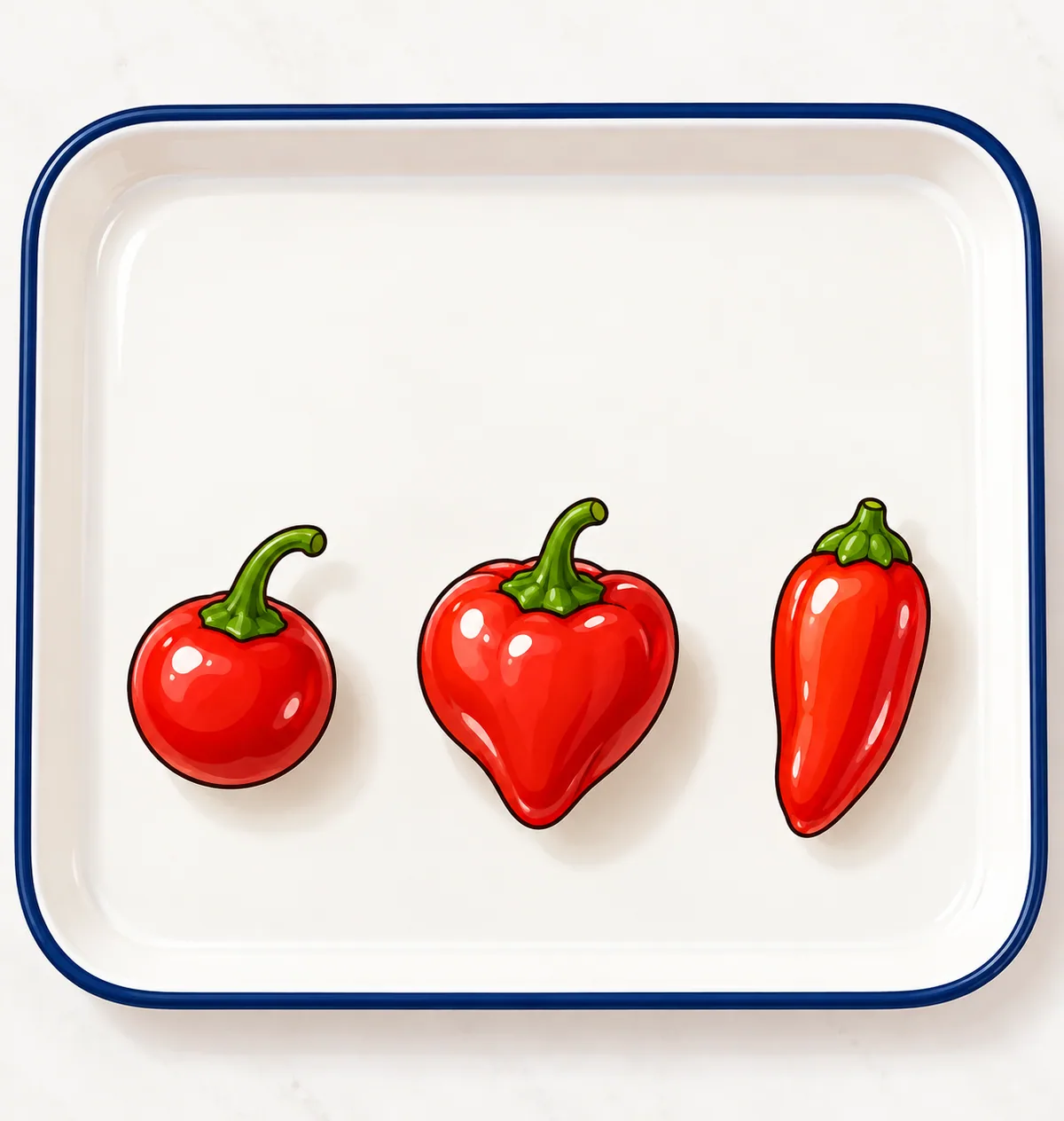
The sweet red cherry matures in about 85 days on a compact plant and is grown for pickling, roasting and stuffing1. Pimentos are sweet too; dried and ground, they become sweet paprika2.
Size will not settle it for you either. Kentucky puts cherry peppers at ¾ to 1½ inches across2, and NMSU's sweet red cherry falls inside that, at 1 to 1.5 inches1. If you are reading an Italian-American recipe for pork chops or a hoagie that says "hot cherry peppers", take the hot route; a cheese board or a stuffed appetizer with no heat word takes the sweet one.
How many sweet peppers fill a cherry pepper jar?
Go by grams, since a cherry pepper has no USDA weight. Say your antipasto recipe asks for 300 g of sweet cherry peppers; these are the pods of each sweet swap that weigh the same, from USDA's average weights:
| Swap | One pod weighs | Pods for 300 g |
|---|---|---|
| Canned whole pimento3 | 66 g | About 4½ |
| Medium red bell pepper (2¾ in long)11 | 119 g | About 2½ |
| Medium banana pepper (4½ in long)6 | 46 g | About 6½ |
| Small banana pepper (4 in long)6 | 33 g | About 9 |
A bell pepper gives you the fewest pods to cut, while the pimento comes ready to use from the can. Cut bell or banana pepper into pieces about the size of a cherry pepper, roughly an inch, so each forkful of your antipasto looks the way the recipe meant.
How much jalapeño or Hungarian wax do you use?
Start with one jalapeño per hot cherry pepper, then taste. That is a starting point, not a ratio, because a hot cherry has no published range to divide by. Between the two hot swaps the math does work: divide the midpoints and multiply by the pod weights.
The Hungarian wax midpoint is (5,000 + 10,000) ÷ 2 = 7,500 SHU and the jalapeño's is (2,000 + 8,000) ÷ 2 = 5,0005. USDA weighs one raw Hungarian pepper at 27 g8 and one raw jalapeño at 14 g7.
Worked pods: Hungarian wax against jalapeño
One Hungarian pod carries 27 × 7,500 = 202,500 units of heat; one jalapeño carries 14 × 5,000 = 70,000. So one Hungarian wax does the work of 202,500 ÷ 70,000 = about 2.9 jalapeños, an estimate from midpoints.
| Hungarian wax pods | Grams | Jalapeños for the same heat | Grams |
|---|---|---|---|
| 1 | 27 g | About 3 | 41 g |
| 2 | 54 g | About 6 | 81 g |
| 3 | 81 g | About 9 | 122 g |
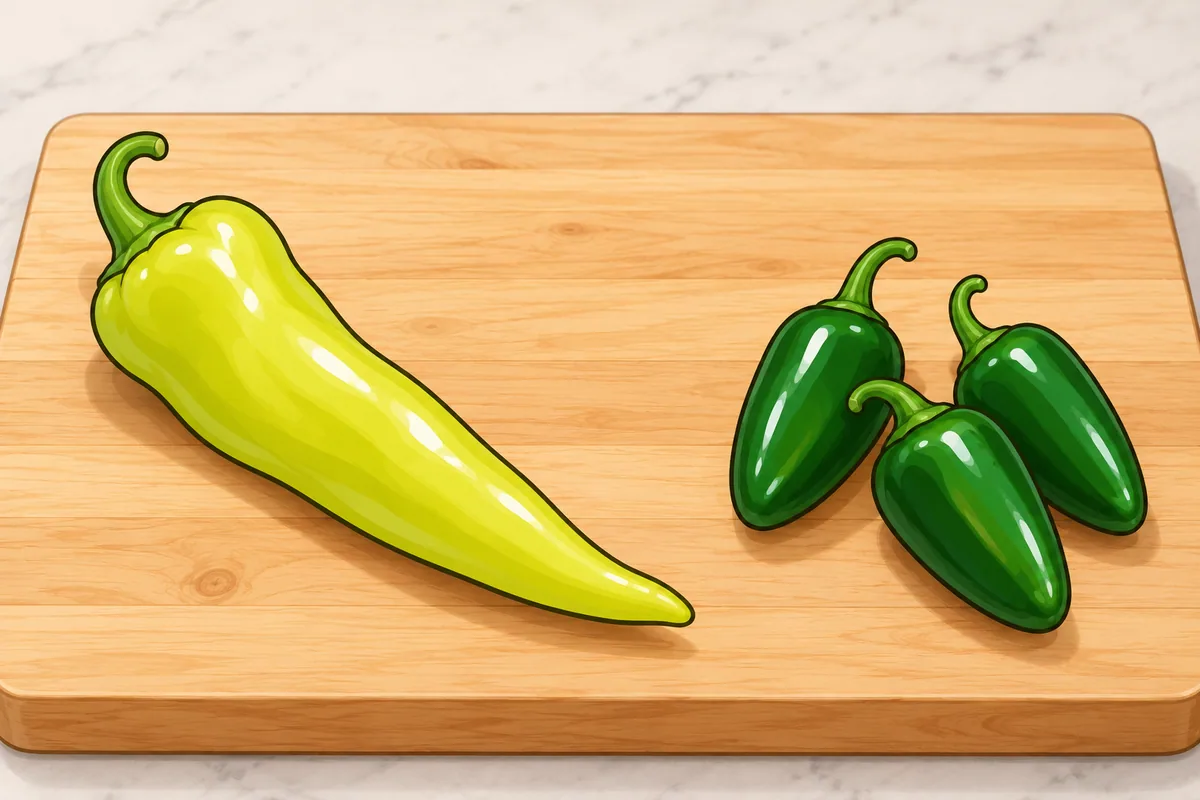
The Hungarian is the closer look if the dish shows the pepper whole, since it looks much like a banana pepper5. The jalapeño is easier to find and easier to dose, one small pod at a time.
Can you use banana peppers or pepperoncini?
Banana peppers, yes, on either route. UF/IFAS rates the banana pepper at 0 to 500 SHU5, and Kentucky notes that both sweet and hot varieties exist, with some hot banana peppers sold as Hungarian wax2. Kentucky describes the fresh pods as long and pale yellow-green to yellow, ripening to bright red2, so a red banana pepper gives your dish the same color as a red cherry. A jar labelled "mild banana peppers" goes on your sweet route, and a "hot" one sits next to the Hungarian row.
USDA weighs a small banana pepper (4 inches) at 33 g, a medium one at 46 g and a large 5-inch one at 75 g6. That makes each one many times the size of a cherry pepper, so slice them into rings for sandwiches and pizza rather than serving them whole.
Pepperoncini we can't rate for you. Neither extension list we read gives it a heat range, and USDA FoodData Central has no record for it. If it is the jar in your fridge, taste a ring: it works on a sandwich either way, and you add the heat you need from a jalapeño.
What can you use instead of pickled cherry peppers?
Jarred pickled hot peppers, or your own. The National Center for Home Food Preservation's tested recipe for pickled hot peppers names Hungarian, banana, chile and jalapeño as the peppers to use9, which covers both swaps in the table.
- 1
Glove up and prepare
Wear rubber gloves and wash the peppers. Leave small peppers whole with 2 to 4 slits cut in each, quarter the large ones, and blanch or blister them so you can peel off the skins.9
- 2
Pack the jars
Pack the peppers into half-pint or pint jars, leaving 1/2 inch of headspace.9
- 3
Heat the brine
Bring 5 cups of 5 % vinegar, 1 cup of water, 4 teaspoons of canning salt, 2 tablespoons of sugar and 2 garlic cloves to a boil, simmer 10 minutes and take out the garlic.9
- 4
Fill and close
Pour the hot brine over the peppers, keeping 1/2 inch of headspace, and close the jars.9
- 5
Process
Boil the jars in a water-bath canner for 10 minutes up to 1,000 ft, 15 minutes at 1,001–6,000 ft, 20 minutes above that.9
The full recipe makes about 9 pints9. For a sweet jar, NCHFP has a separate tested recipe for pickled bell peppers, and the two brines differ mostly in sugar:
Hot pepper jar
Sweet bell pepper jar
Red bell strips in that sweet brine are the closest home-made copy of a jar of sweet cherry peppers you can put up safely. Jarred pimentos are the shop shortcut, and the pickling guide covers fridge jars and other peppers.
Which swap holds a stuffing?
A jarred sweet piquanté pepper, since its maker cores each one by hand for stuffing4, much like a cherry pepper, which NMSU grows for stuffing too1. A whole canned pimento weighs about 66 g3, so it holds a bigger filling and works better cut in half. The Peppadew swaps go the other way if those are what you are missing.
For a hot stuffed appetizer, a small banana pepper at 33 g6 or a jalapeño at 14 g7 gives you a pod you can split, fill and eat in two bites. Halve them lengthwise and you get a boat instead of a ball; the stuffed peppers recipe works with either shape.
What goes wrong with a cherry pepper swap?
Most trouble comes from sugar, heat or storage. Here is what each one looks like and what you can do:
- The dish tastes too sweet. A jarred piquanté pepper carries 18.9 g of sugar per 100 g against about 4.2 g in a raw red pepper, so cut the sugar the recipe adds, or swap half the jar for red bell.411
- The hot swap came out too hot. Capsaicin sits mostly in the cross walls and around the seeds, so scrape those out of the next batch; at the table, whole and skim milk cut the burn the most of seven drinks in a 2019 Penn State study.214
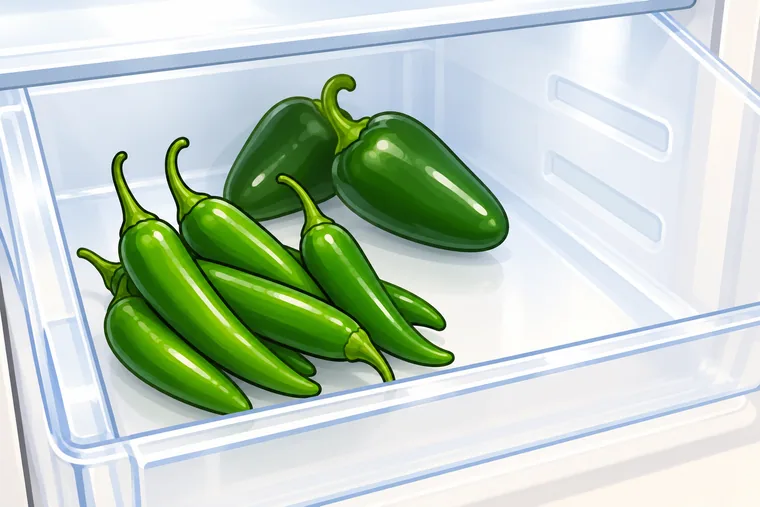
- Your fresh swap went soft in the fridge. Peppers keep best cool but not cold: chilling injury can start below 45°F, and they keep ripening above 50°F; keep them away from apples, pears and tomatoes.2
- Your hands burn after slicing jalapeños. Wear rubber gloves, or wash your hands well with soap and water before you touch your face.9
Before you swap in your jar
Taste one swap pepper before it goes in, especially on the hot route. A sweet red pepper has about 4.2 g of sugar per 100 g11 against 18.9 g in a jarred piquanté pepper4, so cut back on any sugar the recipe adds if you use the jarred one.
If a recipe leans on cherry peppers for both sweetness and bite, you can split the job: half the weight in pimento for the sweet, red look, and one jalapeño per two hot cherries for the heat, then taste. Every other missing pepper is on the swap chart.