
Cherry Pepper Scoville, 0 SHU Sweet to Hot
A small round pepper, sweet or hot, grown for jars and stuffing.
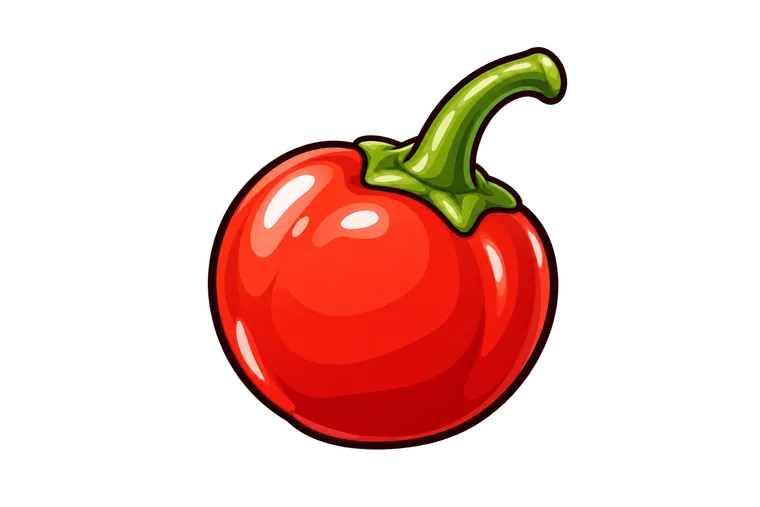 Mild
No heat in sweet types
- Hot large cherries run hotter than a jalapeño, milder than a serrano
- Round fruit 1–1.5 inches across, green ripening to red
- About 85 days to maturity on a compact, ever-bearing plant
On this page
How hot is a cherry pepper?
It depends on the type in your hand. The NMSU Chile Pepper Institute sells a sweet red cherry pepper and lists it as no heat at all1. Hot cherry types exist too, and they will bite you: Virginia Cooperative Extension calls large cherry peppers very hot, milder than a serrano but hotter than a jalapeño2.
So two peppers with the same round shape can sit at opposite ends of your spice rack, and you can't tell them apart by eye. Clemson Extension draws the same line, filing sweet cherry with bell and pimento and large cherry with cayenne and habanero3.
| Pepper | Heat | What the source gives |
|---|---|---|
| Sweet red cherry | No heat | A plain statement, no SHU number |
| Cherry, as most gardens grow it | Mildly spicy | Flavor note: sweet, slightly tart, no number |
| Large cherry | Very hot | Hotter than jalapeño, milder than serrano, no number |
| Cherry Bomb | Hot | Listed as a hot hybrid, no figure |
| Cherry cultivar, lab sample | 51,156 SHU | One sample, figure tied to dry weight |
| Jalapeño, for scale | 2,000–8,000 SHU | Range, average about 5,000 |
Put the jalapeño and serrano figures together and a large hot cherry lands somewhere above 8,000 SHU and below the serrano's 10,000 to 25,0004. That reading comes from the extension's comparison, not from a lab test, so we keep our index chip on the sweet type, which gives you a firm answer.
Why does the one lab figure read so high?
Because the lab weighed the pepper dry. A 2022 study measured a cherry cultivar from local growers at 51,156 SHU, and the authors note that their SHU values relate to dry weight5. A fresh pod is mostly water, so the same capsaicin spreads through far more weight by the time you bite into one.
Here is a rough worked number. Cayennes grown in an NC State study held about 81 to 82 % water6. If a cherry pod holds about the same, one gram of dry pepper comes from about five grams of fresh pod, and 51,156 ÷ 5 gives roughly 10,000 SHU on fresh weight. That estimate is ours, built on two sources, and it agrees with the extension view of "hotter than a jalapeño".
A sweet cherry has no heat; a large hot cherry tastes about like a hot jalapeño or a mild serrano.
The hotter round hybrid has its own entry: the Cherry Bomb pepper.
Is your cherry pepper sweet or hot?
Check the label first, then your tongue. Shops and seed racks sell both under "cherry pepper", and the pods look alike, so the name on your packet tells you most of what you need.
Five checks before you cook a cherry pepper
- The packet or jar says sweet, or a named sweet type such as Red Cherry Sweet: expect no heat.
- It says hot, large cherry or Cherry Bomb: expect jalapeño-plus heat.
- It says only cherry pepper: treat it as unknown until you taste a sliver.
- Cut a thin slice from the side wall, away from the white ribs, and taste that first.
- Then taste a scrap of rib; the ribs hold most of the capsaicin, so they tell you the pod's top heat.
The rib test works because of where the heat sits. A 2024 review puts about 89 % of a pod's capsaicin in the white ribs7. If the rib scrap barely tingles, you have a sweet cherry, and you can use the whole pod freely.
- packet says sweetSweet cherryNo heat
- Stuff and roastWhole pods as cups
- Slice rawSalads, sandwiches
- packet says hotHot or large cherryAbove jalapeño heat
- PickleVinegar jar
- Ferment into paste21 days at 20 °C in one study
Bars show published heat ranges. Sources for this line1. New Mexico State University, Chile Pepper Institute (seed shop)2. Virginia Cooperative Extension (Relf, McDaniel; reviewed by Olsen)5. Plants 11(8):1080 (MDPI)
If your crowd shies away from heat, the sweet type is the safe pick for stuffed appetizers. If you want a jar of hot rings for sandwiches, buy or grow a large hot cherry.
What does a cherry pepper look like?
Like a small red ball on a short stem. The fruit is round, 1 to 1.5 inches across, and starts green before turning red as it matures1.
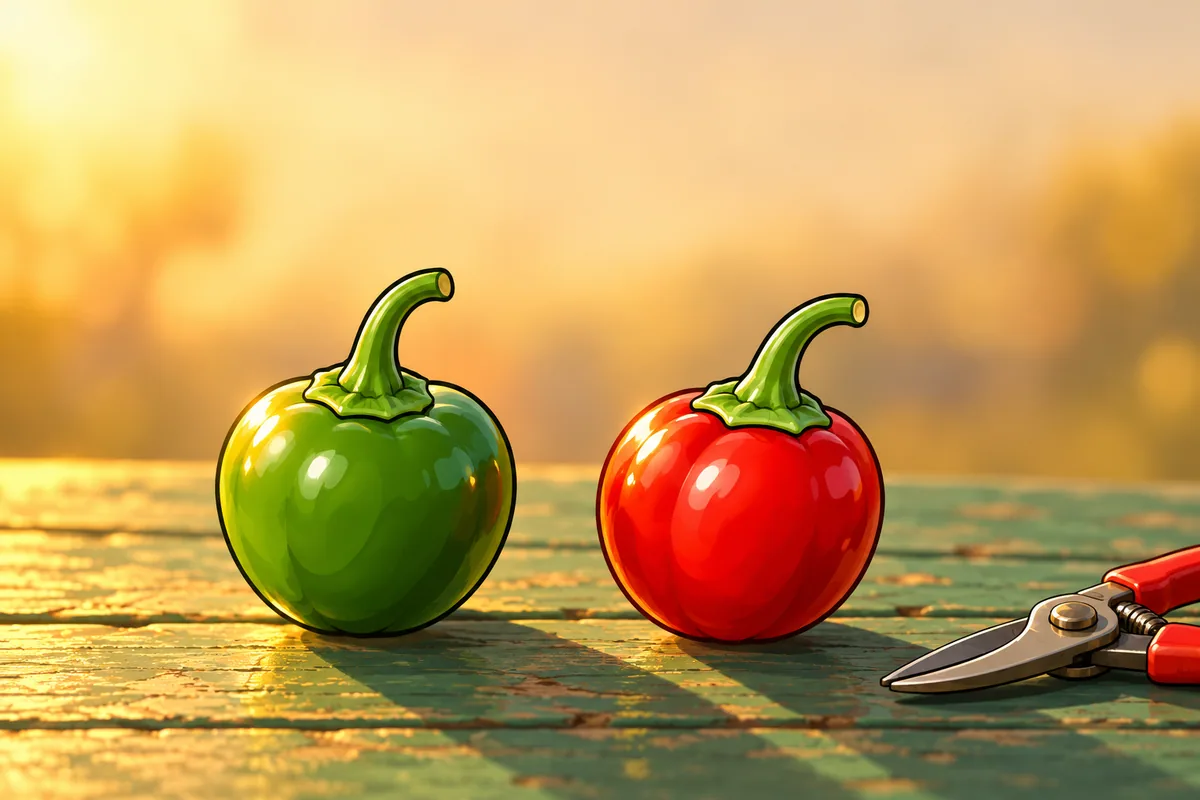
Sizes and flavors vary from one variety to the next, and you usually pick them once they turn orange to deep red2. When you harvest, cut the stem with snips instead of pulling, because pepper stems snap and can take a branch with them3.
How do you pickle cherry peppers?
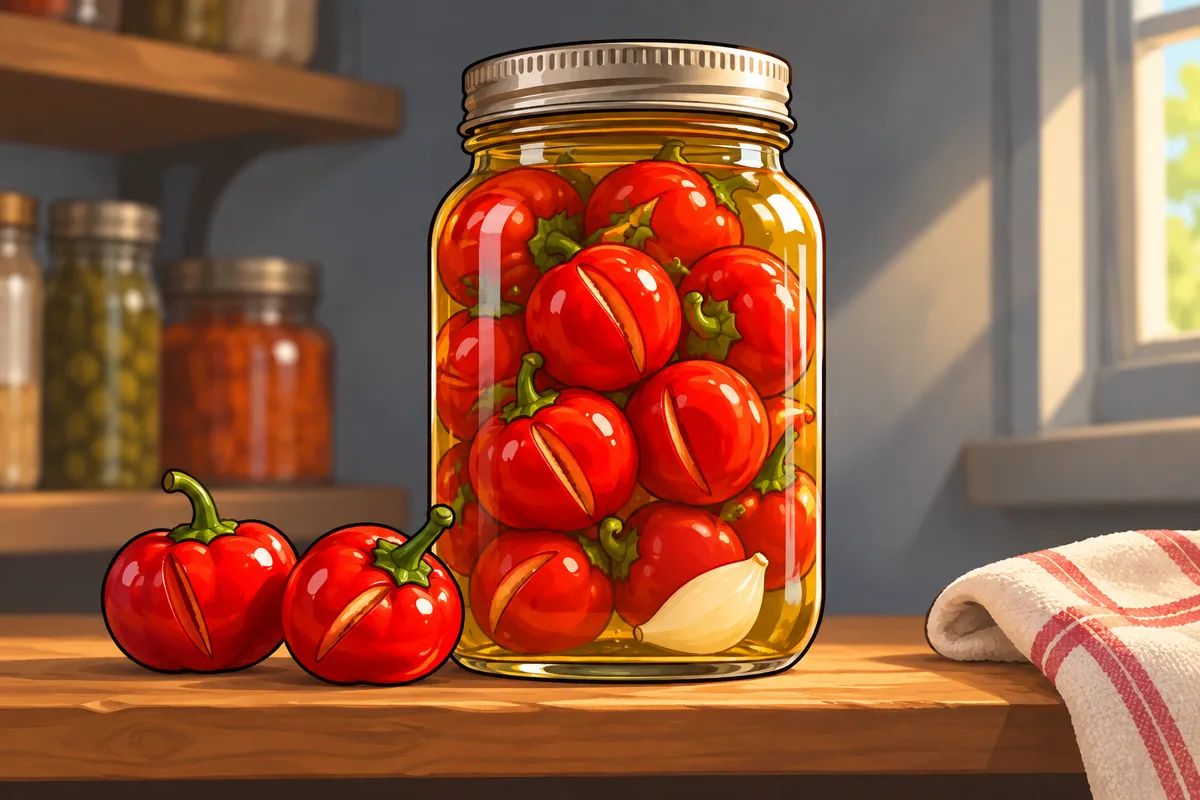
With a tested vinegar brine and a boiling-water canner. The National Center for Home Food Preservation publishes a hot pepper pickle that leaves small peppers whole with slits cut in them, which is exactly the shape of a cherry pepper8. Its tested list names Hungarian, banana, chile and jalapeño, so treat round cherries as small whole peppers under that recipe and keep its amounts as written.
- 1
Slit the peppers
Wash them, leave small peppers whole and cut 2 to 4 slits in each so the brine gets inside. Wear rubber gloves for hot types.8
- 2
Blanch or blister
Blanch them in boiling water, or blister them in a 400 °F oven or under a broiler for 6 to 8 minutes, then cool and peel off the skins and flatten the small ones.8
- 3
Make the brine
Simmer 5 cups of 5 % vinegar, 1 cup of water, 4 teaspoons of canning salt, 2 tablespoons of sugar and 2 garlic cloves for 10 minutes, then lift out the garlic.8
- 4
Pack and fill
Pack the peppers into half-pint or pint jars, pour hot brine over them and leave half an inch of headspace.8
- 5
Process
Adjust the lids and process in a boiling-water canner for the time your elevation needs.8
The full recipe uses 4 pounds of hot peppers and 3 pounds of sweet ones and yields about 9 pints8. For a mixed jar, your sweet cherries can stand in for part of the sweet weight, and your hot cherries for part of the hot weight.
What else can you do with them?
The Chile Pepper Institute names roasting and stuffing beside pickling for its sweet red cherry1, and a fermentation study adds a fourth use for hot ones:
- Roasting. NMSU's chile guide roasts pods at 400 to 450 °F for 6 to 8 minutes, turning them often, until the skin blisters; cut a small slit first so steam can escape9. A round cherry rolls, so you'll turn it with tongs more often than you would a long chile.
- Stuffing. Cut off the top, scoop out the seeds and ribs, and you have a cup about 1 to 1.5 inches wide1. Pulling the ribs also pulls most of the heat from a hot cherry7. More shapes that hold a filling are in peppers for stuffing.
- Fermented paste. In the 2022 study, a blended cherry paste fermented for 21 days at 20 °C turned acidic, and its capsaicinoids stayed stable5. You keep the heat and gain sour, which gives you the base of a fermented sauce.
- Freezing. NMSU freezes whole chiles at 0 °F or below for up to 12 months, in flat packs no deeper than 2 inches9. Thawed peppers lose their crunch, so you'll use frozen cherries for cooking and paste, not for crisp pickles.
Other good jar peppers are in peppers for pickling.
Can you grow cherry peppers?
Yes. The plants are compact and ever-bearing, so they keep setting fruit through the season instead of giving one flush, and the sweet red type matures in about 85 days1.
Clemson gives 100 to 120 days if you start from seed in the ground, so most of us buy transplants or start seed indoors3. Set plants out only after the last frost; Virginia Extension starts seed six to eight weeks before that date2. The planting date guide works out the week for your area.
In the fridge, fresh pods keep two to three weeks at 45 to 50 °F with high humidity3. That's warmer than most of our fridge shelves, so your crisper drawer is the best spot.
What goes wrong with cherry peppers?
Most problems you'll meet show up either in your jar or on your plant, and each has a plain cause:
- Flowers drop and no fruit sets. Virginia Extension links blossom drop to nights above 75 °F or a plant carrying too much fruit at once2. Wait for cooler nights; the plant sets again. The pepper plant with no fruit page walks through the other causes.
- A dark, sunken patch on the bottom of the fruit. That's blossom-end rot, a calcium problem that usually starts with uneven watering3. Keep the soil evenly moist, not soaked.
- Lots of leaves, few peppers. Clemson points to too much nitrogen3; ease off the fertilizer.
- The jar came out hotter than you planned. You probably packed hot cherries with their ribs. Next time, scoop the ribs from half the pods before you pack them7.
- Hands burn after cutting a batch. NMSU suggests rubber gloves or a thin coat of solid fat on your hands, and a vinegar soak if the sting starts9.
Is a cherry pepper the same as a pimento?
No. The UC Master Gardeners of Ventura County describe the pimento as sweet, mild and heart-shaped, and the cherry as round, mildly spicy and slightly tart, the one to pickle10.
Cherry pepper
Pimento
The pimento and cherry pepper side by side lines up their shape, heat and uses in more detail.
Against a jalapeño the answer splits by type. A sweet cherry has none of the jalapeño's 2,000 to 8,000 SHU4, while a large hot cherry runs hotter than it. The cherry pepper and jalapeño comparison covers both, and when your store has neither, the cherry pepper swap list gives you replacements with amounts.
Related peppers
Published ranges.4
Related in Peppers
-
Cayenne Pepper Scoville, 25,000–50,000 SHU
The long red chile behind most ground red pepper and a lot of vinegar hot sauce.6 min read -
Habanero Pepper Scoville, 100,000–350,000 SHU
A fruity, floral chile in the extra-hot band.7 min read -
Jalapeño Scoville, 2,000–8,000 SHU and Chipotle
The medium-heat chile most heat comparisons start from.6 min read -
Serrano Pepper Scoville, 10,000–25,000 SHU
A slim, fleshy chile one clear step above the jalapeño.5 min read -
Biquinho Pepper, the 2.6 cm Brazilian Pod With No Heat
A crunchy little red pod Brazil eats pickled, often with no burn at all.6 min read -
Peppadew Pepper Heat, Under 650 SHU in a Sweet Brine
The small round red pepper from South Africa, hand-cored, pickled sweet and sold under one trademark.6 min read
Sources
· 10
- 1New Mexico State University, Chile Pepper Institute (seed shop) Red Cherry Sweet Pepper
- 2Virginia Cooperative Extension (Relf, McDaniel; reviewed by Olsen) SPES-684: Peppers
- 3Clemson Cooperative Extension, Home & Garden Information Center HGIC 1316: Pepper
- 4University of Florida IFAS Extension HS-859/TR010: Pepper Production in Miami-Dade County, Florida
- 5Plants 11(8):1080 (MDPI) Dynamics of Bioactive Compounds during Spontaneous Fermentation of Paste Obtained from Capsicum ssp. (Kádár et al.)
- 6International Journal of Molecular Sciences 26(10):4916 (MDPI) Capsaicinoid Profiles, Phenolic Content, and Antioxidant Properties of Chili Peppers Grown in Urban Settings (Alghamdi, Rathinasabapathy, Komarnytsky)
- 7Heliyon (Cell Press) A comprehensive review of capsaicin: Biosynthesis, industrial productions, processing to applications, and clinical uses
- 8National Center for Home Food Preservation (University of Georgia) Pickled Hot Peppers
- 9New Mexico State University, Cooperative Extension Service (Guide E-324, Nancy C. Flores) Processing Fresh Chile Peppers
- 10University of California Agriculture and Natural Resources, UC Master Gardeners of Ventura County Ventura Garden to Table Series: Peppers