
11 Dried Chili Peppers, Names, Heat and How to Use Them
Ancho, chipotle, pasilla, árbol and the rest, matched to the pod they started as.
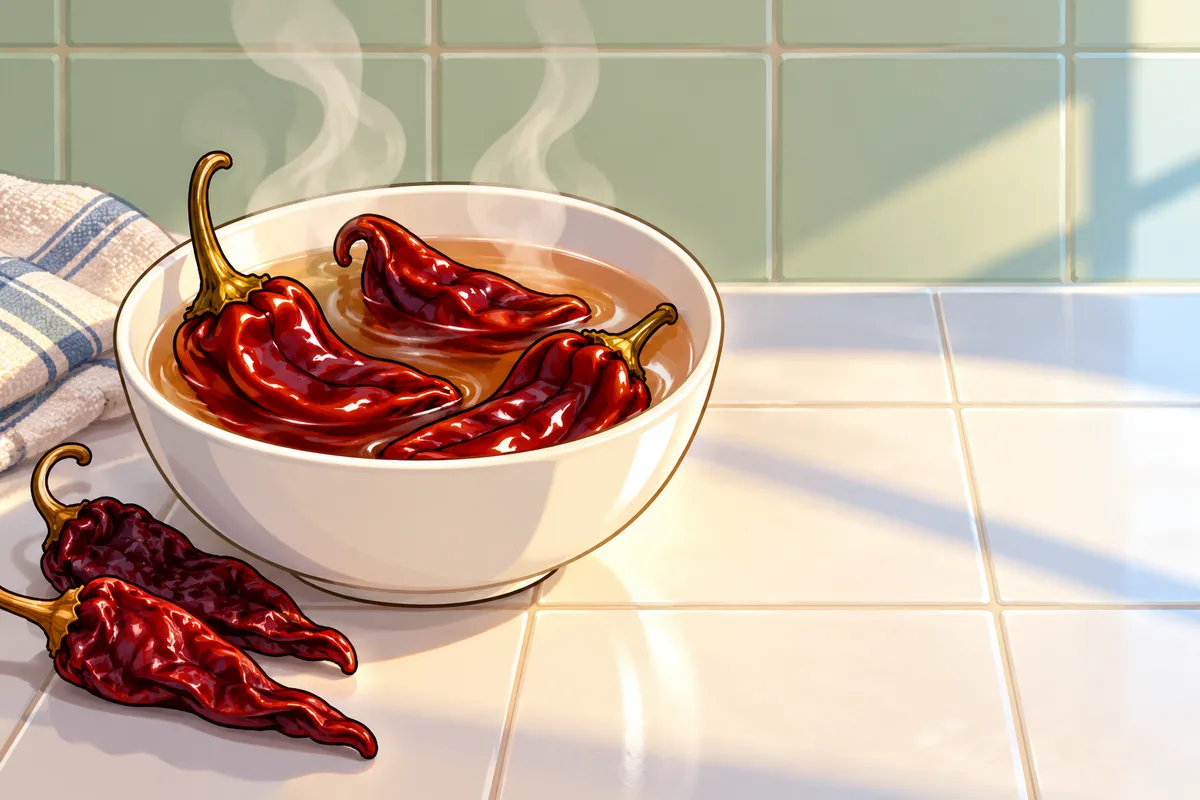
Dried chiles are ripe pods dried until leathery or brittle, and most get a new name once dry.
- A ripened, dried poblano is an ancho; a smoke-dried red jalapeño is a chipotle
- To rehydrate, cover stemmed, seeded pods with boiling water for 30 minutes
- 12 to 14 large pods make about 1 pint of chile purée
Fresh name, dried name, heat.
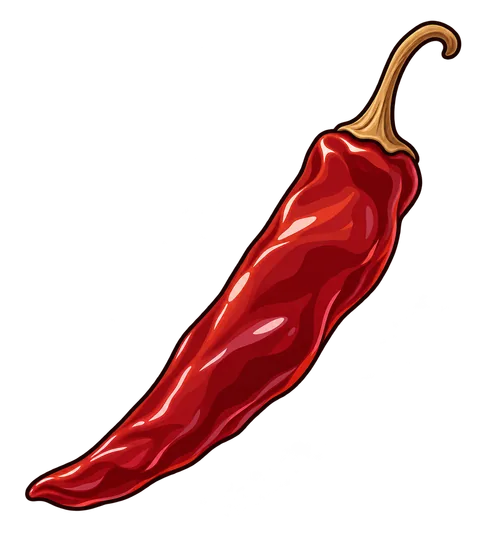
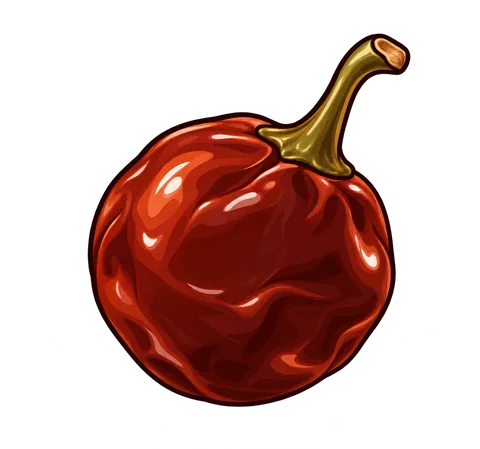
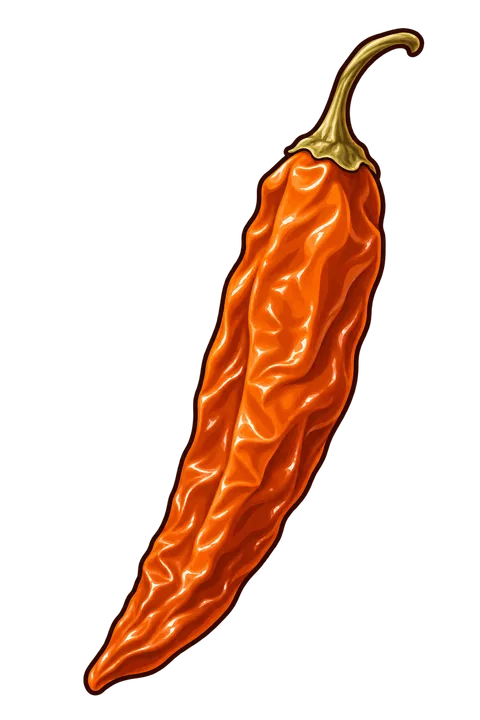
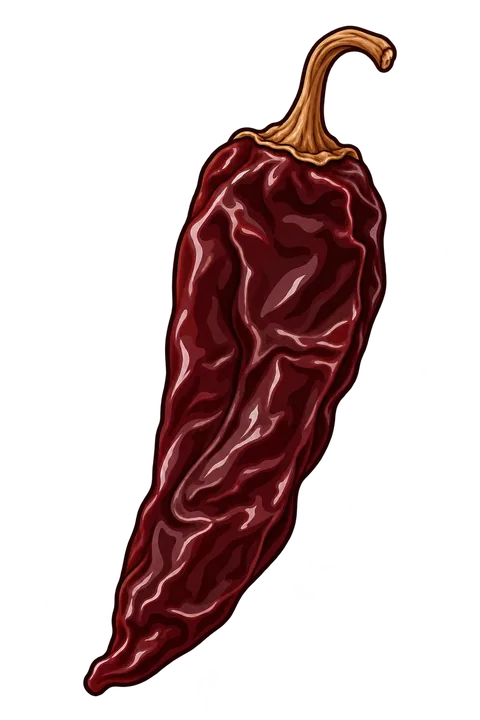
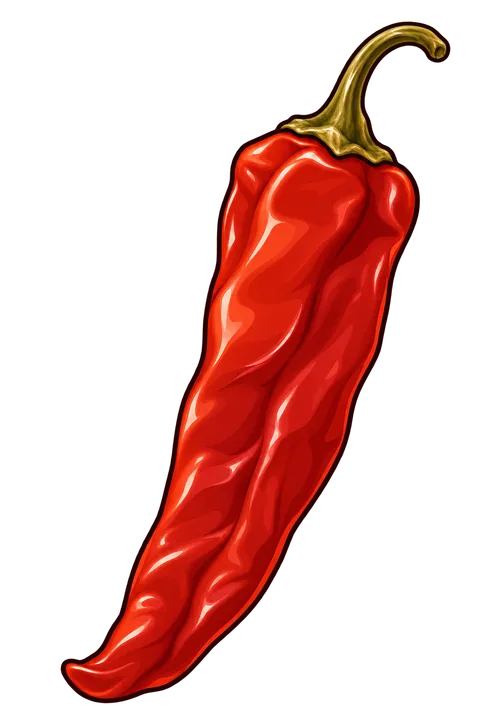
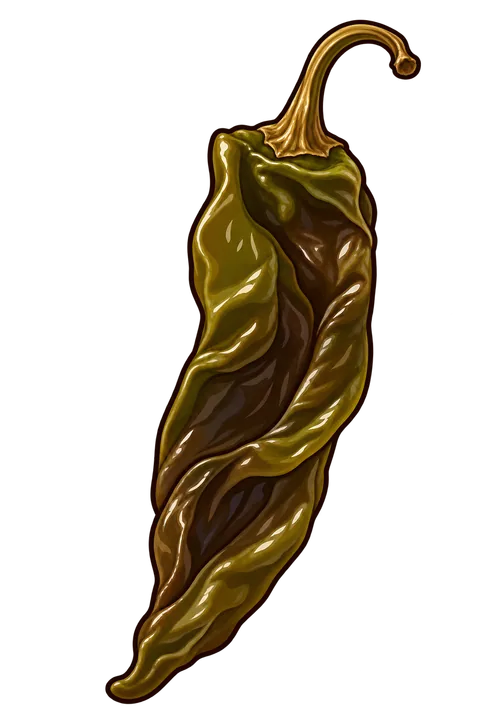
Each tile is the dried pod; the line under it is the pepper it started as.
-
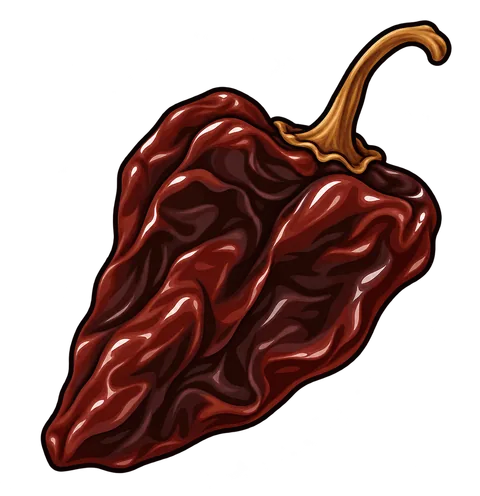
Ancho
Poblano, ripened red and dried
Mild1,000–1,500 SHUSources for this line1. UF/IFAS Gardening Solutions2. New Mexico State University, Chile Pepper Institute6. Iowa State University Extension
Iowa State lists ancho and poblano in the same heat band
-
-
-
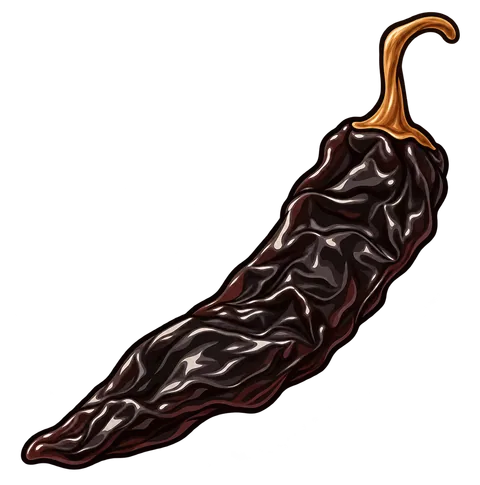
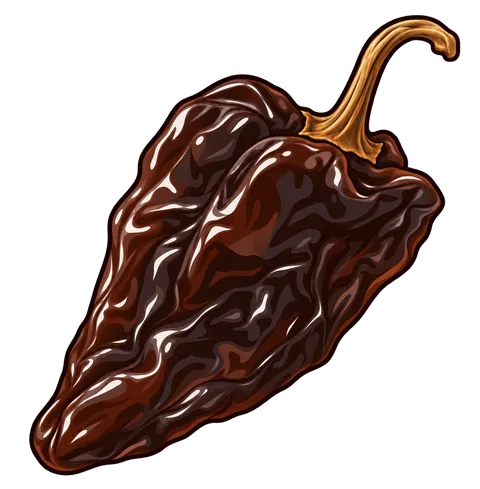
Pasilla
Fresh form not in our sources
Mild1,000–1,500 SHU3
Dark brown pods; the name means little raisin; often used in mole
-
-
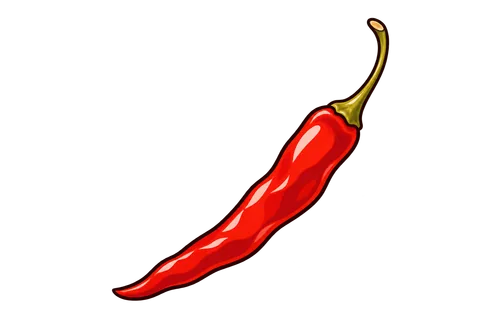
Chile de árbol
Same name fresh
Medium15,000–30,000 SHU6
The hottest common Mexican dried chile in this table
-
-
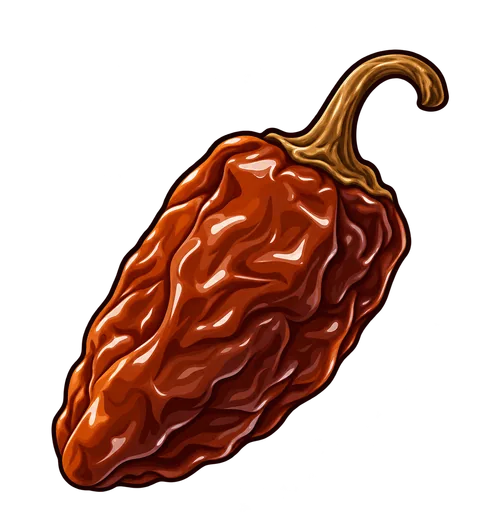
Ají mirasol
Aji amarillo, dried
Heat not in our sources4
Used as a seasoning across Peruvian cooking
-
-
-
Grind it, soak it or hang it.
Powder
Grind the dry pod. New Mexico's red chiles become chile powder this way.3
Open powderPurée and paste
Soak, blend and simmer for the base of a red paste.7
Open purée and pasteRistra
Keep pods whole on a string; they come off one at a time through winter.27
On this page
What are the main types of dried chiles?
Most dried chiles are fresh pods with a second name. UF/IFAS says a poblano ripened and dried takes the name ancho1, and NMSU's Chile Pepper Institute defines chipotle as a smoke-dried red jalapeño2. So a recipe can ask you for an ancho while the market sign says poblano.
The name swap runs the other way too. NMSU notes that the poblano in US produce markets is a green ancho or mulato, sold fresh2, so the pod you roast in August and the leathery one you soak in January come from the same plant.
Find the fresh pepper first; it tells you the heat and the flavor family before you open the bag. The Mexican peppers hub has most of these fresh forms, and the table above pairs each dried name with its pod.
Three groups cover almost every bag you will meet on your store's shelf:
- Mexican dried chiles. Ancho, mulato, pasilla, guajillo, chipotle, árbol and cascabel. NMSU describes mole, the sauce most of them end up in, as a spicy sauce of chiles and unsweetened chocolate2.
- New Mexico red. Long pods ripened red, then strung into ristras or ground into powder3. Green New Mexico chile, dehydrated, becomes chile pasado instead2.
- Peruvian ajíes. Ají amarillo dries into ají mirasol, and ají panca sells mainly in its dried form, prized for sauces and for its color4.
Tiny wild pods sit outside these groups. NMSU calls the chiltepín a wild piquin, also sold as bird pepper, and usually round2; in the lab test below it came out the hottest of the four dried chiles.
How hot do dried chile peppers get?
Hotter on paper than you might expect, because lab figures often count heat per gram of dry pod. A Mexican HPLC study measured dried chiles by dry weight and got figures well above the usual ranges, a gap the authors themselves point out5.
One study, plants grown without heat stress; dry-weight figures run higher than fresh-pod ranges. Log scale; bars are published ranges.5
Read the gap, not the exact numbers, when you compare your bag to a chart. Iowa State puts chile de árbol at 15,000–30,000 SHU6, and the dry-weight test above found about 194,6005. The ranking holds better than the figures: in that study árbol came out about ten times hotter than ancho (194,592 ÷ 19,336)5.
Weather moved the numbers too. Grown under heat stress, the same guajillo rose to about 69,200 SHU and the árbol fell to about 141,1005. Two bags of one chile from two harvests can taste different, and nothing on the label tells you which year you bought.
Here is what that means at the stove. Drying removes water, not heat, so a spoonful of ground ancho carries the heat of a lot more fresh poblano than a spoonful of chopped fresh pod would. Start with less than the recipe asks if you swap dried for fresh, then add more after a taste.
How do you rehydrate dried chiles?
Pull the stem, shake out the seeds, rinse, then soak in boiling water for 30 minutes. That is NMSU's method for red chile sauce made from dried pods7, and it works the same way for any large pod in the table.
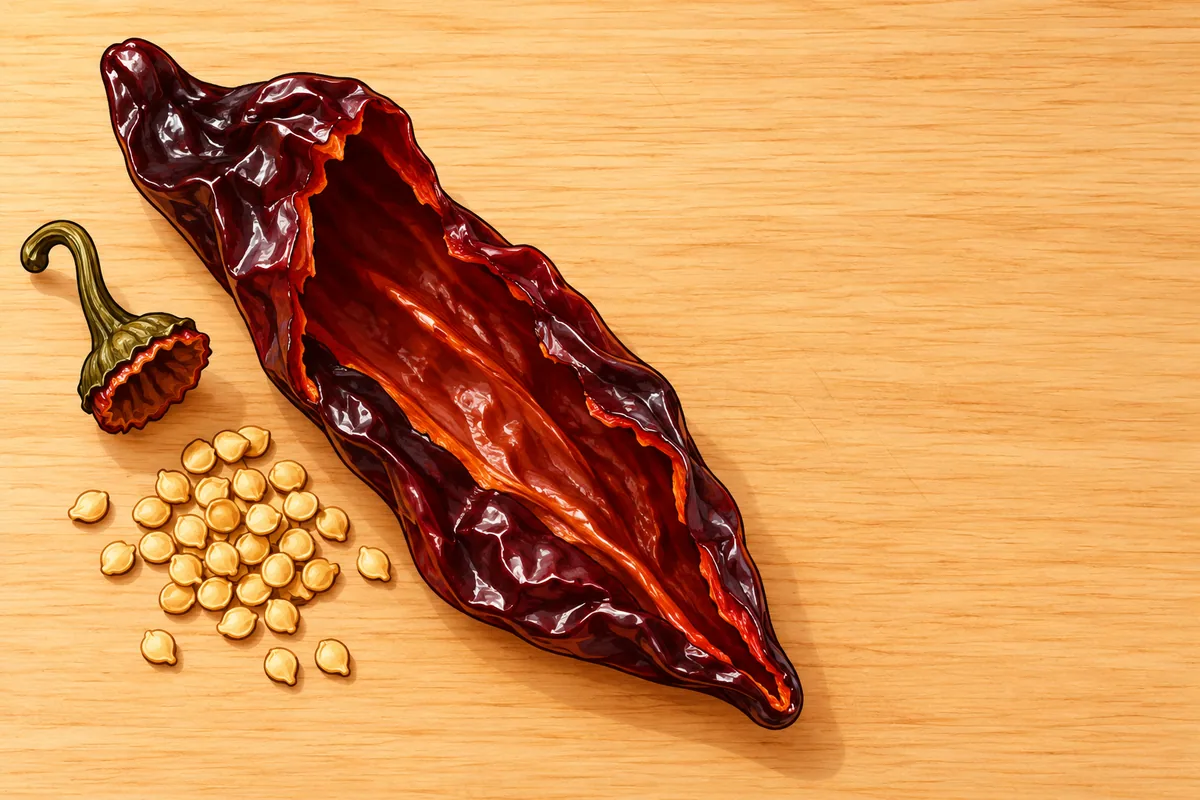
Before you start, put on gloves. The National Center for Home Food Preservation tells you to wear plastic or rubber gloves and keep your hands off your face while you handle or cut hot peppers8.
- 1
Pick sound pods
Use dry pods in good condition; skip any with mold, insect damage or decay.7
- 2
Stem and seed
Pull off the stems and shake the seeds out of the pods.7
- 3
Wash
Wash the pods in warm water, lifting them out and changing the water several times.7
- 4
Soak 30 minutes
Cover the pods with boiling water for 30 minutes, until the pulp feels soft and slips easily off the skin.7
- 5
Blend and strain
Blend with enough fresh hot water for a smooth purée, then press it through a sieve to catch bits of peel.7
- 6
Simmer
Simmer the purée for 10 minutes before you use or store it.7
Plan on 12 to 14 large pods for about 1 pint of purée7. That purée is the dried chile paste many recipes start from. Notice that NMSU blends the pods with fresh hot water, not the soaking water7.
The whole trip from bag to sauce is one straight line, and every arrow below is a step NMSU spells out:
- Dried podsSound pods only, no mold or insect damage
- Stem, seed, washWarm water, changed several times
- SoakBoiling water, 30 minutes
- Blend and sieveFresh hot water, peel caught in the sieve
- Simmer10 minutes
- Use or freezeFridge right away, use or freeze within 3 days
What can you make with dried peppers?
Three things, depending on how far you take the pod. Grind it dry and you have chile powder, which is what New Mexico's red chiles become once dried3; the chili powder types page sorts the jars on the shelf. Soak and blend it and you have the purée above, the base of an easy red paste.
Keep it whole and you have a ristra, the long string of dried New Mexican pods NMSU describes as both storage and decoration2. Pods stay on the string through winter and come off one at a time for cooking7. A 2-foot ristra takes about 130 New Mexican pods, and a 1-foot string of tiny de árbol pods takes about 8007.
A worked example: red enchilada sauce from one pint of purée
NMSU turns the purée into enchilada sauce with a short list7. For 2 cups of sauce, you need:
- 1 cup of chile purée and 1 cup of water
- 2 tablespoons of vegetable oil and ½ teaspoon of salt
- 1 garlic clove and ½ teaspoon of dried oregano, both optional
Mix everything but the oregano and simmer gently for 10 minutes, stirring often. Add the oregano and give it another 5 to 7 minutes7. One pint of purée holds 2 cups, so your 12 to 14 pods make enough for two batches, about 4 cups of sauce in all.
Which dried chile should you pick, and when?
Pick by the job you have for it, then by the heat you want. The table at the top gives you the heat; this list gives you the match.
- You want a mild, deep sauce or mole. Reach for ancho or pasilla, both in Iowa State's or Arizona's 1,000–1,500 SHU band36.
- You want smoke. Chipotle is the only pod in the table dried over smoke2; buy it dry for grinding or canned in adobo for a ready sauce.
- You want clear heat in small doses. Chile de árbol, at 15,000–30,000 SHU, runs ten times past ancho or more6. One or two pods season a whole pot.
- You want a lot of red sauce. Red New Mexico pods, at 500–2,500 SHU3, let you use a dozen at once without a fire in the pan.
- You cook Peruvian dishes. Ají mirasol and ají panca are the dried forms your recipe means4.
If a store has none of these, you can dry peppers yourself from fresh pods of the same kind. A red-ripe poblano you dry at home still becomes an ancho.
What goes wrong with dried chiles?
Most trouble you will run into comes from moisture or from pods nobody meant you to eat. Run through this before you soak a batch.
Before a pod goes in the pot
- White fuzz, dark soft patches or a musty smell mean mold. The NCHFP says to throw moldy dried food away, so the whole bag goes in the bin.9
- A glossy, hard coat on a ristra means plastic, shellac or insecticide spray. NMSU calls those pods inedible and fit for decoration only.7
- Pods that bend like leather after months in a damp kitchen have pulled water back in. Use them right away or dry them again, as the NCHFP advises.9
- Tiny holes or powder in the bag point to insects. NMSU's rule skips any pod with insect damage.7
- Purée left on the counter overnight does not keep. NMSU tells you to refrigerate leftover sauce or purée promptly and use or freeze it within 3 days.7
How long do dried chiles keep?
Months, not forever, and your kitchen's warmth decides where in that span you land. The National Center for Home Food Preservation gives dried foods 4 months to 1 year in a cool, dry, dark place, and says heat shortens that: most dried fruit keeps about a year at 60°F but about 6 months at 80°F, and dried vegetables keep about half as long as fruit9.
So a bag of anchos in a warm cupboard above the stove sits at the short end of that range. Move the bag to a dark shelf away from the oven, or into the freezer, and you buy yourself time.
Check the jars now and then. The NCHFP points out that dried food can pull moisture back in even when it looks bone dry9, and a soft, bendy pod in a jar that used to rattle is your sign.
More in Products
The newest from Products
-
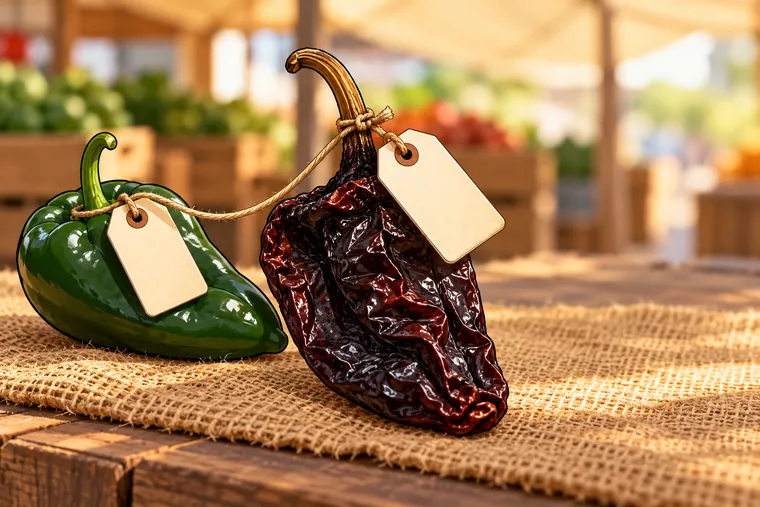
Dried Pepper Names, 15 Chiles Matched to Their Fresh Pod
Fresh name on the left, dried name on the right, and the reason some pods change their name in the bag.Oct 18, 2026 · Guide -
Does Chili Powder Go Bad? 2–3 Years, Then It Fades
Color goes first, smell second, heat last. Here is the timeline, the numbers and the jar test.Oct 18, 2026 · Guide -
Shichimi Togarashi, 7 Spices and What Each One Adds
Two old Japanese makers, two slightly different sets of seven, and one chile doing the heavy lifting.Oct 18, 2026 · Guide
Sources
· 9
- 1UF/IFAS Gardening Solutions Peppers by Scoville Units
- 2New Mexico State University, Chile Pepper Institute Chile Terminology
- 3University of Arizona Cooperative Extension Backyard Gardener #174: Growing Peppers and Chiles (adapted from Jeff Schalau)
- 4Bioversity International, with INIA and Peru's Ministry of Agriculture and Irrigation Guía de oportunidades de mercado para los ajíes nativos de Perú (Jäger, Jiménez, Amaya, compilers)
- 5Molecules 18(11):13471 (MDPI) Characterization of different Capsicum varieties by evaluation of their capsaicinoids content by high performance liquid chromatography, determination of pungency and effect of high temperature (González-Zamora et al.)
- 6Iowa State University Extension PM 1888(S): Guía de Horticultura, El huerto doméstico, Chiles (Everhart, Haynes, Jauron)
- 7New Mexico State University, College of ACES Guide E-327: Using Chile to Make Ristras and Chile Sauce (Coon and Walker), revised July 2015
- 8National Center for Home Food Preservation (University of Georgia) Peppers
- 9National Center for Home Food Preservation (University of Georgia) Packaging and Storing Dried Foods

Your pocket pepper index.
Built from the same index as this site.
- Every entry offline
- Compare any two peppers
- Keep a list of peppers you have tried