On this page
- 1What can you use instead of Peppadew peppers?
- 2Which Peppadew swap should you pick?
- 3What is in a jar of Peppadew?
- 4Are sweet cherry peppers the same as Peppadews?
- 5How much sugar does each swap need?
- 6How do you sweeten a jar of pimentos?
- 7Can you use roasted red peppers?
- 8Is a Peppadew hot?
- 9What goes wrong with a Peppadew swap?
- 10Before you fill the antipasto plate
- 11Sources
What can you use instead of Peppadew peppers?
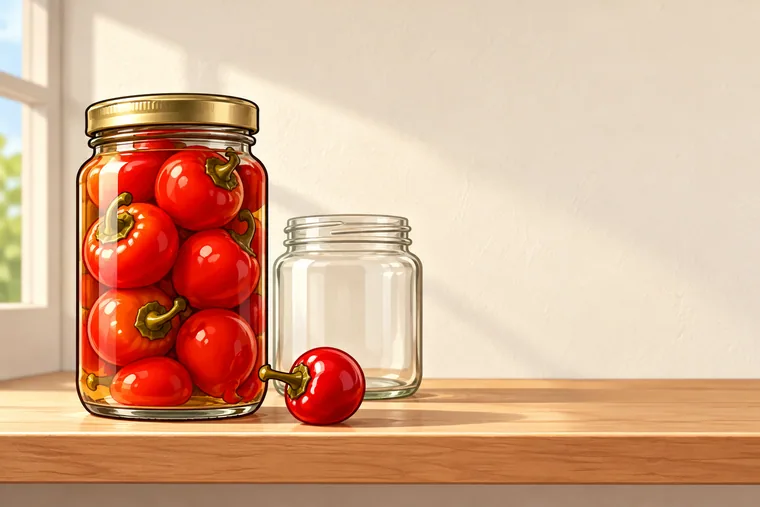
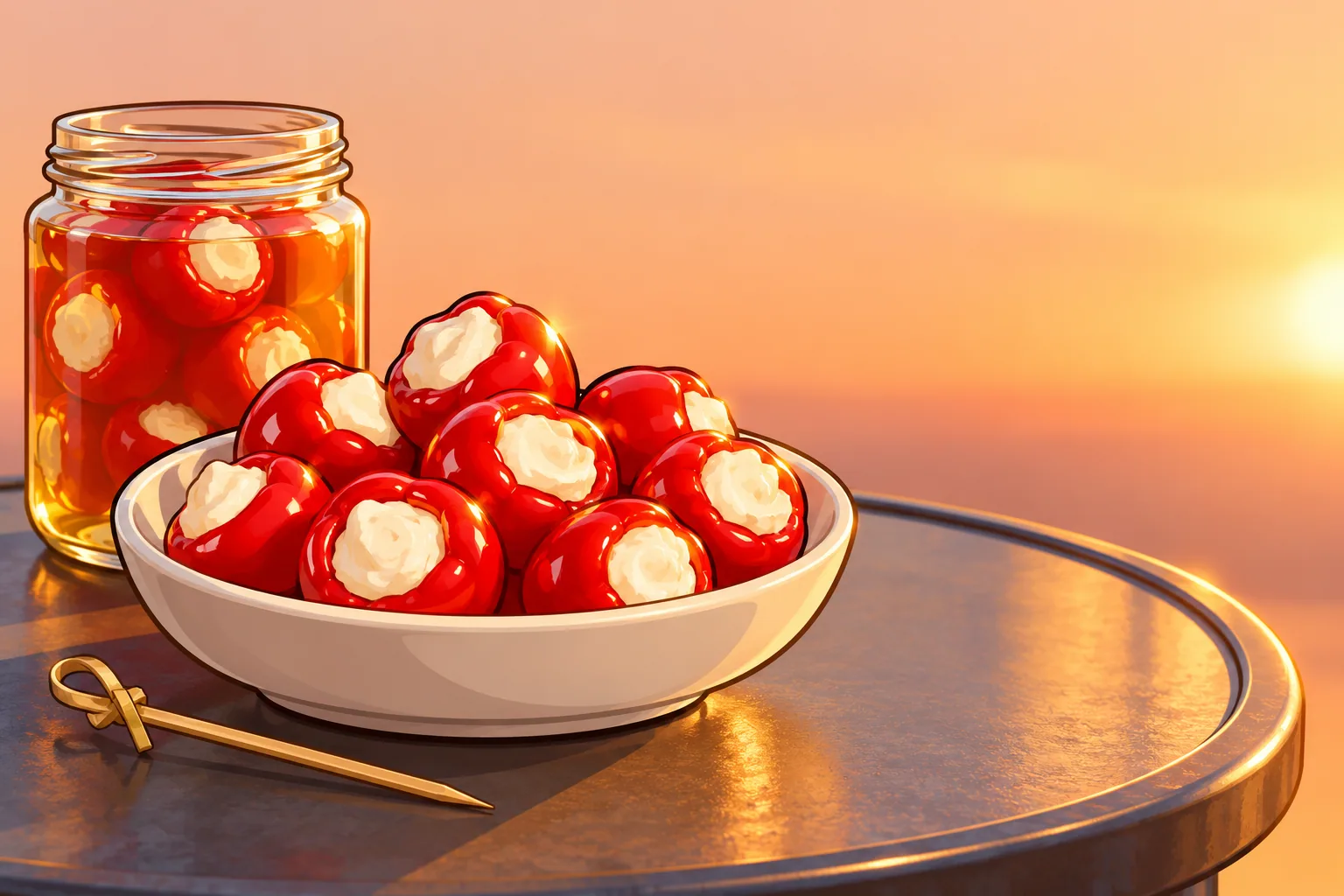
A jar of pickled sweet cherry peppers comes closest: round, red, grown for pickling and stuffing, with no heat1. Jarred pimentos come next. Neither is as sweet as a Peppadew, so plan to add sugar.
| Swap | Heat vs Peppadew | How much for 100 g Peppadews | Best for | Flavor note |
|---|---|---|---|---|
| Pickled sweet cherry peppers1 | A touch milder: no heat | 100 g, drained, then sweeten to taste | Stuffing with cheese | Sweet; grown for pickling and stuffing |
| Jarred pimentos2 | A touch milder: sweet, no heat given | 100 g, drained, plus about 16 g sugar3 | Salads and antipasti | Sweet, heart-shaped; 2.7 g sugar per 100 g |
| Jarred piquillo peppers4 | About as mild: 0.8 µg/g capsaicinoids in red flesh | 100 g, drained | Stuffing, tapas | Not described by the source |
| Roasted red bell pepper5 | Milder: 0 SHU6 | 100 g roasted, plus about 15 g sugar | Sandwiches, pasta, pizza | 4.2 g sugar per 100 g raw; flavor not described |
| Sweet mini peppers, raw2 | Milder: 0 SHU, a sweet bell type6 | 100 g, plus vinegar and about 15 g sugar | A quick fridge pickle, salads | Sweet; 1–2 inches long |
| Cubanelle6 | About as mild: about 1,000 SHU | 100 g, sliced | Pizza and pasta, where it cooks | Sweet, very mild flesh with a rich flavor |
| Pickled jalapeño slices7 | Hotter: 2,000–8,000 SHU fresh6 | 50 g to start, taste, then sweeten | When you want a real bite | Spicy but not overwhelming; 2.1 g sugar per 100 g |
Shape and sweetness matter more than heat here: a Peppadew is mild, so the job of a swap is to look like it on the plate and taste as sweet. The jalapeño row is for when you want the tang and a real bite, and it is the one swap where you use less.
Pickled sweet cherry peppers, the same shape
NMSU's sweet red cherry is round, red and grown for pickling and stuffing, with no heat1. That is exactly what you do with a Peppadew, so you swap by drained weight. Its brine is less sweet, so taste one and add sugar if your plate needs it.
Jarred pimentos, plus sugar
A canned pimento holds 2.7 g of sugar per 100 g3 against a Peppadew's 18.9 g8. So you add about 16 g, roughly 4 teaspoons, per 100 g of drained pimentos, an estimate. One whole pimento weighs about 66 g, so you cut it into strips before you stuff it.
Jarred piquillo peppers, for tapas
In a 2020 Spanish study, red piquillo flesh held only 0.8 µg/g of capsaicinoids4, so it is about as mild as a Peppadew. Use it gram for gram, drained, and stuff it the way you would at a tapas bar. No source we read gives its sugar, so taste before you sweeten.
Roasted red bell pepper, from your own oven
A raw red bell rates 0 SHU6 and holds 4.2 g of sugar per 100 g5. Roast it, then stir in about 15 g of sugar per 100 g to close the gap. It comes out soft and flat, so you fold it into sandwiches and pasta rather than stuffing it.
Sweet mini peppers, pickled fast
Kentucky lists mini sweet peppers at 1–2 inches long2, about the size of a Peppadew, and they carry no heat. Raw, they are crisp, not pickled, so you cover them in vinegar and sugar and give them a night in the fridge. The pickling steps further down show you a tested brine.
Cubanelle, when the pepper gets cooked
If you have no jar at all, a fresh Cubanelle works in cooked dishes. UF/IFAS describes sweet, very mild flesh with a rich flavor at about 1,000 SHU6. Slice it onto a pizza or into a pasta, where the oven softens it anyway.
Pickled jalapeño slices, for a bite
Pickled jalapeños bring the tang and real heat: 2,000–8,000 SHU fresh6 and only 2.1 g of sugar per 100 g7. Start with half the weight, taste, then sweeten. You trade the round pod for rings, so keep them for sandwiches and pizza.
Which Peppadew swap should you pick?
Your best pick depends on what the Peppadew does in your recipe. Start from the dish and follow the branch:
- Stuffed with cheeseShape matters most
- same shapePickled sweet cherry peppersRound, no heat; piquillos if you have themMild
- same shape
- Sliced into salad or antipastiSweetness matters most
- same sweetnessPimentos plus sugarAbout 16 g sugar per 100 g
- same sweetness
- On pizza or in pastaHeat from the oven
- mild and sweetCubanelle or roasted red pepperHalf the sugar is enoughMild
- mild and sweet
- You want a biteTang and heat
- less pepperPickled jalapeño slicesHalf the weight, then sweetenMedium
- less pepper
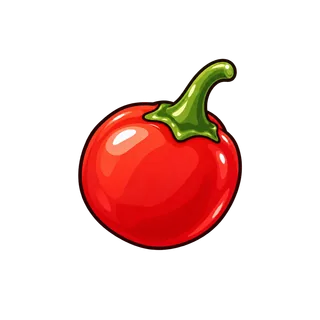
Bars show published heat ranges. Sources for this line1. New Mexico State University, Chile Pepper Institute (seed shop)3. USDA Agricultural Research Service, FoodData Central (SR Legacy)6. University of Florida IFAS Extension7. USDA Agricultural Research Service, FoodData Central (SR Legacy)8. PEPPADEW International (Pty) Ltd, maker's page for its own product
What is in a jar of Peppadew?
You are mostly buying brine and sugar around a small red pepper. The maker's own label for its mild whole peppers gives these figures per 100 g drained8:
The firm bite comes from calcium chloride, a firming agent, listed with citric and ascorbic acid as antioxidants8. The company started with one bright red pepper and runs its production in the hills of Limpopo, South Africa9. A swap without a firming agent will be a little softer, which matters most if you eat them straight from the jar.
The maker suggests three uses: an antipasti platter, salads or pastas, and eating them straight from the jar8. All 18.9 g of the carbohydrate on the label is sugar, so a swap has to bring sweetness from the brine, because a plain red pepper holds only about 4 g5.
Are sweet cherry peppers the same as Peppadews?
Nobody outside the company can say for sure, because the maker does not name its pepper's species or variety on its own pages89. What you can compare is how they look and behave.
A sweet cherry pepper fruit is round and red, grown for pickling and stuffing, with no heat1. That matches what you do with a Peppadew on the plate. The difference you will notice is the brine: the Peppadew label carries 18.9 g of sugar per 100 g8. So treat cherry peppers as the right shape and add the sweetness yourself.
How much sugar does each swap need?
Subtract your swap's sugar from the Peppadew's 18.9 g, per 100 g of drained pepper. USDA gives the sugar in each swap; the gap is what you add8.
| Swap | Sugar per 100 g | Gap to 18.9 g |
|---|---|---|
| Canned pimento38 | 2.7 g | About 16 g |
| Raw sweet red pepper58 | 4.2 g | About 15 g |
| Canned jalapeño78 | 2.1 g | About 17 g |
| Canned hot pickled peppers810 | 1.6 g | About 17 g |
USDA weighs a teaspoon of granulated sugar at 4.2 g11. So the 16 g gap for pimentos is about 4 teaspoons for every 100 g of drained pepper, which you can measure without a scale.
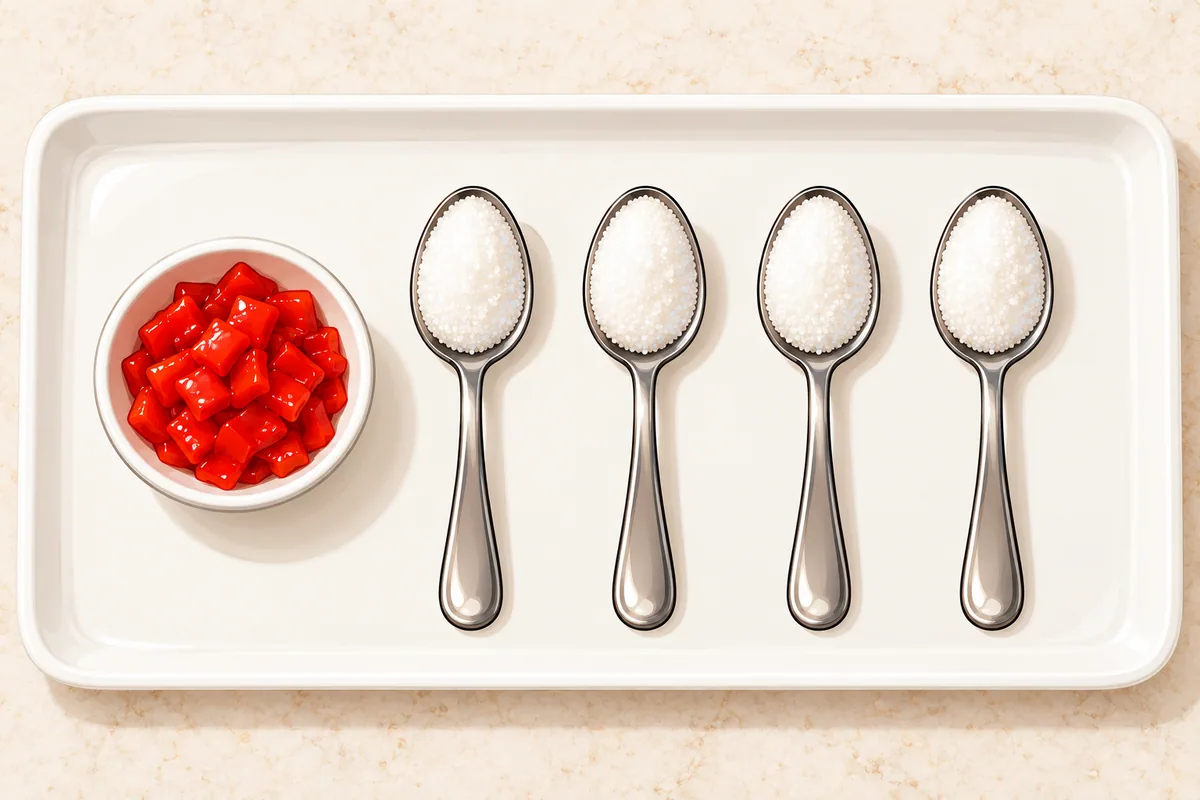
A worked example for one jar of pimentos
Say a recipe asks for 150 g of drained Peppadews and you have pimentos. One whole canned pimento weighs about 66 g3, so that is a bit over 2 pimentos. The sugar gap is (18.9 − 2.71) × 1.5 = about 24 g of sugar for the 150 g, or close to 6 teaspoons11.
To replace a whole 400 g jar, work from the label: pepper makes up 41 % of it, or about 164 g8. That is about 2½ whole canned pimentos at 66 g each, plus (18.9 − 2.71) × 1.64 ≈ 27 g of sugar, close to 6½ teaspoons311. Treat it as an estimate, since the label gives the share of the jar and not a drained weight.
That much sugar is a lot for your salad. If the peppers go onto a pizza or into a pasta, start with half and taste; the full amount is for eating them whole.
If you buy pimentos often, make the sweetening once and keep it. Dissolve 40 g of sugar, about 10 teaspoons, in a little of your pimento liquid, and you have the sugar for 250 g of drained pimentos ready in the fridge: 250 × 16 ÷ 100 = 40 g311.
How do you sweeten a jar of pimentos?
Pickling fresh sweet peppers from scratch
If you grow or buy fresh sweet peppers, you can make your own sweet pickle. The National Center for Home Food Preservation publishes a tested recipe for pickled bell peppers with a brine of 3½ cups sugar, 3 cups of 5 % white vinegar and 3 cups of water for 7 lb of peppers12:
- 1
Prepare the peppers
Wash 7 lb of firm peppers, quarter them, remove the cores and seeds, and slice them into strips.12
- 2
Boil the brine
Boil 3½ cups sugar, 3 cups 5 % vinegar and 3 cups water together for one minute.12
- 3
Heat the peppers in it
Add the strips and bring the pot back to a boil.12
- 4
Fill the jars
Put half a garlic clove and 1/4 teaspoon pickling salt in each half-pint jar, pack the strips, and cover with hot brine, leaving 1/2 inch of headspace.12
- 5
Process
Process half-pints or pints for 5 minutes in a boiling-water canner up to 1,000 ft, 10 minutes up to 6,000 ft and 15 minutes above that. The recipe makes about 9 pints.12
At USDA's 200 g per cup of sugar11, that brine holds 700 g of sugar for about 3,175 g of peppers, or 22 g per 100 g of pepper in the pot. That is close to a Peppadew's 18.9 g8, though not all of the sugar ends up in the pepper. The tested recipe covers strips; if you pickle whole small peppers, keep that jar in the fridge and do not treat it as shelf-stable.
Can you use roasted red peppers?
Yes, for cooked dishes and sandwiches, as long as you add the sugar and accept a softer, flatter pepper. The maker itself sells a jar of roasted red peppers beside its Peppadews13, which tells you the two sit on the same shelf, though they do different jobs.
USDA has no record for roasted red peppers, so you work from the raw one. A medium red bell pepper weighs about 119 g and a large one 164 g, with 4.2 g of sugar per 100 g5. If your recipe asks for 150 g of Peppadews, roast about 1¼ medium peppers and stir in (18.9 − 4.2) × 1.5 = about 22 g of sugar, roughly 5 teaspoons11.
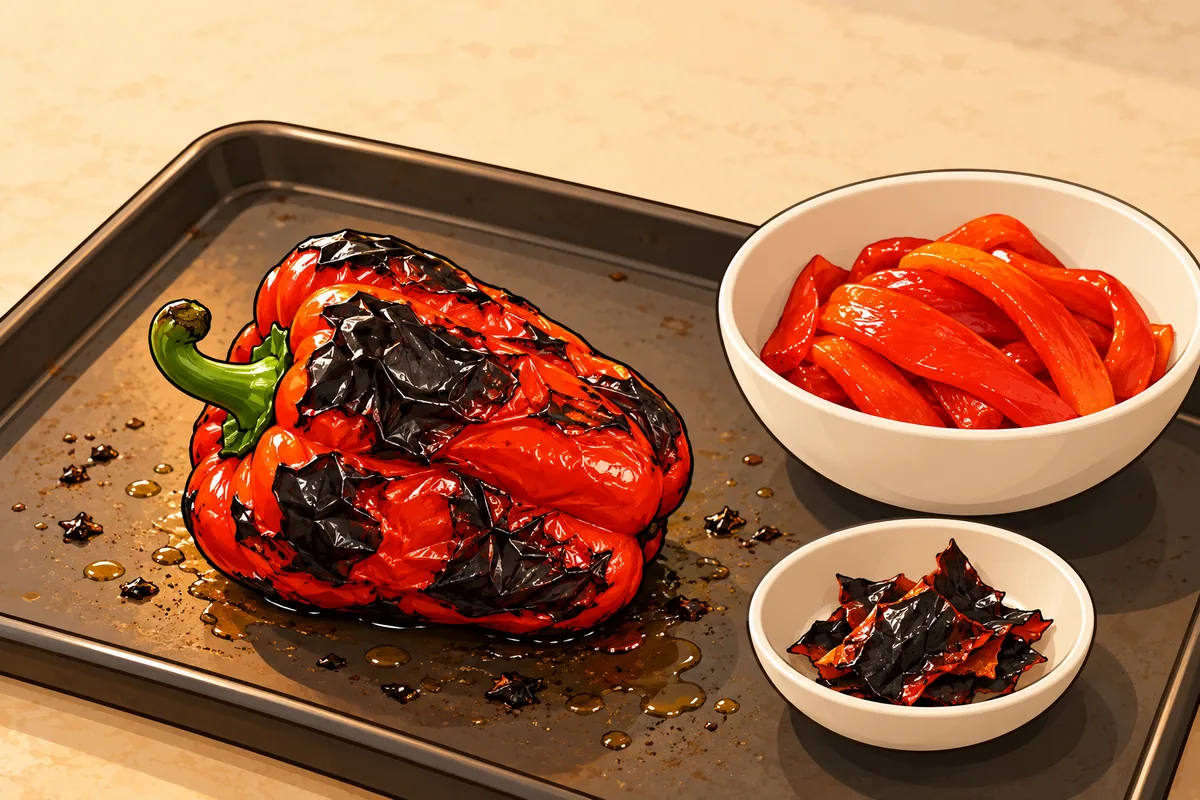
Roasting also changes how long your peppers keep. Put roasted peppers in the fridge within two hours, in a covered container, and eat them within 2–3 days or freeze them14. A jar of Peppadews keeps its firm bite thanks to calcium chloride8; your roasted swap will not, so slice it into strips and fold it into the dish instead of stuffing it.
Is a Peppadew hot?
Barely. The maker sells its whole peppers as mild, with a mild heat under the sweet and tangy taste8, and prints no Scoville figure on its own pages, so we print none either.
The same company sells two other sweet jars that help you pick a heat level, both with its signature sweet and tangy brine1516:
GOLDEW whole peppers
Sweet jalapeño hot slices
If your guests want no heat at all, the golden jar is the safer pick. If you want a bite, the sweet jalapeño slices bring it with less sugar than the original.
What goes wrong with a Peppadew swap?
Most problems you will run into show up in texture and sweetness, and each one has a quick fix you can make in minutes:
- The swap turns soft. Your jar has no calcium chloride, the firming agent in a Peppadew8. Serve soft peppers sliced or cooked, and keep the firm ones for eating whole.
- Too sweet on a pizza. The full sugar gap is for eating them cold. Use half, about 2 teaspoons per 100 g of pimentos11.
- Too sour. Stir in another teaspoon of sugar, 4.2 g, per 100 g of pepper and give the jar a few hours in the fridge11.
- Pimentos too big to stuff. One whole pimento weighs about 66 g3, and the maker calls its own peppers bite sized8. Cut it into strips and roll the cheese inside.
- Cheese slides out. The pepper was wet. Drain it and pat it dry with a paper towel first.
Before you fill the antipasto plate
Drain any swap well and pat it dry before you stuff it, so the cheese stays put. If it was a cherry pepper you were after in the first place, the cherry pepper swaps cover the hot types too.
The piquillo swaps handle the Spanish jar, and the swap chart covers every other pepper you cannot find. Sweeten your jar the night before, and your plate tastes of Peppadew by the time guests arrive.