
Cubanelle Pepper Scoville, About 1,000 SHU
A long, thin-walled sweet pepper made for the frying pan.
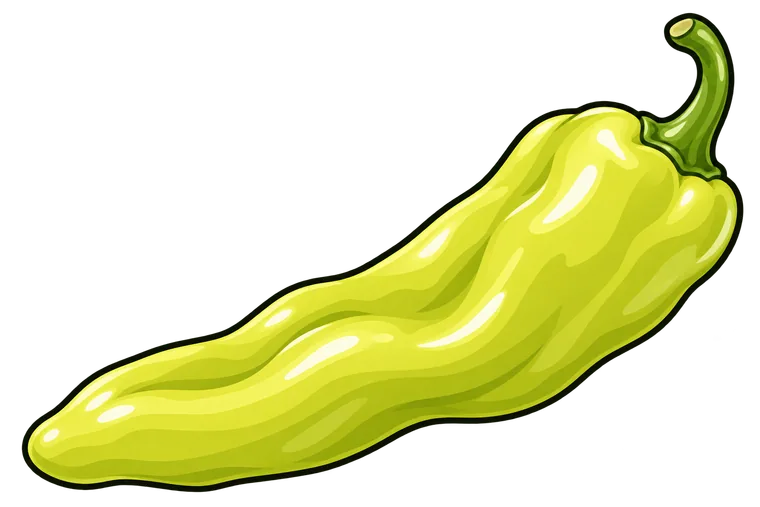 Mild
About 1,000 SHU
- Mild: about a fifth of an average jalapeño's heat
- Ripens 70–85 days from transplanting, like most sweet types
On this page
- 1How hot is a cubanelle?
- 2What is a cubanelle pepper?
- 3How do you tell a cubanelle from the look-alikes?
- 4What does a cubanelle taste like?
- 5How do you cook a cubanelle?
- 6Should you buy green or red cubanelles?
- 7Is a cubanelle the same as a banana pepper?
- 8What goes wrong with cubanelles?
- 9How do you store cubanelles?
- 10Can you grow cubanelles?
- 11Which pepper does a cubanelle's job in the pan, the stuffing or the jar?
How hot is a cubanelle?
A cubanelle rates about 1,000 Scoville heat units, the single figure UF/IFAS gives for it in both of its pepper lists13. That puts it in the mild band, one small step above a bell pepper at zero.
Put that beside the jalapeño UF/IFAS describes, which averages about 5,000 SHU and runs from 2,000 to 8,0001. Your cubanelle carries about a fifth of an average jalapeño's heat, and an eighth of a hot one. UF/IFAS still files it as a sweet pepper, which tells you how little of that 1,000 SHU you notice.
In a plate of fried peppers, most people taste no burn at all. If a pod you bought as a cubanelle makes your lips tingle, you probably have a different pepper, and the look-alike section below shows the usual suspect.
What is a cubanelle pepper?
A sweet pepper of the species Capsicum annuum, also sold as the Cuban pepper1. The UC Master Gardeners of Ventura County list it among the sweet types and add a third name you'll see on seed racks: Italian frying pepper4.
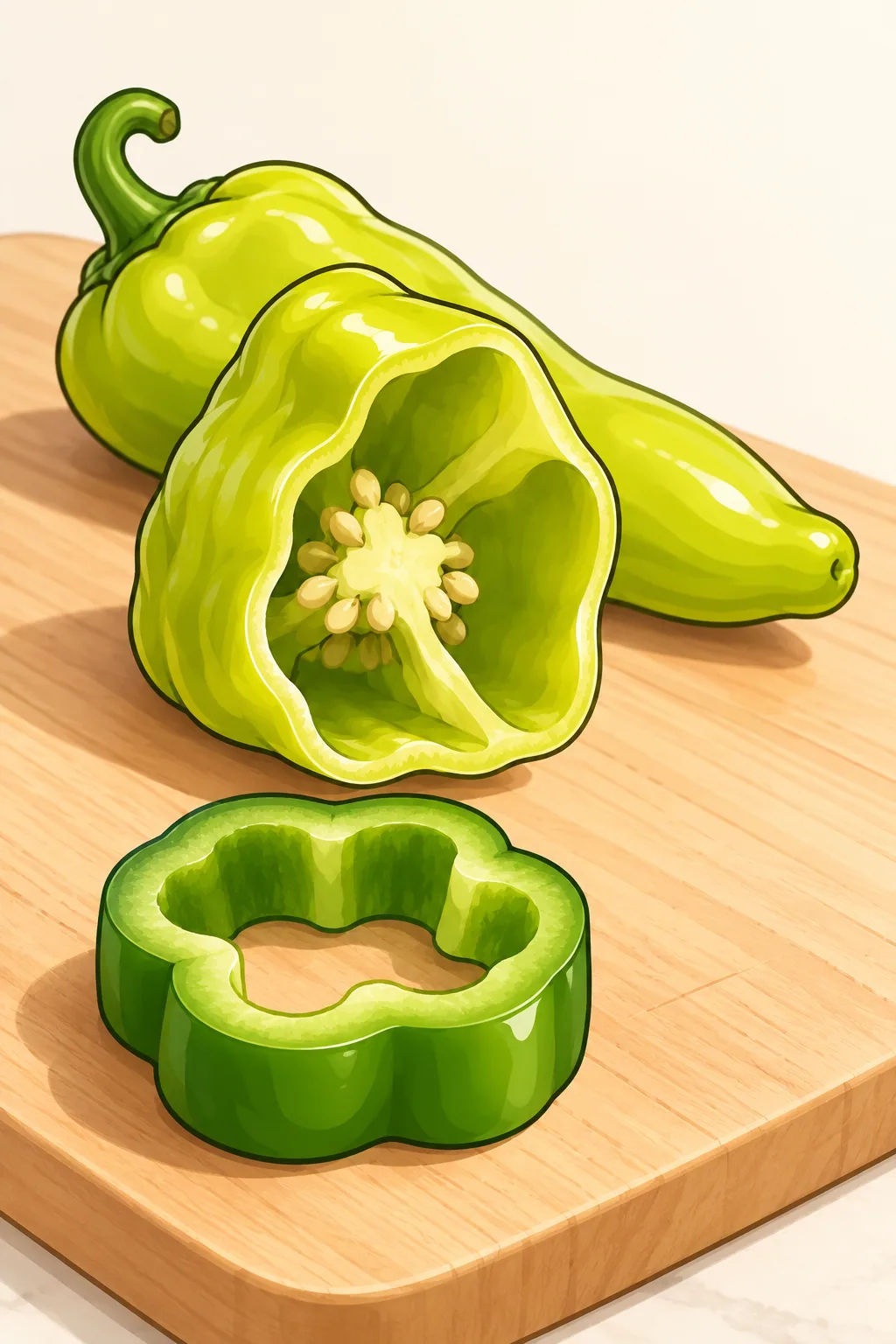
UF/IFAS describes the pod as longer than a bell, with thinner flesh and a slightly wrinkled look. Young fruit is light yellowish-green and turns bright red as it ripens, and some pods grow curled or twisted1. Picture a bell pepper stretched to the length of your hand, with a blunt tip and walls you can bend.
| Pepper | How it looks | Heat |
|---|---|---|
| Cubanelle1 | Long, thin-fleshed, slightly wrinkled; light yellow-green to red | about 1,000 SHU |
| Banana pepper14 | Smooth, waxy skin, crisp thick flesh | 0–500 SHU |
| Hungarian wax1 | Yellow, wax-like rind | 5,000–10,000 SHU |
| Anaheim1 | Long green chile, red when ripe | usually about 1,000 SHU, some up to 5,000 |
| Bell pepper1 | Blocky, thick walls | 0 SHU |
Farms grow named cubanelle cultivars, and if you grow your own, the Florida vegetable handbook lists four that you may find on a seed order form5:
- Aruba: an early, upright plant with elongated fruit of three to four lobes that ripens from pale lime green to bright red.
- Bimini: heavy, thick-walled fruit that sets well in both fall and spring.
- Granada: a leafy canopy that shades the fruit from sunscald, with heavy yields in the Southeast.
- Key West: long, lime-green fruit that matures to red.
Notice that two of those commercial lines sell on thick walls, while the classic cubanelle has thin flesh. If you want the soft, quick-frying pod, the older open-pollinated "Cubanelle" seed is the one to look for.
How do you tell a cubanelle from the look-alikes?
Three checks sort a bin of pale, long peppers in about ten seconds: the skin, the wall and the shape. The one that matters most is the Hungarian wax, which looks a lot like a pale cubanelle and at 5,000 to 10,000 SHU can be up to ten times hotter1.
- Is the skin glossy and waxy, the wall stiff?Press the side with your thumb
- yesDoes a tiny bite from the tip taste hot?Wait a few seconds before you decide
- yesHungarian waxWaxy yellow rind, 5,000–10,000 SHU
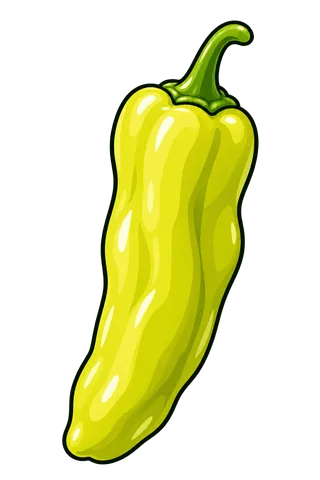
- noBanana pepperWaxy, thick and crisp, 0–500 SHU, often pickled
- yes
- noIs the skin a little wrinkled, the wall thin and bendy?Lobes and curls are normal
- yesCubanelleThin flesh, about 1,000 SHU, made for fryingMild
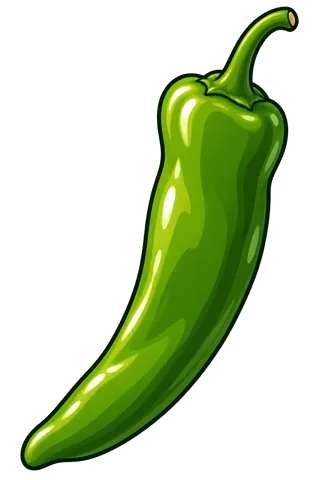
- no, darker and narrowAnaheimDarker green, narrow, about 1,000 SHU, some to 5,000Medium
- yes
- yes
Bars show published heat ranges. Sources for this line1. University of Florida IFAS Extension3. UF/IFAS Gardening Solutions4. University of California Agriculture and Natural Resources, UC Master Gardeners of Ventura County
When you still can't tell, cut a thin slice from the tip and taste it. A cubanelle tastes like a bell pepper; a Hungarian wax bites back within a few seconds.
What does a cubanelle taste like?
UF/IFAS calls the flesh sweet and very mild with a rich flavor1, and the UC Master Gardeners describe it simply as a mild, sweet type4. On your tongue that reads as a bell pepper flavor in a pod with a much thinner wall.
The color changes the taste. A yellow-green pod tastes fresher and a little grassy, the way a green bell does; a red one, left on the plant until it ripens, tastes sweeter and cooks down softer.
- Sweet
- Rich
- Mild
How do you cook a cubanelle?
Fry it. UF/IFAS singles out its flesh and color for frying and cooking1, and the thin wall is the reason: it softens and blisters in a few minutes, while a thick-walled bell needs much longer in your pan.
- 1
Pick pods that are still yellow-green
Young fruit is light yellowish-green and turns bright red as it ripens; both fry well, the red one a little softer.1
- 2
Leave them whole or cut them into long strips
Whole pods hold their shape; strips cook faster and suit a pan of onions.
- 3
Fry in a little oil over medium-high heat
Turn them until the skin blisters and the walls go soft. Thin walls mean a few minutes, not a long braise.
- 4
Salt at the end
Serve them hot as a side, or fold them into eggs, sandwiches or rice.
UF/IFAS notes that cooks in Cuba, the Dominican Republic and Puerto Rico use the cubanelle widely1, which makes it one of the few sweet peppers with its own place in Caribbean cooking. Its third name points to a different kitchen, and the Italian peppers hub covers that side.
Using cubanelles in sofrito
In Puerto Rican kitchens the cubanelle often goes into sofrito, the green paste that starts rice and beans, stews and soups. The University of Illinois Chicago Heritage Garden recipe below lets you use cubanelles or green bells, and you spread about a tablespoon in the pan before the rest of the dish goes in6.
| Ingredient | Amount | What it does |
|---|---|---|
| Cubanelle or green bell pepper, seeded | 2 medium | Sweet green body of the paste |
| Onion, peeled | 2 medium | Sweetness and bulk |
| Garlic, peeled | 1 head | The sharp edge |
| Culantro (or cilantro or recao) | 1 bunch | Herb flavor |
| Ají dulce | 6 small | Sweet chile aroma with almost no heat |
Blend it all to a paste in your food processor. A cubanelle gives you a softer, sweeter sofrito than a green bell, which tastes sharper.
Should you buy green or red cubanelles?
Buy green when you fry or blend, red when you want sweetness. Both come off the same plant; the red one has simply stayed on longer12.
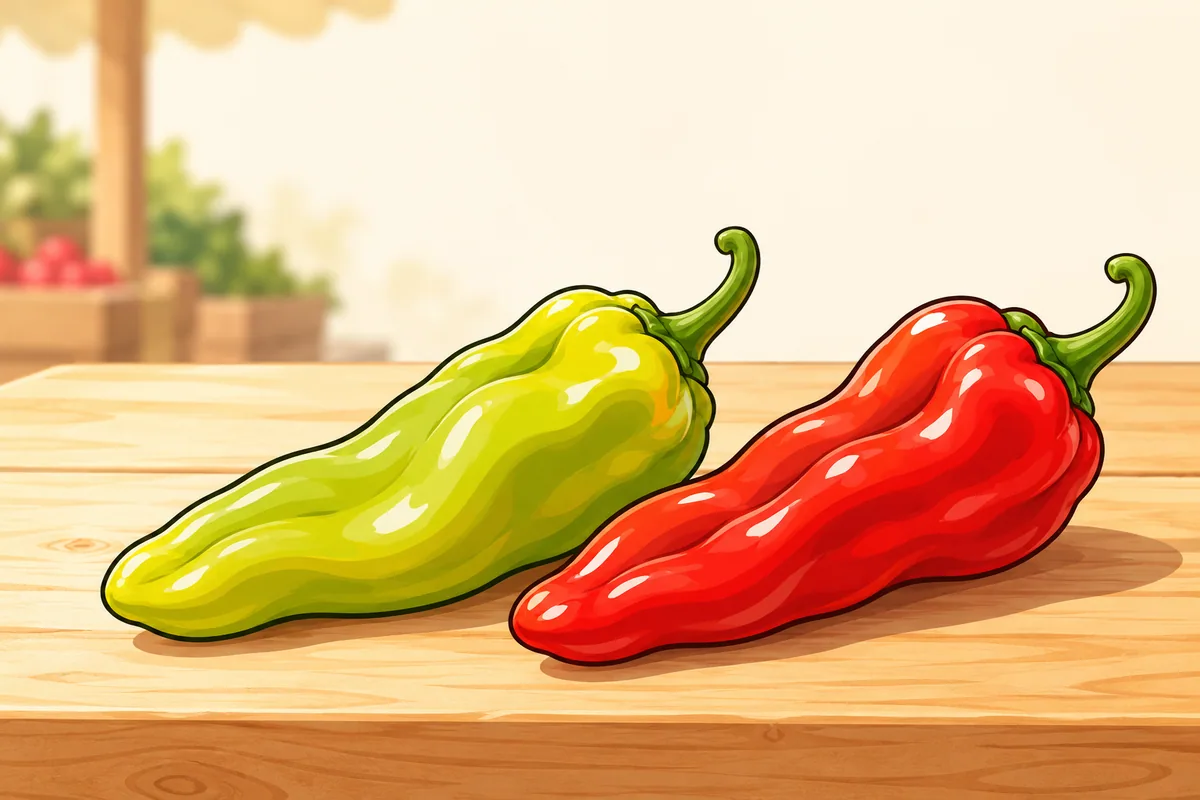
Yellow-green cubanelle
Red cubanelle
Most stores sell them green. If you want red ones, your best chance is a farmers market late in the season, or your own plants.
Is a cubanelle the same as a banana pepper?
No. Both are long and pale, but the banana pepper has crisp, thick flesh and a smooth waxy skin, and cooks often pickle it4. The cubanelle's thin, wrinkled wall makes it the one for your pan.
In heat they sit close: a banana pepper runs 0 to 500 SHU against about 1,000 for a cubanelle1. You can swap one for the other in a raw salad, but a banana pepper stays crunchy in the pan long after a cubanelle has gone soft.
What goes wrong with cubanelles?
Most trouble you run into comes from a wrong pepper in your bag or a crowded pan, not from the cubanelle itself.
Problems and their fixes
- A pod tastes hot: you likely picked up a Hungarian wax (5,000–10,000 SHU) from the next bin. Check for a waxy rind and taste the tip before you cook the batch.1
- The peppers steam instead of blistering: the pan is too full. Fry in one layer with space between pods, and do two batches if you need to.
- Soft, pitted patches after a week in the fridge: chilling injury. Purdue warns that temperatures below 45°F can cause it, and green pods suffer more than colored ones.7
- Twisted or curled pods: normal for the type. UF/IFAS notes that in the Miami-Dade climate cubanelles often grow in imperfect shapes, so cut them into strips and cook them the same way.1
How do you store cubanelles?
Keep them cool, not cold. Purdue's storage table puts peppers at 45 to 55°F with 90 to 95 % humidity7, which is warmer than most fridge shelves.
Thin walls lose water faster than a bell's thick ones, so you have less time. Once your cubanelles wrinkle deeply and turn limp, they still fry well, but they have passed the point for a raw salad.
Can you grow cubanelles?
Yes, on the same schedule as other sweet peppers. University of Maryland Extension puts most sweet and hot types at 70 to 85 days from transplanting, and lists Italian frying peppers among the sweet varieties2.
You can pick at any color stage. Maryland Extension says peppers can come off green or ripen on the plant2; with a cubanelle that means yellow-green for frying or red for a sweeter, softer pod. For a hot garden, a cultivar with good leaf cover such as Granada helps you avoid sunscald on the fruit5.
Which pepper does a cubanelle's job in the pan, the stuffing or the jar?
Pick the swap by the job the cubanelle does in your dish. Amounts and a few more options are in the cubanelle swap list.
- For frying or a pan of peppers and onions: an Anaheim, usually about 1,000 SHU, with the same long, skinny shape1.
- For stuffing or a fuller body: a poblano at 1,000 to 2,000 SHU, with thicker walls and a rich flavor1.
- For no heat at all, raw or pickled: a banana pepper at 0 to 500 SHU, which keeps its crunch1.
- For sofrito: a green bell pepper, the swap the UIC recipe itself offers, a little sharper in taste6.
Related peppers
Related in Peppers
-
Jalapeño Scoville, 2,000–8,000 SHU and Chipotle
The medium-heat chile most heat comparisons start from.6 min read -
Gypsy Pepper, the 1981 AAS Sweet Pepper Ready in 55–65 Days
An early, heavy-cropping sweet pepper with thin-walled, wedge-shaped fruit that ripens from pale yellow to red.6 min read -
Hatch Chile Heat, 300–9,000 SHU Across NuMex Types
The long green chile of southern New Mexico, named after the town where it first grew for market.6 min read -
Peppadew Pepper Heat, Under 650 SHU in a Sweet Brine
The small round red pepper from South Africa, hand-cored, pickled sweet and sold under one trademark.6 min read -
Cayenne Pepper Scoville, 25,000–50,000 SHU
The long red chile behind most ground red pepper and a lot of vinegar hot sauce.6 min read -
Ñora Pepper, Sweet Pimentón Pod Under 480 SHU
The small round sweet pepper behind Murcia's pimentón.5 min read
Sources
· 7
- 1University of Florida IFAS Extension HS-859/TR010: Pepper Production in Miami-Dade County, Florida
- 2University of Maryland Extension Growing Peppers in a Home Garden
- 3UF/IFAS Gardening Solutions Peppers by Scoville Units
- 4University of California Agriculture and Natural Resources, UC Master Gardeners of Ventura County Ventura Garden to Table Series: Peppers
- 5University of Florida IFAS Extension HS732/CV130: Chapter 13. Pepper Production (Vegetable Production Handbook of Florida)
- 6University of Illinois Chicago, UIC Heritage Garden Puerto Rican Sofrito
- 7Purdue University, Vegetable Crops Hotline (Issue 632) Optimal Storage Conditions for Vegetables (Wenjing Guan)