On this page
- 1Which red chilies can you use when the Fresnos run out?
- 2How do you tell a Fresno from a red jalapeño?
- 3How hot is a Fresno, by the numbers we have?
- 4What can you use for Fresno chili jam?
- 5Can you use green Fresnos or green jalapeños instead?
- 6Will a Fresno swap work in a bottled hot sauce?
- 7When does Fresno's smoky note matter, and how do you add it back?
- 8Which swaps go wrong in a Fresno recipe?
- 9Roast or pickle the swap like a Fresno
- 10Sources
Which red chilies can you use when the Fresnos run out?
A red jalapeño first, weighed one for one. NMSU's Chile Pepper Institute describes the Fresno as a Capsicum annuum that looks like a jalapeño and ripens from green to red, with thinner walls and a milder heat1. Past the jalapeño, every swap changes your heat or your color a little, and the grams below tell you how much.
| Swap | Heat (SHU) | Grams for 30 g Fresno | Best for | Flavor note |
|---|---|---|---|---|
| Red jalapeño2 | 2,000–8,000 | 30 g, about 2 pods | Salsa, pickles, hot sauce | Vibrant, grassy3 |
| Red Hungarian wax2 | 5,000–10,000 | 20 g, under 1 pod | Roasting, pickling | Sweet and tangy, moderate heat3 |
| Red serrano2 | 10,000–25,000 | 9 g, about 1½ pods | Fresh salsa, stir-fries | Bright, biting, a hint of sweetness3 |
| Red bell plus one red jalapeño2 | 0 plus 2,000–8,000 | 16 g bell + 14 g jalapeño | Jam, glazes, mild dishes | Sweet and fruity, gentle heat |
| Fresh red cayenne2 | 25,000–50,000 | 4 g, plus 26 g red bell for body | Hot sauce, cooked sauces | Strong, pungent3 |
| Red bell plus smoked paprika4 | Under 500 for paprika types | 30 g bell + a pinch of smoked paprika | Color and smoke with no heat | Sweet with a smoky edge |
A red jalapeño covers nearly everything a Fresno does; what you lose is a slightly fruitier, thinner-walled pod. For most of your recipes, nobody at the table can tell.
Red jalapeño, the look-alike
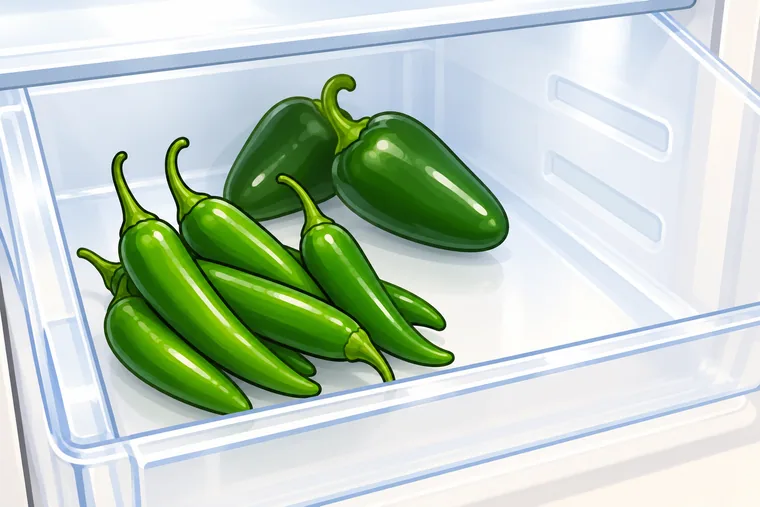
UF/IFAS describes jalapeños as green turning red, about 2 to 3 inches long, at 2,000–8,000 SHU2. That is the Fresno's size and color path. USDA weighs a jalapeño at 14 g5, so 30 g of Fresno is about two red jalapeños. If you find only green ones, they work for heat; your dish just comes out green.
Red Hungarian wax, a bigger, tangier pod
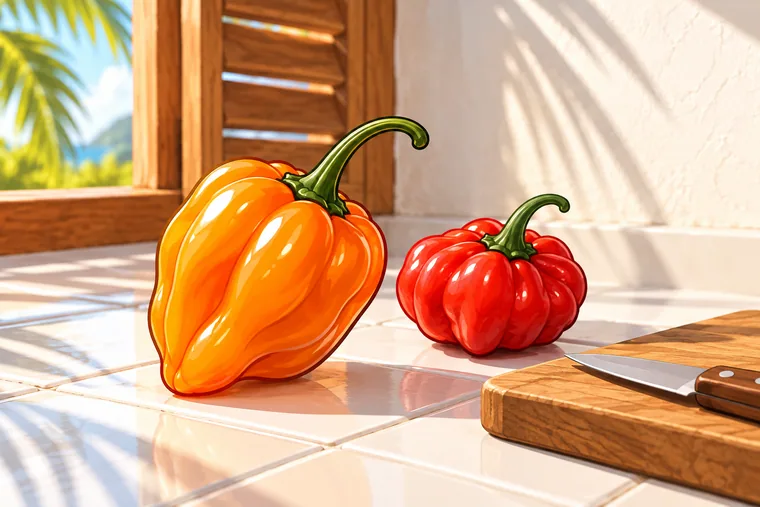
The Hungarian wax runs 5,000–10,000 SHU and ripens from yellow through orange to red2. The UC Master Gardeners call its flavor sweet and tangy with moderate heat3. USDA weighs one at 27 g6, so a single red pod covers most of your 30 g of Fresno.
Red serrano, for more bite in less pepper
A serrano carries 10,000–25,000 SHU2, about three and a half times a jalapeño by the midpoints. Use about 9 g, or one and a half pods at USDA's 6.1 g each7. Red serranos are harder to find than green, but they keep the color you want in a red salsa.
Red bell with one red jalapeño, for body and color
Sweet red bell pepper brings the red and the fruit with no heat at all2. Pair about 16 g of it with one 14 g red jalapeño and you replace 30 g of Fresno with the same weight, about half the heat and a lot of color. This is the swap to use when the Fresno is there to look good.
Fresh red cayenne, sharp and hot
A fresh cayenne runs 25,000–50,000 SHU2, so a little goes a long way. Mince 4 g into your sauce and make up the weight with red bell. You get the color and enough heat, with a sharper, more pungent edge than a Fresno.
Red bell with smoked paprika, for color and smoke
NMSU says a red Fresno has a smokier flavor than a jalapeño1. If you want that note with no heat, roast a red bell and add a pinch of smoked paprika, whose sweet types stay under 500 SHU4. Kids get the color; you can pass the hot sauce.
How do you tell a Fresno from a red jalapeño?
Look at the shoulder, then cut one open. The two look alike on the outside, but NMSU points to one clear difference: a Fresno has thinner walls1.
Fresno
- Species
- Capsicum annuum
- Length
- About 3 inches
- Walls
- Thinner than a jalapeño's
- Heat, in NMSU's words
- Medium, milder than a jalapeño
- Red flavor
- More complex, fruity and smoky
Red jalapeño
- Species
- Capsicum annuum
- Length
- About 2–3 inches
- Walls
- Thicker, fleshier
- Heat
- 2,000–8,000 SHU, about 5,000 on average
- Flavor
- Vibrant and grassy
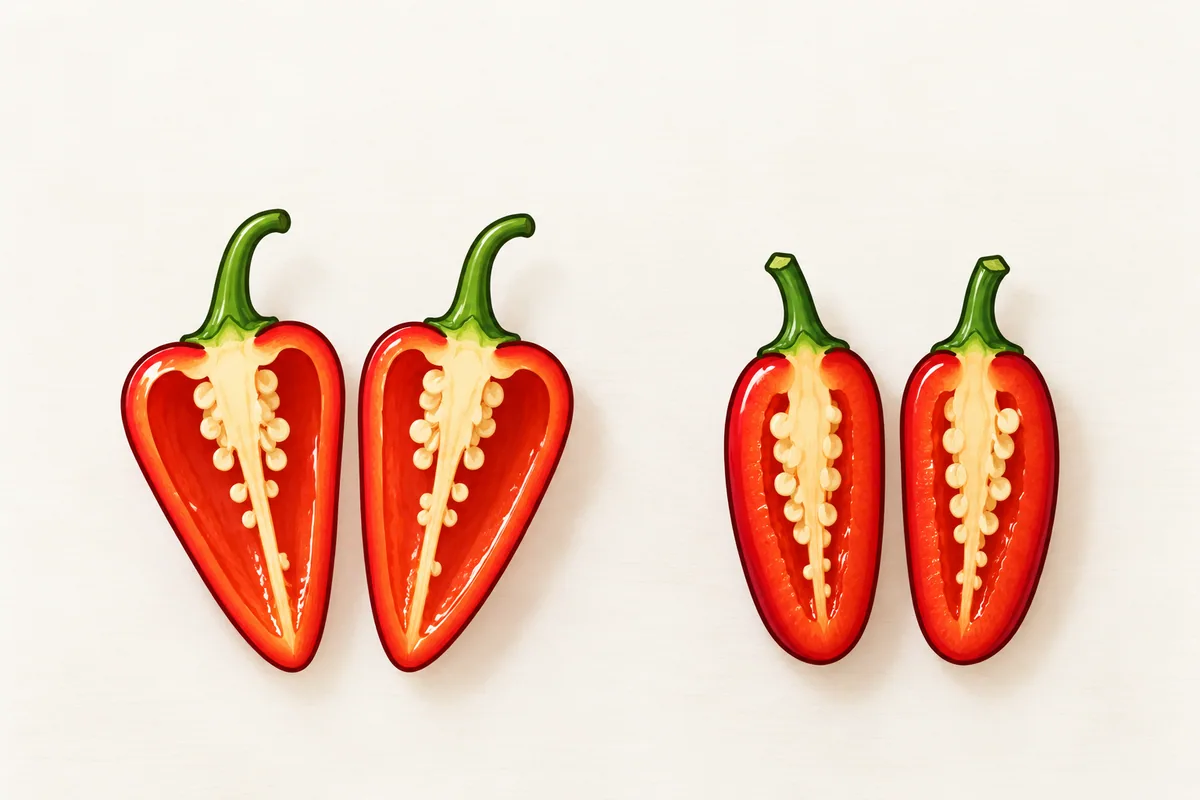
The shoulder helps before you cut. A Fresno tends to look broad near the stem and tapers to a point, while a jalapeño stays rounder at the tip. Labels in shops mix them up often, so if you need one or the other for a recipe, slice one pod at the counter and look at the wall.
How hot is a Fresno, by the numbers we have?
Medium, says NMSU1, and that is the only extension word we found. One peer-reviewed field trial measured it. Researchers at Colorado State grew 18 cultivars in Rocky Ford and tested raw pods green and ripe8.
Those figures are per gram of freeze-dried pod, and the paper converts capsaicinoids to SHU by multiplying by 16.18. On that basis a red Fresno works out near 17,600 SHU, our arithmetic. That number is on a dry basis and cannot sit beside fresh-pod ranges, so the useful part is the comparison inside the trial: a red Fresno carried about a sixth of the habanero's capsaicin, and a little less than the green Fresno.
So for your cooking, plan on jalapeño-class heat and taste before you add the last pod. One trial on one Colorado farm cannot tell you how hot the Fresnos in your shop are this week. Red ones run a touch milder than green in that trial, the opposite of what many cooks expect.
What can you use for Fresno chili jam?
Red bell pepper for the body, and one hot red pepper for the heat. A pepper jam is mostly sweet pepper and sugar, so the Fresno's job is color and a gentle kick.
| Heat you want | Red bell | Red jalapeño | Count |
|---|---|---|---|
| Mild | 472 g | 28 g | About 6½ small bells + 2 jalapeños |
| Medium | 430 g | 70 g | About 6 small bells + 5 jalapeños |
| Hot | 300 g | 200 g | About 4 small bells + 14 jalapeños |
Keep the rest of your jam recipe the same: sugar, vinegar and pectin are set by the total pepper weight, and you have not changed it. If your jam is a tested canning recipe, swap only the peppers, not the sugar or acid.
Can you use green Fresnos or green jalapeños instead?
Yes, when color does not matter. A Fresno ripens from green to red1, so a green one is the same pepper picked early, and in the Colorado trial the green pods held a little more capsaicin than the red ones: 848 against 735 µg/g8. Your green swap may run slightly hotter, not milder.
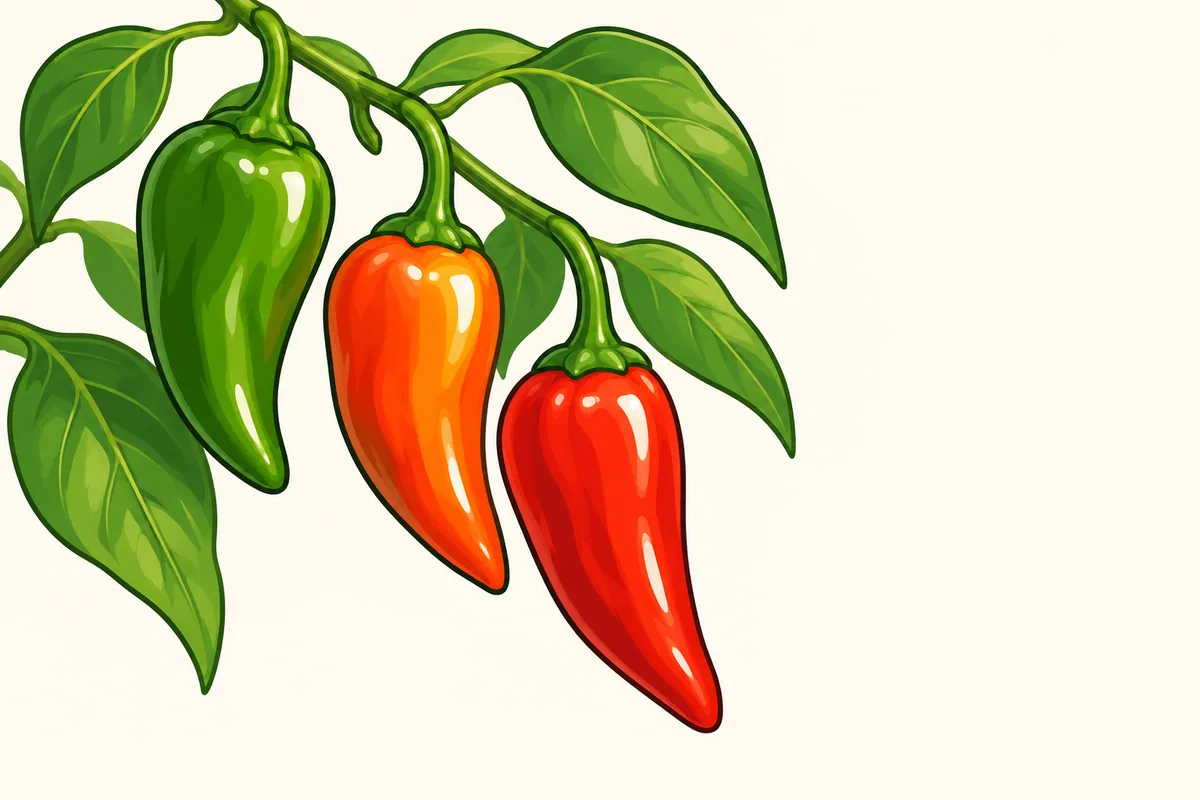
What changes is the taste and the look. NMSU ties the Fresno's fruity, smoky flavor to its mature red form1, so green pods taste sharper and grassier, closer to the vibrant, grassy jalapeño the UC Master Gardeners describe3. Use green ones in a salsa verde, a stir-fry or a pickle jar, and keep red for anything you want to see as red.
Will a Fresno swap work in a bottled hot sauce?
It will, and this is where the swap matters least. NMSU lists hot sauce among the Fresno's main uses1, and a blended sauce hides the wall thickness and shape that set the two pods apart.
Weigh your red jalapeños one for one against the Fresnos in your sauce recipe and change nothing else, so the vinegar and salt stay where the recipe set them. If you want the sauce brighter red, swap about a quarter of the jalapeño weight for red bell, and add a sliver of cayenne to win back the heat you lost. Thicker jalapeño flesh also makes a slightly thicker sauce, so you may want a spoon more vinegar or water to get the same pour.
When does Fresno's smoky note matter, and how do you add it back?
In a few dishes only. NMSU calls a ripe Fresno's flavor more complex, fruity and smoky than a jalapeño's1. In a hot sauce or a bowl of salsa you may notice; in a stir-fry or a pickle jar you will not.
Smoke is easy to add back with a smoke-dried pepper. NMSU defines chipotle as a smoke-dried red jalapeño10, which makes a pinch of chipotle powder a natural partner for your red jalapeño swap.
Which swaps go wrong in a Fresno recipe?
The ones that change color or heat more than you planned. These four come up most.
Fresno swaps to skip or adjust
- Green jalapeños in a red sauce: the heat matches, but the sauce turns brown-green
- Red serranos one for one: about three and a half times a jalapeño's heat lands in the same weight
- Fresh cayenne one for one: 25,000–50,000 SHU, so cut it to a sliver and fill with red bell
- Red bell alone in a hot sauce: zero SHU, so the sauce loses its point
Roast or pickle the swap like a Fresno
NMSU lists Fresnos for salsas, pickling, roasting, stir-fries and hot sauces1, and every swap above handles the same jobs. Thicker jalapeño walls just need a minute or two longer under the broiler.
- 1
- 2
Cut to the same size
Slice jalapeños into thin rings so they pickle or roast like thinner Fresno walls.
- 3
Roast under a hot broiler
Turn the pods until the skin blisters all over, then cover them for a few minutes to steam.
- 4
Peel or pack
Peel roasted pods for salsa, or pack raw rings into your pickling jar.
- 5
Taste and adjust
Add a pinch of smoked paprika if you miss the Fresno's smoky note.
Next, pick up two red jalapeños for every 30 g of Fresno your recipe needs and slice one to check its walls. If you are making a bottled hot sauce, the cayenne swaps help with the dried pods, and the serrano swaps cover the hotter end.