
Habanero vs Cayenne Pepper, About 6× Hotter
Two different species, and a gap between their ranges.
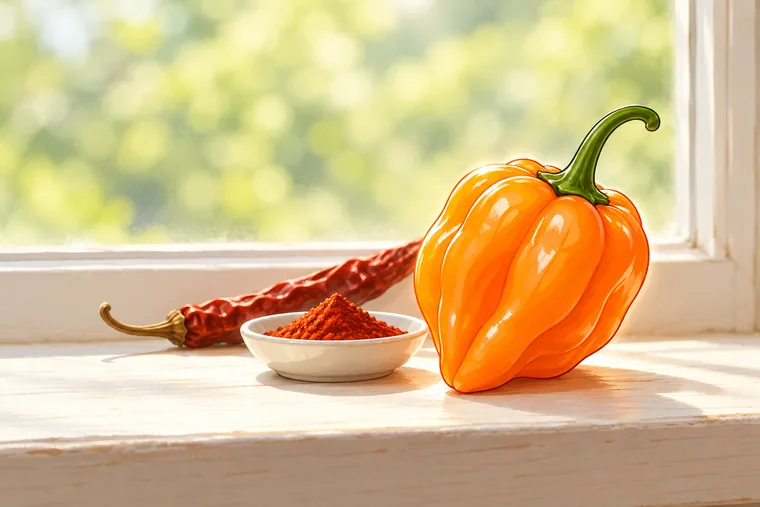
The habanero is hotter, about 6 times a cayenne by midpoint, and the two ranges never meet.
- Habanero 100,000–350,000 SHU; cayenne 25,000–50,000 SHU
- Cayenne is usually dried into powder or flakes; habanero goes into hot sauces
- Habanero needs 90–120 days from transplanting, cayenne 70–85
Log scale; bars are published ranges.1
On this page
- 1Is cayenne hotter than habanero?
- 2Does Texas AgriLife agree on the six-to-one gap?
- 3Why do some cayennes run milder than the range?
- 4How do you tell a fresh cayenne from a habanero?
- 5What sits in the gap between them?
- 6How are cayenne and habanero used?
- 7Why does a habanero need a longer summer than a cayenne?
- 8Can you dry and grind both at home?
- 9Which one should you choose?
- 10Can you use habanero instead of cayenne?
- 11Where do cayenne and habanero swaps trip you up?
Is cayenne hotter than habanero?
No, the habanero is far hotter. UF/IFAS rates the habanero at 100,000 to 350,000 SHU and the cayenne at 25,000 to 50,0001. The hottest cayenne you can buy still falls short of the mildest habanero by half.
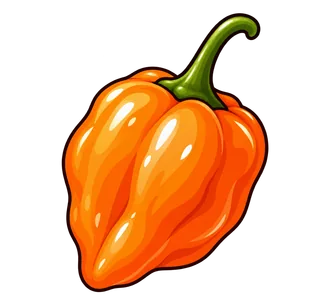
Habanero
Hotter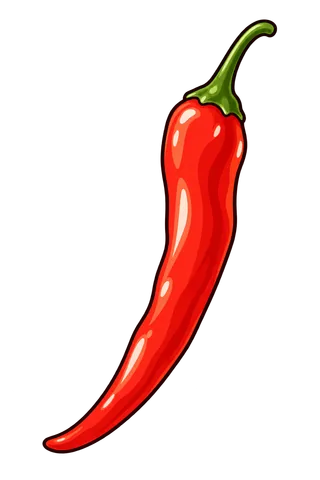
Cayenne
- 100,000–350,000 SHU12Heat25,000–50,000 SHU12
- Capsicum chinense1SpeciesCapsicum annuum1
- Believed to come from Peru1FromNamed for Cayenne, French Guiana1
- 0.8–2.4 inches; green to yellow, orange or red1PodRed; plants 2–4 feet tall1
- Fruity, citrus-like1FlavorNo flavor note in the source; used to flavor dishes1
No cayenne reaches habanero heat: the cayenne range stops at 50,000 SHU and the habanero range starts at 100,0001.
How many times hotter is a habanero than a cayenne?
About six times by midpoint: 225,000 SHU against 37,500. Pick two real pods and your answer moves between 2 and 141.
| Comparison | Habanero | Cayenne | Habanero is |
|---|---|---|---|
| Midpoints | 225,000 SHU | 37,500 SHU | about 6 times hotter |
| Mild habanero, hot cayenne | 100,000 SHU | 50,000 SHU | 2 times hotter |
| Hot habanero, mild cayenne | 350,000 SHU | 25,000 SHU | 14 times hotter |
The NMSU Chile Pepper Institute lists Orange Habanero at 250,000 SHU in its own tests3, close to the extension midpoint, so six times is a fair working number.
Does Texas AgriLife agree on the six-to-one gap?
Close to it. Texas AgriLife lists an average of 35,000 SHU for cayenne and 200,000 to 300,000 for habanero and Scotch bonnet4. Divide the habanero midpoint, 250,000, by 35,000 and you get about 7 times, a little above the UF/IFAS answer of 6.
So you can plan on six to seven cayennes' worth of heat in one habanero. The figure you pick matters less than the pods in your hand: the same Texas guide calls these averages, and your own plants can land above or below them.
Why do some cayennes run milder than the range?
Because growers breed them for a job. NMSU released two cayennes for the hot sauce mash industry, and both test well under the UF/IFAS range of 25,000 to 50,000 SHU15:
So the gap you face depends on which cayenne went into your jar or bottle. Against a range cayenne the habanero is about six times hotter; against a mash cayenne like Las Cruces it is about 13 times (225,000 ÷ 17,400). NMSU adds that its listed heat levels are averages that move with the year and the growing location5, so you treat both numbers as a guide and taste before you scale a recipe.
For your kitchen the lesson is simple. A cayenne sauce can taste milder than you expect from the pepper's name, while a habanero sauce rarely does.
How do you tell a fresh cayenne from a habanero?
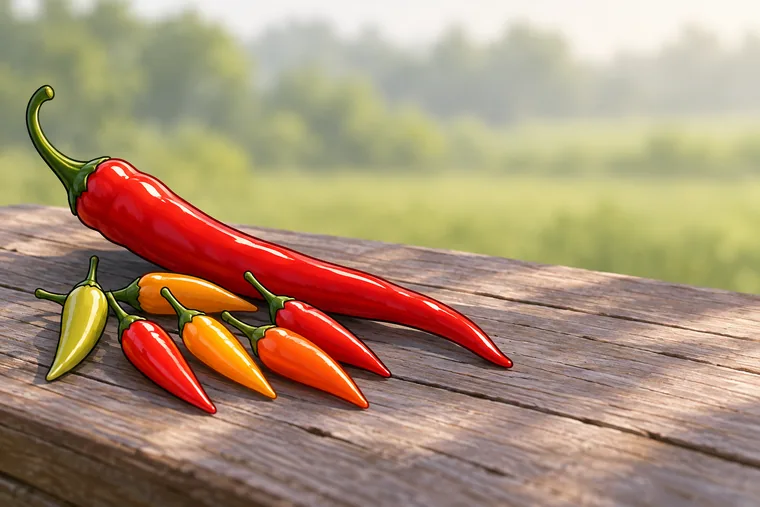
You will rarely mix them up once you see both. The cayenne you find is a long, thin red pod, while the habanero is short and lantern-shaped:
- Length. NMSU's cayenne cultivars measure 5.8 inches (NuMex Nematador) and 6.7 inches (NuMex Las Cruces)5; a habanero runs only 0.8 to 2.4 inches1.
- Flesh. The habanero has thin, waxy flesh1, while the cayenne is long, slim and red all the way.
- Color. Cayenne ripens red; habaneros mature yellow, orange or red, with white, brown and pink types too1. If you see an orange pod in the bin, you have the habanero.
Most of the time you meet cayenne as a powder, so the real choice at the store is a jar of red powder against a fresh orange pod.
What sits in the gap between them?
The Thai chili, if you want something in between. UF/IFAS gives it 50,000 to 100,000 SHU1, which fills the space between the top of the cayenne range and the bottom of the habanero range exactly. If cayenne feels too tame and habanero too much, the cayenne against the Thai chili is the step in between.
How are cayenne and habanero used?
| Cayenne | Habanero | |
|---|---|---|
| Used for | Flavoring dishes, usually dried as ground powder or flakes | Hot sauces and spicy foods |
| Flavor | No note in the extension sources | Fruity, citrus-like |
| A sauce built on it | Frank's RedHot Original lists aged cayenne red peppers first | No maker page checked |
So most of the cayenne you eat comes out of a jar as powder or flakes. That changes the swap: a teaspoon of powder and a whole fresh habanero are hard to compare by eye, so go by the ratio, not the look.
Your sauces split the same way. A cayenne sauce such as Frank's RedHot is aged pepper, vinegar, salt and garlic6, the shape of a Louisiana-style sauce, where the pepper brings heat and the vinegar brings the tang. A habanero sauce leans on the pod's own fruit and floral aroma1, so you taste the pepper first and the acid second.
Why does a habanero need a longer summer than a cayenne?
Its pods take about a month longer to ripen, so a cayenne is the safer pick in a short summer. Maryland Extension gives most hot types 70 to 85 days from transplanting and habanero types 90 to 1207. You also start seed indoors 8 to 10 weeks before your frost-free date, and up to 12 weeks for some slower types7, so a habanero asks for the early end of that window.
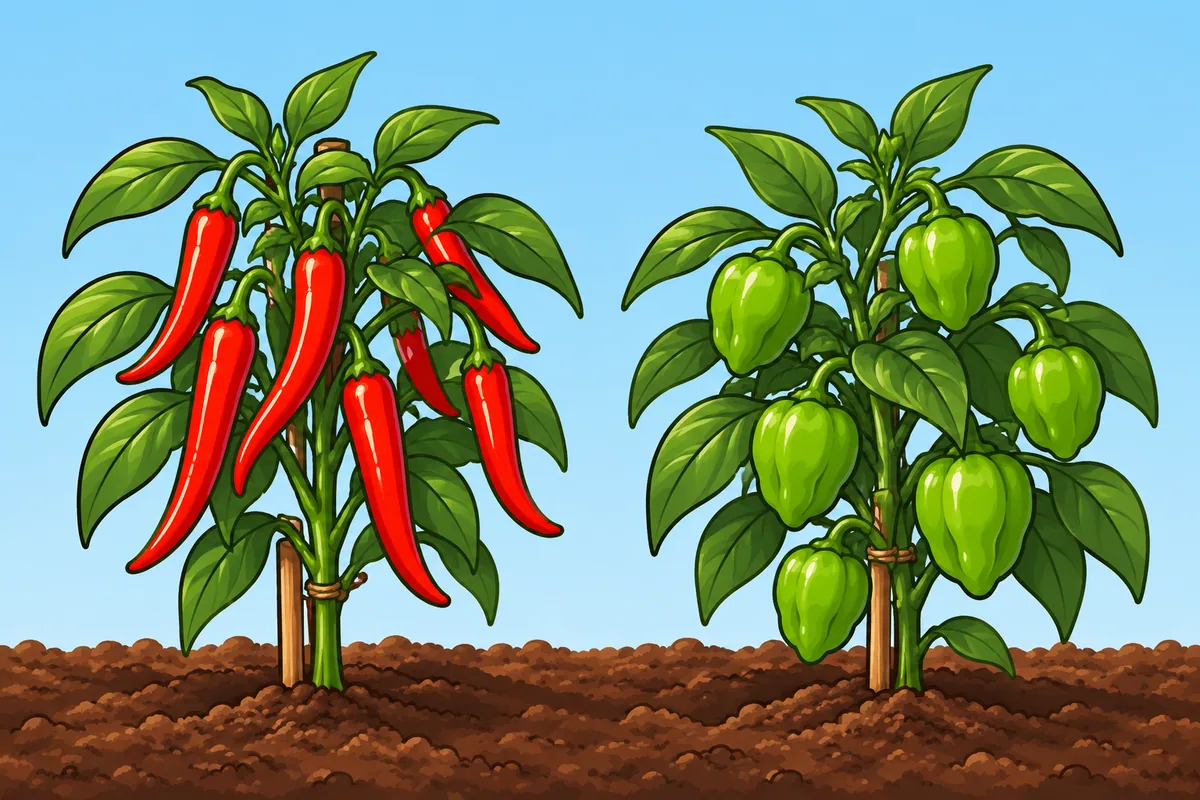
Your soil matters too. UF/IFAS says the habanero prefers slightly acidic soil, about pH 61, while the cayenne plant grows 2 to 4 feet and adapts well to hot, humid weather. If your soil tests alkaline, the habanero is the one likely to struggle; UF/IFAS calls high-pH soil an obstacle to growing it.
Can you dry and grind both at home?
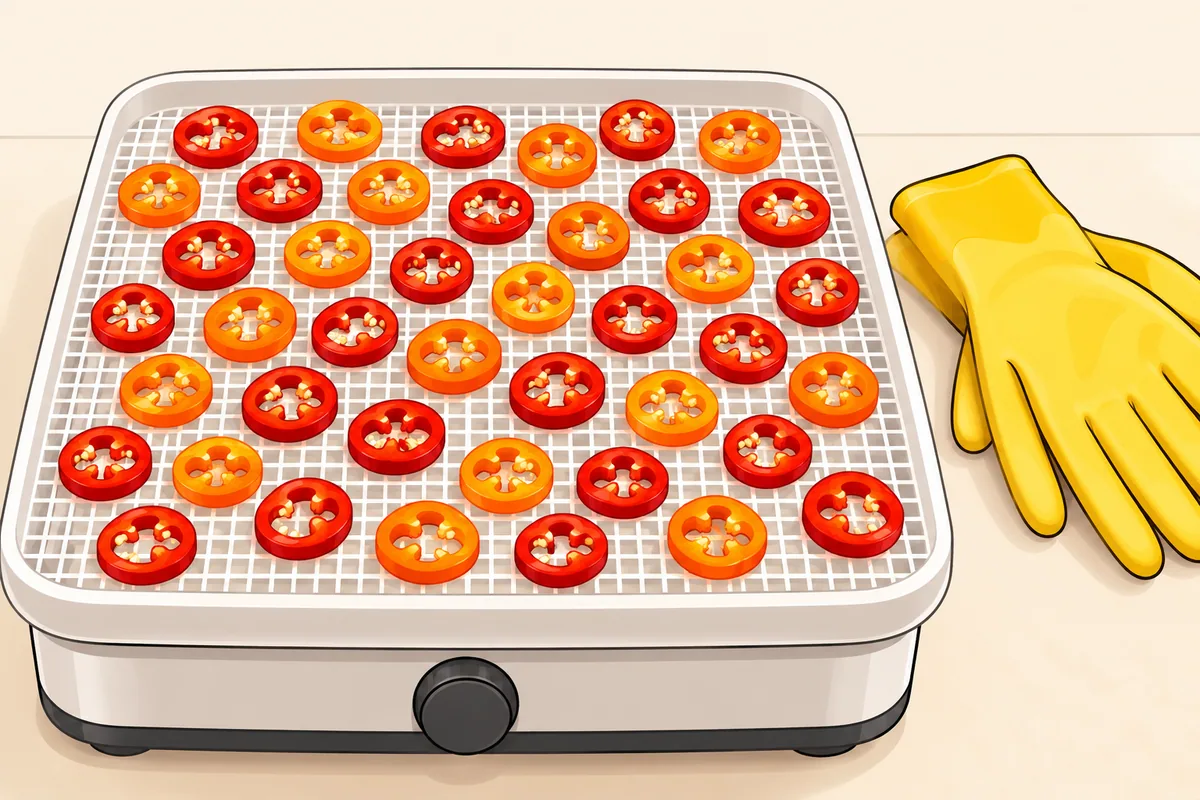
Yes, with the same method, and you have your own powder within two weeks, counting the conditioning days. Colorado State's drying guide for hot peppers works for both pods, and you need only a dehydrator or an oven:
- 1
Wash, trim, cut
Wear gloves, wash the pods, remove the stems, and cut them into strips or rings of 1/4 to 3/8 inch.8
- 2
Dry at 140°F
Lay the pieces in one layer and dry for 8 to 12 hours in a dehydrator; an oven can take up to twice as long.8
- 3
Test and condition
The pieces are done when they are tough to brittle. Keep them loosely covered for 4 to 10 days and shake the container daily.8
- 4
Ground cayenne is the gentler first project, at about a sixth of the habanero's heat by midpoint1, so a mistake with the grinder lid costs you a sneeze rather than an afternoon.
Which one should you choose?
Most cooks don't stand between these two for long once they know what each one does:
Choose cayenne when
Can you use habanero instead of cayenne?
Going the other way, cayenne powder gives you heat without the habanero's fruit. Expect a flatter, sharper dish, and use more of it, since you need about six times the cayenne to match a habanero's heat by midpoint.
Where do cayenne and habanero swaps trip you up?
Mistakes and the fix
- Matching a fresh habanero to a spoon of cayenne by eye. Work from the ratio, about 6 to 1 by midpoint, and add the habanero in small amounts.1
- Planting habaneros late in a short summer. They need 90 to 120 days from transplanting; start the seed early or pick a cayenne.7
- Drinking water to cool a habanero burn. In a 2019 test of seven drinks, whole and skim milk cut the burn the most.11
- Keeping powder in a clear jar on the counter. Dried peppers fade quickly in light; store them dark and cool.9
For a hotter step than the habanero, the ghost pepper's same-field test works through the next gap, and cayenne sits about 7.5 times above a jalapeño, the everyday green chile1.
Related in Compare
-
Cayenne vs Thai Chili, Why the Smaller Pod Is 2× Hotter
Same species on most lists, double the heat, a sixth of the length.5 min read -
Cayenne vs Jalapeño, 7.5× the Heat and Swaps
One usually ends up in a jar of powder, the other in a fresh salsa.6 min read -
Cayenne Pepper vs Kashmiri Chilli, Heat and Color Data
A deep red chilli from the north of India against the red pepper in every spice rack.6 min read -
Tabasco Pepper vs Cayenne, 2 Species, Same 50,000 SHU Top
Two red peppers with the same ceiling and different family trees.5 min read -
Ghost Pepper vs Habanero, Why the Ghost Is 2.8× Hotter
Same species, very different numbers.6 min read -
Chile Manzano vs Habanero, Close in Heat at 175,000 SHU
An apple-shaped mountain chile and a lantern-shaped lowland one, about as hot as each other.6 min read
Sources
· 11
- 1University of Florida IFAS Extension HS-859/TR010: Pepper Production in Miami-Dade County, Florida
- 2UF/IFAS Gardening Solutions Peppers by Scoville Units
- 3New Mexico State University, Chile Pepper Institute Heat
- 4Texas AgriLife Extension Service (Joe Masabni) Jalapeño & Other Hot Peppers
- 5New Mexico State University, Agricultural Experiment Station (Research Report 792) The Chile Cultivars of New Mexico State University Released from 1913 to 2016 (Coon and Bosland)
- 6McCormick (maker of Frank's RedHot, own product) Frank's RedHot Original Cayenne Pepper Hot Sauce
- 7University of Maryland Extension Growing Peppers in a Home Garden
- 8Colorado State University Extension, PreserveSmart Drying Peppers-Hot
- 9Penn State Extension Preserving Those Colorful Garden Peppers (Martha Zepp)
- 10National Capital Poison Center (poison.org) Capsaicin: When the Chili Is Too Hot (Amanda McDaniel-Price, RN)
- 11Physiology & Behavior 208:112557 Putting out the fire: Efficacy of common beverages in reducing oral burn from capsaicin (Nolden, Lenart, Hayes)