
Thai Chili vs Serrano, About 4× the Heat at Half the Size
A tiny Southeast Asian chili and a slim Mexican green one that cooks swap all the time.
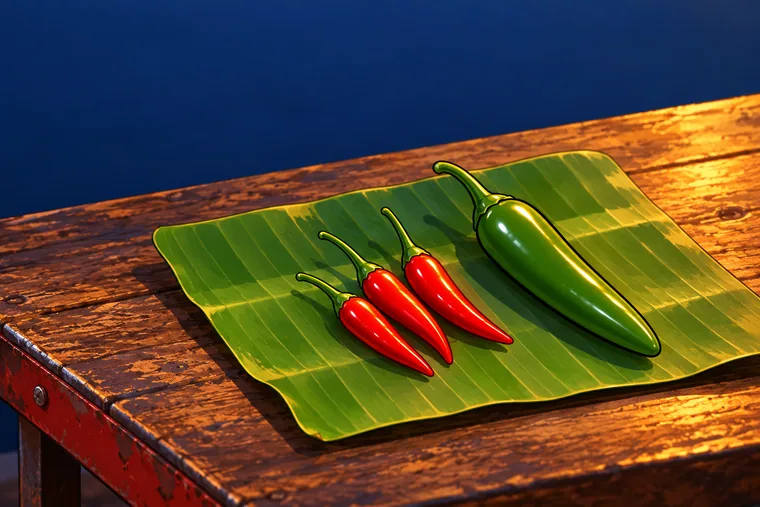
The Thai chili is hotter: about 4 times a serrano by midpoint, from 2 to 10 times across the two ranges.
- Thai chili 50,000–100,000 SHU; serrano 10,000–25,000 SHU (UF/IFAS)
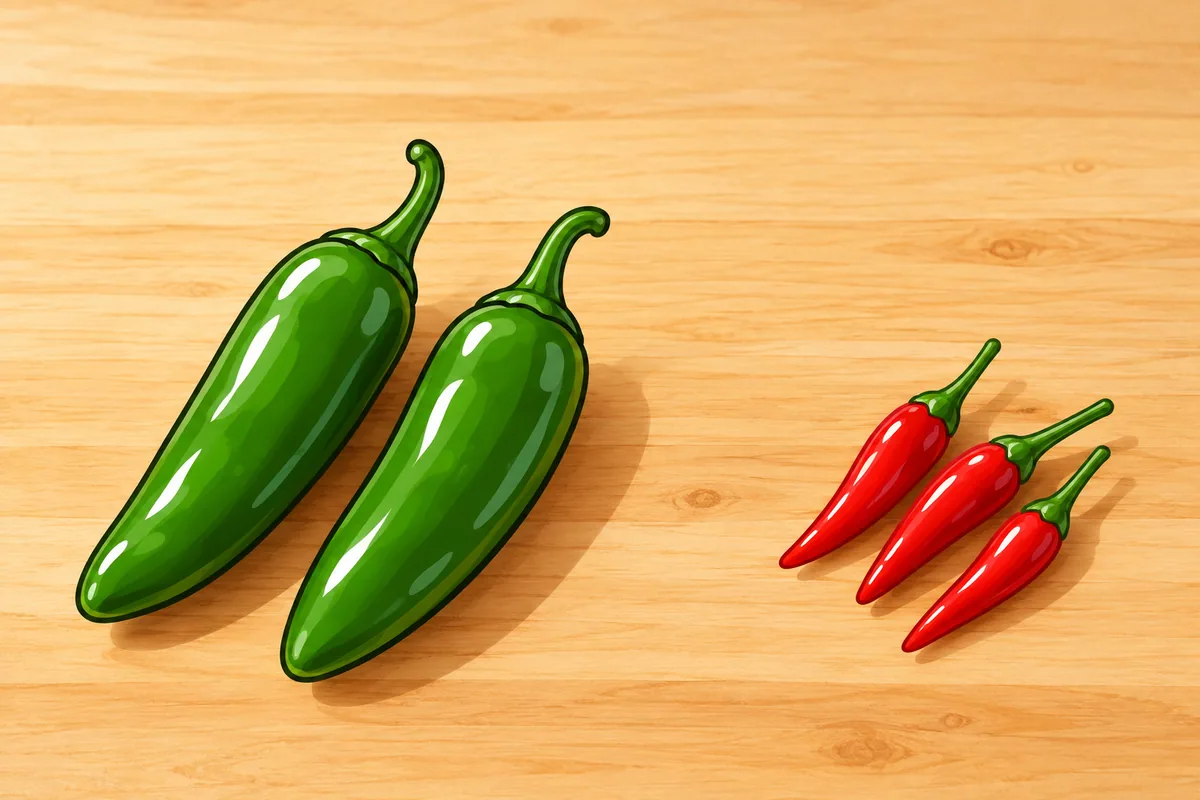
- Thai pod about 1 inch long and under 1/5 inch wide; serrano about 2 inches
- Swap by weight: about a quarter as much Thai chili replaces a serrano
Log scale; bars are published ranges.1
On this page
- 1Are Thai chilies hotter than serranos?
- 2Why does each chili come with a range instead of one number?
- 3Where do Thai chilies and serranos come from?
- 4Why is the smaller Thai chili the hotter one?
- 5Which pod tastes brighter in a salsa or a curry?
- 6How much Thai chili replaces a serrano, and the reverse?
- 7Why did your salsa turn fiery when you used Thai chilies?
- 8Can a hot summer make your serranos as fiery as Thai chilies?
- 9How do you tell Thai chili and serrano plants apart in the garden?
- 10Will a pack labeled bird's eye hold the same pod as Thai chili?
- 11What to make next
Are Thai chilies hotter than serranos?
Yes, clearly. UF/IFAS lists the Thai chili at 50,000 to 100,000 SHU and the serrano at 10,000 to 25,0002. The two ranges never touch: the mildest Thai pod on the list is twice as hot as the hottest serrano.
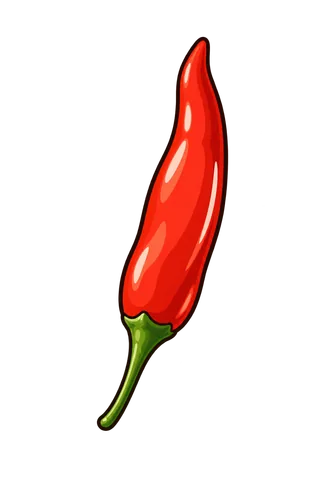
Thai chili
Hotter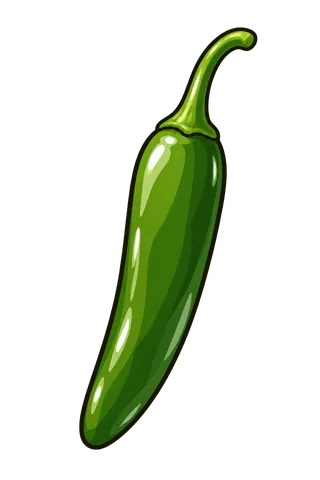
Even the mildest Thai chili on the extension list runs twice the hottest serrano.
How many times hotter is a Thai chili?
We compare midpoints first: 75,000 SHU for the Thai chili against 17,500 for the serrano, so about 4.3 times. The ends of the ranges give you the floor and the ceiling.
| Comparison | Thai chili | Serrano | Thai chili is |
|---|---|---|---|
| Midpoints | 75,000 SHU | 17,500 SHU | about 4.3× hotter |
| Mild Thai, hot serrano | 50,000 SHU | 25,000 SHU | 2× hotter |
| Hot Thai, mild serrano | 100,000 SHU | 10,000 SHU | 10× hotter |
The middle row is your safe planning number. If you swap one for the other and want no surprises, assume at least twice the heat and taste from there.
Why does each chili come with a range instead of one number?
Because no two pods carry exactly the same heat, and the number depends on how someone measured it. NMSU's heat guide describes two methods: the old Scoville taste test, where trained tasters sip a diluted extract until they stop feeling heat, which it calls subjective, and HPLC, a lab instrument it calls the most accurate method3. A range such as 10,000 to 25,000 SHU sums up many pods and many readings.
The same guide says genetics set a chile's potential and the field moves it up or down: stress from heat and water can make a mild cultivar hotter, and a hot cultivar grown in ideal conditions may come out only moderately hot3. That is why your serranos from a hot, dry August can bite harder than the ones from June, and why we plan swaps on the midpoint and then taste.
Where do Thai chilies and serranos come from?
From opposite sides of the world now, though both trace back to the Americas. UF/IFAS says the Thai chili's origin might be Mexico, Central America or South America, and that today people grow it widely in South and Southeast Asia, including Thailand, Laos, Vietnam, Indonesia and India1. The serrano stayed closer to home: it comes from the mountains of Puebla and Hidalgo in Mexico, and its name refers to those mountains1.
You can taste that history in the dishes each one anchors. The serrano goes raw into Mexican salsas and pico de gallo; the Thai chili goes into the stir-fries, curry pastes and dipping sauces of the kitchens that grow it most. When your recipe comes from one of those traditions, the chili it names is the one its heat level was built around.
Why is the smaller Thai chili the hotter one?
Because heat comes from what the pod makes, not how big it grows. NMSU explains that capsaicinoids cause a chile's heat and that genetics and growing stress set how much a pod carries3. The Thai chili simply carries far more of them per gram.
So a pod half as long, and much thinner, still gives you the bigger burn. In a stir-fry you notice it right away: a sliver of Thai chili does what a whole serrano ring does, and a whole Thai pod chopped into a sauce for two can carry more heat than you expect from something that small.
UF/IFAS adds a growing detail that matters for your harvest. Thai chili plants set small, tapering fruits, often two or three at a node1, so one plant hands you a lot of tiny, very hot pods.
Which pod tastes brighter in a salsa or a curry?
The serrano is the one with a documented flavor. UF/IFAS describes a bright and biting flavor, says people usually eat serranos raw, and names pico de gallo and salsa as their main dishes, because the pod is fleshy1. The Thai chili's sources describe heat, size and where it grows, but not taste.
| You are making | Pick | Why |
|---|---|---|
| Pico de gallo or a fresh green salsa | Serrano | Eaten raw, fleshy, bright and biting |
| A dish for people who want heat but not pain | Serrano | Tops out at 25,000 SHU |
| Stir-fry, curry paste or a dipping sauce from Southeast Asia | Thai chili | The chili those kitchens grow most |
| A sauce that needs heat with almost no bulk | Thai chili | 50,000–100,000 SHU in a 1-inch pod |
The fleshiness matters more than it sounds. A chopped serrano gives your salsa crunch and green juice, while the same heat from Thai chili gives you a few thin red flecks. If texture is part of your dish, you are better off with the serrano and its milder heat.
How much Thai chili replaces a serrano, and the reverse?
By weight, about a quarter as much. Here it is worked for a salsa that calls for two serranos, using USDA's 6.1 g per raw serrano4 and the midpoint ratio. These are estimates for planning; taste before you add the last of it.
| Recipe calls for | Arithmetic | Swap in |
|---|---|---|
| 2 serranos (about 12.2 g) | 12.2 g ÷ 4.3 | about 3 g of Thai chili |
| 10 g of Thai chili in a curry paste | 10 g × 4.3 | about 43 g of serrano, roughly 7 pods |
| 1 serrano in a sauce for two | 6.1 g ÷ 4.3 | about 1.4 g of Thai chili, a small pod or part of one |
The second row shows why the swap rarely runs that way. Seven serranos add a lot of green flesh and water to a paste, so you may prefer fewer serranos and a little less heat over a paste that turns soupy.
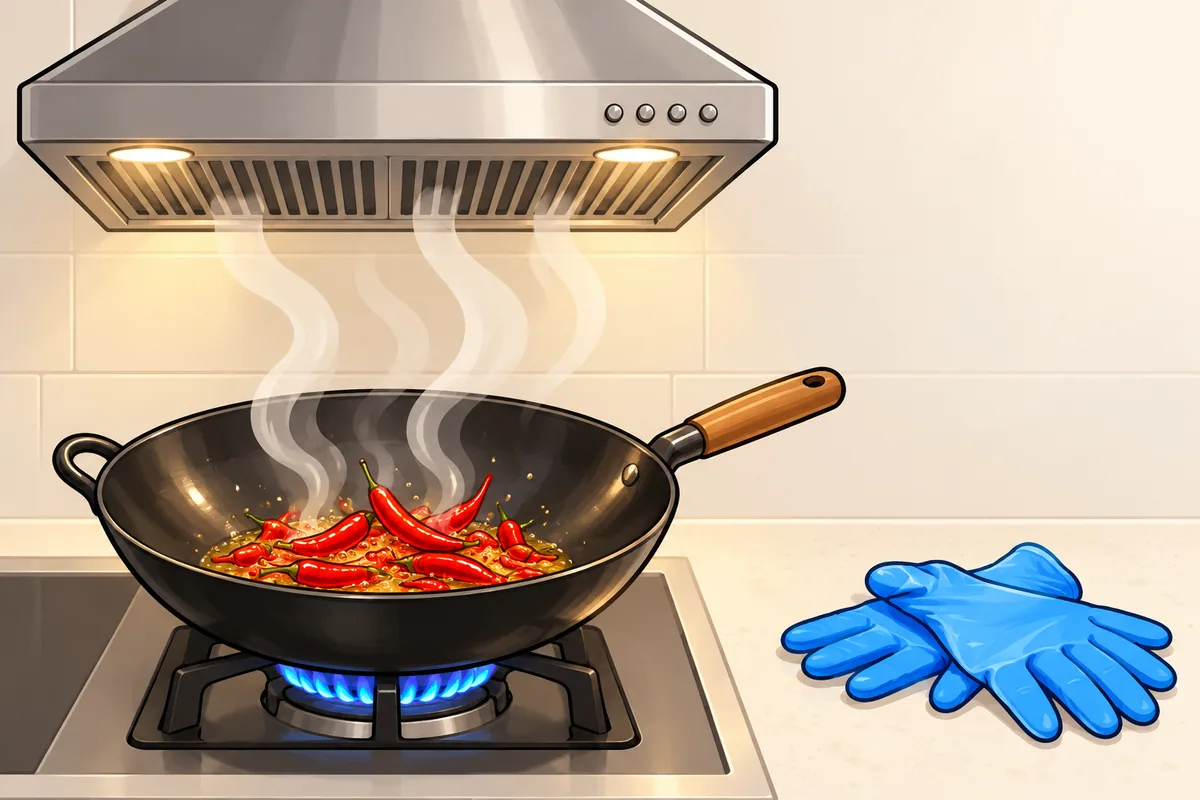
Wear gloves for the Thai side of the swap. The National Capital Poison Center advises rubber, latex or nitrile gloves for hot peppers and a 15-minute warm-water rinse if one gets into your eye5. It also warns that inhaled capsaicin can trigger an asthma attack in people prone to it, so when you fry a handful of Thai chilies in hot oil, open a window or switch on your hood fan first.
Why did your salsa turn fiery when you used Thai chilies?
Usually because you swapped by count. A recipe that says "two serranos" assumes about 12 g of a 10,000–25,000 SHU pepper24; two Thai chilies weigh less but bring 50,000–100,000 SHU each gram. Count-for-count, your salsa can land anywhere from a little hotter to several times hotter, depending on how big your Thai pods were.
You can rescue it. Make a second, chili-free batch of the base (tomato, onion, lime, salt) and stir the two together until the heat suits you; you dilute the capsaicin instead of trying to cover it. Next time, weigh your Thai chilies or start with one pod per two serranos the recipe names, then add more after tasting.
If someone at your table eats too much of a hot batch, the poison center's advice is simple: small sips of milk or water may help with the burn, and trouble breathing or chest discomfort means you call 9115.
Can a hot summer make your serranos as fiery as Thai chilies?
It can push them a long way. A 2013 study grew serranos in a field at 33 to 40 °C and in an unheated greenhouse at 40 to 48 °C, then tested dried pods in one lab: the greenhouse serranos came out about three times hotter, 262,916 SHU against 86,4276. That study reported dry-weight figures, so read the ratio, not the raw numbers.
NMSU makes the same point for every chile: stress from temperature and water in the field can make a mild cultivar hotter3. If your serranos taste unusually hot after a heat wave, your weather caused it, and a Thai-style amount of serrano might suit that batch. Taste one pod before you chop a whole bowl.
How do you tell Thai chili and serrano plants apart in the garden?
By height, pod set and pod size. Both come from UF/IFAS's Miami-Dade growing guide, which covers each plant in detail1.
Thai chili plant
If you grow on alkaline soil, the serrano is the easier pick: UF/IFAS calls it ideal for Miami-Dade, where soils run high in pH1. A Thai chili plant that lives through a frost-free winter keeps growing, so give it room for a 6-foot plant.
Will a pack labeled bird's eye hold the same pod as Thai chili?
In most stores, yes. UF/IFAS lists Thai pepper as also called bird's eye chili or bird's chili2, and the bird's eye and Thai chili pair sorts out why the two names and two species get mixed up. The Thai pepper family covers the other chilies sold under Thai names.
What to make next
If the serrano is your everyday green chile, see how far up the scale it sits from a fruity super-hot in the serrano and habanero pair. If you came for the Thai chili, the Thai chili against habanero shows the next step up.
Short on serranos for tonight's salsa? The serrano swaps rank the stand-ins with amounts, so you can pick one from what is in your fridge.
Related in Compare
-
Serrano vs Habanero, the Habanero Is About 13× Hotter
A salsa chile against a hot sauce chile.6 min read -
Habanero vs Thai Chili, Why the Habanero Is 3× Hotter
A tiny hot chili against a fruity extra-hot one.5 min read -
Bird's Eye vs Thai Chili, Usually 1 Pepper at 50,000+ SHU
Mostly one pepper, with a wild cousin that shares the name.5 min read -
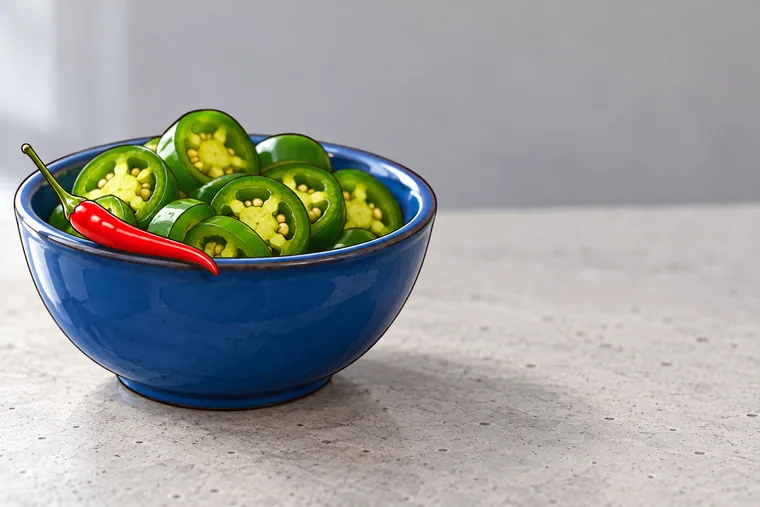
Thai Chili vs Jalapeño, Why the Small Pod Is 15× Hotter
A one-inch pod with fifteen times the heat.5 min read -
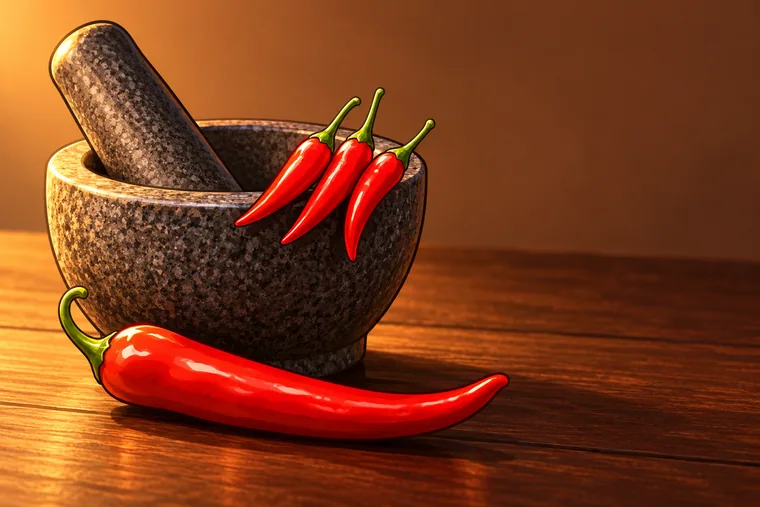
Cayenne vs Thai Chili, Why the Smaller Pod Is 2× Hotter
Same species on most lists, double the heat, a sixth of the length.5 min read -
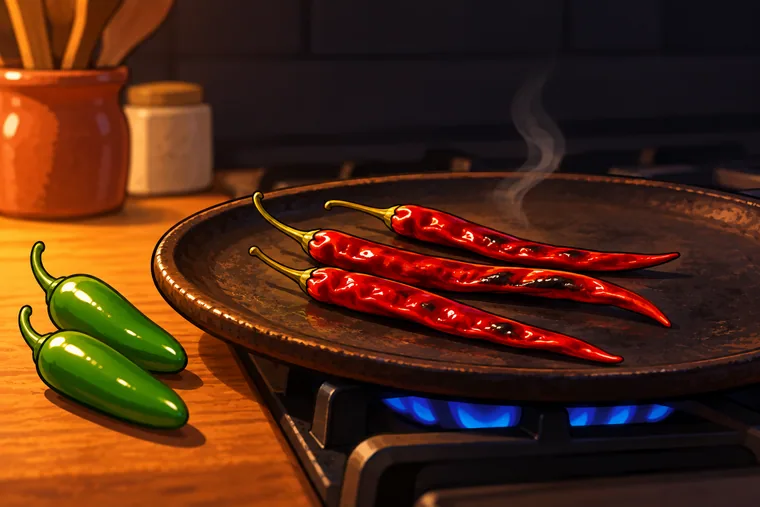
Chile de Árbol vs Serrano, Árbol Leads by About 1.6×
A slim dried red against a fresh green, close in heat and far apart in the pan.7 min read
Sources
· 6
- 1University of Florida IFAS Extension HS-859/TR010: Pepper Production in Miami-Dade County, Florida
- 2UF/IFAS Gardening Solutions Peppers by Scoville Units
- 3New Mexico State University Cooperative Extension Service (Guide H-237) Measuring Chile Pepper Heat (Bosland, Walker)
- 4USDA Agricultural Research Service, FoodData Central (SR Legacy) Peppers, serrano, raw (FDC ID 169395)
- 5National Capital Poison Center (poison.org) Capsaicin: When the Chili Is Too Hot (Amanda McDaniel-Price, RN)
- 6Molecules 18(11):13471-13486 Characterization of Different Capsicum Varieties by Evaluation of Their Capsaicinoids Content by High Performance Liquid Chromatography, Determination of Pungency and Effect of High Temperature (González-Zamora et al.)